
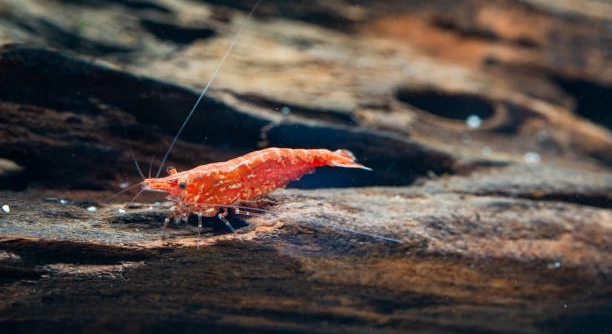
Shrimp are fascinating creatures that respond strongly to certain foods in their environment. Many aquarists aim to enrich their tanks with natural additions that encourage shrimp to feed actively and remain healthy. Observing their preferences can be rewarding.
Shrimp are particularly attracted to a variety of natural additions including algae wafers, blanched vegetables, and small protein sources. These foods stimulate feeding behavior, improve nutrition, and enhance overall growth and coloration, supporting both survival and vitality in captive environments.
Knowing which natural additions consistently appeal to shrimp can improve their care. The following list highlights seven options that shrimp tend to favor most in their diet.
Algae Wafers
Algae wafers are a staple in many shrimp diets because they provide essential nutrients and encourage consistent feeding behavior. These wafers are made primarily from dried algae, which is high in fiber and minerals necessary for growth and molting. Shrimp naturally graze on biofilm and algae in their tanks, so algae wafers replicate a familiar texture and taste. They sink to the bottom of the tank, allowing shrimp to feed comfortably at their own pace. Many aquarists report that shrimp quickly learn to recognize these wafers as a primary food source. Regularly offering algae wafers can help maintain active, healthy shrimp and reduce stress. It is important to monitor the amount given to avoid overfeeding, which can lead to water quality issues. Supplementing wafers with other natural foods ensures a balanced diet and supports vibrant coloration, strong shells, and overall vitality in your shrimp population.
Shrimp respond well to algae wafers, often gathering around them immediately once they are placed in the tank.
Offering algae wafers consistently can help establish a feeding routine for shrimp. Their composition encourages grazing, which mimics natural behavior in freshwater habitats. While wafers are convenient, combining them with fresh vegetables or occasional protein sources ensures shrimp receive a variety of nutrients. Monitoring consumption and adjusting portion sizes helps maintain water quality and prevents leftover food from decaying. Observing how different shrimp species react can guide feeding practices, as some are more active feeders than others. Over time, integrating algae wafers with other natural additions strengthens shrimp health, promotes color vibrancy, and supports successful molting cycles.
Blanched Vegetables
Blanched vegetables such as spinach, zucchini, or carrots are easy for shrimp to digest and offer valuable vitamins.
Blanching vegetables softens their texture, making it easier for shrimp to eat while reducing the risk of decaying plant matter harming water quality. Introducing small amounts allows shrimp to explore new flavors. Regular inclusion of vegetables provides fiber and micronutrients that support digestion and shell development. They also encourage natural foraging behavior, keeping shrimp active and engaged. Rotating types of vegetables ensures variety in their diet, preventing nutritional gaps. Removing uneaten portions after a few hours helps maintain a clean environment. This approach can improve shrimp growth rates and enhance their coloration, while supporting overall tank health.
Vegetables are highly adaptable in shrimp tanks and can be prepared to match shrimp size. Blanching not only softens the food but also helps preserve nutrients that shrimp can absorb efficiently. Unlike processed wafers, fresh vegetables contain natural compounds and water content that support hydration and metabolism. Introducing different types periodically prevents monotony, stimulating feeding interest and exploration. It also allows aquarists to monitor individual shrimp preferences and adjust feeding practices accordingly. Using vegetables in combination with other natural additions, like algae wafers or protein snacks, promotes a balanced diet that supports molting, immunity, and coloration. Regular attention to preparation and portion control ensures vegetables remain a safe and beneficial supplement for all shrimp species in the tank.
Small Protein Sources
Shrimp enjoy small protein additions like tiny pieces of cooked shrimp, fish flakes, or bloodworms, which help support growth and molting cycles.
Providing protein in small, manageable portions encourages shrimp to feed without overwhelming the tank environment. Overfeeding protein can affect water quality, so it’s important to monitor amounts carefully. These foods are particularly useful during molting, as protein contributes to stronger exoskeletons and improved health. Many shrimp actively seek out protein-rich snacks when offered alongside their regular diet. Rotating protein types can prevent monotony and ensure a broader nutrient intake. Observing shrimp behavior during feeding helps determine the best frequency and portion size, balancing nutrition and tank hygiene.
Protein sources also improve shrimp coloration, making them more vibrant over time. Properly prepared, these foods supplement algae wafers and vegetables without disrupting the natural balance of the tank.
Combining small protein sources with regular feeding habits strengthens overall nutrition. While shrimp can survive on algae and vegetables, protein boosts activity levels and supports reproductive health. Using manageable portions ensures all shrimp, including smaller or less aggressive feeders, have access. This approach reduces competition and stress in the tank while maintaining water quality. Incorporating protein consistently but moderately helps maintain a healthy, balanced diet, supporting both daily activity and long-term vitality.
Leafy Greens
Leafy greens like lettuce, kale, and Swiss chard are soft, easy to digest, and rich in vitamins that shrimp need.
Preparing these greens by blanching makes them easier for shrimp to consume while preventing rapid decay in the tank. Feeding small amounts ensures shrimp can nibble gradually without water quality issues. Leafy greens provide fiber and micronutrients, supporting digestion and exoskeleton strength. Rotating greens keeps shrimp engaged and exposes them to a variety of nutrients. Removing uneaten portions after a few hours prevents algae overgrowth or contamination, keeping the tank clean and safe.
Leafy greens are versatile, affordable, and simple to integrate into a shrimp feeding routine. They encourage natural foraging and allow shrimp to feed at their own pace. Greens also complement protein additions and algae wafers, creating a well-rounded diet. Their high water content aids hydration and promotes metabolism, while the fiber helps maintain digestive health. Regularly offering a variety of leafy greens ensures balanced nutrition, supporting molting cycles and overall vitality. Observing which greens shrimp prefer can help refine feeding practices and maintain a healthy, active population.
Indian Almond Leaves
Indian almond leaves release beneficial tannins and nutrients into the water, creating a natural environment that shrimp enjoy.
These leaves also help improve water quality by slightly lowering pH and providing a surface for biofilm, which shrimp graze on regularly.
Cucumbers
Cucumbers are soft, water-rich, and easy for shrimp to nibble on. They provide hydration and mild nutrients while encouraging grazing behavior. Offering thin slices or small chunks ensures shrimp can access food comfortably, reducing waste and maintaining tank cleanliness.
Chia Seeds
Chia seeds can be soaked and offered in small amounts as a protein-rich supplement. They expand in water, creating a texture shrimp find easy to consume while providing essential amino acids for growth and vitality. Proper portioning prevents water contamination and supports overall tank health.
Spinach
Spinach is rich in vitamins and minerals, supporting shrimp health and coloration. Blanching before feeding softens the leaves, making them easier to consume and reducing the risk of decay in the tank. Regular small portions keep shrimp active and nourished.
FAQ
What natural foods are safest for shrimp to eat?
Shrimp can safely consume algae wafers, blanched vegetables, leafy greens, and small protein sources in moderation. Indian almond leaves and cucumber slices are also safe when properly prepared. Avoid foods that decay quickly or are treated with pesticides, as these can harm shrimp or degrade water quality.
How often should I feed shrimp natural additions?
Offering natural foods two to three times per week is usually sufficient. Overfeeding can cause water quality issues, so provide small portions that shrimp can consume within a few hours. Rotate foods to provide balanced nutrition and keep feeding interesting.
Can shrimp eat raw vegetables?
Shrimp can nibble raw vegetables, but blanching them first softens the texture, making them easier to digest. Blanching also reduces the risk of decomposition in the tank, which can affect water quality and shrimp health.
Are protein sources necessary for shrimp?
Protein is important, especially during molting and growth phases. Tiny portions of cooked shrimp, fish flakes, or soaked bloodworms support shell development, reproduction, and overall activity levels. Overfeeding protein should be avoided to prevent water contamination.
Do shrimp prefer algae wafers over vegetables?
Algae wafers are highly appealing due to their density and nutrient content, but shrimp benefit from a mix of both. Vegetables and leafy greens provide fiber and micronutrients that wafers alone cannot, ensuring more balanced health outcomes.
Can all shrimp species eat the same natural additions?
Most freshwater shrimp, like cherry shrimp or crystal red shrimp, accept similar foods, but individual preferences vary. Observing your shrimp helps determine which additions they favor and ensures all individuals, including smaller or shy shrimp, have access.
How should I introduce new foods to shrimp?
Start with small portions to monitor acceptance and water impact. Gradually increase amounts if shrimp consume the food quickly. Remove leftovers promptly to maintain clean water conditions. Rotating foods encourages natural foraging and avoids dietary boredom.
Are Indian almond leaves just for decoration?
No, they improve water conditions by releasing tannins and supporting biofilm growth, which shrimp graze on. These leaves also provide hiding spots for baby shrimp, making them an ecological and nutritional addition.
Can shrimp eat fruits?
Some fruits, like apple slices or melon, can be offered sparingly, but they contain high sugars and decay quickly. Feed only very small portions occasionally and remove uneaten pieces promptly to avoid water contamination.
What is the best way to store shrimp foods?
Algae wafers and dried protein snacks should be stored in a cool, dry place. Fresh vegetables, leafy greens, and fruits should be refrigerated and used quickly. Pre-blanching vegetables and storing them in airtight containers can extend shelf life while maintaining nutritional value.
How do I know if shrimp are getting enough nutrients?
Healthy shrimp are active, colorful, and molt regularly. Lack of appetite, dull coloration, or weak shells may indicate insufficient nutrients. Adjust feeding routines, introduce varied natural additions, and ensure proper portion sizes to support overall shrimp health and vitality.
Can overfeeding natural additions harm shrimp?
Yes, uneaten food decomposes and increases ammonia and nitrite levels, stressing shrimp and affecting water quality. Feeding small amounts and removing leftovers promptly prevents toxicity and supports a balanced tank environment.
Do shrimp benefit from mixing different foods at once?
Combining foods, such as algae wafers, blanched vegetables, and small protein sources, ensures shrimp receive a variety of nutrients. It stimulates natural foraging behaviors, supports growth, and improves coloration, while reducing the likelihood of nutritional gaps.
Is there a risk of shrimp fighting over food?
Aggression over food is uncommon in most species but can occur if portions are too large or competition arises. Distributing food across multiple areas allows all shrimp to access it and reduces stress in the tank.
How long can shrimp go without natural food?
Shrimp can survive on biofilm and algae present in the tank for short periods, but supplementing with natural additions ensures proper nutrition, faster growth, and healthier molting cycles. Regular feeding maintains optimal health and activity levels.
What are signs that shrimp enjoy a particular food?
Shrimp will gather around the food quickly, nibble actively, and continue feeding over time. Increased movement and exploration near the food source indicate interest and satisfaction. Observing preferences helps refine feeding practices for a balanced diet.
Can shrimp overeat natural additions?
Yes, overconsumption is possible, especially with soft vegetables or wafers. Excess food can decay and harm water quality, so carefully monitor portions and remove uneaten food to prevent negative effects.
Are there natural foods to avoid feeding shrimp?
Avoid citrus, processed human foods, or anything treated with chemicals or preservatives. Foods that rot quickly in water, like large fruit pieces, can raise ammonia levels and threaten shrimp health. Stick to vegetables, algae wafers, protein sources, and safe leaves.
Do baby shrimp need the same foods as adults?
Baby shrimp require softer, finer foods like powdered algae or tiny blanched vegetables. Small protein sources can be introduced gradually, ensuring they are easily consumed and do not pollute the tank. Proper nutrition supports survival and healthy development.
How do I clean leftover natural foods?
Use a small net or siphon to remove uneaten portions after a few hours. This prevents decomposition, maintains water quality, and reduces stress for the shrimp, ensuring a healthy feeding environment.
Can shrimp eat frozen foods?
Yes, frozen foods like bloodworms or brine shrimp are suitable when thawed and offered in small amounts. Freezing helps preserve nutrients, but ensure proper portioning to avoid water contamination.
Are leafy greens better than vegetables for shrimp nutrition?
Both provide essential nutrients. Leafy greens are rich in vitamins and minerals, while vegetables offer fiber and hydration. Rotating both types ensures balanced nutrition and encourages natural grazing behavior.
How do I encourage shy shrimp to eat natural additions?
Place food near hiding spots or gradually introduce small portions. Allowing shrimp to explore food at their own pace reduces stress and encourages consistent feeding habits without competition from more active individuals.
Can shrimp eat algae directly from the tank?
Yes, natural algae growth provides essential nutrients. Supplementing with wafers or vegetables ensures a more balanced diet, especially in tanks with limited natural algae. Observing grazing behavior helps determine if additional food is needed.
Is it necessary to soak protein sources before feeding?
Soaking dried protein or seeds softens them, making them easier to consume and reducing the risk of water contamination. Proper preparation ensures shrimp can eat efficiently while maintaining tank hygiene.
Do shrimp need variety in their diet?
Variety prevents nutritional deficiencies and stimulates natural foraging behaviors. Rotating algae wafers, vegetables, greens, protein sources, and leaves provides comprehensive nutrients that support health, coloration, and growth.
How do I monitor shrimp feeding habits?
Observe which foods are eaten first, how many shrimp feed, and how quickly food disappears. Adjust portion sizes and rotation frequency based on these observations to maintain balanced nutrition and water quality.
Can overfeeding natural foods affect water parameters?
Yes, uneaten food decomposes, increasing ammonia, nitrites, and nitrates. Maintaining portion control and promptly removing leftovers preserves water quality and supports shrimp health.
Are there seasonal considerations for feeding shrimp?
Temperature and activity levels affect feeding needs. During cooler months, shrimp may eat less, while warmer periods increase metabolism. Adjust portion sizes and feeding frequency accordingly to match natural behavior.
How can I introduce new foods safely?
Start with very small portions and observe shrimp reaction. Remove uneaten pieces after a few hours, and gradually increase quantity as shrimp adapt. This prevents sudden water quality issues while allowing shrimp to explore new nutrients.
Do shrimp need fiber in their diet?
Yes, fiber from vegetables and leafy greens supports healthy digestion and helps maintain exoskeleton strength. Regular fiber intake also encourages grazing behavior and overall activity.
What is the best order to offer different natural foods?
There is no strict order, but alternating protein, vegetables, and algae wafers keeps feeding varied. Observing shrimp preferences and adjusting portions ensures all individuals access nutrients without compromising tank conditions.
Can shrimp eat too many leafy greens?
Yes, excessive leafy greens can decay, causing water quality problems. Feed small portions and remove uneaten pieces promptly to prevent ammonia buildup and maintain a safe environment.
Are natural foods better than commercial shrimp pellets?
Natural foods provide variety and replicate wild diets, while pellets offer convenience and consistency. Combining both ensures shrimp receive essential nutrients, proper fiber, and protein while supporting healthy growth and coloration.
How do I know if shrimp are getting enough protein?
Shrimp with regular molting, strong exoskeletons, and active movement are receiving adequate protein. Lack of activity or poor shell formation may indicate insufficient intake, requiring supplemental protein sources.
Can shrimp eat dried leaves besides Indian almond leaves?
Yes, some dried leaves like oak or beech are safe when free of pesticides and fully submerged. They support biofilm growth and provide grazing surfaces while slowly releasing beneficial compounds into the water.
What is the ideal portion size for natural additions?
Provide small amounts that shrimp can consume within a few hours. Adjust based on tank population and feeding response. Avoid overfeeding to protect water quality and maintain shrimp health.
Are certain foods better for baby shrimp?
Powdered algae, finely chopped blanched vegetables, and very small protein pieces are best. They are easier to consume and help support growth without polluting the water.
How long can natural foods be stored?
Dried foods can last months if stored cool and dry. Fresh vegetables and leafy greens should be refrigerated and used within a few days to preserve nutrients and prevent spoilage.
Do shrimp need supplements beyond natural foods?
If their diet is varied and includes protein, vegetables, algae, and leaves, supplements are often unnecessary. Observing shrimp health and coloration can guide additional nutrient needs if deficiencies arise.
What signs indicate overfeeding?
Cloudy water, leftover food, and algae blooms suggest overfeeding. Reducing portion sizes and removing uneaten food maintains water quality and reduces stress on shrimp.
Can shrimp eat food directly from the fridge?
Always rinse or blanch vegetables before feeding. Cold, untreated food can shock shrimp or carry contaminants that affect tank conditions. Proper preparation ensures safety and digestibility.
Are frozen protein sources better than live?
Frozen foods are convenient and safe, retaining nutrients without risk of introducing parasites. Live foods stimulate natural hunting behavior but may introduce unwanted organisms if not sourced carefully.
Do shrimp need daily feeding?
Daily feeding is not necessary if natural biofilm, algae, and occasional additions provide nutrition. Overfeeding risks water quality issues. A routine of two to three feedings per week is usually sufficient.
How do I prevent shrimp from ignoring new foods?
Offer small, manageable portions near hiding spots and alternate with familiar foods. Gradual introduction encourages exploration and acceptance without stressing shrimp or polluting water.
Can shrimp eat grains or seeds?
Some soaked seeds, like chia, are acceptable in small quantities. Hard grains may be difficult to digest and can lead to water contamination if uneaten. Proper preparation is essential.
Is feeding shrimp by hand effective?
Hand-feeding allows observation of individual preferences and encourages shy shrimp to eat. It also helps control portions and ensures all shrimp access food without overfeeding.
How do I know if shrimp are eating enough algae?
Shrimp grazing patterns on tank surfaces, coloration, and activity levels indicate adequate algae intake. Supplementation with wafers ensures nutrition if natural growth is limited.
Can shrimp survive on a single food type?
They can survive, but a single food type may lead to nutrient deficiencies. Offering a variety ensures balanced nutrition, promotes activity, and supports health and coloration.
Are natural foods better for breeding shrimp?
Yes, varied diets rich in protein, fiber, and vitamins improve reproductive success, egg quality, and survival rates of baby shrimp. Observing feeding behavior helps optimize breeding conditions.
Can shrimp eat leftovers from human meals?
No, processed foods or cooked items with spices, salt, or oils can harm shrimp and degrade water quality. Stick to prepared vegetables, algae wafers, and safe protein sources.
Do shrimp prefer soft or hard foods?
Soft foods like blanched vegetables, algae wafers, and soaked protein are easiest for shrimp to consume, especially during molting or for smaller individuals. Hard foods may be ignored or uneaten.
How important is variety for long-term shrimp health?
Variety prevents nutritional gaps, encourages foraging, and supports growth, molting, and coloration. Regular rotation of natural additions maintains vitality and reduces stress, ensuring a thriving shrimp population.
Can shrimp eat dried herbs or plants?
Some dried, pesticide-free herbs can be safe, but they should be introduced in small amounts. Ensure they do not alter water chemistry or decay too quickly.
Do shrimp need calcium supplements if fed natural foods?
Calcium-rich vegetables, leafy greens, and protein sources often provide sufficient calcium. Supplement only if molting issues or weak shells appear.
How do I avoid overfeeding when using multiple foods?
Offer small portions of each type and remove leftovers promptly. Observe shrimp feeding behavior to adjust amounts, ensuring balanced nutrition without compromising water quality.
Can shrimp eat rice or pasta?
Cooked plain rice or pasta in very small amounts can be fed occasionally, but they are low in essential nutrients. They should not replace balanced natural foods.
Is it better to feed shrimp several small portions or one large feeding?
Several small portions reduce waste, prevent water contamination, and mimic natural grazing behavior. Large feedings increase the risk of uneaten food and deteriorating water quality.
Do shrimp eat biofilm even when fed natural foods?
Yes, biofilm remains an important nutrient source. Natural foods supplement this diet, ensuring shrimp receive all essential vitamins, minerals, and proteins needed for growth and vitality.
Can shrimp eat boiled egg yolk?
Boiled egg yolk is high in protein and fat but should be offered sparingly. Too much can foul the water, so small portions only occasionally are recommended.
How do I clean vegetables before feeding?
Rinse thoroughly to remove pesticides and debris. Blanching softens the texture, preserves nutrients, and prevents rapid decay in the tank. Proper cleaning ensures safety and digestibility.
Can shrimp eat frozen vegetables directly?
Thaw and blanch frozen vegetables before feeding. Raw frozen pieces may be too cold or hard, which can shock shrimp or lead to uneaten food decaying in the tank.
Do shrimp need a variety of textures in their diet?
Yes, different textures like wafers, soft vegetables, and protein pieces stimulate natural grazing behavior, maintain interest, and ensure balanced nutrition.
Can overfeeding natural foods cause algae blooms?
Yes, uneaten food can decompose and fuel algae growth. Portion control and prompt removal of leftovers prevent excess nutrients and maintain tank balance.
Are shrimp more active when given natural foods?
Yes, they respond positively to fresh, nutrient-rich foods, showing increased foraging, movement, and social behavior. A varied diet promotes overall vitality and engagement in the tank.
How do I prevent mold on natural foods in the tank?
Feed small amounts, remove uneaten portions within hours, and rinse or blanch vegetables beforehand. Proper management reduces the risk of mold growth and preserves water quality.
Do shrimp need vitamin supplements if fed natural foods?
If their diet includes a mix of protein, vegetables, algae wafers, and leaves, additional vitamins are typically unnecessary. Monitor shrimp for signs of deficiency before supplementing.
Can shrimp eat citrus fruits?
No, acidic fruits like citrus can alter water pH and harm shrimp. Stick to mild fruits in very small portions if desired, always removing uneaten pieces quickly.
Do shrimp prefer fresh or dried natural foods?
Both are accepted, but fresh vegetables, leafy greens, and properly soaked protein provide better hydration and nutrients, while dried options like algae wafers offer convenience and long shelf life.
Are there foods that help shrimp color development?
Protein-rich foods, algae, and certain vegetables enhance coloration over time. Consistent feeding of these natural additions supports pigment formation and overall vibrancy.
Can shrimp eat oats or grains?
Oats can be offered sparingly, ideally soaked or cooked. Hard grains may be difficult to digest, and excessive amounts can affect water quality.
Is hand-feeding shrimp beneficial?
Yes, it allows observation of individual feeding habits, encourages shy shrimp, and helps control portions. Hand-feeding ensures proper intake without overfeeding.
Do shrimp eat at night?
Many species are more active at night, grazing on biofilm, algae, and provided foods. Observing natural activity helps time feedings for better acceptance.
Can shrimp eat cooked vegetables?
Yes, lightly cooked or blanched vegetables are ideal, making them easier to consume and reducing decomposition compared to raw, dense pieces.
Are some shrimp picky about foods?
Yes, individual shrimp may prefer certain vegetables or protein sources. Observing preferences ensures all shrimp receive adequate nutrition.
Can shrimp eat dried fish flakes?
Yes, flakes can supplement protein intake, but small portions are essential to prevent water contamination and support balanced nutrition.
How do I combine natural foods effectively?
Offer small amounts of each type simultaneously or in rotation. Ensure shrimp have access to all foods while preventing excess leftovers that degrade water quality.
Do shrimp need fiber in every meal?
Regular fiber from vegetables or leafy greens supports digestion. While not needed every feeding, consistent inclusion promotes gut health and molting success.
Can shrimp eat live plants?
Yes, many shrimp graze on soft leaves and biofilm. Avoid plants treated with chemicals or pesticides, and monitor grazing to prevent overconsumption of delicate species.
Are natural foods better for molting shrimp?
Yes, soft vegetables, protein, and algae wafers provide essential nutrients needed for strong exoskeletons, supporting successful molting cycles.
Do shrimp eat dead leaves in the tank?
Yes, decomposing leaves offer nutrients and encourage natural foraging, but excessive decay can affect water quality, so monitor carefully.
How do I prevent food from sinking too fast?
Cut vegetables into small, manageable pieces or use naturally sinking foods like wafers. This allows shrimp to feed comfortably without losing pieces to substrate.
Can shrimp eat small insects?
Tiny, pesticide-free insects can be offered sparingly as protein. Ensure they are small enough to consume safely and do not pollute the tank.
Do shrimp prefer floating or sinking foods?
Sinking foods are easier for most freshwater shrimp to access at the tank bottom, while floating foods may be ignored unless shrimp are naturally surface feeders.
How do I know when to remove leftover food?
Observe after two to four hours. If not consumed, remove to prevent decomposition, ammonia buildup, and water contamination.
Can shrimp eat microalgae supplements?
Yes, powdered or liquid
Shrimp are small creatures with surprisingly specific dietary preferences. Providing a balanced mix of natural foods can greatly improve their overall health and activity levels. Including items like algae wafers, blanched vegetables, leafy greens, and small protein sources ensures they receive essential nutrients for growth, coloration, and molting. Observing shrimp as they feed can help determine which foods they prefer and how much to offer. Each species and even individual shrimp may have slightly different tastes, so paying attention to their behavior is important. A varied diet also helps prevent nutrient deficiencies that could affect their shells, immune system, or reproduction over time.
Natural additions also play an important role in maintaining the tank environment. Items such as Indian almond leaves or blanched vegetables not only provide nutrition but also encourage natural foraging behavior. These foods often support biofilm growth, which shrimp can graze on even between feedings. Monitoring portion sizes is crucial to prevent uneaten food from decomposing and affecting water quality. Removing leftover food promptly keeps ammonia, nitrite, and nitrate levels under control, which is essential for shrimp survival. By feeding responsibly and diversifying their diet, shrimp remain active, healthy, and vibrant, making the tank a more stable and thriving ecosystem.
Consistency is another key factor when it comes to feeding shrimp natural additions. Feeding at regular intervals helps shrimp recognize and respond to food while reducing stress in the tank. Rotating between different vegetables, protein sources, and algae ensures they receive a broad spectrum of nutrients. Providing small, manageable portions prevents overfeeding and encourages all shrimp, including shy or smaller individuals, to eat. Over time, careful observation of preferences and responses allows for adjustments that optimize health and well-being. Maintaining a consistent, varied, and thoughtfully portioned feeding routine helps shrimp live longer, develop stronger shells, and display brighter colors, creating a balanced environment that benefits both the shrimp and the aquarist.

Hello,
If you enjoy the content that we create, please consider saying a "Thank You!" by leaving a tip.
Every little bit helps us continue crafting quality advice that supports the health, happiness, and well-being of pets around the world, for pets of all shapes, sizes, and species.
We really appreciate the kindness and support that you show us!