
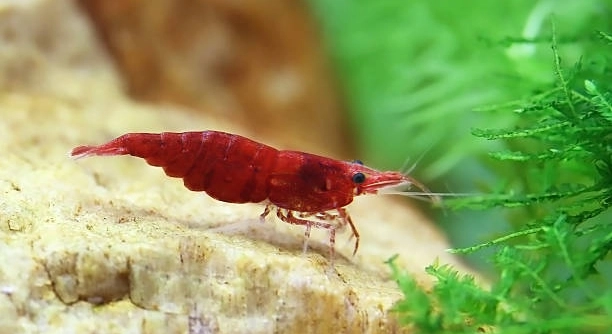
Do you ever notice your cherry shrimp moving differently when you approach the tank? Many shrimp owners observe small changes in behavior that seem linked to human presence near their aquariums.
Cherry shrimp can detect changes in their environment, including vibrations and shadows caused by nearby movement. This sensitivity allows them to respond when someone approaches, though it is not a conscious recognition of people. Their reactions are instinctive and primarily driven by survival mechanisms.
Observing these subtle behaviors can reveal fascinating insights about your shrimp’s awareness and the ways they interact with their surroundings.
How Cherry Shrimp Sense Movement
Cherry shrimp are extremely sensitive to changes in their environment. Their tiny antennae detect vibrations in the water, allowing them to sense someone moving nearby. Even small movements at the edge of the tank can make them pause or hide. Light changes also play a role. If your hand casts a shadow over the tank, the shrimp often respond quickly by swimming to cover. These reactions are instinctive, not conscious, but they are consistent across most cherry shrimp. Observing them over time reveals patterns in their behavior. Some shrimp may be bolder, exploring the tank despite shadows or movement, while others retreat immediately. Tank decorations and plants can influence how they respond. Open spaces make it easier for them to spot motion, while dense plants give them hiding spots. Even the frequency of movement affects their reactions; repeated disturbances may cause longer hiding periods.
Their sensitivity makes them very aware of their surroundings and changes nearby.
Watching how cherry shrimp respond to vibrations and shadows gives insight into their natural instincts and behavior. Over time, you may notice they start predicting where movement will happen, showing subtle learning patterns. This awareness is not conscious recognition of people but a survival mechanism. They rely on these cues to avoid threats and navigate the tank safely. Shrimp that are constantly exposed to sudden disturbances may become skittish and spend more time hiding, which affects feeding and growth. Adjusting how you approach the tank can reduce stress and encourage natural behavior. Providing plants and hiding spots creates a secure environment, making them more comfortable. Even small changes, like approaching slowly or avoiding sudden movements, can lead to noticeable differences in their activity. Understanding these patterns can improve both shrimp health and the enjoyment of observing them daily.
Signs Shrimp Notice Your Presence
Cherry shrimp often react by freezing, twitching, or swimming to cover when someone approaches.
These reactions are driven by instinct rather than awareness of individuals. When vibrations or shadows occur, shrimp respond immediately. Over time, repeated observation shows consistent patterns in their movement. This sensitivity helps them survive in nature, as quick responses to disturbances reduce the risk of predation. Even in a calm aquarium, their behavior mirrors what would happen in the wild, making it clear they are reacting to environmental cues. By paying attention to subtle signs, you can understand the shrimp’s comfort levels. Changes in lighting, tank activity, or nearby movement influence how they act, and observing these responses allows better care. Encouraging calm environments with predictable routines reduces stress. Simple measures, like gentle feeding and slow hand movements, let shrimp maintain their natural behavior without constant hiding. This understanding helps keep them healthy and active, improving both their lifespan and overall well-being in your care.
Understanding Shrimp Awareness
Cherry shrimp rely heavily on their senses to navigate their environment. Vibrations in the water and changes in light can trigger immediate reactions. Their antennae detect even the smallest disturbances, allowing them to move quickly or hide to feel safe and secure within the tank.
These tiny creatures have surprisingly sharp instincts. While they don’t recognize humans personally, they respond consistently to nearby movement. If you approach the tank too quickly, they may dart to the nearest plant or decoration. Over time, they can become accustomed to predictable activity, appearing calmer when regular routines are maintained. Observing them frequently helps identify these patterns, making it easier to provide a stress-free environment. Their reactions are natural and reflect their need for safety rather than conscious awareness.
Tank setup influences shrimp behavior significantly. Open spaces increase visibility, making them more reactive to shadows or movement, while dense plants give them cover and confidence. The placement of hiding spots, decorations, and even substrate type can affect how frequently they move or retreat. Temperature and water flow also impact activity levels, influencing their responsiveness to external changes. By adjusting the environment carefully, shrimp show more natural behaviors, allowing you to observe their instincts while minimizing stress. Proper feeding and gentle handling further contribute to a calm, active tank.
Creating a Comfortable Habitat
Providing plants and hiding spots is essential for cherry shrimp. They need safe areas to retreat when sensing disturbances or vibrations.
A well-structured tank supports both physical and behavioral health. Plants offer cover, reduce stress, and create microhabitats for exploration. Decorations, rocks, and moss enhance security and make movement safer, encouraging shrimp to forage actively. Proper filtration and gentle water flow prevent strong currents that could disturb them. Substrate choice affects comfort, as soft substrates allow natural digging behavior while hiding areas provide escape from perceived threats. By creating a stable, enriched environment, shrimp display more normal activity patterns. Consistent feeding schedules further reinforce comfort, helping them feel secure and lowering stress.
Environmental stability is critical for long-term shrimp well-being. Sudden changes in temperature, lighting, or water chemistry can trigger defensive responses, causing shrimp to hide or remain inactive. By monitoring water parameters closely and maintaining steady conditions, you reduce unnecessary stress. The arrangement of plants and decorations should consider both hiding spaces and open areas, providing balance for exploration and protection. Regular observation helps identify preferred spots and activity levels, allowing you to fine-tune the habitat. Calm handling and minimal disturbances encourage confidence, while thoughtful tank maintenance keeps shrimp healthy and active over time, supporting their natural behaviors consistently.
Recognizing Shrimp Signals
Cherry shrimp communicate subtly through movement and posture. Slight twitches, antennae flicks, or sudden stops often indicate awareness of nearby changes in their environment. Observing these cues helps understand their comfort and stress levels, allowing better care.
These signals are consistent and reliable. When a shrimp freezes or retreats, it is responding instinctively to vibrations or shadows. Over time, noticing these reactions can reveal patterns in how they react to daily tank activity. Recognizing these signs early can prevent stress and ensure shrimp remain healthy and active in their habitat.
How Light Affects Behavior
Lighting has a significant impact on shrimp activity. Bright or sudden changes often cause shrimp to hide, while gentle, consistent light encourages exploration and feeding. Controlling light cycles helps maintain natural behavior, reducing stress and promoting regular movement throughout the tank.
Feeding Reactions
Cherry shrimp often become more alert during feeding times. Their movements are quicker, and they may respond immediately to any nearby activity.
Tank Noise Influence
Excessive vibrations from pumps, filters, or nearby movement can make shrimp skittish. Minimizing sudden noise or disturbances creates a calmer environment, allowing shrimp to display natural behaviors without constant stress.
FAQ
Can cherry shrimp actually recognize me?
Cherry shrimp do not recognize humans personally. Their responses are driven by environmental cues like vibrations, shadows, and light changes. They react instinctively to movement near the tank, not because they identify individuals. Repeated exposure to calm routines may make them less reactive, giving the impression of recognition.
Why do my shrimp hide when I approach the tank?
Hiding is a natural response to perceived threats. Sudden movements, vibrations, or shadows make shrimp retreat to plants or decorations. Providing ample cover and maintaining predictable routines helps them feel secure, reducing the frequency of hiding over time.
Do shrimp respond to sound?
Cherry shrimp are sensitive to vibrations, which can include sounds transmitted through water. Loud noises, tapping on the tank, or shaking decorations can startle them. Gentle handling and minimizing sudden disturbances keep shrimp calm and more active.
How do light changes affect their behavior?
Sudden changes in light often trigger defensive responses. Bright or fluctuating lighting can cause shrimp to freeze or hide. Consistent lighting schedules and soft illumination encourage natural foraging behavior and reduce stress.
Can shrimp learn patterns of movement?
While they do not “learn” in the human sense, shrimp may adjust their behavior based on repeated environmental cues. For example, they may become accustomed to predictable feeding routines or gentle tank activity, appearing calmer during these times.
Why do some shrimp seem bolder than others?
Individual differences exist among shrimp. Some are naturally more exploratory, while others are cautious. Factors include age, health, tank setup, and previous exposure to disturbances. Creating a balanced environment allows both bold and shy shrimp to thrive.
Does tank setup influence how they react to people?
Yes, open spaces make shrimp more aware of shadows and vibrations, increasing reactivity. Dense plants, moss, and hiding spots provide security, reducing stress. Thoughtful placement of decorations and substrates promotes confidence and encourages natural behaviors like foraging.
How can I reduce stress for my shrimp?
Maintaining stable water parameters, gentle handling, and predictable feeding schedules are key. Avoid sudden movements or noises near the tank, and provide sufficient plants and hiding spots. Calm routines and minimal disturbances support overall health and natural activity.
Are there signs my shrimp are too stressed?
Excessive hiding, reduced movement, loss of appetite, or discoloration can indicate stress. Observing these behaviors consistently helps identify environmental issues. Adjusting light, reducing vibrations, and ensuring adequate cover often alleviates stress and encourages normal behavior.
Do cherry shrimp react differently to day and night cycles?
Shrimp are generally more active during low-light periods. Providing a consistent day-night cycle helps regulate activity and feeding patterns. Sudden changes in light can disrupt behavior, so gradual transitions and timers are recommended.
Can I interact with shrimp without stressing them?
Yes, by approaching the tank slowly, minimizing vibrations, and keeping a consistent routine. Feeding times are the best opportunity for observation, as shrimp are naturally more active and less prone to hiding. Regular, calm interaction encourages natural behavior.
Why do shrimp flick their antennae constantly?
Antennae flicking is a sensory behavior. Shrimp use their antennae to detect movement, vibrations, and chemical cues in the water. This behavior helps them navigate, find food, and avoid potential threats, showing how finely tuned their instincts are.
Is it normal for shrimp to freeze suddenly?
Yes, freezing is a defensive instinct. When they sense sudden changes or disturbances, freezing helps them remain undetected. Once the perceived threat passes, they resume normal activity. Frequent freezing may indicate environmental stress or excessive movement near the tank.
How can feeding routines help reduce stress?
Predictable feeding times create a sense of routine. Shrimp become accustomed to certain signals and feel safe enough to leave hiding spots. Consistent, gentle feeding allows observation of natural behaviors and encourages healthy activity throughout the tank.
Do shrimp notice when the tank is cleaned?
Yes, cleaning can create vibrations, shadows, and movement that trigger hiding. Minimizing disturbances during maintenance, performing tasks gently, and keeping cleaning routines consistent reduces stress and helps shrimp adjust quickly to changes.
Can shrimp detect shadows from people walking by?
Yes, sudden shadows often startle shrimp, triggering defensive reactions. Dense plants and hiding spots allow them to retreat quickly, while calm, predictable activity near the tank reduces frequent startle responses and promotes more relaxed behavior.
Are some tank materials better for shrimp comfort?
Soft substrates and natural decorations provide better sensory feedback and safer hiding spots. Rough or sharp materials can increase stress, while moss, plants, and smooth surfaces encourage exploration, foraging, and natural movement without injury.
Do shrimp react differently in groups versus alone?
Cherry shrimp are social creatures. Groups tend to show more confident movement and foraging behaviors, while isolated individuals may be more cautious and spend more time hiding. Group dynamics also influence how quickly they respond to environmental changes.
How long does it take for shrimp to get used to human presence?
Adjustment time varies by individual and tank conditions. Some shrimp may acclimate within days, while others take weeks. Consistent, calm interaction and minimal disturbances help them feel secure more quickly, allowing natural behaviors to emerge reliably.
Can feeding frequency affect their reactions?
Yes, shrimp that are fed consistently at predictable times show less stress and more confident movements. Irregular feeding may make them more cautious or skittish, as they become unsure of when it is safe to leave hiding spots and forage.
Are there signs of illness that mimic stress behavior?
Behavior like hiding or freezing can sometimes indicate health issues. Lethargy, unusual coloration, or lack of appetite alongside stress responses may suggest illness. Monitoring both behavior and physical condition is important for maintaining healthy shrimp.
Do shrimp have favorite areas in the tank?
Yes, they often select spots that provide cover and comfort. Observation over time reveals preferred hiding spots, feeding areas, and open spaces where they feel secure. Providing a variety of environments supports natural instincts and movement.
Is it normal for shrimp to explore near humans sometimes?
Yes, if they feel safe and the environment is calm. Some individuals may become bolder and forage near people during feeding times or predictable activity, showing adaptation to low-stress routines without fully recognizing humans.
How important is water quality for shrimp reactions?
Water quality directly affects stress and behavior. Stable parameters like temperature, pH, and ammonia levels reduce hiding and defensive responses. Poor water conditions increase skittish behavior, reduce feeding activity, and may contribute to long-term health problems.
Can shrimp sense other pets nearby?
Yes, vibrations from other animals, such as cats or dogs, can startle shrimp. They respond similarly to people, retreating to cover when sensing sudden disturbances. Proper tank placement and minimizing nearby activity help maintain calm behavior.
How can I tell if shrimp are comfortable in their habitat?
Active movement, regular foraging, and minimal hiding are good indicators. Calm responses to predictable tank activity show confidence, while frequent retreat or inactivity signals potential stress or environmental issues that need adjustment.
Do shrimp remember areas that are safer than others?
While not in a conscious sense, shrimp tend to favor areas that consistently provide cover and safety. Repeatedly hiding in the same spots demonstrates instinctive preference and environmental awareness, helping them feel secure and maintain normal behavior.
Can shrimp behavior indicate tank issues early?
Yes, changes in movement, hiding, or activity often reflect water quality, light, or noise problems. Observing shrimp behavior regularly provides clues about their habitat, allowing timely adjustments to improve comfort and overall well-being.
Do shrimp react to human shadows differently depending on the angle?
Yes, sudden shadows cast directly over them are more likely to trigger hiding. Shadows from the side or gradually changing light usually cause less stress, allowing shrimp to maintain normal activity with minimal disturbance.
Is it okay to approach the tank quickly sometimes?
Occasional quick movements may startle shrimp but won’t harm them if the environment is generally calm. Frequent sudden approaches increase stress, so slow, predictable movements are preferred for consistent observation and healthier behavior.
Do shrimp behave differently when resting?
Yes, shrimp reduce movement and antennae flicking when resting. They remain alert to environmental changes, but overall activity is lower. Providing safe, quiet areas ensures restful periods without triggering defensive responses.
Can shrimp recognize repeated feeding patterns visually?
Not visually in the human sense, but they respond to environmental cues associated with feeding. Shadows, vibrations, and the presence of food create predictable conditions that allow shrimp to emerge from hiding reliably.
How can I observe shrimp without disturbing them?
Use calm, slow movements and avoid tapping the tank. Observation during feeding or low-light periods works best, as shrimp are naturally more active. Minimal disturbance ensures authentic behavior and reduces stress.
Do shrimp react differently in planted tanks versus bare tanks?
Yes, planted tanks provide cover and microhabitats that reduce stress responses. Bare tanks leave shrimp exposed, making them more reactive to shadows, vibrations, and light changes. Proper tank design supports confident, natural behavior patterns consistently.
What is the best way to approach the tank for observation?
Slow, deliberate movements with minimal shadow casting work best. Approaching consistently during feeding or calm periods reduces stress and encourages shrimp to display normal behavior, allowing accurate observation without influencing their natural instincts.
How long do shrimp reactions to disturbances usually last?
Typically, shrimp resume normal activity within minutes once the perceived threat passes. Prolonged hiding may indicate repeated disturbances, stress, or water quality issues that need attention for long-term well-being.
Are younger shrimp more skittish than adults?
Yes, juveniles tend to be more cautious and hide more frequently. Adults are usually bolder but still respond instinctively to environmental cues. Providing safe spaces and consistent routines supports healthy development at all stages.
Do shrimp react to human hands differently when feeding versus non-feeding times?
During feeding, shrimp are generally bolder and less reactive to nearby movements. Outside feeding times, they are more cautious and likely to retreat. Understanding these patterns helps in minimizing stress and observing natural behavior consistently.
Can I tell the difference between curiosity and stress in shrimp?
Curiosity is subtle, often showing slow exploration and antennae flicking, while stress triggers rapid retreat, freezing, or constant hiding. Observing these behaviors over time clarifies whether shrimp are comfortable or reacting defensively to environmental changes.
Do shrimp react differently to multiple people near the tank?
Yes, multiple people increase vibrations and shadows, which can cause more frequent hiding. Limiting activity around the tank and maintaining calm, predictable routines reduces stress and encourages natural movement even with occasional human presence.
Can stress affect shrimp lifespan?
Chronic stress reduces feeding, increases hiding, and weakens immune response, which may shorten lifespan. Maintaining calm routines, safe habitats, and consistent water conditions supports longevity and overall health.
How often should I monitor shrimp reactions?
Regular observation during feeding and calm periods is sufficient. Frequent monitoring helps detect stress signs early, adjust environmental factors, and maintain optimal conditions for healthy, active shrimp behavior.
Do shrimp react differently if they have enough hiding spots versus limited cover?
Yes, sufficient hiding spots reduce stress and allow confident foraging, while limited cover increases skittish behavior. Proper tank design promotes natural activity, balancing security with open spaces for movement and exploration.
Can shrimp get used to certain hand movements over time?
Yes, predictable, gentle hand movements during feeding or maintenance help shrimp acclimate. Over time, they respond less defensively, showing calmer, more natural behavior while maintaining their instinctual awareness of the environment.
Are shrimp more sensitive during molting periods?
Yes, molting makes shrimp more vulnerable and cautious. They retreat to secure hiding spots, reduce movement, and become more reactive to disturbances. Providing safe, stable conditions during these times supports healthy molting and reduces stress.
Do shrimp notice changes in water flow?
Yes, sudden increases in water current can startle them. Gentle, consistent water movement encourages normal activity, while abrupt changes trigger hiding or defensive responses. Proper filtration and flow management are essential for comfort.
Can shrimp be trained to feel less stressed around humans?
While not trainable in a conscious sense, repeated calm exposure to predictable routines reduces stress reactions. Gradual, gentle interaction encourages shrimp to exhibit natural behaviors without constant hiding or defensive responses.
How do I know if shrimp are exploring confidently?
Active swimming, consistent antennae flicking, and foraging outside hiding spots indicate confidence. Reduced retreating and willingness to explore open areas reflect comfort with the environment and low stress levels.
Do shrimp respond to shadows differently depending on time of day?
Yes, during brighter periods they are more likely to hide, while during dimmer light, responses are subtler. Maintaining consistent light cycles helps regulate behavior and reduces unnecessary defensive reactions.
Can frequent disturbances make shrimp permanently skittish?
Yes, prolonged exposure to vibrations, sudden movements, or noise may cause chronic stress, resulting in increased hiding and reduced foraging. Calm routines and stable environments restore confidence over time but repeated disruptions can have lasting effects.
Are shrimp more active when alone or in groups?
Groups often display more confident exploration and foraging. Solitary shrimp tend to be more cautious, hiding more frequently. Social behavior influences reactions to environmental changes, making group dynamics important for observing natural behaviors.
Can shrimp distinguish between harmless and threatening vibrations?
Not precisely. They respond instinctively to most vibrations, regardless of source. Over time, they may become habituated to predictable, non-threatening movements, reducing defensive responses while maintaining vigilance against potential dangers.
Do shrimp show curiosity towards tank decorations?
Yes, exploring objects is natural. They inspect plants, rocks, and moss for food or shelter. Exploration is cautious initially but increases as they feel safe and familiar with their surroundings.
How do I know if shrimp are stressed from environmental factors?
Repeated hiding, lack of movement, irregular feeding, and color changes indicate stress. Monitoring behavior alongside water quality, lighting, and noise levels helps identify and address environmental issues promptly.
Can shrimp detect vibrations from outside the room?
Yes, strong vibrations, like footsteps or furniture movement, can travel through the floor and water, triggering hiding or freezing. Minimizing nearby disturbances supports calmer behavior.
Do shrimp prefer certain areas of the tank during high activity times?
Yes, they favor areas with cover during perceived disturbances. Open spaces are explored cautiously, usually after confirming safety. Strategic placement of hiding spots helps balance exploration with protection.
Is constant observation stressful for shrimp?
If done calmly and without sudden movements, observation is not stressful. Quick, repeated disturbances increase hiding behavior, so slow, consistent watching is best for monitoring natural behavior without inducing stress.
Do shrimp ever approach humans voluntarily?
Occasionally, during feeding or calm routines, shrimp may move closer to observe or forage. This is based on environmental cues, not recognition, and reflects reduced stress in a familiar, predictable habitat.
Can tank vibrations from pumps be too strong?
Yes, overly strong or irregular vibrations can startle shrimp repeatedly. Adjusting pump flow, adding dampeners, or placing equipment carefully minimizes stress while maintaining proper filtration and water movement.
How do shrimp respond to changing tank decorations?
Sudden rearrangements create unfamiliar areas, triggering hiding or caution. Gradual changes allow adaptation, reducing stress while maintaining exploration and natural behavior patterns.
Are shrimp reactions to humans consistent across species?
Most dwarf shrimp, including cherry shrimp, show similar instinctive responses. Sensitivity to movement, light, and vibrations is common, though individual and species differences in boldness may affect behavior slightly.
Do shrimp prefer calm water over flowing water?
Gentle flow is ideal, providing oxygen and circulation without excessive disturbance. Strong or turbulent currents cause hiding or erratic swimming, increasing stress and reducing normal activity.
Can shrimp sense my approach before I touch the tank?
Yes, vibrations through the floor, light changes, and shadow movement allow them to detect nearby presence. They react instinctively, retreating or freezing before any physical interaction occurs.
Do shrimp respond differently to consistent versus irregular feeding?
Consistent feeding builds predictable behavior, reducing stress and encouraging natural foraging. Irregular feeding creates uncertainty, increasing hiding and cautious activity, making it harder to observe normal shrimp behavior.
How do I know if shrimp are comfortable with my presence?
Calm, active swimming, regular foraging, and minimal hiding indicate comfort. Shrimp that explore near the tank without freezing or retreating show low stress and acclimation to environmental cues and human activity.
Can stress affect shrimp coloration?
Yes, stressed shrimp may display paler colors or blotching. Healthy, calm shrimp retain vibrant colors. Monitoring behavior and environmental factors helps identify causes of stress impacting coloration.
Do shrimp respond to other pets like fish differently than humans?
Responses are similar: sudden movements, shadows, or vibrations trigger hiding. They react instinctively, regardless of the source, but frequent exposure to non-threatening species may reduce skittish behavior over time.
Are shrimp reactions faster in smaller tanks?
Yes, vibrations and shadows propagate more quickly in smaller volumes, making shrimp more responsive. Larger tanks buffer disturbances slightly, providing more space to retreat and reducing constant stress.
Do shrimp react to tapping on the glass?
Yes, tapping causes vibrations that trigger hiding or freezing. Avoid tapping or sudden knocks to maintain calm behavior and prevent unnecessary stress.
Can frequent handling of the tank reduce shrimp activity?
Yes, repeated disturbances from maintenance or hand movements increase stress, causing prolonged hiding and less foraging. Gentle, minimal interference helps maintain natural behavior and active shrimp.
Do shrimp react differently to vertical versus horizontal movements nearby?
Vertical movements casting shadows directly over them are more startling. Horizontal movements at a distance may cause less reaction, though vibrations still trigger instinctive responses. Awareness of movement type helps minimize stress.
Can I tell if shrimp are curious or just startled?
Slow approach, cautious antennae flicking, and gradual movement indicate curiosity. Rapid retreat, freezing, or hiding reflects startle responses. Observing the context and frequency clarifies behavior and comfort level.
Do shrimp ever get used to people tapping on the tank?
Over time, predictable, gentle tapping may cause minimal reaction. Frequent, sudden taps increase stress. Consistency and gentleness help shrimp acclimate without impacting natural behaviors.
Are shrimp more active when I’m nearby or away?
Activity often increases during feeding or calm observation, but constant presence with disturbances may lead to hiding. Minimal, predictable interaction encourages normal movement without inducing stress.
Do shrimp react differently to people of different sizes?
Reactions depend on vibrations and shadows, not the person’s size. Sudden movement or nearby shadows trigger instinctive hiding, while calm, consistent approaches reduce stress regardless of who is near the tank.
How can I improve shrimp confidence near humans?
Maintain calm, predictable routines, provide hiding spots, and minimize sudden movement. Regular, gentle exposure allows them to explore safely while retaining instinctive awareness of potential disturbances.
Can shrimp be trained to approach humans for food?
They cannot be
Cherry shrimp are delicate and fascinating creatures that rely heavily on their senses to navigate their environment. They respond instinctively to vibrations, shadows, and changes in light, which helps them avoid potential dangers and find food. Observing these behaviors over time can reveal patterns in how they react to daily activity near the tank. While they do not recognize humans personally, they can become accustomed to predictable routines and calm approaches, appearing less skittish and more active. This ability to adjust to consistent environmental cues demonstrates how responsive and adaptable shrimp can be, even in small aquarium settings. Paying attention to their behavior can help you create a comfortable and secure habitat that supports both their physical and mental well-being.
Creating the right tank environment plays a major role in how cherry shrimp behave. Dense plants, moss, and decorations provide safe hiding spots that allow them to feel protected while exploring the tank. Open spaces, on the other hand, make them more aware of shadows and vibrations, increasing their instinctive reactions to movement. Maintaining stable water parameters, gentle filtration, and consistent light cycles further reduces stress and encourages natural activity. Feeding schedules also influence behavior, as shrimp tend to be bolder and more active when they anticipate food. Providing a balance of cover, open areas, and predictable routines ensures that shrimp can move freely while still feeling secure, which in turn promotes healthy growth, molting, and social interactions within the tank. Regular observation helps identify preferred areas and responses, allowing adjustments that improve comfort and reduce unnecessary stress.
Understanding cherry shrimp behavior requires patience and careful observation. Their subtle movements, antennae flicks, and hiding patterns are key indicators of their comfort and stress levels. By creating a calm, stable environment and minimizing sudden disturbances, you allow shrimp to display natural behaviors that reflect their instincts rather than fear. Over time, shrimp can appear more confident and active, exploring their surroundings and foraging without constant retreating. Even though they do not recognize humans in the way pets like cats or dogs do, gentle, predictable interaction helps them adapt to your presence. Paying attention to their responses not only improves their well-being but also provides a rewarding experience for anyone observing them. These tiny creatures may be small, but their behavior is complex and insightful, offering a glimpse into how instinct and environment shape daily life in a peaceful aquarium setting.

Hello,
If you enjoy the content that we create, please consider saying a "Thank You!" by leaving a tip.
Every little bit helps us continue crafting quality advice that supports the health, happiness, and well-being of pets around the world, for pets of all shapes, sizes, and species.
We really appreciate the kindness and support that you show us!