
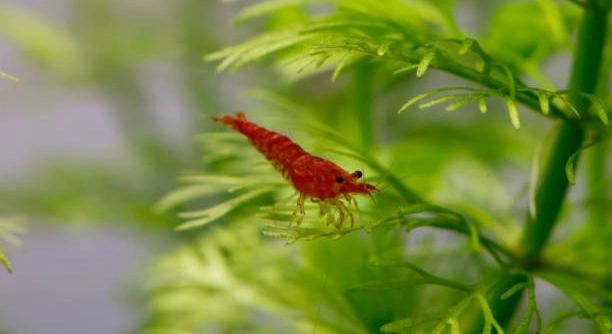
Are your shrimp not thriving as you expected in your tank? Observing your aquatic environment carefully can reveal subtle signs that indicate your tank may be too busy for your tiny inhabitants. These signals often go unnoticed.
A tank that is overcrowded or overstocked creates competition for food and shelter, increasing stress levels among shrimp. Limited space and excessive activity from other tank inhabitants can disrupt their natural behaviors and reduce overall shrimp health and survival rates.
Knowing the signs of a crowded tank helps you maintain a balanced environment. Paying attention now ensures your shrimp stay healthy and active over time.
Shrimp Hiding Constantly
Shrimp are naturally cautious, but when they hide most of the time, it may indicate your tank is too busy. Crowded tanks or aggressive fish can make shrimp feel unsafe, causing them to stay in shelters or among plants. Even during feeding times, they might avoid coming out, which can reduce their activity and growth. Observing your tank during the day and noticing that shrimp rarely appear is an important indicator. Overactive tank mates, sudden movements, or too much light can add to the stress. Hiding affects their ability to feed properly, impacting molting and overall health. Providing more hiding spaces can help, but persistent avoidance signals that the tank’s activity level is beyond what your shrimp can comfortably handle.
Shrimp that spend most of their time hidden are not just shy; they may be stressed by the tank’s activity level.
Monitoring behavior closely helps determine whether changes are needed to keep shrimp healthy and visible. Adjusting stocking levels and tank mates ensures they feel safe and supported in their environment.
Uneaten Food Accumulates
When food often remains uneaten, it may indicate shrimp cannot compete with faster or larger tank inhabitants. Crowded conditions increase feeding competition, leaving shrimp underfed while other species consume the majority. Excess food can also degrade water quality, creating a stressful environment that further discourages shrimp from feeding.
Uneaten food is a clear sign your shrimp may be struggling in a busy tank.
Tracking feeding habits over several days is key. Shrimp that rarely get to eat will show slower growth and may become weaker over time. Adjusting feeding methods, such as using smaller portions or targeted feeding near hiding areas, can improve access. Reducing tank population or separating more active species can also help. Observing how food is distributed and ensuring shrimp get their fair share supports their health. Proper feeding practices, combined with a less crowded environment, allow shrimp to thrive, molt properly, and maintain bright colors. Maintaining a balanced ecosystem in the tank is essential for the long-term well-being of these delicate creatures.
Molting Problems
Shrimp that struggle to molt may be stressed by a busy tank. Frequent disturbances or aggressive tank mates can prevent them from safely shedding their exoskeleton, which is essential for growth and health.
Molting is a delicate process that requires calm and secure conditions. In a tank with too much activity, shrimp may delay or fail to molt, leading to stunted growth or even death. Signs include incomplete molts, old shells remaining stuck, or shrimp hiding for extended periods. Stress from overcrowding or overactive fish prevents them from feeling safe enough to undergo this necessary process, which can have long-term consequences on their development and overall vitality.
Providing ample hiding spots and reducing tank activity supports successful molting. Shrimp require areas where they can remain undisturbed during this vulnerable period. Regular observation helps ensure they molt safely and maintain healthy growth. Adjustments to stocking levels, tank mates, and environment can improve conditions for proper molting, keeping shrimp strong and thriving.
Faded or Dull Color
Shrimp in overly busy tanks often lose their vibrant color. Stress and competition for resources affect their natural pigmentation, leaving them looking pale or dull.
Color loss is a visible sign that the shrimp are experiencing environmental stress. When tanks are overcrowded or have aggressive inhabitants, shrimp may conserve energy and nutrients instead of maintaining bright colors. This fading can also indicate insufficient access to high-quality food or limited space for natural behaviors, both of which impact overall health.
Ensuring shrimp have a calm environment and regular, nutritious feeding helps restore their coloration. Adequate plants and hiding spaces reduce stress, allowing them to regain vibrancy over time. Monitoring tank conditions closely and making adjustments when signs of stress appear is essential for keeping shrimp healthy and visually striking. Proper care promotes natural coloration, encouraging active behavior and longevity.
Shrimp Avoiding Certain Areas
Shrimp often stay away from open areas if the tank feels too busy. They may cluster in corners, under plants, or behind decorations to feel safer.
Avoidance of certain areas is a sign that shrimp perceive threats. Overactive or aggressive tank mates can make open spaces stressful, limiting their movement and feeding opportunities.
Stunted Growth
Shrimp in overcrowded tanks may show slower growth compared to others. Limited access to food and frequent stress can hinder their development over time. Proper space and a calm environment are essential for consistent growth and healthy molting cycles.
High Mortality Rate
A busy tank can lead to increased shrimp deaths. Stress, competition, and aggression reduce their survival chances.
FAQ
How do I know if my tank is too crowded for shrimp?
Shrimp show several signs when their tank is overcrowded. They may hide constantly, avoid open areas, or fail to molt properly. Uneaten food and faded colors are also indicators. Observing behavior over several days gives a clear picture of whether the tank is too busy.
Can aggressive fish affect shrimp health?
Yes, aggressive or fast-moving fish can stress shrimp, causing hiding, stunted growth, and even death. Stress affects feeding habits, molting, and coloration. Ensuring peaceful tank mates and providing hiding spaces helps shrimp feel secure and supports their overall health.
Why do shrimp hide all the time?
Shrimp hide when they feel unsafe. A busy tank with too many inhabitants or strong fish can make them retreat constantly. Hiding reduces stress but limits feeding and activity. Providing plants, caves, or decorations gives them safe spaces to come out gradually.
What causes shrimp to have trouble molting?
Molting requires calm conditions. Overcrowding, disturbances, or stress can prevent shrimp from shedding their exoskeleton. Failed or incomplete molts stunt growth and increase vulnerability. Quiet areas with hiding spots are essential for successful molting and long-term health.
Why is my shrimp’s color fading?
Stress and limited nutrition often cause shrimp to lose vibrant coloration. Overactive tank mates, overcrowding, or insufficient high-quality food can result in pale or dull shrimp. Calm conditions, balanced diet, and proper hiding areas encourage natural coloration over time.
How can I reduce competition for food in my tank?
Feed shrimp in areas where they can access food without being chased or blocked by other inhabitants. Using smaller, frequent feedings or placing food near hiding spots ensures they get proper nutrition. Reducing overcrowding also minimizes competition and stress.
Is stunted growth a common sign of a busy tank?
Yes, shrimp in overcrowded or high-activity tanks often grow slower. Stress, limited space, and food competition impact development. Ensuring adequate room and low-stress conditions promotes healthy growth, proper molting, and stronger shrimp over time.
What can I do if my shrimp are dying frequently?
High mortality often stems from stress, overpopulation, or aggressive tank mates. Remove overly active species, provide hiding spots, and check water quality regularly. Maintaining a calm, well-balanced environment is crucial for survival and long-term shrimp health.
How important is tank layout for shrimp well-being?
Tank layout plays a key role in reducing stress. Plants, moss, and hiding spaces give shrimp security, encourage natural behavior, and protect them from fast or aggressive tank mates. A thoughtfully arranged environment supports feeding, molting, and overall health.
Can overcrowding affect shrimp reproduction?
Yes, crowded or stressful tanks reduce breeding activity. Shrimp need calm conditions and access to food to reproduce successfully. Too many inhabitants or aggressive species can prevent females from carrying eggs or cause early mortality among young shrimp.
How often should I monitor shrimp behavior?
Daily observation is recommended. Watch for hiding, color changes, feeding issues, or molting problems. Early detection of stress or overcrowding allows adjustments to stocking, feeding, or tank layout before long-term health problems occur.
Are there any quick fixes for a busy tank?
Immediate fixes include adding hiding spots, targeted feeding near shelters, and reducing aggressive tank mates. Long-term solutions often require adjusting stocking levels, improving water quality, and redesigning tank layout to ensure shrimp feel safe and secure.
What is the ideal shrimp population for a tank?
The ideal population depends on tank size, filtration, and other inhabitants. Overcrowding leads to stress and competition. Research the species’ needs and avoid exceeding recommended numbers to maintain a balanced, healthy environment.
Can water quality worsen in a busy tank?
Yes, overcrowding increases waste, which can raise ammonia and nitrite levels. Poor water quality stresses shrimp, affecting feeding, molting, and survival. Regular testing and proper filtration help maintain a safe environment.
How can I encourage shy shrimp to explore the tank?
Provide safe hiding spots initially, then gradually offer food in open areas. Reducing tank activity and giving shrimp time to acclimate encourages them to venture out and feed while minimizing stress.
Does tank size matter for shrimp health?
Smaller tanks limit space, increasing stress and competition. Larger tanks provide room for hiding, feeding, and natural behaviors, reducing stress and improving molting, growth, and coloration. Proper tank size supports overall shrimp well-being.
Can plant density affect shrimp behavior?
Yes, dense plants give shrimp security and reduce exposure to fast or aggressive tank mates. Sparse plants can leave shrimp feeling exposed, increasing hiding and stress. A balanced mix of open areas and cover promotes healthy activity and feeding.
What are the signs of stress besides hiding?
Other signs include faded color, stunted growth, failed molts, low activity, and uneaten food. Observing these behaviors together helps determine if the tank is too busy or if adjustments are needed.
How long does it take for shrimp to recover from stress?
Recovery depends on the severity of stress, tank adjustments, and water quality. Providing calm conditions, proper feeding, and hiding spots allows shrimp to regain activity, coloration, and normal molting patterns over several weeks.
Can reducing fish numbers improve shrimp health?
Yes, fewer aggressive or fast-moving fish reduces stress, competition, and hiding behavior. Shrimp are more likely to feed, molt successfully, and display natural colors in a calmer, less crowded environment.
What role does feeding frequency play?
Frequent, smaller feedings help shrimp get adequate nutrition without competition. Targeted feeding near shelters ensures they can access food safely and reduces stress caused by faster tank mates.
Is hiding behavior always bad?
Not always. Occasional hiding is normal, but constant hiding indicates stress from overcrowding or aggressive species. Providing safe spaces and monitoring behavior ensures hiding remains a natural, non-stressful activity.
How do I know if shrimp are stressed from tank activity?
Look for persistent hiding, faded color, stunted growth, molting issues, and uneaten food. Combining these signs with observation of tank dynamics helps identify whether activity levels are too high.
Can tank decorations help reduce stress?
Yes, decorations, caves, and plants create secure areas for shrimp. Proper placement allows them to feed, molt, and explore safely while avoiding disturbances from active or aggressive tank mates.
Are there environmental adjustments that improve shrimp behavior?
Adjusting water flow, adding plants, creating hiding spots, and reducing light intensity can reduce stress. Calmer conditions allow shrimp to feed and molt naturally while minimizing negative effects from tankmates.
How do I balance shrimp and fish in the same tank?
Choose peaceful, slow-moving fish that won’t compete for food or chase shrimp. Ensure enough space and hiding spots to allow both species to coexist without constant stress or aggression.
What’s the best way to observe shrimp activity?
Watch the tank during feeding and throughout the day. Note how often shrimp emerge, where they hide, and whether they access food properly. This helps identify stress, overcrowding, or health issues early.
Can stress affect shrimp lifespan?
Yes, chronic stress from overcrowding, poor water quality, or aggressive tank mates reduces lifespan, weakens immunity, and increases susceptibility to disease. Proper tank management is essential for longevity and overall health.
How quickly should I act if I notice stress signs?
Immediate action is important. Adjust tank population, create hiding spots, or separate aggressive species. Early intervention prevents long-term health problems and ensures shrimp continue to thrive in their environment.
What long-term measures keep shrimp healthy in a busy tank?
Maintain proper stocking levels, calm tank mates, good water quality, adequate hiding spots, and consistent feeding routines. Regular monitoring allows early detection of stress, promoting molting, growth, and natural behavior for long-term shrimp well-being.
Are there signs of stress specific to certain shrimp species?
Yes, some species are more sensitive to water quality, light, or tank mates. Observing species-specific behavior helps determine whether environmental adjustments are needed for optimal health.
Can changing water parameters reduce stress?
Stable water parameters are crucial. Sudden shifts in pH, temperature, or hardness can stress shrimp, making overcrowding effects worse. Consistent, suitable conditions reduce hiding, improve feeding, and support molting.
How do I gradually adjust a busy tank for shrimp?
Reduce tankmates slowly, add hiding areas, and monitor shrimp behavior. Gradual changes prevent additional stress while improving access to food and creating a safer, more balanced environment.
Do shrimp prefer certain areas of the tank?
Yes, they often favor shaded corners, dense plants, or sheltered spaces. Busy tanks force them into hiding, limiting activity and feeding. Ensuring these areas are accessible helps them thrive.
Can stress affect shrimp breeding?
Stress reduces mating and egg survival. Overcrowding, aggressive tank mates, and limited food prevent females from carrying eggs or cause early mortality in juveniles. Calm, balanced conditions support reproduction.
Is it normal for shrimp to compete for food?
Mild competition is normal, but constant stress from overcrowding or faster tank mates prevents fair feeding. Proper feeding techniques and sufficient space help reduce excessive competition.
How do I know if hiding spots are enough?
Observe if shrimp consistently retreat despite available cover. Persistent hiding or avoidance indicates that more or better-placed hiding spaces are needed.
Can lighting affect shrimp behavior?
Too bright lighting can stress shrimp, causing hiding or reduced activity. Moderate or shaded lighting combined with plants or decorations encourages exploration and normal behavior.
What should I do if shrimp stop eating?
Check for stress signs, water quality, tankmates, and overcrowding. Provide targeted feeding near shelters and ensure calm conditions. Persistent refusal to eat signals environmental adjustments are needed immediately.
How often should I clean the tank to reduce stress?
Regular maintenance is essential but avoid sudden, aggressive cleaning. Weekly partial water changes, debris removal, and filter checks maintain water quality without disturbing shrimp.
Do shrimp need companions of their own kind?
Yes, shrimp feel more comfortable in small groups. However, overcrowding causes stress. Keep balanced numbers and ensure enough space for each individual to thrive.
Can temperature fluctuations cause stress?
Yes, sudden or extreme temperature changes stress shrimp, affecting feeding, molting, and color. Stable, appropriate temperatures are critical for healthy behavior and growth.
Is hiding behavior affected by feeding times?
Yes, shrimp may avoid areas during feeding if tankmates dominate. Targeted feeding near shelters helps them eat without stress, improving health and activity levels.
What are the long-term effects of chronic stress?
Chronic stress leads to stunted growth, failed molts, faded colors, reduced reproduction, and higher mortality. Addressing tank activity, overcrowding, and environment promptly prevents these long-term consequences.
How do I know if shrimp are adapting to a busy tank?
Signs of adaptation include regular feeding, molting, natural coloration, and occasional exploration outside hiding spots. Persistent hiding, stress behaviors, or slow growth indicate the tank is still too busy.
Can I mix shrimp species safely in a busy tank?
Some species mix well, but overcrowding or competition for food can still cause stress. Ensure compatible species and enough space to maintain calm conditions for all inhabitants.
What’s the best way to introduce new shrimp?
Acclimate them slowly to water conditions and tankmates. Provide hiding spots and feed near shelters. Gradual introduction reduces stress and prevents competition or aggression from existing inhabitants.
How do I monitor shrimp health without disturbing them?
Observe behavior, color, feeding patterns, and molting from a distance. Minimal interference allows accurate assessment of stress, overcrowding, or environmental issues without adding pressure.
Are there warning signs I might miss at first?
Yes, subtle changes like slightly faded color, slower movement, or minor hiding may indicate early stress. Early observation and intervention prevent more serious problems over time.
Can adding plants alone reduce stress?
Plants help but aren’t a complete solution. Combine hiding spots, calm tankmates, balanced feeding, and proper water quality for effective stress reduction.
How do I know if my shrimp feel safe?
Active movement, regular feeding, normal coloration, and molting indicate comfort. Persistent hiding, pale colors, or stunted growth show the tank is still too busy.
What adjustments have the biggest impact on shrimp well-being?
Reducing overcrowding, adding hiding spots, choosing peaceful tankmates, maintaining water quality, and providing targeted feeding significantly improve shrimp behavior, molting, growth, and coloration over time.
Is shrimp behavior a reliable indicator of tank stress?
Yes, behavior is one of the clearest signs. Hiding, avoiding areas, stunted growth, faded color, and uneaten food reflect how well the tank meets their needs. Proper observation allows timely corrections to maintain health.
How long does it take to see improvements after changes?
Changes like added hiding spots, reduced tankmates, or better feeding can show improvements in activity, color, and molting within days to weeks, depending on stress severity and shrimp species.
Can stress lead to disease?
Yes, stressed shrimp are more susceptible to bacterial or fungal infections. Maintaining calm conditions, proper nutrition, and stable water parameters reduces the risk of illness.
Are there behavioral differences between species under stress?
Yes, some species hide more, molt less frequently, or lose color faster under stress. Knowing species-specific tendencies helps identify overcrowding or environmental issues early.
How do I prevent stress in a new tank setup?
Acclimate slowly, provide plants and hiding spots, ensure water quality is stable, and avoid overcrowding. Peaceful tankmates and gradual introductions minimize stress from the start.
Can stress affect shrimp appetite permanently?
Chronic stress may lead to long-term feeding issues, stunted growth, and poor molting. Addressing environmental factors quickly helps restore normal appetite and health.
What are the easiest early signs of a busy tank?
Constant hiding, uneaten food, and faded colors are often the first visible indicators. Observing shrimp daily helps identify and resolve issues before they worsen.
Are there tools to monitor shrimp stress more effectively?
Visual observation, water testing kits, and monitoring molting frequency help track stress. Logging behavior and growth trends provides clear insights into tank conditions.
Can stress affect juvenile shrimp differently than adults?
Yes, juveniles are more sensitive to overcrowding, aggression, and water quality changes. They may hide more, grow slower, or fail to molt compared to adults. Proper care is critical for their development.
Is hiding behavior linked to tank lighting?
Bright or harsh lighting can increase hiding. Moderate lighting with shaded areas and plants allows shrimp to feel safe while maintaining natural activity and feeding behavior.
How important is consistent monitoring?
Daily observation ensures early detection of stress, overcrowding, or molting issues. Consistency allows timely interventions, supporting shrimp health, growth, and survival.
Can adjusting tank flow reduce stress?
Yes, strong currents can stress shrimp, pushing them into hiding. Adjusting flow to gentle levels allows normal movement, feeding, and molting.
Are some tankmates better for shrimp than others?
Peaceful, slow-moving species are ideal. Aggressive or fast fish increase stress, reduce feeding opportunities, and impact growth. Choosing compatible tankmates ensures a calm environment.
How does water chemistry affect stress levels?
Stable pH, temperature, and hardness prevent stress. Sudden changes or poor quality worsen overcrowding effects, leading to hiding, poor feeding, and health problems.
Can adding more food reduce stress?
More food alone won’t solve stress from overcrowding or aggression. Targeted feeding and calm conditions are more effective in improving shrimp behavior and health.
Is stress reversible in shrimp?
Yes, with proper environmental adjustments, calm tankmates, hiding spots, and targeted feeding, shrimp can regain color, growth, activity, and normal molting.
How long should shrimp acclimate to a new environment?
Acclimation may take several days to weeks. During this time, provide hiding spots, gentle lighting, and minimal disturbances to reduce stress and encourage exploration.
Can overcrowding affect molting frequency?
Yes, stress and limited space can delay or prevent molting. Shrimp need calm conditions, hiding spots, and minimal disturbances to molt successfully.
What behavioral changes indicate recovery?
Increased movement, regular feeding, brighter colors, and successful molts show shrimp are adapting well and recovering from stress or overcrowding.
How often should hiding spots be refreshed or rearranged?
Occasionally changing decorations or adding new plants keeps shrimp engaged and provides new safe areas, supporting natural behavior and reducing stress without startling them.
Can stress cause aggressive behavior in shrimp?
While shrimp are generally peaceful, stress may increase competition for food or shelter. Ensuring sufficient hiding spots and calm tankmates reduces conflict.
How important is water temperature stability?
Critical. Fluctuating temperatures stress shrimp, affecting feeding, molting, and growth. Stable conditions are necessary for overall well-being.
Are there visual signs of stress specific to molting?
Incomplete or failed molts, stuck shells, and prolonged hiding during molting are direct signs of stress affecting their growth process.
Does tank size affect juvenile shrimp more than adults?
Smaller tanks stress juveniles disproportionately due to limited space and higher competition, impacting growth and survival more than adults.
Can stress impact shrimp lifespan?
Chronic stress reduces immunity, slows growth, and increases mortality. Calm, balanced environments are essential for longevity and health.
How do I prevent stress during feeding?
Use smaller, frequent feedings near hiding spots, reduce aggressive tankmates, and monitor distribution to ensure all shrimp can access food safely.
Can changing tank decorations reduce hiding behavior?
Yes, strategically placed plants, caves, and shelters allow shrimp to explore safely, reducing excessive hiding and promoting natural activity.
Is stress more noticeable in certain shrimp species?
Some species hide more, molt less frequently, or fade faster under stress. Recognizing species-specific responses helps identify and correct tank issues.
How can I tell if shrimp are comfortable in a mixed-species tank?
Active movement, normal feeding, and regular molting indicate comfort. Persistent hiding or stress behaviors suggest the tank is too busy or incompatible.
Does water flow intensity affect shrimp behavior?
Strong currents push shrimp into hiding, disrupt feeding, and increase stress. Gentle flow allows natural movement, feeding, and molting.
Can lighting changes alone improve behavior?
Moderate lighting with shaded areas supports exploration and reduces hiding, but combined adjustments to tankmates, hiding spots, and feeding provide better overall results.
How do I balance multiple shrimp species in one tank?
Ensure compatible species, adequate space, and hiding spots. Monitor behavior closely and adjust feeding and stocking to prevent stress, competition, and overcrowding.
What is the first step to take when noticing stress?
Identify the source, such
Managing a shrimp tank requires careful observation and attention to detail. Shrimp are small, delicate creatures that rely on a stable and calm environment to thrive. A tank that is too busy, whether due to overcrowding, aggressive tank mates, or poor layout, can create stress that affects their feeding, molting, growth, and coloration. Even subtle signs, like hiding more often, faded colors, or uneaten food, can indicate that the tank is not ideal for them. Addressing these issues early is essential for maintaining a healthy population. Ensuring there is enough space, providing plenty of hiding spots, and choosing compatible tank mates are fundamental steps to prevent stress. The overall health of the tank is closely linked to shrimp behavior, so consistent observation and small adjustments can make a significant difference in their well-being.
Providing proper care involves more than just monitoring shrimp activity. Feeding practices, water quality, and tank layout all play a critical role in their health. Overcrowded tanks or fast-moving fish can limit access to food, reduce growth rates, and disrupt molting cycles, which are essential for shrimp development. By paying attention to these factors, you can create an environment where shrimp feel safe and can thrive naturally. Adding plants, moss, or small decorations gives them spaces to hide and explore, helping them feel secure even in a more active tank. Regular feeding near these areas ensures that shrimp can access nutrition without being stressed by other inhabitants. This approach not only supports physical health but also encourages natural behaviors, such as foraging and molting, which are vital for long-term survival and vitality.
Maintaining a balanced shrimp tank is an ongoing process. Monitoring shrimp behavior, adjusting stocking levels, and observing water parameters should be done consistently to prevent stress and health problems. Changes should be gradual, whether adding hiding spaces, adjusting tank mates, or modifying feeding routines, to avoid additional stress. Over time, these small improvements can result in healthier, more active, and visually vibrant shrimp. By recognizing the signs of a busy tank and taking proactive measures, you ensure that shrimp can live in an environment that supports their natural behavior and growth. A well-maintained tank not only benefits the shrimp but also makes the tank more enjoyable to observe, creating a peaceful and thriving aquatic community. Consistency, attention to detail, and a calm approach are key to keeping shrimp healthy and ensuring their environment remains balanced and sustainable.

Hello,
If you enjoy the content that we create, please consider saying a "Thank You!" by leaving a tip.
Every little bit helps us continue crafting quality advice that supports the health, happiness, and well-being of pets around the world, for pets of all shapes, sizes, and species.
We really appreciate the kindness and support that you show us!