
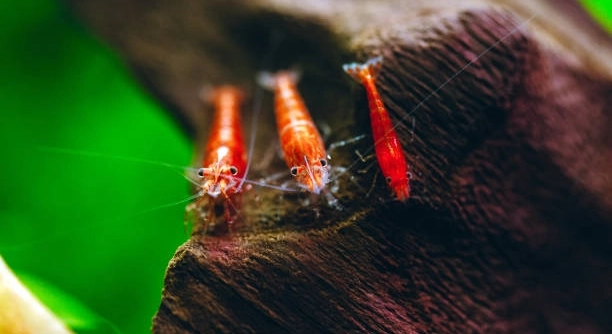
Pregnant cherry shrimp display fascinating changes in their behavior as they prepare for motherhood. Observing these small creatures can reveal subtle signs of stress, feeding patterns, and social interactions that differ from their usual routines.
Pregnant cherry shrimp exhibit unique behaviors including increased hiding, frequent grazing, tail curling, swaying motions, heightened sensitivity to light, reduced swimming activity, and meticulous grooming. These actions are primarily driven by reproductive needs and the protection of developing eggs.
Noticing these behaviors can enhance your care for them and improve the wellbeing of both the shrimp and their future offspring.
Increased Hiding Behavior
Pregnant cherry shrimp often spend more time hiding than usual. They seek secluded spots among plants, rocks, or aquarium decorations to feel safe while carrying eggs. This behavior helps reduce stress and protects them from potential threats in the tank. I noticed that when my shrimp became gravid, they preferred dense moss and crevices. They rarely ventured into open spaces during this time. Hiding is not just a response to perceived danger—it’s a natural instinct tied to reproduction. Observing their chosen hiding spots can give you clues about their comfort level and the health of the tank. Overcrowding or sudden changes in water conditions can make them retreat even further. Providing plenty of hiding places ensures the shrimp feel secure. Adjusting the tank layout to accommodate more shelters can reduce stress and encourage natural behaviors. Hiding may seem passive, but it is a critical strategy for protecting developing eggs.
Paying attention to hiding behavior allows for early detection of stress and ensures pregnant shrimp remain healthy until hatching.
Noticing when your shrimp prefer certain spots helps in arranging the tank better and maintaining proper conditions.
Tail Curling
Tail curling is a common sign in pregnant cherry shrimp. It involves the tail bending underneath the body, often as eggs develop in the abdomen. This movement seems subtle but is quite frequent in gravid females. It is particularly noticeable when the shrimp is stationary or feeding slowly. Tail curling helps the shrimp manage the weight of the eggs and maintain balance in the water. I observed that the more pronounced the curling, the closer they were to releasing their young. The motion is controlled and repeated, showing a deliberate adjustment rather than random movement. The shrimp may also sway slightly while curling to keep water flowing over the eggs, which aids in oxygenation. Providing calm conditions with minimal disturbances allows them to perform this behavior without stress. Observing tail curling can help predict hatching times and adjust feeding or water changes to avoid interrupting them.
Tail curling is a subtle but important indicator of egg development and shrimp readiness for hatching.
This behavior, combined with hiding and reduced swimming, forms a pattern that shows the shrimp are focused on reproduction. Tail curling also helps ensure eggs remain attached safely beneath the body. Monitoring this can improve your care routine and reduce risks during the final stages before the eggs hatch. Understanding these patterns lets you anticipate their needs and adjust the tank environment accordingly, which can lead to healthier offspring and more natural behavior overall.
Swaying Motions
Pregnant cherry shrimp often sway gently while stationary. This movement helps circulate water around their eggs, ensuring proper oxygenation and preventing fungal growth. It can appear subtle but is consistent and purposeful, especially when the shrimp is hiding or resting.
Observing this behavior, I noticed my shrimp often remain in one spot while performing slow side-to-side motions. The swaying increases during feeding breaks or when they are undisturbed in moss. It is more noticeable in tanks with calm water flow, as strong currents reduce the frequency. Swaying is a natural adjustment to support egg development and shows that the shrimp is healthy and focused on reproductive care. Providing a stable environment without sudden water disturbances allows the shrimp to perform these motions safely.
Swaying motions also indicate overall tank health. When the water quality or temperature fluctuates, the shrimp may stop swaying, signaling stress. Monitoring this behavior can guide adjustments to maintain optimal conditions. It is a small but telling sign that the shrimp are managing egg care efficiently, helping you track their reproductive progress.
Heightened Sensitivity to Light
Pregnant cherry shrimp become more sensitive to light, often avoiding brightly lit areas in the aquarium. They prefer shaded or densely planted sections, which offer protection from perceived threats and reduce stress on developing eggs.
In my experience, gravid females will retreat immediately when lights are turned on or when bright reflections appear on the tank glass. This heightened sensitivity is an adaptive behavior to safeguard the eggs from sudden disturbances. Bright lights can trigger rapid movements or hiding, which can strain the shrimp. Maintaining soft lighting or providing floating plants can help minimize stress. This adjustment ensures the shrimp feel secure, reducing risks of egg loss or poor development.
Light sensitivity also affects feeding patterns. Pregnant shrimp may eat less when exposed to strong light, so arranging feeding in shaded areas encourages consistent nutrition. Observing these patterns helps in creating a calm environment, supporting both the health of the mother and proper egg development. Adjusting tank lighting and using plants or decorations as cover can significantly improve survival rates for the young. It also allows for natural behaviors like hiding, swaying, and tail curling to occur without disruption.
Reduced Swimming Activity
Pregnant cherry shrimp often swim less and stay near the bottom or in plants. This behavior helps conserve energy and reduces stress while carrying eggs, ensuring their safety during the gestation period.
I noticed that my gravid shrimp would linger in one spot for long periods. Swimming only when necessary, they appear calmer and more deliberate in movements. This reduction in activity minimizes exposure to currents and potential tank disturbances, allowing them to focus on egg care.
Meticulous Grooming
Pregnant cherry shrimp spend more time cleaning their bodies, especially around the abdomen and tail. Grooming keeps eggs free from debris, preventing fungal growth and promoting healthy development. Regular brushing of their antennae and legs also ensures proper feeding and movement, supporting overall health during pregnancy.
Feeding Adjustments
During pregnancy, cherry shrimp often modify their feeding habits, eating smaller amounts more frequently. This helps prevent overeating and maintains energy levels needed for egg development.
Protective Positioning
Gravid shrimp often position themselves near crevices or under leaves, creating a safe microenvironment. This behavior helps shield eggs from disturbances and provides a secure area for eventual hatching.
How long does a cherry shrimp stay pregnant?
Pregnant cherry shrimp usually carry eggs for about 3 to 4 weeks, depending on water temperature and overall health. I noticed in my tank that warmer water slightly speeds up the process, while cooler temperatures slow it down. The eggs gradually develop under the abdomen, and the shrimp may hide more during this period. Monitoring their behavior can give clues about when hatching is near, as they often reduce movement, curl their tails, and sway gently. Ensuring stable water conditions helps maintain a predictable gestation period.
What do the eggs look like?
Cherry shrimp eggs are tiny, oval, and usually greenish or yellowish. In my experience, healthy eggs remain firmly attached beneath the tail and appear slightly translucent at first, becoming darker as development progresses. Unhealthy eggs can become cloudy or fall off, which is often a sign of stress or poor water conditions. Observing the eggs regularly allows you to identify any issues early. I noticed that proper feeding and calm conditions encourage the shrimp to keep the eggs clean and well-oxygenated. Providing plenty of moss or fine plants gives the female places to settle while keeping the eggs safe.
Do pregnant shrimp eat more?
Pregnant cherry shrimp may adjust their eating rather than eat more. They tend to nibble smaller amounts frequently, focusing on easily digestible food. In my tank, I saw gravid females graze on biofilm and soft algae more than pellets. This behavior helps maintain energy without overloading their system. Ensuring a variety of foods, like blanched vegetables or shrimp-specific flakes, supports egg development. Sudden changes in diet can stress them, so gradual introductions of new foods work best. Feeding in shaded areas encourages eating while still allowing the shrimp to feel safe.
Can stress affect pregnancy?
Stress can significantly affect a cherry shrimp’s pregnancy. Frequent disturbances, sudden water changes, or aggressive tank mates may cause them to hide excessively or even drop eggs. I noticed my gravid shrimp preferred secluded corners during stressful periods, minimizing movement and activity. Stable water conditions, proper filtration, and gentle handling reduce risks. Stress can delay egg development or impact hatching success, so maintaining a calm environment is crucial. Observing behavioral changes like hiding, swaying, or reduced swimming helps detect stress early and allows for quick adjustments to improve outcomes.
How can I tell when the eggs are about to hatch?
Eggs nearing hatching often darken and show visible eyes of the developing shrimp inside. I noticed my shrimp become more active just before hatching, shifting slightly while remaining in hiding spots. The tail may uncurl occasionally, and swaying motions become more frequent. Maintaining stable water conditions during this period is important, as sudden changes can harm the developing juveniles. Providing moss or fine-leaf plants gives the hatched shrimp immediate cover and food sources. Observing these signs allows you to anticipate the arrival of baby shrimp and prepare the tank accordingly.
Do pregnant shrimp interact differently with other shrimp?
Pregnant shrimp often become less social and avoid close contact with other shrimp. In my tank, gravid females tended to isolate themselves in plants or crevices, rarely joining group feeding or swimming activities. This behavior reduces stress and protects eggs. Male shrimp may still approach, but females usually ignore interactions. Understanding these social changes helps prevent accidental disturbances and ensures the eggs remain secure. Providing enough hiding spaces and reducing tank overcrowding supports natural behaviors and protects pregnant shrimp throughout their gestation.
What is the best way to care for a pregnant cherry shrimp?
Caring for pregnant cherry shrimp involves stable water conditions, plenty of hiding spots, a calm environment, and a balanced diet. I ensure my tank maintains consistent temperature, pH, and filtration while avoiding sudden disturbances. Moss and dense plants give shrimp safe areas to rest. Feeding small amounts frequently keeps them nourished without stressing the digestive system. Observing behaviors like hiding, swaying, and tail curling allows me to adjust conditions as needed. Regular monitoring and gentle care help ensure the shrimp carry eggs successfully to hatching.
Can pregnant shrimp die from poor water quality?
Yes, poor water quality can be fatal for pregnant cherry shrimp. High ammonia, nitrite, or nitrate levels, or sudden pH changes, can stress them and lead to egg loss or death. I always test my tank weekly and perform small, consistent water changes to maintain safe conditions. Using gentle filtration prevents strong currents that might disturb hiding females. Providing a clean, stable environment is the most important factor in supporting both the mother and developing eggs. Regular observation ensures problems are detected early and corrective measures can be applied promptly.
Are there signs that a shrimp is not pregnant but looks like it?
Sometimes cherry shrimp may appear gravid due to food in the stomach or swelling from molting. I learned to distinguish this by checking for attached eggs under the tail. Only real pregnancy involves clearly visible eggs and the characteristic swaying or tail-curling behaviors. Observing over time and noting consistent hiding or grooming patterns helps confirm true pregnancy. Proper identification prevents unnecessary worry and ensures care is appropriately focused on gravid females rather than mistaking normal post-molt swelling for pregnancy.
How many baby shrimp can one female have?
A single female cherry shrimp can carry between 20 to 30 eggs, depending on age, size, and health. In my tank, larger females often produced more eggs, while younger ones had fewer. Healthy water, nutrition, and minimal stress influence egg quantity and successful hatching. Ensuring proper conditions increases the chances of producing more offspring.
How long do the babies stay near the mother?
Baby shrimp are independent almost immediately after hatching. They do not rely on the mother for care but benefit from hiding places and biofilm in the tank. I noticed that providing moss and fine-leaf plants ensures the juveniles have immediate food and shelter, supporting higher survival rates.
What foods are safest for pregnant cherry shrimp?
Safe foods include blanched vegetables like zucchini, spinach, or cucumber, algae wafers, and shrimp-specific flakes. I also provide occasional biofilm supplements. Avoid overfeeding or strong chemical treatments in the tank, as these can harm both the mother and eggs. Feeding small portions regularly supports energy needs without causing stress.
Can pregnant shrimp molt?
Yes, pregnant shrimp may molt, though less frequently. Molting while carrying eggs requires careful observation because stress or injury can affect egg retention. In my experience, providing stable water and hiding spots during this period helps the female complete molting safely without disrupting egg development.
Do water changes affect pregnancy?
Small, consistent water changes support healthy pregnancy, but sudden or large changes can cause stress. I perform gentle 10-20% weekly changes, ensuring water parameters match existing conditions. This approach maintains cleanliness without shocking gravid females or risking egg loss. Stable conditions encourage normal behaviors and successful hatching.
Observing pregnant cherry shrimp can be both rewarding and insightful. Their unique behaviors, from hiding in dense moss to gently swaying and curling their tails, reveal how they manage the delicate task of carrying and protecting their eggs. These small creatures rely on instinctive actions to ensure the survival of the next generation, and as an aquarist, noticing these signs can improve the care you provide. Even subtle changes, like increased grooming or adjusting feeding habits, can indicate the shrimp’s reproductive stage. Recognizing these patterns allows you to maintain a stable, calm environment that supports healthy development. Over time, paying attention to these behaviors becomes easier, and it can be satisfying to see the female complete her pregnancy and successfully hatch her young.
Proper tank management plays a crucial role in supporting pregnant shrimp. Stable water conditions, regular but gentle water changes, and appropriate feeding routines help reduce stress and improve egg survival. Hiding spots created with moss, plants, and small crevices provide the security needed for gravid females to carry their eggs without disturbances. Adjusting tank lighting to avoid overly bright areas can also make a significant difference, as pregnant shrimp are more sensitive to light. These adjustments do not require complicated equipment or frequent interventions, but careful observation is key. Overcrowding, sudden water fluctuations, or aggressive tank mates can quickly lead to stress, affecting both the mother and her developing eggs. Ensuring that the shrimp have access to food while still maintaining calm and protective spaces helps them focus on reproduction without unnecessary strain.
Understanding the behaviors of pregnant cherry shrimp also gives insight into their natural instincts. Reduced swimming, frequent tail curling, meticulous grooming, and changes in social interactions are all part of a larger pattern of reproductive care. Monitoring these behaviors not only supports the health of the shrimp but also increases the chances of successfully raising healthy offspring. Each shrimp is slightly different, and observing their individual preferences for hiding spots, feeding times, and light sensitivity helps create a tank environment that matches their needs. Paying attention to these details can make shrimp-keeping more engaging, as it allows you to witness the subtleties of their reproductive cycle and respond appropriately. By maintaining a balanced, stable habitat and respecting their natural instincts, you give pregnant cherry shrimp the best opportunity to thrive and ensure the next generation is healthy and well-protected.

Hello,
If you enjoy the content that we create, please consider saying a "Thank You!" by leaving a tip.
Every little bit helps us continue crafting quality advice that supports the health, happiness, and well-being of pets around the world, for pets of all shapes, sizes, and species.
We really appreciate the kindness and support that you show us!