
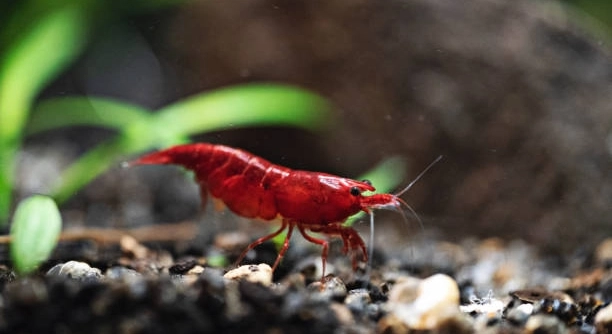
Cherry shrimp are small, peaceful creatures that thrive in calm and stable environments. Many hobbyists enjoy keeping them in community tanks, but not every fish is suitable to live alongside these delicate shrimp.
Cherry shrimp are compatible with gentle tank mates such as small snails, certain species of tetras, otocinclus catfish, and peaceful rasboras. These companions pose minimal threat, allowing shrimp to feed, molt, and reproduce safely in a shared environment.
Choosing the right companions ensures a harmonious tank where shrimp can thrive without stress or injury, creating a balanced and visually appealing aquarium setup.
Small Snails
Small snails like nerite or mystery snails are excellent companions for cherry shrimp. They move slowly and rarely disturb the substrate, which keeps the tank environment calm. Snails feed on algae and leftover food, helping maintain cleaner water. They do not attack or stress shrimp and coexist quietly. Observing them glide along the glass or plants can be surprisingly relaxing. Snails reproduce slowly in most setups, so they usually don’t overcrowd the tank. Unlike some fish that chase or nibble at shrimp, snails are entirely safe. Their shells provide extra hiding spots for baby shrimp when they need shelter. Many hobbyists notice that the presence of snails encourages shrimp to explore open spaces without fear. Their activity is subtle and non-threatening, making the tank appear lively without causing chaos. Over time, snails and shrimp establish a peaceful balance, creating a low-maintenance, healthy environment that benefits both species equally.
Small snails maintain tank cleanliness while staying completely safe for shrimp, making them ideal companions in community aquariums.
Adding snails to a shrimp tank can improve overall tank health. They consume leftover food that might otherwise pollute water and contribute to algae control. The slow movements of snails mean shrimp do not feel threatened, reducing stress and supporting natural behavior. Snails also produce minimal waste compared to larger animals, so water quality remains stable. Many shrimp owners notice better activity and coloration when snails are present. Additionally, snails’ shells offer convenient hiding spots for baby shrimp, increasing survival rates. Choosing snails that do not overpopulate or grow too large ensures a balanced ecosystem. While adding snails may seem minor, it significantly enhances the tank’s stability and reduces the need for frequent maintenance. Their quiet presence blends well with plants and decorations, creating a more visually appealing aquarium. Over time, snails become a subtle yet important part of the habitat, promoting both the health and comfort of cherry shrimp while keeping the aquarium environment simple and manageable.
Peaceful Tetras
Small tetras are generally safe for cherry shrimp as they focus on their own schooling and feed primarily on flake food.
Neon, ember, and cardinal tetras coexist well with shrimp. These fish are small, non-aggressive, and prefer swimming in groups. Their constant movement adds activity without stressing shrimp. Feeding tetras properly reduces interest in shrimp, while live plants give shrimp additional hiding spots. Careful monitoring ensures harmony. Small tetras can live in soft, slightly acidic water that suits shrimp, simplifying tank management. Keeping groups of six or more tetras prevents territorial behavior. Shrimp often forage near the bottom while tetras swim in the midwater, minimizing interactions. Over time, this peaceful setup allows both species to thrive.
Otocinclus Catfish
Otocinclus catfish are small algae eaters that rarely bother shrimp. They stick to surfaces, keeping plants and decorations clean while moving slowly, which prevents stress for shrimp. Their peaceful nature makes them one of the most compatible tank mates for cherry shrimp.
These catfish feed mainly on algae and biofilm, so they do not compete with shrimp for food. Their small size and gentle behavior mean they coexist naturally with shrimp. Otocinclus prefer well-planted tanks, providing extra hiding spaces for baby shrimp. They are social fish and thrive in groups of three or more, which reduces territorial tendencies. Water parameters suitable for shrimp also suit otocinclus, simplifying tank maintenance. Observing them scrape algae from leaves can be calming, while shrimp forage below. Their quiet presence enhances the tank without introducing danger or stress. Over time, these catfish create a balanced, low-conflict environment that encourages shrimp activity and growth.
Otocinclus require stable water conditions and occasional supplemental feeding, but their care is manageable. They integrate well into planted shrimp tanks, promoting natural cleaning and peaceful cohabitation.
Peaceful Rasboras
Harlequin and other small rasboras are gentle fish that move calmly in midwater, posing minimal threat to shrimp. Their schooling behavior reduces stress on both themselves and tank companions.
These rasboras are non-aggressive and stay mostly in the upper and middle tank levels, while shrimp remain near the bottom. They feed on small flakes or microfoods, which reduces the risk of shrimp being eaten. Their bright coloration and active swimming bring visual interest without disrupting tank harmony. Plant coverage and decorations give shrimp safe areas, further lowering any potential risk. Maintaining a balanced diet and stable water parameters ensures rasboras remain healthy and non-threatening.
Adding peaceful rasboras creates a dynamic yet safe environment. Their behavior complements shrimp activity, offering a sense of liveliness while keeping interactions gentle and stress-free. This combination encourages shrimp to explore more, promoting natural foraging and growth.
Amano Shrimp
Amano shrimp are slightly larger than cherry shrimp but remain gentle and non-aggressive. They focus on algae and detritus, leaving smaller shrimp alone. Their constant cleaning helps maintain a healthier tank environment without introducing stress or competition.
These shrimp enjoy well-planted tanks and can coexist peacefully with cherry shrimp. They offer natural cleaning benefits and rarely interfere with feeding or hiding areas. Amano shrimp move steadily across surfaces, providing a subtle but consistent presence. Their activity complements cherry shrimp behavior, creating a balanced tank dynamic that supports both species’ growth and health.
Endler’s Livebearers
Endler’s livebearers are small, colorful fish that swim actively but do not bother shrimp. They are compatible with peaceful community tanks, preferring microfoods and flakes. Their compact size and non-aggressive behavior make them suitable for cohabitation with cherry shrimp.
Corydoras Catfish
Corydoras catfish are bottom dwellers that forage gently without harming shrimp. Their slow, calm movements make them ideal companions in shrimp tanks. They help clean leftover food and maintain a peaceful environment, supporting the overall well-being of cherry shrimp.
FAQ
What are the safest fish to keep with cherry shrimp?
The safest fish are small, peaceful species that do not see shrimp as food. Examples include small tetras, Endler’s livebearers, otocinclus catfish, and peaceful rasboras. These fish mostly occupy mid to upper water levels, allowing shrimp to forage at the bottom without stress.
Can cherry shrimp live with snails?
Yes, most small snails such as nerite and mystery snails are completely safe. They do not harm shrimp and help clean the tank by eating algae and leftover food. Snails move slowly and do not compete for space, which makes the environment calm.
Will larger fish harm cherry shrimp?
Larger or aggressive fish can stress or even eat cherry shrimp. It is best to avoid cichlids, gouramis, or goldfish unless the tank is very large and heavily planted. Stress can affect shrimp growth and reproduction even if they are not directly attacked.
Do cherry shrimp need hiding spots with tank mates?
Yes, hiding spots are essential. Plants, moss, and decorations allow shrimp to molt safely and protect baby shrimp. Even peaceful fish may accidentally harm shrimp during normal swimming. Dense foliage reduces stress and encourages natural foraging behavior.
How many shrimp and tank mates can I keep together?
A small tank can support a few shrimp with a small group of gentle fish. Larger tanks allow more shrimp and companions, but maintaining water quality is key. Overcrowding can stress shrimp, reduce survival rates, and increase disease risk.
Can cherry shrimp reproduce with other tank mates present?
Yes, they can reproduce safely with peaceful companions. Hiding spots increase juvenile survival. Fish that are too large or aggressive may eat baby shrimp, so selecting small, gentle tank mates is important for successful breeding.
Are there fish that appear peaceful but still harm shrimp?
Some fish like guppies or small danios may seem gentle but sometimes eat baby shrimp. Observation is important when adding new species. Shrimp often need extra hiding places to ensure young ones survive in mixed tanks.
Do shrimp require special feeding when kept with other fish?
Shrimp feed on biofilm, algae, and specialized shrimp food. Most gentle fish do not compete heavily, but extra feeding for shrimp ensures they get enough nutrition. This supports molting, coloration, and overall health while keeping them active and thriving.
How do I introduce new tank mates to shrimp?
Introduce fish slowly to avoid stress. Quarantine new arrivals when possible and make sure water parameters match. Observing interactions during the first days helps identify potential problems early. Gradual introduction ensures shrimp remain calm and healthy.
Can shrimp live long-term with other peaceful fish?
Yes, with proper care, cherry shrimp can thrive long-term alongside compatible fish. Maintaining water quality, providing hiding spots, and feeding appropriately ensures both shrimp and fish coexist safely while staying active and healthy in a shared tank.
Do plants help shrimp feel safe with tank mates?
Absolutely. Live plants create natural cover, reduce stress, and provide surfaces for biofilm growth, which shrimp feed on. Plants also help separate fish and shrimp zones, letting each species behave naturally without conflict. Dense planting improves survival and activity of baby shrimp.
What is the ideal water condition for shrimp and gentle tank mates?
Soft to moderately hard water with a slightly acidic to neutral pH is ideal. Stable temperature, minimal fluctuations, and regular water changes keep shrimp healthy. Most peaceful fish that pair well with shrimp thrive under the same conditions, simplifying care.
Can shrimp hide too much when tank mates are present?
Shrimp may stay hidden if tank mates are too active or if there are not enough plants. While hiding is normal during molting, constant stress can affect feeding, growth, and reproduction. Adequate cover and calm companions encourage natural behavior and reduce excessive hiding.
Are snails and shrimp compatible long-term?
Yes, snails and shrimp often share tanks for years without issues. Snails help clean surfaces, which reduces algae buildup, and shrimp continue foraging naturally. Their slow pace and non-aggressive behavior ensure a stable, peaceful environment for both species.
How do I monitor shrimp health with other tank mates?
Observe activity, coloration, and molting patterns. Healthy shrimp are active, feed regularly, and molt without stress. If they hide constantly or show damage, check water quality, feeding, and the behavior of tank mates. Adjusting companions or providing extra cover may be necessary.
Final Thoughts
Keeping cherry shrimp with other tank mates can be a rewarding experience when done carefully. Cherry shrimp are small and delicate, so their companions must be chosen with attention to behavior and size. Gentle fish like tetras, rasboras, or otocinclus catfish generally coexist without stress, while small snails and other peaceful shrimp add variety without risk. The key is understanding how each species interacts and ensuring that shrimp always have places to hide. Dense plants, moss, and decorations not only improve the tank’s appearance but also provide shelter during molting or when baby shrimp are present. A calm environment allows shrimp to forage naturally, reproduce safely, and maintain vibrant coloration. Observing their behavior regularly helps detect potential issues early and keeps the community tank healthy. A well-planned tank can support multiple species harmoniously, making it a lively yet peaceful ecosystem for everyone.
Water quality is another essential factor when keeping cherry shrimp with other tank mates. Both shrimp and their companions require stable conditions to thrive. Sudden fluctuations in temperature, pH, or hardness can stress shrimp and even reduce survival rates. Regular water changes, proper filtration, and careful monitoring help maintain a balanced environment. Feeding must also account for all inhabitants. Shrimp eat algae, biofilm, and specialized foods, while fish may prefer flakes or micro-pellets. Providing enough food for everyone without overfeeding reduces competition and prevents water pollution. In addition, ensuring tank mates are non-aggressive and appropriately sized prevents accidental harm. With these considerations, cherry shrimp can thrive alongside fish and snails for years, contributing to a vibrant and active aquarium that feels natural and well-maintained.
Finally, patience and observation are key to a successful mixed-species tank. Shrimp may initially hide or appear shy around new tank mates, but with time, they often explore more freely as they feel safe. Selecting the right companions, creating ample hiding spaces, and maintaining stable water conditions are the foundation of a harmonious aquarium. Over time, shrimp behavior can indicate whether the environment is supportive and healthy. Watching shrimp move through plants, forage on surfaces, and interact with peaceful tank mates can be rewarding and relaxing. Maintaining this balance requires consistent care and attention, but it is worth the effort. A carefully planned tank allows cherry shrimp to flourish, providing both visual appeal and the satisfaction of knowing their environment supports their health and natural behavior. By following these simple principles, hobbyists can enjoy a thriving community tank where shrimp and gentle companions coexist successfully.

Hello,
If you enjoy the content that we create, please consider saying a "Thank You!" by leaving a tip.
Every little bit helps us continue crafting quality advice that supports the health, happiness, and well-being of pets around the world, for pets of all shapes, sizes, and species.
We really appreciate the kindness and support that you show us!