
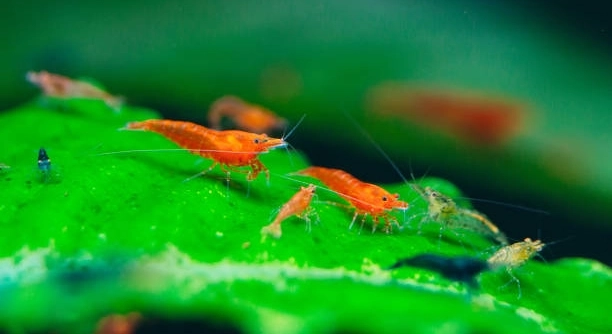
Have you ever watched cherry shrimp moving gracefully in your tank and wondered what goes on in their tiny minds? These little creatures might be more aware and responsive than many people expect from such small pets.
Cherry shrimp exhibit a surprising level of behavioral complexity, demonstrating learning abilities, memory retention, and environmental awareness. Their responses to stimuli and adaptive behaviors suggest cognitive capacities that surpass simple instinctual actions.
Observing their habits can reveal unexpected patterns and interactions that make these shrimp more fascinating than they appear at first glance.
How Cherry Shrimp Learn and Adapt
Cherry shrimp are capable of learning from their environment more than most people realize. They can recognize safe spaces, remember where food is located, and even adjust their movements based on changes in their tank. Over time, they develop patterns for avoiding threats and exploring efficiently. Watching them navigate plants, rocks, and decorations shows a clear ability to process their surroundings. Their tiny brains are wired to detect motion, light changes, and chemical signals in the water. This helps them avoid predators and find food sources quickly. Even small interactions, like a shrimp noticing another shrimp’s behavior, show that they are constantly processing information. Observing these behaviors can be surprisingly rewarding because you start noticing their reactions to subtle changes, like shifting water currents or a new hiding spot. Learning is gradual but consistent, and with regular observation, it becomes clear that cherry shrimp are far from passive tank dwellers.
These shrimp can adjust quickly to new environments, showing adaptability beyond instinct alone.
Even when their tank setup changes, cherry shrimp can explore new hiding spots and locate fresh food sources efficiently. They learn to avoid areas that feel risky and often return to favored locations once they are deemed safe. Their ability to adapt is linked to their memory and sensory perception. For example, they can detect the slightest ripple or change in water quality and alter their behavior accordingly. Over weeks, you can observe shrimp modifying routes between feeding areas and shelters. This demonstrates problem-solving and risk assessment that many would not expect from such small creatures. By observing these adaptations, it becomes evident that cherry shrimp possess a form of intelligence that goes beyond mere reflexes. Their ability to remember locations, interact with other shrimp, and respond to environmental cues reflects a level of learning that makes caring for them more engaging. This subtle intelligence ensures they survive and thrive in tanks of all sizes.
Signs of Intelligence in Daily Behavior
Cherry shrimp show intelligence through simple but consistent behaviors.
They can recognize safe spots, respond to food placement, and interact with other shrimp in meaningful ways. Their patterns reveal more than instinct alone, showing attention and awareness in their tiny movements.
For instance, you might notice a shrimp avoiding certain areas after a mild disturbance, or remembering where food is placed during feeding time. They often follow predictable paths yet can alter them when necessary, indicating memory and situational awareness. Social interactions, like gentle nudges or synchronized movements with tank mates, hint at communication or at least recognition of others’ presence. Even subtle behaviors, like clustering in certain light conditions or preferring specific plants, suggest choices influenced by prior experience. Watching these actions consistently can make you appreciate the depth of their intelligence. Every movement in the tank reflects adaptation and awareness, showing that cherry shrimp are actively processing information and adjusting accordingly. Their daily routines are small windows into their mental capacity, making observation both informative and surprisingly satisfying.
Memory and Recognition
Cherry shrimp can remember the locations of food and safe hiding spots, returning to them consistently over time. Their memory allows them to navigate their tank efficiently, showing a level of awareness that is easy to observe during regular tank activities.
They often recognize areas they have explored before and adjust their movements accordingly. When new decorations or plants are added, they may take a few days to familiarize themselves but soon incorporate these changes into their usual routes. This ability to remember and adapt shows that their actions are not purely instinctual. Observing them over weeks can reveal patterns, such as which corners they prefer or how they respond to feeding schedules. Their memory seems linked to both safety and foraging efficiency, reflecting a combination of learned behavior and natural instincts. These small behaviors collectively indicate that cherry shrimp are capable of more complex thinking than they appear to be.
Memory also plays a role in their social interactions. Shrimp can remember tank mates’ behaviors and adjust how they interact based on past experiences. They may avoid aggressive individuals or cluster with those they feel safer around. This recognition helps reduce conflicts and maintain balance within the tank. The way they remember and respond to both environmental cues and other shrimp highlights their adaptive abilities and cognitive awareness.
Problem-Solving Skills
Cherry shrimp demonstrate problem-solving through navigating obstacles and accessing hidden food sources.
They adjust their routes, climb over plants, and squeeze through narrow spaces to reach desirable locations. Observing these small actions shows deliberate decision-making rather than random movement.
When faced with barriers, they often try different approaches until successful. For example, a shrimp may repeatedly explore a path around a rock or plant until it finds a viable route. Their persistence indicates an ability to evaluate options and modify behavior based on outcomes. This trial-and-error approach reflects learning, as they tend to remember successful paths and avoid previously blocked routes. Problem-solving also extends to feeding behaviors, where shrimp discover how to extract food from tight spaces or reach hidden flakes. Such adaptability reveals their mental flexibility and ability to interact meaningfully with their environment, which adds a surprising level of engagement to observing them.
Sensory Awareness
Cherry shrimp respond quickly to changes in light, water movement, and the presence of other creatures. Their sensitivity allows them to react to potential threats or new food sources almost immediately.
They often adjust their position or swimming patterns based on subtle shifts in their environment, showing constant alertness and awareness.
Interaction with Tank Mates
Shrimp display both social and territorial behaviors with other shrimp and aquatic species. They communicate through movements, nudges, and coordinated swimming patterns that signal recognition or avoidance. Over time, they learn which tank mates are safe and which to avoid, adjusting behavior to maintain balance within the community.
Feeding Intelligence
Cherry shrimp can remember feeding times and the locations of preferred foods. They often move directly to spots where they know food will appear, showing anticipation and learned behavior. Their ability to seek out food efficiently reflects both memory and adaptation, making feeding sessions interesting to observe.
Environmental Adaptation
Shrimp quickly adjust to changes in their tank setup or water conditions. They explore new areas, find hiding spots, and continue their routines with minimal stress. Their adaptability ensures survival and comfort, reflecting an awareness that goes beyond instinct.
FAQ
Do cherry shrimp really recognize their owners?
Cherry shrimp are not able to recognize humans like dogs or cats do, but they can become familiar with routine movements around their tank. They may swim toward the glass when food is placed, showing they associate certain actions with feeding. Their behavior is driven by pattern recognition rather than personal attachment.
Can cherry shrimp remember past experiences?
Yes, they can. Memory plays a role in how they navigate their tank, avoid danger, and find food. For example, they remember hiding spots after disturbances and often return to areas where they feel safe. This memory also helps them interact with other shrimp, as they may avoid more aggressive tank mates.
How do cherry shrimp learn?
Cherry shrimp learn through observation, trial, and repetition. They explore their environment and adapt their behavior based on outcomes. If a path to food is blocked, they try different routes until they succeed. Over time, these repeated actions become routines, showing that shrimp can adjust based on previous experiences.
Do cherry shrimp communicate with each other?
Communication is subtle but present. Shrimp often use body movements, antennae touches, and coordinated swimming to signal awareness, danger, or social interest. These signals help maintain balance in the tank and prevent conflicts. While it’s not language in the human sense, it is a form of interaction that influences their daily behavior.
Are cherry shrimp capable of problem-solving?
Yes, they demonstrate simple problem-solving. They can navigate obstacles, find hidden food, and figure out safe paths through complex tank setups. Their trial-and-error approach shows learning in action, and over time they remember which strategies work best. This makes watching their tank behaviors surprisingly engaging.
Do cherry shrimp notice changes in their environment?
Absolutely. Shrimp are highly sensitive to light, water currents, and chemical changes. Even minor alterations, like new decorations or plants, are noticed. They will explore carefully, adjust swimming patterns, and often use new hiding spots. Their reactions demonstrate an ongoing awareness of the environment around them.
Can cherry shrimp interact socially?
Yes, they do interact, though in small ways. Shrimp may swim in loose groups, gently touch antennae, or avoid more dominant individuals. These interactions help establish social balance, reduce stress, and influence feeding and hiding patterns. Watching these behaviors gives insight into their social awareness.
Do cherry shrimp get bored?
While it’s hard to measure boredom, shrimp do respond to changes in their environment. Adding new plants, hiding spots, or rearranging decorations encourages exploration and activity. They appear more lively when there are varied spaces to navigate, showing that environmental stimulation matters to their well-being.
How intelligent are cherry shrimp compared to other small aquatic creatures?
They are surprisingly capable for their size. Their memory, problem-solving, environmental awareness, and social behaviors indicate a level of intelligence beyond mere reflex. While not comparable to larger pets, shrimp show consistent learning and adaptability, making them more than passive tank dwellers.
Can cherry shrimp learn feeding schedules?
Yes, they respond well to regular feeding times. Over time, they may gather near the glass or swim actively when food is expected. This shows they can anticipate events based on routine, combining memory and sensory cues to guide behavior effectively.
Do cherry shrimp show signs of stress that affect learning?
Stress from poor water conditions, overcrowding, or aggressive tank mates can affect their responsiveness. A stressed shrimp may hide constantly, avoid food, or reduce movement. Keeping stable conditions ensures they remain alert, active, and able to demonstrate natural learning and adaptive behaviors.
Are there ways to enhance their mental stimulation?
Yes, simple steps like rearranging tank decorations, adding plants, or providing varied hiding spots encourage exploration. Even changing food placement slightly can engage their memory and problem-solving skills. Small environmental changes keep them active and attentive, which supports natural learning and curiosity.
How long do cherry shrimp remember things?
While exact memory duration is difficult to measure, they clearly remember food locations, safe spots, and tank mate interactions for days or weeks. This memory supports feeding efficiency, avoidance of threats, and smoother social interactions, indicating a functional cognitive ability beyond instinct.
Can cherry shrimp recognize their reflection?
They may notice movement in the glass, but it is unlikely they understand reflections as themselves. Their responses are more about detecting motion or activity, which may look like recognition but is a natural reaction to stimuli rather than self-awareness.
Do cherry shrimp react differently to familiar versus new tank mates?
Yes, shrimp tend to be cautious with new additions and may avoid them initially. Over time, they learn which tank mates are non-threatening and may interact more freely. Familiar shrimp are approached more often, and established patterns of social behavior are maintained.
Can their intelligence improve with age?
Their problem-solving and memory capabilities develop as they mature. Young shrimp explore more randomly, while adults navigate efficiently, remember safe zones, and respond to routines. Age and experience contribute to more predictable, adaptive, and intelligent behaviors within the tank.
Do cherry shrimp recognize different types of food?
Yes, they can differentiate between foods based on preference, texture, and availability. They often swim directly to preferred foods and avoid those they are less interested in. This selective behavior shows memory, sensory recognition, and learned preferences, highlighting subtle intelligence in their feeding habits.
Is it possible for cherry shrimp to adapt to stressful situations?
They can adapt if the stressor is mild and consistent. For example, gradual changes in water parameters allow them to adjust rather than panic. Sudden changes, however, can overwhelm them. Their ability to adapt depends on observation, memory, and experience, showing flexibility in behavior when conditions are stable.
How can observation improve care?
Watching shrimp closely helps identify preferences, stress signals, and social patterns. Understanding these behaviors allows adjustments in feeding, tank setup, and water conditions. Attentive observation supports both shrimp well-being and an appreciation of their subtle intelligence, making them more engaging to care for.
Cherry shrimp are often overlooked because of their small size, but they have a surprising amount of intelligence and awareness. They can remember locations of food, identify safe hiding spots, and adjust their behavior based on past experiences. Watching them navigate their tank shows clear patterns in how they explore, avoid danger, and interact with other shrimp. These behaviors indicate that their actions are not purely instinctive. Over time, it becomes clear that they are capable of learning and adapting to their environment, which is impressive for such tiny creatures. Even simple daily movements, like swimming toward food or avoiding a current, reflect their memory, problem-solving skills, and attention to surroundings. Their small brains may seem limited, but their behaviors show they are far more capable than they appear. Observing them closely can reveal consistent patterns in how they respond to changes in their tank, demonstrating both intelligence and adaptability.
Cherry shrimp also show social awareness with other shrimp in the tank. They often recognize and adjust to the presence of specific tank mates, avoiding aggressive individuals and clustering with those they feel safer around. Their interactions are subtle, using touches and coordinated swimming to communicate or signal awareness. Even without complex social structures, these behaviors show they are capable of recognizing others and adjusting behavior accordingly. Feeding times often highlight this awareness, as shrimp remember where food will appear and sometimes anticipate when it will be delivered. They also adapt when new tank mates or objects are introduced, carefully exploring their surroundings and adjusting routes and hiding spots. These responses highlight the role of memory, learning, and observation in their daily behavior. Small but consistent actions, such as remembering safe areas or exploring new hiding spots, demonstrate their cognitive abilities and make them more engaging to observe over time.
Environmental adaptation is another area where cherry shrimp display intelligence. They can detect subtle changes in water conditions, light, and current, and adjust their movements to stay safe and comfortable. Adding new decorations, rearranging plants, or changing feeding locations can engage their problem-solving skills and curiosity. This ability to adapt ensures they survive and thrive in their environment while maintaining natural behaviors. Over time, consistent observation shows that they learn from repeated experiences and respond more efficiently to familiar stimuli. Their intelligence is reflected not just in single actions but in patterns of behavior that show memory, awareness, and adaptability. These qualities make caring for cherry shrimp rewarding because they respond to thoughtful tank management and environmental enrichment. Watching them navigate, explore, and interact highlights their subtle but real mental abilities, showing that even small aquatic creatures have more going on in their minds than many people realize.

Hello,
If you enjoy the content that we create, please consider saying a "Thank You!" by leaving a tip.
Every little bit helps us continue crafting quality advice that supports the health, happiness, and well-being of pets around the world, for pets of all shapes, sizes, and species.
We really appreciate the kindness and support that you show us!