
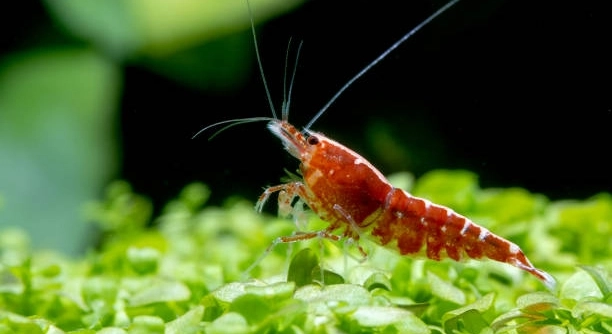
Cherry shrimp are small, colorful freshwater creatures that can brighten any aquarium. Setting up a tank for them may seem simple, yet finding a balance between water quality, plants, and hiding spaces is essential for their well-being.
The most effective cherry shrimp tank setups prioritize stable water parameters, adequate filtration, and suitable vegetation. Including mosses and small plants provides shelter, while gentle water flow ensures shrimp activity without stress. Careful selection of substrate and decor supports healthy molting and breeding.
Following these setups can create a thriving environment, encouraging your shrimp to flourish while keeping maintenance manageable and predictable for long-term enjoyment.
Basic Nano Tank Setup
A small, simple nano tank can be a perfect home for cherry shrimp, especially if space is limited. A 5-10 gallon tank provides enough room for a small colony. Using a sponge filter ensures gentle water flow while maintaining water clarity. Substrate choice is important—fine gravel or sand works best and allows shrimp to forage comfortably. Adding live plants like java moss or small ferns provides hiding spots and surfaces for biofilm growth. Lighting should be moderate, enough for plants to grow but not so strong that algae takes over. Keeping a regular cleaning schedule, like removing debris and performing partial water changes weekly, helps maintain water quality. A few small decorations or rocks can give shrimp places to explore without overcrowding. Temperature should stay stable, ideally between 68-74°F, as sudden fluctuations can stress the shrimp and affect molting.
Small tanks are easy to manage but require careful attention to water parameters for shrimp to thrive.
Consistency in water quality is crucial for shrimp health. Even minor fluctuations in ammonia, nitrites, or pH can cause stress or slow growth. Feeding should be light but frequent, offering algae wafers or blanched vegetables. Shrimp benefit from a balance of plant coverage and open swimming space. Observing them daily helps catch potential problems early, such as missing shrimp or unusual behavior. This setup works well for beginners and keeps maintenance simple, while still supporting breeding if conditions are stable.
Planted Community Tank
A larger planted tank allows cherry shrimp to coexist with small, peaceful fish. Dense plantings with floating and rooted plants provide shelter and reduce stress from tankmates. Driftwood and rocks create natural hiding areas and surfaces for biofilm growth. Maintaining moderate water flow and regular filtration ensures water remains clean without disturbing shrimp. Water parameters should be stable, with pH around 6.5-7.5 and temperature near 72°F. Shrimp will explore plants and substrate freely, foraging for algae and leftover food.
In a community tank, monitoring interactions between shrimp and fish is important to prevent stress or predation.
Choosing compatible fish is key for a planted community setup. Small tetras, rasboras, or peaceful snails are ideal companions. Overcrowding can reduce water quality and increase stress, so stocking should be moderate. Lighting must support plant growth but avoid algae overgrowth, and fertilization should be minimal to prevent water spikes. Regular partial water changes help maintain stability. Cherry shrimp benefit from moss-covered decorations or dense plant clusters, which also enhance the tank’s appearance. This setup encourages natural behavior, allowing shrimp to graze, molt, and breed while sharing the tank safely with compatible species. Proper care ensures a vibrant and dynamic ecosystem where all inhabitants thrive.
Shrimp-Only Planted Tank
A shrimp-only planted tank gives cherry shrimp full access to plants and hiding spots without competition. Dense moss, ferns, and floating plants create surfaces for biofilm growth and provide security. Minimal water flow and gentle filtration support healthy shrimp activity.
Shrimp-only tanks allow complete control over water parameters, ensuring stable pH, temperature, and hardness suited to cherry shrimp. Feeding is straightforward, with algae wafers, blanched vegetables, and occasional protein supplements. Plants help absorb excess nutrients, reducing algae growth while offering natural grazing surfaces. Decorations like driftwood or smooth rocks give shrimp exploration areas, enhancing activity and comfort. Regular maintenance, including partial water changes and substrate cleaning, keeps water quality high and stress low, which is essential for successful molting and breeding.
These tanks are excellent for observing natural shrimp behavior. Without fish, shrimp feel secure, explore freely, and breed efficiently. Dense plant coverage encourages grazing and molting while providing constant shelter. Proper lighting supports plant growth without excessive algae, and careful monitoring ensures water conditions remain stable. A shrimp-only tank maximizes survival rates, allowing colonies to grow naturally while keeping maintenance simple.
Walstad-Style Low-Tech Tank
A Walstad-style tank uses soil substrate with plants to naturally balance nutrients. Minimal filtration reduces mechanical stress on shrimp, while plants maintain water quality.
The soil-based substrate provides nutrients for rooted plants, which in turn filter water by absorbing waste. Floating plants shade shrimp and help control algae growth. Light levels are moderate, supporting plant growth without encouraging excessive algae blooms. Regular observation is required to prevent plant decay or accumulation of detritus that could affect water parameters. Shrimp thrive in stable conditions with consistent temperature and pH. Adding moss and leaf litter enhances grazing opportunities, giving shrimp surfaces to forage and hide.
This low-tech method reduces dependency on mechanical filtration and chemical additives. The planted environment creates a more natural habitat, supporting shrimp molting and breeding. Careful balance of plants, soil, and shrimp population ensures the ecosystem remains stable. Occasional water top-offs maintain levels without disturbing substrate layers. Leaf litter and driftwood provide additional surfaces for biofilm growth. Maintaining moderate light intensity prevents algae while allowing plants to flourish. This setup is rewarding, offering a visually appealing, low-maintenance tank that prioritizes shrimp health and activity.
Minimalist Shrimp Tank
A minimalist shrimp tank focuses on simplicity, using a small number of plants and decorations. Open swimming areas combined with a few moss patches or rocks give shrimp both freedom and shelter. Water flow is gentle, keeping shrimp stress low.
Maintenance is easier with fewer elements. Regular partial water changes and light feeding maintain water quality. Minimalist setups reduce algae growth and make monitoring shrimp health straightforward. Even with simplicity, shrimp can molt and breed successfully when their basic needs are met.
Filtered Planted Tank
Using a small sponge or hang-on-back filter in a planted tank ensures clear water without stressing shrimp. Plants help absorb nutrients, while moss and small decorations provide grazing surfaces. Maintaining moderate water flow prevents shrimp from being disturbed. Regular cleaning and partial water changes support a balanced ecosystem, reducing the risk of water parameter fluctuations that could affect shrimp health. A combination of live plants, gentle filtration, and careful feeding creates a stable environment where shrimp can thrive, explore, and breed naturally. Consistent monitoring and plant care help maintain both water quality and aesthetic appeal.
Biotope-Style Shrimp Tank
A biotope-style tank replicates the shrimp’s natural habitat using rocks, driftwood, and native plants. This encourages natural behavior and provides plenty of grazing surfaces.
Low-Light Shrimp Tank
Shrimp thrive in low-light tanks with slow-growing plants like java moss and ferns. Limited light reduces algae growth and keeps water conditions stable.
FAQ
What size tank is best for cherry shrimp?
Cherry shrimp do well in small tanks starting at 5 gallons. A larger tank, 10 gallons or more, allows for a bigger colony and more stable water conditions. Stability is more important than size, so even a small tank can thrive if parameters are consistent.
How often should I feed my cherry shrimp?
Feeding small amounts once a day or every other day works best. Overfeeding can pollute water and stress shrimp. They graze constantly on biofilm, algae, and plant matter, so supplemental feeding with algae wafers or blanched vegetables is sufficient to maintain health.
What water parameters do cherry shrimp need?
Ideal temperature ranges from 68-74°F. pH should stay around 6.5-7.5, with soft to moderately hard water. Ammonia and nitrites must be zero, while nitrates should remain low. Stable water parameters prevent stress and support molting and breeding.
Can cherry shrimp live with fish?
Yes, but only with small, peaceful fish like tetras, rasboras, or guppies. Avoid aggressive or larger fish that may prey on shrimp. Dense plant cover and moss help shrimp hide, reducing stress and increasing survival rates in community tanks.
How often should I change the water?
Weekly partial water changes of 10-20% maintain water quality. Larger changes can stress shrimp by altering water parameters too quickly. Consistency is key, and monitoring water parameters after changes ensures stability.
Do cherry shrimp need live plants?
Live plants are highly beneficial. They provide shelter, surfaces for biofilm growth, and contribute to stable water conditions. Moss, ferns, and floating plants create grazing areas and hiding spots, supporting natural behavior and successful breeding.
What substrate is best for cherry shrimp?
Fine gravel or sand works well, allowing shrimp to forage comfortably. Nutrient-rich substrates benefit plants without harming shrimp. Darker substrates enhance their color and make it easier to spot molted shells or shrimp.
How do I encourage breeding?
Stable water parameters, plenty of hiding spaces, and healthy nutrition support breeding. Females carrying eggs prefer calm environments with moss or plants. Avoid stressing the colony with sudden water changes or aggressive tankmates to ensure successful reproduction.
Why are my shrimp hiding?
Shrimp may hide due to stress, molting, or water issues. Check temperature, water parameters, and potential predators. Dense plants or moss provide security and help shrimp feel safe, encouraging more activity once conditions improve.
How can I prevent algae overgrowth?
Algae is controlled through moderate lighting, regular water changes, and balanced feeding. Live plants compete for nutrients, reducing algae growth. Avoid excessive fertilizers, and ensure shrimp have enough grazing surfaces to naturally consume algae.
What should I do if a shrimp molts and doesn’t reappear?
It’s normal for shrimp to molt and hide until their new exoskeleton hardens. Ensure water parameters are stable, as poor conditions can prevent successful molting. Provide moss or plants for shelter during this vulnerable period.
How do I keep a small tank stable?
Monitor water parameters closely, perform consistent partial water changes, avoid overstocking, and feed sparingly. Even small tanks can remain stable if changes are gradual and filtration is gentle. Maintaining a planted environment also helps absorb excess nutrients and keeps water balanced.
Can cherry shrimp live without live plants?
Yes, but live plants greatly improve water quality, provide grazing surfaces, and offer hiding spots. Without plants, additional decorations and careful maintenance are needed to prevent stress and maintain a healthy environment.
Are there any health issues common to cherry shrimp?
Stress from poor water conditions is the most common issue. Ammonia spikes, rapid pH changes, and aggressive tankmates can cause deaths or molting problems. Maintaining clean water and stable conditions prevents most health problems.
How long do cherry shrimp live?
Cherry shrimp usually live 1.5-2 years under good care. Proper nutrition, stable water conditions, and a safe environment maximize lifespan. Breeding ensures colony continuity even as individual shrimp age and pass away.
What decorations work best for cherry shrimp tanks?
Driftwood, smooth rocks, and moss-covered ornaments provide surfaces for grazing and shelter. Avoid sharp edges or materials that could harm shrimp. Decorations should complement plants and leave open swimming areas.
Can I use a heater in a shrimp tank?
A heater is recommended if room temperature fluctuates or is below 68°F. Maintaining stable temperature is more important than the exact number. Sudden temperature swings can stress shrimp and slow molting or breeding.
How can I tell if my shrimp are healthy?
Healthy shrimp are active, brightly colored, and constantly grazing. Molting occurs regularly, and females may carry eggs. Lethargy, faded color, or unusual hiding indicate stress or water issues. Observing shrimp behavior daily helps catch problems early.
Is water conditioner necessary for cherry shrimp?
Yes, tap water often contains chlorine or chloramine, which is harmful to shrimp. Using a water conditioner neutralizes these chemicals, making water safe for delicate invertebrates. Conditioned water ensures survival and supports molting and breeding.
Can I mix different shrimp colors?
Different color morphs of cherry shrimp can coexist. Breeding may result in mixed colors over generations, so careful selection is needed if maintaining a pure strain. Providing plenty of plants and hiding areas ensures harmony among shrimp.
What is the best way to acclimate new shrimp?
Float the bag in the tank to equalize temperature. Gradually add small amounts of tank water over 30-60 minutes to avoid shock. Then gently release shrimp into the tank, minimizing stress and helping them adapt to new water conditions.
Final Thoughts
Cherry shrimp are a small but rewarding addition to any freshwater tank. Their vibrant colors and active behavior make them enjoyable to watch, and they can thrive in a variety of setups if basic care needs are met. Stability in water parameters is essential for their health, as sudden changes can stress the shrimp and affect molting and breeding. Maintaining clean water through regular partial changes, gentle filtration, and careful feeding ensures a balanced environment. Even small tanks can support a thriving colony, provided the conditions are consistent. Including live plants and decorations like moss, driftwood, or smooth rocks gives shrimp places to explore and hide. These additions not only improve the tank’s aesthetic but also provide surfaces for biofilm and algae growth, which are essential food sources.
Creating a tank that works for cherry shrimp involves understanding their natural preferences. They are comfortable in calm, planted environments with moderate lighting and soft to moderately hard water. A variety of tank types, from simple nano tanks to larger planted community tanks, can be suitable if attention is given to water quality and shrimp needs. Shrimp-only tanks allow full control over conditions and reduce stress from potential predators, while low-tech Walstad-style or minimalist setups can offer stability with less mechanical intervention. Even in a community tank, selecting peaceful fish and ensuring sufficient hiding spots helps shrimp feel secure. Feeding should be measured and consistent, providing algae wafers, blanched vegetables, or other small protein sources, supporting healthy growth and reproduction. Observing shrimp behavior regularly helps identify potential issues early, such as stress or molting problems.
Ultimately, cherry shrimp are resilient but sensitive creatures that respond well to thoughtful care. Their success depends on consistent maintenance, appropriate tank setup, and a focus on their environmental needs. Whether using a small nano tank, a planted community tank, or a specialized biotope-style setup, attention to stability, shelter, and nutrition ensures shrimp thrive. Dense plant coverage and natural decorations encourage activity and provide essential grazing surfaces, supporting healthy molting and breeding cycles. By maintaining stable water parameters, providing suitable food, and arranging the tank thoughtfully, a vibrant, active colony can develop. With patience and careful observation, cherry shrimp offer both visual appeal and a rewarding experience in maintaining a balanced, lively aquarium environment.

Hello,
If you enjoy the content that we create, please consider saying a "Thank You!" by leaving a tip.
Every little bit helps us continue crafting quality advice that supports the health, happiness, and well-being of pets around the world, for pets of all shapes, sizes, and species.
We really appreciate the kindness and support that you show us!