
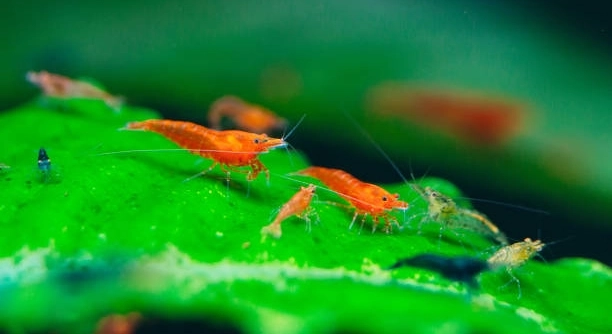
Cherry shrimp are small, colorful freshwater creatures often kept in community aquariums. They interact with their surroundings and other tank inhabitants, moving gracefully through plants and substrate. Observing their behavior can reveal surprising social patterns and habits.
Cherry shrimp do not specifically recognize other shrimp species as individuals. Their interactions are primarily based on movement, chemical cues, and environmental context rather than species recognition. They respond instinctively to general stimuli rather than forming social bonds with different shrimp types.
Understanding how cherry shrimp perceive other species can help aquarium owners create a harmonious and balanced tank environment for all inhabitants. Proper observation ensures healthier interactions and reduces stress among shrimp.
How Cherry Shrimp Interact in a Community Tank
Cherry shrimp are naturally curious and tend to explore their environment consistently. They swim among plants, hide in small crevices, and graze on biofilm. While they coexist with other shrimp species, their behavior is mostly focused on foraging and survival. They use chemical signals in the water to detect food and potential threats, rather than identifying specific species. Movements, water currents, and the presence of other creatures influence their social interactions. Aggression is rare, but competition for food can create tension. Younger shrimp often hide while adults roam more freely. Observing them over time reveals patterns such as synchronized grazing or following water currents to search for food. Their interactions are simple but efficient, aimed at maintaining safety and nourishment. Tank setup, hiding spots, and plant density significantly affect how they interact with each other. A well-planned aquarium encourages calmer, more natural behaviors.
Their behavior with other shrimp is largely neutral, focusing on survival rather than recognition.
Understanding these patterns helps maintain balance and reduces unnecessary stress in community tanks, ensuring each shrimp can thrive without conflict. Proper observation allows for adjustments in food distribution and tank layout, creating a healthier environment. By noticing subtle signals like movement patterns and grazing habits, owners can anticipate areas of potential competition and make changes before stress affects shrimp health. Each species brings unique tendencies, but cherry shrimp adapt by responding to immediate environmental cues, keeping interactions functional and minimal. With careful monitoring, it becomes easier to maintain harmony while supporting natural behaviors, which contributes to the overall vitality of the tank ecosystem.
Identifying Signs of Stress
Stress in cherry shrimp can show through color changes, hiding, or lethargy.
Stress often arises from overcrowding, poor water quality, or aggressive tank mates. Over time, stressed shrimp may stop eating or fail to molt properly. Monitoring water parameters like temperature, pH, and ammonia levels is essential. Providing ample hiding spots and controlling population density reduces tension. Even minor changes in the tank, such as new decorations or plants, can temporarily alter behavior. Observing shrimp during feeding helps determine if all individuals are receiving adequate nutrition. Stress management involves careful adjustments rather than sudden changes, as abrupt shifts can worsen their condition. By responding early to these signs, shrimp are more likely to recover quickly. Maintaining consistent care routines, regular water changes, and monitoring interactions ensures a stable environment where shrimp can thrive. A calm, structured tank setup supports natural behavior and minimizes unnecessary stress factors.
Feeding Behavior and Competition
Cherry shrimp graze constantly on algae and biofilm, moving in small groups. They rarely show aggression, but competition for food can occur when resources are limited, especially in mixed-species tanks.
They use chemical cues to locate food and rely on rapid movement to gather it efficiently. In community setups, cherry shrimp may be outcompeted by faster or larger species. To reduce tension, spreading food across multiple areas ensures all shrimp have access. Observing feeding times can help identify individuals that are not eating enough. Adjusting portion size and frequency allows all shrimp to maintain healthy growth.
Shrimp feeding is influenced by tank structure. Plants, hiding spots, and substrate type affect how easily they can access food. Dense vegetation slows faster shrimp species, giving smaller cherry shrimp a chance to feed. Even minor changes in tank layout, like adding moss or small decorations, can alter grazing patterns. Understanding these dynamics helps maintain fairness in food distribution and reduces stress. Monitoring shrimp behavior during meals ensures everyone thrives and reduces risks of malnutrition or dominance issues in the tank.
Communication and Chemical Signals
Cherry shrimp rely heavily on chemical signals in the water for communication. These cues help them detect food, danger, and potential mates efficiently.
They secrete substances that signal readiness to mate or indicate territory. While they do not recognize other species individually, chemical signals allow them to adjust behavior based on immediate surroundings. In mixed tanks, these signals help cherry shrimp avoid conflicts by keeping distance from aggressive or larger species. Subtle cues, such as changes in movement or antennae contact, convey information about stress or threat levels. Maintaining clean water ensures these chemical messages remain effective, supporting natural interactions and reducing misunderstandings.
Chemical communication is essential for survival. Water quality, flow, and tank design influence how well signals travel. Poor filtration or excessive debris can dilute these cues, leading to confusion or increased stress. Observing shrimp reactions provides insight into how signals are interpreted and whether adjustments are needed. Proper care enhances natural behavior, allowing shrimp to navigate their environment confidently. By understanding chemical communication, owners can create conditions that minimize conflict, encourage feeding, and support reproduction. Maintaining stable water parameters ensures the shrimp’s signals are consistent and reliable.
Tank Environment and Its Impact
Cherry shrimp feel safer in tanks with plenty of plants and hiding spots. Dense vegetation helps reduce stress and allows them to graze undisturbed.
Open areas may expose them to faster or larger species. Providing shelters ensures cherry shrimp can retreat when needed, maintaining calm interactions.
Social Grouping Patterns
Cherry shrimp naturally form loose groups while grazing or exploring. They tend to cluster near food sources but do not show complex social hierarchy. Grouping provides a sense of security, and individuals adjust positions based on movement and density of nearby shrimp. They rarely engage in aggressive interactions.
Observing Behavioral Differences
Different shrimp species display varying activity levels. Faster species may dominate open spaces, while slower ones stay in vegetation. Observation helps identify stress points and adjust tank conditions to promote balanced coexistence.
FAQ
Do cherry shrimp recognize other shrimp species?
Cherry shrimp do not recognize other species individually. Their behavior is guided by movement, chemical signals, and immediate environmental cues rather than identification of species. They may interact briefly with other shrimp, but these interactions are instinctive, focused on avoiding threats or finding food, not forming social bonds.
Can cherry shrimp live peacefully with other shrimp types?
Yes, cherry shrimp can coexist with many other species if the tank is well-planned. Space, hiding spots, and food distribution are essential. Smaller or slower species benefit from dense vegetation that slows faster shrimp. Maintaining proper water parameters reduces stress and helps all shrimp adapt to shared spaces.
How do cherry shrimp communicate?
Cherry shrimp use chemical signals and subtle movements to convey information. These signals indicate stress, readiness to mate, or food presence. While they cannot recognize species individually, chemical cues help them adjust behavior and avoid unnecessary conflicts in a mixed-species tank. Clean water ensures signals are effective.
What causes stress in cherry shrimp?
Stress arises from overcrowding, poor water quality, or aggressive tank mates. Stressed shrimp may hide excessively, lose color, or stop eating. Monitoring tank parameters, providing hiding places, and managing population density reduce stress. Regular observation during feeding and activity can help detect early signs.
How does tank layout affect interactions?
Tank structure significantly influences shrimp behavior. Plants, moss, and decorations create hiding spots and slow down more active species. Open areas may expose slower shrimp to dominance or competition. A well-designed tank balances space and shelter, ensuring fair access to food and reducing aggressive interactions.
Do cherry shrimp compete for food with other species?
Competition happens if food is limited, especially with faster or larger shrimp. Cherry shrimp rely on movement and chemical cues to locate food. Spreading food in multiple locations ensures even access. Adjusting feeding schedules and portions helps maintain healthy growth for all shrimp.
Can cherry shrimp recognize danger from other species?
They respond to sudden movements or chemical cues rather than identifying specific species. Detection of threats is instinctive. Slower or smaller shrimp retreat to vegetation or hiding spots when larger species approach, reducing stress and maintaining safety in a community tank.
Do cherry shrimp show mating behaviors with other species?
Cherry shrimp only mate within their species. Mating signals and chemical cues are species-specific. While they may interact with other shrimp, reproduction is limited to their own kind. Ensuring appropriate tank conditions encourages natural mating behavior without interference from other species.
How can I monitor cherry shrimp well-being?
Observe feeding, movement, and color. Healthy shrimp graze actively, explore the tank, and display bright colors. Changes in hiding behavior or lethargy may indicate stress or illness. Adjusting tank conditions, maintaining water quality, and providing sufficient food and shelter support overall well-being.
Are there signs of aggression between species?
Aggression is uncommon but can occur during food competition or overcrowding. Cherry shrimp typically avoid conflict and retreat to safe spaces. Providing multiple feeding zones and dense vegetation reduces aggressive interactions. Observation allows timely adjustments, keeping a harmonious tank environment for all species.
Does water quality affect species recognition or interaction?
Indirectly, yes. Poor water quality can weaken chemical communication and increase stress, leading to confusion or more frequent skirmishes. Maintaining stable temperature, pH, and ammonia levels ensures chemical signals function properly and shrimp interact naturally, reducing tension in community tanks.
How long does it take for cherry shrimp to adapt to a mixed tank?
Adaptation varies by tank conditions and species present. Typically, they adjust within a few days to a couple of weeks. Providing ample hiding spots, spreading food, and minimizing sudden changes accelerates adaptation and reduces stress, allowing them to coexist calmly with other species.
Cherry shrimp are fascinating little creatures that can bring life and color to any freshwater tank. Their behaviors are guided primarily by instinct, chemical cues, and environmental factors rather than an awareness of other shrimp species. Observing them can be rewarding, as you notice their grazing habits, careful exploration of plants, and the subtle ways they interact with each other. While they do not recognize other shrimp as individuals, they respond naturally to movement, chemical signals, and changes in their surroundings. This instinctive behavior ensures they survive, find food, and reproduce effectively. Understanding these patterns helps tank owners create environments that support their well-being while maintaining harmony among different species.
Tank design plays a key role in how cherry shrimp interact with other shrimp. Dense vegetation, moss, and hiding spots allow them to feel safe and reduce stress, especially when sharing a tank with faster or larger species. Open areas may expose slower shrimp to more active tank mates, potentially causing competition or tension. Proper food distribution is also important. Spreading food across multiple locations ensures every shrimp can access nourishment without direct competition. Watching feeding times can reveal if any individuals are struggling, allowing adjustments in portions, placement, or timing. Even minor changes, like adding decorations or rearranging plants, can influence behavior and feeding patterns. Maintaining a balanced environment ensures that all species coexist calmly while encouraging natural behavior.
Monitoring health and stress levels is another important aspect of keeping cherry shrimp. Stress can show through hiding, lethargy, color changes, or irregular molting. Addressing water quality, population density, and potential aggression helps reduce stress and supports long-term health. Chemical communication plays a significant role in their interactions, so clean, well-maintained water ensures their natural signals are effective. Observing shrimp closely allows you to anticipate issues, adjust tank conditions, and create a stable, supportive environment. By understanding their instincts, behaviors, and needs, it becomes possible to maintain a peaceful community tank where cherry shrimp can thrive, coexist with other species, and display their natural, delicate beauty.

Hello,
If you enjoy the content that we create, please consider saying a "Thank You!" by leaving a tip.
Every little bit helps us continue crafting quality advice that supports the health, happiness, and well-being of pets around the world, for pets of all shapes, sizes, and species.
We really appreciate the kindness and support that you show us!