
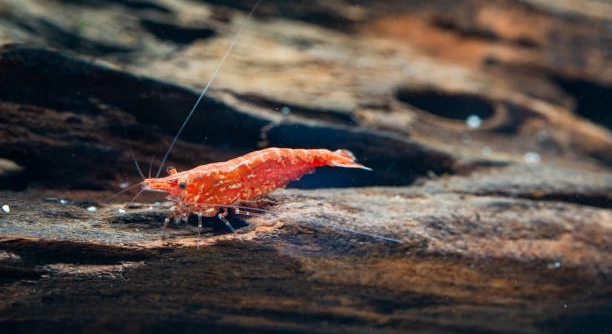
Cherry shrimp are small, vibrant creatures that bring life to freshwater tanks. Observing their daily routines can be fascinating, especially when they settle down and appear to rest quietly in their environment.
Cherry shrimp do not have a specific sleeping position. They tend to rest while clinging to plants or tank surfaces, remaining mostly motionless. Their sleep patterns are subtle, and they may shift positions frequently without a consistent posture.
Understanding their resting habits can help aquarists ensure a calm and healthy environment for these delicate shrimp. Observing them closely reveals insights into their well-being and natural behavior.
How Cherry Shrimp Rest
Cherry shrimp often find a quiet corner of the tank to rest, usually on plants, rocks, or other surfaces. They may remain still for extended periods, appearing calm and almost motionless. Unlike larger animals, their sleep is subtle and not easily noticeable. During these resting moments, their antennae may continue to move slightly, allowing them to stay aware of their surroundings. It is common to see them curl their tails slightly or tuck their legs in while resting. Their coloration may remain vibrant, which shows that they are relaxed rather than stressed. Light levels in the tank can influence their resting behavior, with shrimp often choosing shaded areas during the day. Feeding times and tank activity can also affect when and where they rest. Providing plenty of hiding spots can encourage healthy resting patterns. Regular observation helps identify changes in behavior that could signal stress or illness.
Resting positions are flexible, and shrimp may shift throughout the day, rarely sticking to a single pose.
Observing cherry shrimp over several days reveals patterns. They often alternate between brief periods of activity and rest. These breaks help them conserve energy while staying alert for changes in the tank environment. Resting in multiple areas reduces stress and allows for natural behavior. By creating a safe environment with gentle lighting and minimal disturbances, their rest becomes more consistent.
Signs of Healthy Rest
A shrimp that rests calmly without sudden jerky movements is usually healthy.
Healthy cherry shrimp display clear eyes, intact limbs, and smooth movements even when resting. They do not lie on their backs or float uncontrollably, which can indicate stress or poor water conditions. Changes in color, unusual posture, or continuous hiding can also signal discomfort or illness. Providing stable water parameters, proper nutrition, and gentle tank maintenance supports their natural resting habits. Monitoring these signs helps ensure they remain active and healthy during awake periods.
To maintain good rest habits, it is important to understand how tank conditions affect shrimp behavior. Water temperature, pH, and filtration all play roles in their comfort. A tank that is too bright or has strong currents may prevent them from resting properly. Including plants, moss, and decorations allows them to choose quiet spots to settle. Regular observation helps detect any signs of irregular behavior early, allowing timely adjustments. Even minor disturbances, like tapping the glass or sudden movements nearby, can impact their rest. Ensuring a calm environment encourages natural sleep-like behavior and supports overall health. Proper feeding schedules also contribute, as overfeeding or underfeeding can alter energy levels, making shrimp more restless or lethargic. Over time, consistent care leads to predictable patterns of activity and rest. This understanding helps aquarists create a tank environment that supports both health and natural behavior in cherry shrimp.
Factors Affecting Cherry Shrimp Rest
Lighting levels can influence where and when cherry shrimp rest. They often prefer dim or shaded areas to feel secure. Bright light can make them more active and delay rest, while softer lighting encourages calm periods and subtle movements.
Water quality is crucial for shrimp behavior. Poor water conditions, including incorrect pH, high ammonia, or unstable temperature, can cause stress and disrupt resting patterns. Healthy water promotes regular movement and predictable rest periods. Shrimp also respond to the presence of other tank inhabitants. Overcrowding or aggressive tank mates can make them hide more often, altering natural rest locations. Providing plants, moss, and decorations gives them safe spaces to settle without interference. Observing these factors helps maintain consistent behavior and supports long-term health.
Diet and feeding schedules impact energy levels and resting habits. Overfeeding can make shrimp sluggish, while irregular feeding may increase activity at unusual times. Balanced nutrition encourages steady energy throughout the day. A proper mix of protein, algae, and plant matter allows them to maintain consistent activity and rest. Tank conditions and feeding together create an environment where shrimp can thrive, rest safely, and display natural behavior patterns without unnecessary stress. Regular observation ensures adjustments can be made quickly.
Resting vs. Hiding
Resting spots are often mistaken for hiding places, but shrimp rest openly when they feel safe.
Cherry shrimp choose secure locations, sometimes tucked among plants or behind decorations, for both rest and hiding. The difference is subtle: resting shrimp stay mostly still but show relaxed antennae and smooth movements. Hiding shrimp may remain motionless but appear tense or alert, occasionally flicking their tails to react quickly. Tank layout affects this behavior. Open spaces without cover make shrimp rely more on hiding instincts, whereas dense vegetation encourages calm resting. Monitoring these patterns helps aquarists understand shrimp comfort levels, ensuring their habitat meets both safety and relaxation needs while supporting normal daily routines.
Common Resting Spots
Cherry shrimp often rest on leaves, rocks, or the tank glass. These surfaces give them stability and a sense of security. Soft plants are especially popular, as they provide a gentle place to settle without stress.
They also favor corners or areas with mild water flow. Strong currents can make resting difficult, so calmer zones become preferred spots. These areas allow them to conserve energy while staying alert to their surroundings.
Activity Levels During Rest
Even while resting, cherry shrimp maintain subtle activity. Antennae continue to move, scanning for changes in the environment. Legs may twitch occasionally, showing they remain aware of nearby movement or food. This gentle activity distinguishes rest from complete inactivity, allowing shrimp to respond quickly if needed.
Seasonal Changes in Behavior
Temperature and daylight changes can alter shrimp resting patterns. Warmer water may increase activity, while cooler periods often lead to longer rest. Seasonal shifts affect energy levels, feeding habits, and the selection of resting spots, requiring careful observation to maintain a balanced tank environment.
Observing Without Disturbing
Approaching the tank slowly helps shrimp stay calm. Sudden movements or tapping can interrupt their rest, causing stress.
FAQ
Do cherry shrimp sleep like other animals?
Cherry shrimp do not sleep in the same way mammals do. They enter periods of rest where their movements slow, but they remain alert to their surroundings. Their antennae may continue to move slightly, helping them detect nearby activity or potential threats. Unlike mammals, they do not have REM sleep or a defined sleep cycle. Their rest is more about conserving energy while maintaining awareness. Observing these subtle pauses is the best way to understand their sleeping behavior.
How long do cherry shrimp rest each day?
Rest periods can vary depending on tank conditions and activity levels. Typically, cherry shrimp rest for short intervals multiple times throughout the day and night. Each rest session may last several minutes, though some can extend longer if the shrimp feels safe. Patterns are not strictly tied to a 24-hour cycle but are influenced by light levels, water temperature, and feeding schedules. Providing calm, shaded areas encourages regular resting without stress.
Do cherry shrimp have a favorite resting spot?
Yes, they tend to prefer stable surfaces like leaves, rocks, or tank glass. Soft plants are particularly attractive because they offer gentle support and cover. They may also choose corners or areas with mild water flow. Shrimp shift spots often, but areas that feel secure and low in disturbance become habitual resting zones over time. Observing where they settle can help ensure the tank environment is supportive and safe.
Can tank conditions affect how cherry shrimp rest?
Absolutely. Poor water quality, strong currents, or overcrowding can disrupt their rest. Stable water parameters, calm flow, and adequate hiding spots encourage natural resting patterns. Light levels also play a role; too much brightness can make shrimp more active and delay rest, while softer lighting allows for calm periods. Monitoring tank conditions and adjusting as needed is essential for promoting healthy rest and overall shrimp well-being.
Do cherry shrimp sleep in groups or alone?
They can rest both alone and near other shrimp. In a peaceful tank, multiple shrimp may rest close to each other without conflict. However, overcrowding or stress can cause them to separate and find more isolated resting spots. Observing their social behavior during rest helps gauge their comfort levels and tank suitability.
How can I tell if my shrimp is stressed during rest?
Signs of stress include unusual hiding, constant movement, jerky motions, or curling the body unnaturally. Resting shrimp should appear calm, with relaxed antennae and smooth movements. Any sudden change in resting behavior may indicate issues with water quality, tankmates, or environmental disturbances. Quick attention to these signs can prevent health problems.
Does feeding affect resting patterns?
Yes, feeding schedules influence energy levels. Overfeeding can make shrimp sluggish and lead to longer rests, while irregular feeding may increase activity during unusual times. Balanced nutrition ensures consistent energy levels, supporting natural resting habits. Providing small, regular meals helps shrimp maintain normal activity and rest cycles.
Are there seasonal changes in resting behavior?
Temperature and daylight shifts can affect energy levels and resting patterns. Warmer water usually increases activity, while cooler water encourages longer rest. Seasonal changes may also influence preferred resting spots and feeding behaviors. Observing shrimp through these variations ensures they remain healthy and comfortable throughout the year.
Can I observe shrimp resting without disturbing them?
Yes, approach the tank slowly and avoid tapping the glass. Sudden movements can interrupt their rest and create stress. Quiet observation allows you to monitor their natural behavior, understand resting habits, and make adjustments to tank conditions if needed. Watching without interference helps maintain a calm environment and supports shrimp well-being.
Do shrimp move while resting?
Some minor movement is normal. Antennae may sweep the area, legs may twitch slightly, and they may shift positions occasionally. These small movements indicate alertness rather than disturbance. Complete stillness is rare; movement helps shrimp remain responsive to their environment while conserving energy.
How can I encourage proper resting behavior?
Ensure water quality is stable, provide plenty of hiding spots, maintain gentle lighting, and avoid sudden disturbances. A well-balanced diet and calm tank conditions support natural rest. Observing shrimp and adjusting their environment as needed ensures they can settle safely, rest comfortably, and maintain healthy activity patterns.
Cherry shrimp are delicate, fascinating creatures that bring life to a freshwater tank. Observing their behavior can reveal a lot about their well-being, especially when it comes to how they rest. Unlike larger animals, cherry shrimp do not have a defined sleeping pattern or a specific position they use to sleep. Instead, they enter subtle periods of rest, where they slow down and remain mostly motionless. During these times, their antennae may continue to move slightly, and they often stay alert to changes in their surroundings. These moments of rest are essential for conserving energy and maintaining health, even if they look very different from the sleep we are used to seeing in mammals or birds.
Resting behavior in cherry shrimp is influenced by several factors, including lighting, water quality, and the layout of the tank. They usually prefer calm, shaded areas with plants, moss, or decorations to feel secure. Strong currents, bright lights, or crowded conditions can make resting difficult, and shrimp may hide more often or shift their positions frequently to find safety. Providing multiple resting spots helps them choose the areas that feel most comfortable. Even their diet and feeding schedule can affect energy levels and resting patterns. Overfeeding may make them more lethargic, while inconsistent feeding may lead to unusual activity at times they would typically rest. Maintaining stable tank conditions and observing their behavior regularly ensures they have a safe, stress-free environment for both activity and rest.
Understanding cherry shrimp resting habits allows aquarists to create a tank environment that supports natural behavior and overall health. Their rest is subtle and may be easy to miss, but it plays an important role in energy conservation, stress reduction, and well-being. Paying attention to their preferred resting spots, observing small movements during rest, and ensuring calm conditions all contribute to their comfort. By making small adjustments to lighting, hiding places, water quality, and feeding routines, shrimp can develop predictable patterns of activity and rest. Observing and supporting these behaviors provides insight into their health and ensures a peaceful, balanced environment. Over time, this care allows shrimp to thrive, rest safely, and display natural, healthy behaviors in the tank.

Hello,
If you enjoy the content that we create, please consider saying a "Thank You!" by leaving a tip.
Every little bit helps us continue crafting quality advice that supports the health, happiness, and well-being of pets around the world, for pets of all shapes, sizes, and species.
We really appreciate the kindness and support that you show us!