
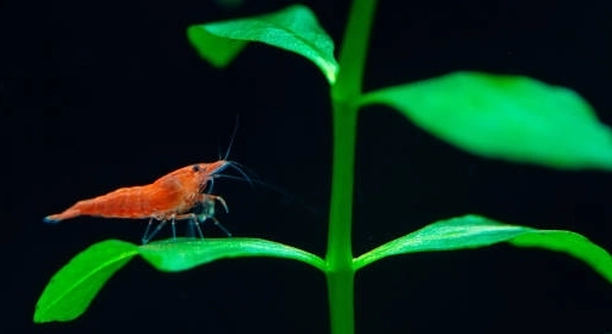
Do you ever notice your cherry shrimp moving in ways that seem thoughtful, as if they are aware of their surroundings? Observing their behavior can be fascinating, especially when patterns appear in their tank environment.
Cherry shrimp can recognize simple tank patterns through visual cues and spatial memory. Their ability to distinguish shapes and structures helps them navigate and locate food, contributing to more efficient movement and interaction within their aquatic habitat.
Understanding their responses to tank layouts can improve care and enrichment, making the environment more engaging for your shrimp over time.
How Cherry Shrimp See Their Environment
Cherry shrimp rely heavily on their vision and sensory perception to understand their surroundings. Their eyes, though simple compared to mammals, can detect changes in light and contrast. This allows them to notice differences in tank patterns, such as plants, rocks, or decorations. By remembering these shapes, they can move around with purpose, avoiding obstacles and finding hiding spots. This visual recognition also helps them locate food and respond to changes in water flow. Observing them, I’ve noticed that they often pause near a new decoration, seemingly assessing its presence before moving on. Their reactions are subtle but consistent, indicating they are processing the layout. Over time, shrimp may even adjust their preferred areas, showing a form of spatial memory. Tank setup plays a significant role in how they interact daily, influencing both behavior and activity levels. Proper structure can enrich their environment without requiring complex additions, keeping them healthy and engaged.
Recognizing patterns supports shrimp well-being, making navigation easier and reducing stress. They adapt quickly to repeated changes in their environment.
A consistent tank layout is vital for cherry shrimp. Changing decorations or moving plants often can confuse them, leading to hesitancy or reduced activity. Patterns like rocks, driftwood, or moss can become landmarks they rely on. Over time, shrimp develop mental maps, remembering where food is typically located or where safe hiding spaces exist. Observing this, it’s clear that even small changes in the tank can alter behavior, highlighting the importance of careful arrangement. Not every shrimp responds identically; some may be more exploratory, while others prefer familiar areas. Monitoring their movement can reveal which areas are most comfortable or stressful. This understanding allows caretakers to make informed decisions about layout changes. Even rearranging a single decoration may change how they interact with the tank, emphasizing that pattern recognition is a learned and ongoing process. Maintaining consistency, while occasionally introducing minor changes, can keep shrimp engaged without overwhelming them, supporting both health and natural behavior.
Improving Tank Interaction
Tank patterns encourage shrimp activity and engagement. Simple, predictable layouts make shrimp feel secure and active.
Providing recognizable structures enhances their movement and feeding efficiency. Plants, stones, and small hiding spots create visual cues they use to navigate. By arranging decorations thoughtfully, caretakers can guide shrimp toward preferred areas while minimizing stress. Repetition of these patterns allows shrimp to anticipate where to find food or retreat when threatened. Even minor variations, like slightly shifting moss or changing rock orientation, offer enrichment without causing confusion. Observing shrimp in a well-structured tank shows that they interact more confidently, exploring corners and climbing surfaces. Their movement is smoother, and hiding behavior becomes strategic rather than frantic. Over time, these patterns can also support social interactions among multiple shrimp. Groups tend to follow familiar paths, reducing territorial disputes. Understanding how patterns affect daily activity helps maintain a balanced tank ecosystem. With thoughtful placement and attention to layout, shrimp can thrive, showing more natural behavior and stronger adaptation to their home.
How Patterns Affect Feeding Behavior
Cherry shrimp use visual patterns to locate food efficiently. Recognizable landmarks, like stones or plants, help them remember where food is placed. Consistent placement encourages regular feeding habits and reduces stress.
When food is added near familiar structures, shrimp navigate quickly and confidently. They learn to associate certain areas with feeding times, often waiting near these spots. Over time, repeated exposure strengthens their memory, allowing them to anticipate meals. This behavior shows that pattern recognition is not limited to navigation but extends to daily routines. I’ve noticed my shrimp often gather near moss or rocks during feeding, highlighting their reliance on visual cues. Changing the food placement frequently can disrupt this routine, leading to slower feeding and increased hesitation. Structured environments help shrimp feel secure while encouraging natural foraging behavior, making care more predictable and less stressful.
Pattern recognition also supports social feeding interactions. Shrimp often cluster in familiar areas, reducing competition and allowing them to share food more efficiently. Recognizable patterns give each shrimp a sense of space and territory, minimizing conflict.
Enhancing Tank Design for Recognition
Adding contrasting shapes and textures helps shrimp distinguish areas more easily. Rocks, driftwood, and moss create reliable visual cues that they can remember and use for navigation.
Thoughtful tank design supports shrimp behavior and well-being. Clear pathways, hiding spots, and patterned layouts allow shrimp to explore confidently without feeling threatened. Visual landmarks aid in orientation, helping them find food, shelter, and safe resting areas. By introducing variety in textures and levels, shrimp can exercise natural climbing and foraging instincts. I’ve observed that shrimp interact more actively when patterns are consistent yet offer slight variation, balancing familiarity and enrichment. Even minor additions, like small stones or a new plant, can create new reference points for them. Consistency in pattern placement, combined with occasional changes, keeps their environment engaging and mentally stimulating. This approach encourages natural behaviors, reduces stress, and fosters a stable, active tank ecosystem, supporting both individual shrimp and the group as a whole.
Recognizing Shelter Spaces
Shrimp quickly identify safe hiding spots using visual cues from plants and decorations. Familiar areas reduce stress and provide a sense of security in their environment.
Consistent placement of shelters allows shrimp to retreat efficiently when startled. They learn which areas are safest, returning to them reliably.
Influence of Lighting and Contrast
Lighting and contrast enhance pattern recognition in cherry shrimp. Bright light can highlight textures and shapes, while shadows create distinct boundaries. I’ve noticed shrimp use these cues to navigate between hiding spots and open areas. Balanced lighting helps them detect food, avoid obstacles, and maintain confidence in movement.
Adjusting to New Patterns
Shrimp can adapt to minor changes in tank layout gradually. Introducing one or two new elements at a time prevents confusion and allows them to explore safely.
FAQ
Can cherry shrimp really remember tank patterns?
Yes, cherry shrimp demonstrate a basic form of spatial memory. They can recognize familiar structures, like rocks, moss, and decorations, and use these cues to navigate efficiently. I’ve seen my shrimp repeatedly return to the same hiding spots and feeding areas, showing that repeated exposure helps them remember the layout. Their memory isn’t complex like mammals, but it’s enough for daily routines, avoiding hazards, and finding food. Consistent tank arrangements support this learning, while frequent drastic changes can confuse them and slow their movements.
How long does it take for shrimp to get used to a new tank pattern?
It varies, but typically a few days to a week is enough for shrimp to adjust to minor changes. I’ve noticed that if I add a small stone or move a plant slightly, shrimp cautiously explore and then incorporate the new element into their navigation. Major rearrangements, however, can take longer and may temporarily increase hiding behavior or hesitation. Gradual changes help shrimp learn new landmarks without causing stress.
Do all shrimp respond the same way to patterns?
Not necessarily. Individual shrimp have different activity levels and personalities. Some are more adventurous and explore new layouts quickly, while others are shy and rely heavily on familiar structures. In my tank, the bolder shrimp often lead exploration, while the timid ones follow only after confirming safety. Observing these differences is helpful for planning tank layout changes and understanding behavior.
Can tank patterns affect feeding efficiency?
Absolutely. Shrimp use visual cues to find food quickly. Placing food near familiar structures, like moss or rocks, allows them to feed confidently and efficiently. I’ve seen them repeatedly return to the same feeding spots once they learn where food is usually offered. Changing placement too often can slow feeding and cause hesitation, while consistent patterns support natural foraging instincts.
Do shrimp use patterns for social interactions?
Yes, patterns influence how shrimp interact with one another. Familiar landmarks provide predictable spaces for multiple shrimp to share without conflicts. I’ve observed groups clustering around recognized hiding spots or feeding areas, which helps reduce competition. Patterns also allow shy shrimp to retreat safely, maintaining group harmony. Thoughtful tank design can support both social behavior and individual comfort.
Will adding new decorations confuse shrimp?
It depends on how many are added at once. Gradual additions are usually fine and can even enrich the environment, offering new exploration opportunities. In my experience, adding a single stone or small plant allows shrimp to assess it safely. Sudden, large changes can overwhelm them, causing stress and reluctance to explore. Small, incremental changes are the most effective approach.
Do shrimp prefer symmetrical or random patterns?
Shrimp do not require symmetry, but clear visual differences help them navigate. Contrasting textures and heights make certain areas stand out as landmarks. I’ve noticed my shrimp using tall plants, moss-covered stones, or driftwood as reference points. Random arrangements can work if consistent, but overly cluttered tanks can confuse them and reduce movement.
Can changing water conditions affect pattern recognition?
Yes, stress from poor water quality can interfere with shrimp behavior and their ability to recognize patterns. I’ve seen shrimp become sluggish or hide more when water parameters fluctuate. Keeping stable temperature, pH, and ammonia levels ensures they can use visual cues effectively, maintain normal activity, and benefit from familiar tank patterns.
Do shrimp react differently to natural vs. artificial decorations?
Shrimp respond primarily to visual cues rather than the material itself. Natural decorations like driftwood and live plants often provide more hiding spots and texture variety, encouraging exploration. Artificial decorations work too, as long as shapes and patterns are recognizable. I’ve noticed shrimp tend to prefer areas that offer both security and visual contrast, regardless of material.
Is there a way to train shrimp to recognize new patterns faster?
Yes, repetition and consistency help. Placing food near new decorations or arranging structures in predictable ways encourages shrimp to explore and learn quickly. I’ve found that gradually reinforcing these patterns through repeated exposure allows them to adapt without stress. Sudden or excessive changes slow the learning process.
How can I tell if shrimp are confused by a pattern change?
Signs include increased hiding, slower movement, and hesitation when exploring. In my tank, if I move multiple decorations at once, shrimp often pause at unfamiliar spots, trying to assess safety. These behaviors indicate they are processing changes. Gradual adjustments help them regain confidence while maintaining activity.
Does tank size affect pattern recognition?
Yes, larger tanks require more landmarks for shrimp to navigate effectively. In smaller tanks, fewer decorations are needed because distances are shorter. I’ve noticed that in spacious tanks, shrimp use multiple reference points to find food and shelter, whereas in smaller setups, a single familiar plant or rock can serve as an effective landmark.
Cherry shrimp are small creatures, but their behavior is more complex than many people realize. Observing them over time, it becomes clear that they rely heavily on visual cues and familiar patterns within their tank. They can distinguish between shapes, textures, and even shadows, using these details to navigate their environment safely. I’ve noticed that my shrimp consistently return to the same hiding spots or feeding areas, suggesting that they form a mental map of their surroundings. This ability to recognize and remember patterns helps them feel secure, reduces stress, and allows them to carry out natural behaviors like foraging and exploring without confusion. Even small changes in the tank layout can influence their behavior, showing just how sensitive they are to the details in their habitat. By paying attention to these patterns, caretakers can create an environment that supports both comfort and engagement for their shrimp.
Consistent tank layouts are particularly important when it comes to feeding and social interaction. Cherry shrimp learn where food is typically placed, and they use the visual cues provided by plants, rocks, and decorations to move efficiently toward it. When food is added near familiar structures, shrimp respond quickly and confidently, often gathering in predictable areas. Social interactions are also influenced by patterns in the tank. Shrimp tend to share space more effectively when landmarks are consistent, as they can predict where others might be and avoid unnecessary conflicts. I’ve noticed that when decorations or hiding spots are rearranged abruptly, some shrimp become more hesitant, hide more frequently, or move slower. Gradual adjustments, on the other hand, allow them to adapt without stress, reinforcing their ability to recognize and rely on tank patterns.
Creating a well-structured and engaging tank involves balancing familiarity with occasional enrichment. Providing stable landmarks like moss-covered stones, plants, or driftwood helps shrimp recognize important areas, while minor additions or changes can encourage exploration and mental stimulation. Attention to lighting and contrast also enhances pattern recognition, helping shrimp navigate and respond to their environment more effectively. Observing shrimp over time makes it clear that they are constantly learning from their surroundings, and even small details can impact how they move, feed, and interact with one another. By designing a thoughtful tank that considers these behaviors, caretakers can support the natural instincts of cherry shrimp, ensuring they remain active, confident, and comfortable in their home. Their ability to recognize patterns is a key part of their daily life, and respecting this aspect of their behavior makes for a healthier and more harmonious tank environment.

Hello,
If you enjoy the content that we create, please consider saying a "Thank You!" by leaving a tip.
Every little bit helps us continue crafting quality advice that supports the health, happiness, and well-being of pets around the world, for pets of all shapes, sizes, and species.
We really appreciate the kindness and support that you show us!