
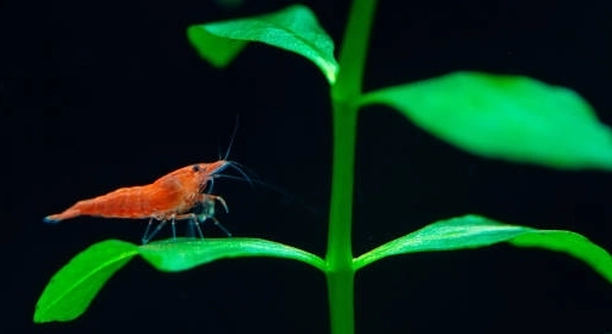
Keeping shrimp as pets can be a rewarding experience, but it requires attention to their behavior and environment. Even small changes in their tank can affect their health and comfort over time. Observing them carefully is essential.
Shrimp often exhibit stress through subtle changes in color, movement, and appetite. Signs include hiding more than usual, excessive molting, or erratic swimming patterns. Monitoring these indicators can help maintain a stable and healthy habitat for your shrimp.
Recognizing these signs early allows you to take action to improve your shrimp’s living conditions and overall well-being in their tank.
Changes in Color
Shrimp often show stress through subtle changes in their coloration. Healthy shrimp display consistent, vibrant colors that reflect their species. When stressed, their colors can fade, darken, or develop unusual spots. This may happen due to water quality issues, improper diet, or sudden environmental changes. For instance, ammonia or nitrite spikes in the tank can affect their pigmentation. Even small shifts in lighting or temperature can trigger color changes. Observing your shrimp daily can help you notice these differences early. Molting cycles may also affect color temporarily, so consider recent molts before assuming stress. Providing a stable, clean environment with proper hiding spaces and a balanced diet can help shrimp regain their natural hues. Keeping a log of water parameters and feeding habits helps identify patterns that may influence color changes. By addressing these factors promptly, you reduce long-term stress and support your shrimp’s health.
Color changes in shrimp are often the first visible sign of stress and should not be ignored.
Tracking these shifts closely gives insight into the overall condition of your tank. Monitoring lighting, temperature, and water parameters regularly allows you to make necessary adjustments. Providing hiding spots, like moss or plants, gives them security and reduces stress. Even small improvements in diet, such as adding high-quality shrimp pellets or blanched vegetables, can restore vibrant coloration. Noticing patterns over weeks helps you understand which environmental factors trigger stress. Consistency in water quality and feeding routines is key, and frequent observation ensures early detection of any unusual behavior or physical changes. This attention can prevent more severe health issues, improve molting success, and encourage natural activity levels. By maintaining stable conditions, your shrimp are more likely to exhibit their true colors, swim confidently, and feed regularly, creating a peaceful tank environment that benefits all tank inhabitants.
Unusual Swimming Patterns
Shrimp may swim erratically, cling to surfaces excessively, or float near the water’s surface when stressed. These behaviors often indicate discomfort with water conditions or other environmental factors.
Erratic swimming can signal poor water quality, sudden temperature shifts, or lack of oxygen. Shrimp may dart rapidly across the tank or remain in unusual positions. Observing these movements alongside water parameters can reveal the root of the problem. Hiding behavior or clinging to tank walls can indicate stress from overpopulation or insufficient shelter. Sometimes, incompatible tank mates cause stress, prompting unusual swimming patterns. Ensuring proper filtration, aeration, and sufficient plant coverage can reduce these behaviors. Feeding routines and water changes also play a role in maintaining comfort. Regular monitoring allows you to intervene before health declines. Adjustments such as reducing light intensity, checking for chemical imbalances, or rearranging decorations often restore normal swimming patterns. Over time, these measures create a calm and predictable environment where shrimp feel secure and behave naturally.
Loss of Appetite
Shrimp that stop eating or show little interest in food are often stressed. Appetite changes can result from poor water quality, sudden temperature shifts, or overcrowding. Monitoring feeding habits closely is important.
A sudden decrease in appetite can indicate underlying issues. Poor water parameters, such as high ammonia or nitrite levels, affect shrimp metabolism, making them less likely to eat. Overcrowded tanks may also create competition for food, leading stressed shrimp to hide rather than feed. Additionally, molting periods can temporarily reduce appetite, but persistent refusal to eat signals stress or illness. Adjusting feeding routines, ensuring clean water, and providing a safe environment can encourage shrimp to resume normal eating patterns. Observing how shrimp respond after water changes or new food can reveal their comfort level.
Stress-related appetite loss can also impact growth and reproduction. Shrimp deprived of proper nutrition may experience weaker molting, reduced activity, and lower resilience to disease. Providing a consistent diet with quality pellets, occasional vegetables, and protein sources supports recovery. Maintaining stable water conditions and minimizing sudden changes allows shrimp to feel secure. Even small additions like hiding spots or gentle aeration can reduce anxiety and stimulate feeding behavior. Consistency in care ensures shrimp regain strength, maintain vibrant colors, and participate in normal tank activities without further health setbacks.
Excessive Hiding
Shrimp that hide constantly or avoid open areas often feel unsafe. Overcrowding, aggressive tank mates, or sudden disturbances can trigger this behavior.
Hiding is a natural response to perceived threats, but excessive hiding indicates stress. Shrimp may remain under plants, decorations, or substrate for extended periods, avoiding feeding or normal swimming. Limited space or poor tank layout can amplify this behavior. Adjusting the environment by providing adequate hiding spots while reducing overcrowding helps restore balance. Observing shrimp activity patterns reveals when hiding exceeds normal caution, signaling the need for intervention.
Creating a comfortable environment requires attention to tank layout and social dynamics. Shrimp need a balance of open swimming areas and protective spaces. Excessive hiding may stem from water quality issues, improper temperature, or sudden changes in light levels. Ensuring stable conditions and gentle handling reduces stress. Some shrimp species are naturally shy, but persistent hiding across multiple individuals points to environmental problems. Adding plants, moss, and small shelters encourages exploration while offering safety. Monitoring behavior daily and adjusting tank parameters as needed helps shrimp regain confidence. Over time, shrimp that previously stayed hidden begin swimming openly, feeding regularly, and interacting normally, reflecting improved well-being and reduced stress levels.
Rapid Gill Movement
Shrimp showing rapid gill movement often struggle with oxygen levels or water quality. This behavior is a clear indicator of stress and should be addressed immediately.
Excessive gill movement can be triggered by low oxygen, high ammonia, or sudden temperature changes. Ensuring proper aeration and regular water checks helps reduce this stress.
Molting Irregularities
Shrimp may molt more frequently or fail to molt properly when stressed. Irregular molting can lead to weak exoskeletons, vulnerability to disease, and reduced activity. Stressors such as poor water quality, lack of minerals, or sudden environmental changes disrupt normal molting cycles. Observing molting patterns alongside water parameters can help identify causes. Providing stable conditions, a mineral-rich diet, and adequate hiding spaces supports successful molts. Regular monitoring allows early detection of issues, preventing long-term health problems. Consistent care and attention to molting behavior ensure shrimp maintain healthy growth and resilience against stress-induced complications.
Lethargy
Shrimp that appear inactive or move very slowly are often experiencing stress or discomfort.
FAQ
What causes shrimp stress in an aquarium?
Shrimp can become stressed due to poor water quality, sudden temperature changes, overcrowding, or aggressive tank mates. High levels of ammonia, nitrite, or nitrate affect their health and behavior. Inconsistent lighting, rapid water changes, or improper filtration can also make shrimp uneasy. Even minor disruptions, like loud vibrations near the tank, can trigger stress. Providing a stable, clean environment with proper hiding spots and regular monitoring is essential for reducing stress and keeping shrimp healthy.
How can I tell if my shrimp are stressed?
Signs of stress include color changes, unusual swimming patterns, loss of appetite, excessive hiding, rapid gill movement, molting problems, and lethargy. Observing daily behavior is important. Small changes can indicate underlying problems before they become severe. Keeping a log of water parameters, feeding habits, and activity levels helps identify stress triggers. Stress may manifest differently depending on shrimp species, but consistent monitoring ensures early detection. Addressing these signs promptly prevents long-term health issues.
Can poor water quality harm shrimp?
Yes, shrimp are highly sensitive to water conditions. Ammonia, nitrite, and nitrate spikes can damage gills and internal organs, leading to stress or death. pH fluctuations, hardness issues, and improper temperature ranges also affect their behavior and molting cycles. Regular water testing and partial water changes maintain a healthy environment. Using appropriate filtration and avoiding overfeeding reduces waste buildup. Adding plants and moss can help stabilize water parameters and provide shelter, minimizing stress. Stable water quality is the foundation for healthy, active shrimp.
How do I reduce hiding behavior in shrimp?
Excessive hiding usually indicates stress from perceived threats or environmental discomfort. Providing a balanced tank layout with hiding spaces and open swimming areas encourages exploration. Reducing overcrowding and separating aggressive species helps. Stable water parameters, gentle lighting, and predictable feeding routines also make shrimp feel secure. Observing their activity patterns after adjustments shows if the environment supports normal behavior. Over time, shrimp become more active and spend less time hiding when their habitat meets their needs.
Why are my shrimp not eating?
Loss of appetite often signals stress or poor water quality. Overcrowding, incompatible tank mates, or sudden changes in environment can make shrimp reluctant to feed. Providing a consistent diet with quality pellets, blanched vegetables, or protein sources helps restore feeding habits. Monitoring water conditions, ensuring sufficient oxygen, and maintaining a calm environment encourages shrimp to eat normally. Appetite changes can also occur during molting, but persistent refusal to feed warrants immediate attention to prevent weakness and health issues.
What should I do if my shrimp show erratic swimming?
Erratic swimming can be caused by low oxygen, chemical imbalances, or sudden environmental changes. Ensure proper aeration, stable water parameters, and compatible tank mates. Avoid sudden movements or disturbances around the tank. Observing patterns over time helps pinpoint triggers. Adjusting light, decorations, or flow can calm shrimp and restore normal swimming behavior. Regular checks and a stable routine prevent further stress and improve overall well-being.
How often should I check water parameters for shrimp?
Water should be tested at least weekly, with checks for ammonia, nitrite, nitrate, pH, temperature, and hardness. Frequent monitoring helps detect problems early. Sudden changes between tests can be harmful, so keeping parameters stable is more important than testing constantly. Recording results creates a reference to identify trends, helping maintain a safe and stress-free environment. Consistency in water quality is essential for preventing stress-related behavior and promoting healthy growth.
Can stress affect shrimp molting?
Yes, stressed shrimp may molt irregularly or fail to molt completely. Poor water quality, lack of minerals, aggressive tank mates, or sudden environmental changes can disrupt molting cycles. Incomplete molts make shrimp vulnerable to injury and disease. Providing stable water conditions, a mineral-rich diet, and safe hiding spaces supports successful molting. Observing shrimp during molts ensures any issues are addressed quickly. Stress reduction and proper care are key to maintaining regular, healthy molting cycles and long-term health.
What are the best ways to keep shrimp stress-free?
Maintain stable water conditions, avoid overcrowding, and ensure compatible tank mates. Provide hiding spaces, gentle lighting, and a consistent feeding schedule. Monitor behavior and water parameters regularly. Avoid sudden disturbances near the tank, and provide a balanced diet with essential nutrients. Stability, observation, and preventive care are the most effective ways to reduce stress. These practices encourage shrimp to swim, feed, and molt normally, promoting health and longevity in their environment.
How quickly can shrimp recover from stress?
Recovery depends on the cause and severity of stress. Minor stress from brief environmental changes may resolve within a few days once water quality and diet are restored. Chronic stress from prolonged poor conditions may take weeks, requiring consistent care, improved habitat, and proper nutrition. Monitoring behavior during recovery helps track progress. Gradual improvement in color, activity, and appetite indicates successful recovery. Preventive measures reduce the risk of future stress and support long-term shrimp health.
Word count: 518
Final Thoughts
Taking care of shrimp requires attention to both their environment and their behavior. Shrimp are small and delicate, so even minor changes in water quality, temperature, or tank setup can affect their well-being. Observing them closely allows you to notice signs of stress early, before they develop into serious health problems. By keeping the water clean, stable, and well-filtered, and maintaining consistent feeding routines, you can create a secure environment where shrimp can thrive. Even small steps, like adding hiding spots or ensuring proper aeration, can make a significant difference in their comfort and activity levels. Daily observation, combined with regular maintenance, helps prevent many common issues and supports their natural behavior.
Stress in shrimp can appear in different ways, such as color changes, unusual swimming, loss of appetite, excessive hiding, rapid gill movement, molting problems, and lethargy. Understanding these signs helps you respond quickly to their needs. Each shrimp may show stress differently, and paying attention to patterns over time is important. Regular water testing, monitoring diet, and maintaining a calm tank environment all reduce stress. Some issues, like molting irregularities or feeding changes, require more careful observation and sometimes small adjustments to the tank setup. Keeping a log of water parameters and shrimp activity can make it easier to track problems and see improvements after changes are made. Consistency is key, as sudden shifts in water chemistry or temperature often cause more harm than prolonged minor fluctuations.
Providing a stable, well-maintained habitat is the most effective way to reduce shrimp stress and support their long-term health. Simple actions, such as spacing plants and decorations properly, using gentle lighting, and avoiding aggressive tank mates, can improve their comfort significantly. Maintaining a balanced diet and offering occasional variety in food encourages natural feeding behavior and helps shrimp regain strength if they show signs of stress. Observing their behavior and making gradual improvements ensures that shrimp can thrive, molt successfully, and exhibit natural colors and activity levels. Over time, these practices create a calm, predictable environment that promotes healthy growth and well-being. Consistent care, attention to detail, and proactive observation allow shrimp to live longer, healthier lives, and make managing your tank a more rewarding experience.
Word count: 409

Hello,
If you enjoy the content that we create, please consider saying a "Thank You!" by leaving a tip.
Every little bit helps us continue crafting quality advice that supports the health, happiness, and well-being of pets around the world, for pets of all shapes, sizes, and species.
We really appreciate the kindness and support that you show us!