
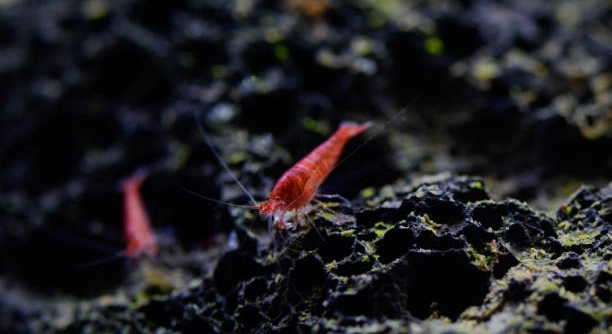
Cherry shrimp are small, bright creatures that bring life to freshwater aquariums. Their tiny movements and constant activity make them fascinating to watch, especially when they explore every corner of their tank during the evening hours.
Cherry shrimp are naturally nocturnal foragers, seeking food and avoiding predators. Their activity at night is driven by instinct, light sensitivity, and the need to maintain safety while efficiently gathering nutrients from their environment.
Observing their nighttime behavior can reveal patterns that help you care for them better and understand their needs more fully.
Nighttime Activity and Natural Instincts
Cherry shrimp are most active during the night because of their natural instincts. In the wild, being active when light is low helps them avoid predators. Their small size and bright color make them more vulnerable during the day, so nighttime exploration increases their safety. At night, they search for algae, biofilm, and small particles that are difficult to access during the day. This behavior is essential for their nutrition and overall health. Observing them at night can reveal patterns in feeding and movement that are otherwise hidden. They often move slowly and deliberately, testing surfaces and sensing their environment. Their antennae are constantly moving, helping them detect food and navigate around obstacles. Understanding this behavior helps aquarium owners create better habitats. Adding plants, hiding spots, and gentle lighting can make their environment comfortable and allow them to follow their natural instincts without stress. Nighttime activity is a sign of a healthy shrimp.
Cherry shrimp are active at night mainly to avoid predators and efficiently find food in safer conditions.
Creating an environment that mimics their natural habitat encourages this behavior. By adding hiding spots, plants, and low lighting, shrimp can explore freely and feed without stress. Tank placement and gentle filtration also play a role in maintaining comfortable nighttime conditions, allowing shrimp to thrive.
Light Sensitivity and Behavior
Cherry shrimp react strongly to light, which affects their movement and feeding habits.
Bright light can stress them, causing them to hide or remain still. Their eyes are sensitive, and constant exposure may interfere with natural behaviors.
In aquariums, dim lighting during the night encourages natural exploration and feeding. Shrimp tend to avoid open areas under strong light, preferring to explore shaded zones or areas near plants and decorations. Their natural circadian rhythm aligns with low light, allowing them to forage and clean surfaces efficiently. Artificial lights, if too intense, can disrupt this pattern and reduce activity. Observing how they respond to different lighting can guide adjustments in tank setup. Gradual light changes, hiding spaces, and shaded areas allow shrimp to feel safe and maintain a healthy routine. Balancing lighting ensures they remain active at night without stress while promoting natural feeding and movement patterns, contributing to their well-being.
Feeding Patterns at Night
Cherry shrimp primarily feed during nighttime when the tank is quieter. This is when algae, biofilm, and leftover food are easier to access. Nighttime foraging helps them get sufficient nutrients while avoiding disturbances from daytime activity.
Feeding patterns are influenced by light levels and tank activity. During the day, shrimp often stay hidden, but at night they move freely across surfaces. Their antennae constantly sweep for edible particles, and their small claws pick up even tiny food fragments. Nighttime feeding ensures they get enough energy for growth, molting, and reproduction. Observing these patterns helps in adjusting feeding schedules and tank care. Overfeeding during the day is less effective because shrimp are less active. By offering food in the evening or reducing light intensity, owners can encourage natural feeding behavior and maintain tank cleanliness simultaneously.
Shrimp also tend to clean surfaces while feeding at night. They pick at plant leaves, decorations, and substrate, consuming biofilm and detritus. This behavior supports tank health and their own nutrition.
Social Behavior and Exploration
Cherry shrimp explore together, especially in groups, which increases safety during nighttime activity.
Exploration at night is often social. Shrimp move over plants, rocks, and substrate together, communicating through gentle touches and antennae movements. This collective behavior reduces stress and allows them to forage efficiently. When one shrimp finds food, others often follow, spreading out across the tank to maximize resource use. Nighttime exploration is also a time for interacting with the environment, testing new hiding spots, and establishing small territories. Social interactions strengthen their natural instincts and help maintain a balanced tank dynamic. Observing these patterns gives insight into shrimp personalities and preferences, helping owners optimize habitat design. Subtle cues like body posture and antennae movement reveal communication and decision-making within the group. Proper tank setup, including plants and structures, encourages safe social exploration, supporting both nutrition and wellbeing.
Molting and Night Activity
Molting often happens at night when cherry shrimp feel safest. They shed their old exoskeleton to grow, a vulnerable process that requires quiet and low disturbance.
During nighttime, they are less exposed to potential threats. Hiding in plants or under decorations provides security while their new shell hardens.
Impact of Tank Setup
Tank layout strongly affects nighttime exploration. Dense plants, hiding spots, and gentle substrates encourage natural movement and reduce stress. Shrimp move freely when the environment feels secure, allowing normal foraging and social behaviors.
Proper placement of decorations and plants creates shaded areas that mimic natural habitats. Smooth surfaces prevent injury, and gentle filtration ensures currents do not disturb their nighttime activity. Open spaces near plants allow them to explore safely while still having access to hiding spots. Observing how shrimp interact with the setup at night can guide improvements. A well-arranged tank promotes healthy molting, feeding, and social interactions, ensuring shrimp remain active and comfortable during their peak nighttime hours.
Substrate Exploration
Cherry shrimp spend much of the night scanning the substrate for food. Fine sand or gravel allows them to sift efficiently while avoiding injury.
FAQ
Why are cherry shrimp more active at night?
Cherry shrimp are naturally nocturnal. Being active at night helps them avoid predators and reduces stress from bright lights. Nighttime activity also aligns with their instinct to forage for algae, biofilm, and small food particles that are easier to find when the tank is quiet.
Can bright tank lights affect their nighttime behavior?
Yes, bright lights can make shrimp hide or stay inactive. They are sensitive to light, and constant exposure can stress them. Using dim lights or providing shaded areas encourages natural nocturnal movement and feeding. Gradual light changes during day and night cycles help them adjust comfortably.
How often should I feed cherry shrimp at night?
Feeding once a day, preferably in the evening, works well. Shrimp are more likely to explore and eat when the tank is quiet. Offering small portions prevents leftover food from polluting the tank. Overfeeding during the day is less effective because shrimp are less active.
Do cherry shrimp prefer certain plants or decorations at night?
Yes, dense plants, moss, and hiding spots make them feel secure. They explore around these areas, often picking at biofilm and algae on surfaces. Decorations that create shaded zones or small crevices encourage safe movement and natural nighttime foraging behaviors.
Is nighttime activity a sign of healthy shrimp?
Yes, active exploration at night usually indicates good health. Healthy shrimp forage, molt properly, and interact socially during these hours. If shrimp are hiding constantly or show minimal movement, it could indicate stress, illness, or unsuitable tank conditions, such as strong currents or excessive light.
How does tank size affect their nighttime exploration?
Larger tanks with plenty of plants and hiding spots allow shrimp to move more freely. Small or crowded tanks can limit exploration and increase stress. Providing vertical and horizontal spaces ensures they can forage and interact comfortably while staying safe from potential disturbances.
Should I adjust water conditions for nighttime activity?
Maintaining stable water conditions is crucial. Shrimp respond to temperature, pH, and hardness changes. Nighttime activity may decrease if water parameters fluctuate. Consistent conditions, along with gentle filtration and low lighting, encourage normal movement and reduce stress.
Do cherry shrimp communicate during nighttime exploration?
Yes, they communicate subtly through antennae touches and body movements. These interactions help establish social order, indicate food sources, and maintain group cohesion. Observing these behaviors can reveal personalities and social dynamics within your tank.
Can other tank inhabitants affect shrimp activity at night?
Yes, larger or aggressive fish may limit nighttime movement. Shrimp will hide more often if they feel threatened. Choosing peaceful tank mates and providing hiding spots ensures they remain active and safe during nighttime foraging and exploration.
How can I encourage more nighttime exploration?
Use dim lighting, add plants and hiding spots, and feed in small amounts during the evening. Keeping the tank calm and minimizing disturbances during night hours encourages shrimp to forage, molt, and socialize naturally. Regular observation helps identify what adjustments work best for your shrimp.
Do cherry shrimp explore differently when alone versus in groups?
Yes, shrimp are more confident and active when in groups. They follow each other while foraging and explore surfaces together. Alone, they may stay closer to hiding spots and move less. Group exploration helps reduce stress and encourages natural behaviors.
Is it normal for shrimp to rest during the night?
Yes, shrimp take short rests even during nighttime activity. They often pause in safe, shaded areas to conserve energy. These rest periods are normal and do not indicate illness. Healthy shrimp balance activity with brief rest to support feeding, growth, and molting cycles.
Do changes in feeding schedule affect nighttime behavior?
Yes, feeding timing can influence their activity. Feeding in the evening encourages natural nocturnal foraging. Skipping meals or feeding inconsistently may reduce movement or lead to stress. Small, regular evening feedings help maintain healthy nighttime activity patterns.
Can substrate type change how shrimp explore at night?
Yes, fine sand or smooth gravel makes it easier for shrimp to sift and pick up particles. Rough or large substrate can slow movement or cause minor injuries. Choosing suitable substrate supports both safe exploration and efficient feeding during night hours.
How do shrimp behave during molting at night?
Molting usually occurs at night because they feel safer. They hide while shedding the old exoskeleton and remain still until their new shell hardens. Proper hiding spots, low light, and minimal disturbances are important to ensure safe and stress-free molting.
Can nighttime activity indicate stress if excessive?
Yes, overly frantic or constant movement can be a sign of stress. Causes may include poor water conditions, bright lights, or aggressive tank mates. Observing patterns carefully helps identify environmental factors affecting behavior and allows adjustments to improve shrimp comfort and health.
How does temperature affect nighttime exploration?
Temperature impacts metabolism and activity. Warmer, stable water encourages movement, feeding, and social behavior, while sudden drops or fluctuations can reduce nighttime activity. Maintaining consistent temperatures supports healthy, natural exploration patterns.
Do shrimp explore the water column at night?
Occasionally, they may move vertically to reach floating food or surfaces. Most activity is along the substrate and plant surfaces. Vertical exploration is limited but normal, especially in tanks with tall plants or open swimming spaces.
What is the best way to observe nighttime behavior without disturbing shrimp?
Use dim, indirect lighting or red light, as shrimp are less sensitive to red wavelengths. Avoid tapping the glass or making sudden movements. Quiet observation lets you see natural foraging, social interaction, and molting without causing stress.
How does age or size affect nighttime activity?
Younger shrimp tend to explore more cautiously, while adults are bolder. Smaller shrimp may stay closer to hiding spots, whereas larger ones venture further. Both display nocturnal foraging, but the extent of movement varies with size, experience, and confidence within the tank environment.
Do seasonal changes affect their night behavior?
Yes, seasonal shifts in temperature and light cycles can influence activity. Longer or brighter days may reduce nighttime movement, while stable, moderate conditions encourage regular nocturnal foraging. Monitoring the tank environment ensures consistent behavior throughout the year.
Can tank mates disrupt nighttime molting?
Yes, curious or aggressive tank mates may stress molting shrimp, causing delayed or incomplete exoskeleton shedding. Providing isolated hiding areas or densely planted sections allows safe nighttime molting and reduces the risk of injury.
How long is their typical nighttime activity period?
Activity usually begins as lights dim and continues for several hours. Most shrimp forage, explore, and socialize during this window. Activity gradually decreases as they rest in shaded or secure areas, balancing energy use and nutrition needs.
Is it normal for shrimp to interact with the substrate differently at night?
Yes, nighttime exploration includes picking at biofilm, detritus, and algae on substrate surfaces. They often move slowly and methodically, using their claws and antennae to search for edible particles. This behavior supports both nutrition and tank cleanliness.
Can adding live plants change nighttime behavior?
Yes, live plants provide shade, hiding spots, and surfaces for biofilm growth. Shrimp explore these areas at night, feeding and resting safely. Plants encourage natural movement patterns, increase activity, and enhance overall health while mimicking aspects of their natural habitat.
Do shrimp sleep at night?
Shrimp do not sleep like mammals but take short resting periods. Even during nighttime activity, they pause in shaded or secure spots. These rests conserve energy for feeding, molting, and social interactions while keeping them alert to potential threats.
How does water flow affect nighttime exploration?
Strong currents can inhibit movement and increase stress. Gentle filtration allows shrimp to explore freely while sifting substrate and feeding. Proper flow encourages natural behavior without exhausting or disturbing them.
Are nocturnal behaviors influenced by food type?
Yes, shrimp respond differently to algae, biofilm, or commercial foods. They may focus on areas where preferred foods accumulate. Offering a variety of foods supports natural foraging instincts and keeps nighttime activity consistent and healthy.
Can sudden disturbances interrupt their night activity?
Yes, loud noises, tapping the tank, or sudden light changes can cause shrimp to hide or freeze. Maintaining a calm, stable environment at night allows normal exploration, feeding, and social interaction.
How can I tell if nighttime activity is abnormal?
Signs include excessive hiding, frantic movement, or lethargy. These may indicate poor water quality, stress, or illness. Monitoring behavior over time helps identify issues early and ensures proper care.
Do cherry shrimp interact with decorations differently at night?
Yes, they use decorations as exploration points and hiding spots. Surfaces collect biofilm, which shrimp pick at while foraging. Complex setups encourage natural behaviors and give them confidence to move safely throughout the tank.
Does age or breeding status change nighttime activity?
Breeding females may explore more cautiously, seeking safe areas to molt and care for eggs. Males may be more active while searching for food or mates. Activity patterns vary but remain largely nocturnal across ages and reproductive stages.
Are all cherry shrimp equally active at night?
Individual personalities matter. Some are bolder, moving across open areas, while others stay close to shelter. Group behavior often balances these differences, allowing both cautious and adventurous shrimp to explore safely at night.
Do shrimp react to vibrations or tank movements at night?
Yes, vibrations can startle them, causing temporary hiding or frozen behavior. Minimizing disturbances helps maintain natural nighttime activity and reduces stress.
How does tank cleanliness affect nighttime exploration?
A clean tank with minimal waste supports healthy foraging and movement. Excess debris or poor water quality can reduce nighttime activity or stress shrimp, leading to hiding or irregular feeding patterns. Regular maintenance promotes safe, active behavior.
Are nighttime behaviors different between tank-raised and wild shrimp?
Tank-raised shrimp may be slightly more confident around humans but still follow natural nocturnal instincts. Both exhibit similar patterns of foraging, exploration, and social interaction under low-light conditions.
Do cherry shrimp exhibit grooming behaviors at night?
Yes, they clean themselves and other surfaces while exploring. Grooming helps remove debris, algae, and parasites, contributing to overall health and hygiene.
Can feeding live foods at night change activity?
Live foods stimulate exploration and foraging, increasing nighttime movement. Shrimp actively hunt or pick at moving particles, mimicking natural behaviors and keeping them engaged and healthy.
How long does nighttime exploration last?
Typically, several hours after lights dim. Activity gradually decreases as shrimp rest or return to hiding spots. Consistent conditions and feeding schedules support predictable nighttime behavior and overall wellbeing.
Does water temperature variation at night affect activity?
Sudden drops can reduce movement, while stable, slightly warmer water promotes natural foraging, exploration, and social behavior. Maintaining steady temperatures encourages regular nighttime routines.
How do shrimp choose hiding spots at night?
They select dense plants, shaded areas, or crevices that feel secure. The choice depends on size, confidence, and social interactions, balancing safety with access to food and exploration opportunities.
Do cherry shrimp leave trails or marks at night?
Yes, their movement leaves subtle trails in the substrate as they sift for food. This is normal and shows active exploration and feeding behavior.
Can nighttime activity indicate health problems?
Yes, drastic changes, lethargy, or frantic movement may signal stress, disease, or poor water quality. Observing patterns helps detect issues early and maintain a healthy environment.
Do shrimp prefer exploring certain tank areas at night?
They favor areas with food sources, hiding spots, and shade. Open spaces are less attractive unless they feel safe. Properly arranged tanks encourage balanced movement throughout the night.
How does tank noise affect nighttime exploration?
Noise from pumps or nearby vibrations can cause stress and hiding. Quiet conditions and minimal disturbances support natural nocturnal activity, feeding, and social behaviors.
Are nighttime activities linked to molting cycles?
Yes, shrimp often molt at night for safety. Increased nighttime activity may coincide with molting preparation or recovery periods, highlighting the importance of secure hiding spots.
Can group size change nighttime patterns?
Larger groups may explore more confidently, while isolated shrimp move cautiously. Group dynamics influence foraging efficiency, social interactions, and substrate exploration.
Do shrimp interact differently with tankmates at night?
Interactions are calmer than daytime. They communicate via antennae and body movements, establish small territories, and forage together while avoiding conflict. Nighttime reduces stress and promotes natural group behavior.
Is it normal for shrimp to pause during nighttime exploration?
Yes, they take short rests in shaded or secure areas. These pauses conserve energy for feeding, molting, and social interactions without compromising nighttime activity.
Do changes in diet affect nighttime exploration?
Varied diets stimulate foraging and exploration. Shrimp respond to algae, biofilm, or commercial foods differently, which can increase or decrease nighttime activity depending on availability and preference.
Can nighttime activity predict breeding readiness?
Active foraging and social interactions at night are often signs of healthy, mature shrimp. While not definitive, consistent nighttime behavior indicates readiness for reproduction and overall health.
How do shrimp interact with plants during nighttime?
They explore plant surfaces for biofilm and algae while hiding among leaves. Dense, layered plants allow safe movement, foraging, and resting in secure spots, supporting nocturnal routines.
Do they respond to changes in water chemistry at night?
Yes, sudden pH, hardness, or chemical changes can reduce nighttime movement or cause hiding. Stable conditions maintain healthy nocturnal exploration and feeding behaviors.
Can tank layout encourage nighttime social behavior?
Yes, plants, hiding spots, and decorations allow group movement while ensuring safety. Proper layouts balance individual space with opportunities for interaction and shared foraging.
Are there signs of stress during nighttime activity?
Erratic movement, constant hiding, or refusal to feed can indicate stress. Identifying causes like poor water quality, bright lights, or aggressive tankmates helps maintain a comfortable environment.
Do cherry shrimp explore vertical surfaces at night?
Occasionally, they move along plants or tank walls to access food or shaded areas. Vertical exploration complements substrate foraging but is less frequent and depends on comfort and confidence.
Does substrate type influence nighttime foraging?
Yes, fine sand or smooth gravel makes sifting for food easier. Coarse or sharp substrates can reduce activity or risk injury, affecting nighttime behavior and feeding efficiency.
How does water current affect nighttime movement?
Strong currents can limit exploration and increase stress. Gentle filtration ensures safe foraging, substrate sifting, and social interactions without disturbing natural nocturnal patterns.
Can nighttime activity reveal individual personalities?
Yes, bolder shrimp explore open areas while cautious ones stay near cover. Observing these differences helps understand social structure, preferences, and comfort levels within the tank.
Do cherry shrimp interact with decorations differently at night?
Decorations provide hiding spots and surfaces to pick at biofilm. They are often central to nocturnal exploration, feeding, and social interactions, supporting safe and natural behaviors.
How does molting affect nighttime activity?
Molting shrimp hide and remain still until their new shell hardens. Safe hiding spots and minimal disturbance at night are essential for successful molting and continued healthy behavior.
Do shrimp exhibit grooming behavior at night?
Yes, grooming is common during nighttime exploration. They clean themselves, other surfaces, and decorations, helping maintain hygiene, remove debris, and reduce risk of disease.
Are nocturnal behaviors influenced by tank temperature?
Stable, moderate temperatures promote active foraging, social interactions, and exploration. Sudden drops or fluctuations can reduce activity and increase stress, affecting nighttime routines.
Do shrimp react differently to humans at night?
They are less likely to hide if accustomed to calm observation. Sudden movements or tapping can still startle them, so quiet, indirect observation is best.
Is nighttime activity the same in planted versus bare tanks?
Planted tanks encourage exploration, hiding, and foraging. Bare tanks reduce security, causing shrimp to stay near edges or substrate. Plants create natural paths, shaded areas, and food sources for active nocturnal behavior.
Can water quality changes affect nighttime behavior?
Yes, poor water quality reduces activity and increases hiding. Clean, stable conditions promote natural foraging, molting, and social interactions during nighttime hours.
Do shrimp prefer exploring near surfaces with biofilm at night?
Yes, biofilm provides a primary food source. Surfaces with algae or bacterial growth attract nighttime exploration and foraging behavior, supporting nutrition and natural activity patterns.
Does feeding live food at night increase activity?
Yes, live food stimulates movement and natural hunting behavior, encouraging more active exploration and interaction with other shrimp during nighttime hours.
Are nighttime patterns consistent every day?
Generally, yes, but minor variations occur due to temperature, light changes, feeding, or social dynamics. Consistent care supports predictable nocturnal behavior.
Do shrimp react differently to strong tank currents at night?
Strong currents reduce exploration and cause hiding. Gentle flow allows free movement, substrate sifting, and safe social interactions during nocturnal activity.
Can tank layout changes affect nighttime exploration?
Yes, adding plants, decorations, or hiding spots encourages movement and natural behaviors. Rearranging the tank can temporarily alter patterns as shrimp adjust to new structures.
Do cherry shrimp explore open areas at night?
They may, if the environment feels safe. Open areas with nearby hiding spots or plants allow cautious exploration and foraging. Confidence depends on tank mates, layout, and light conditions.
Can nighttime behavior indicate molting readiness?
Yes, shrimp may move to secure hiding spots, reduce interaction, and forage strategically in preparation for molting, reflecting instinctive survival behaviors.
Do shrimp explore more at night in groups?
Yes, groups provide safety, allowing collective foraging, social interactions, and substrate exploration. Individual caution is reduced when in the company of others.
How do shrimp respond to sudden light changes at night?
Sudden bright lights cause hiding or freezing. Gradual light transitions and shaded areas reduce stress, supporting consistent nighttime activity.
Are nighttime behaviors affected by age or size?
Yes, younger or smaller shrimp tend to stay closer to hiding spots, while adults explore more boldly. Patterns vary but remain nocturnal overall.
Do cherry shrimp interact differently with surfaces at night?
Yes, they focus on feeding, cleaning, and exploring surfaces for biofilm or algae, using antennae and claws to gather food efficiently while moving carefully.
Can tankmates disturb nighttime molting?
Yes, aggressive or curious tankmates may stress molting shrimp. Providing secure hiding spots and shaded areas ensures safe nighttime molting.
Does feeding schedule influence nighttime activity?
Evening feedings encourage natural foraging behavior. Skipping or inconsistent feeding may reduce activity and stress shrimp, impacting nocturnal routines.
Is it normal for shrimp to pause during exploration?
Yes, brief rests conserve energy while foraging, molting, and socializing. Pauses in shaded areas are part of healthy nighttime activity.
Do shrimp explore vertical surfaces at night?
Occasionally, they
Cherry shrimp are small but fascinating creatures whose behaviors reveal a lot about their instincts and needs. Observing them at night shows a side of their life that is hidden during the day. Nighttime is when they feel safest to explore, feed, and interact with each other. Their constant movement across plants, decorations, and substrate is not random; it reflects a combination of natural instincts, nutrition-seeking, and social behavior. The way they sweep their antennae and carefully pick at food or surfaces demonstrates their sensitivity to their surroundings. For shrimp owners, noticing these patterns is an important way to understand the health and wellbeing of the tank. Active shrimp that move around confidently, forage efficiently, and interact with others are often a sign that the tank conditions, such as lighting, water parameters, and layout, are appropriate. Conversely, shrimp that hide excessively or remain inactive may indicate stress, poor water quality, or unsuitable tank mates. Creating a supportive environment that aligns with their natural behaviors is key to their long-term health.
Tank setup plays a major role in promoting natural nighttime activity. Cherry shrimp thrive in tanks with plenty of hiding spots, plants, and decorations that provide both shelter and surfaces for foraging. Dense plants and moss not only offer protection but also allow shrimp to explore while maintaining safety. Substrate choice matters as well; fine sand or smooth gravel allows shrimp to sift and search for food efficiently, while rough or sharp substrates can limit movement or cause minor injuries. Gentle filtration and low lighting create a calm environment, encouraging shrimp to stay active at night without feeling threatened. Feeding schedules also contribute to healthy behavior. Providing small amounts of food in the evening aligns with their nocturnal foraging instincts and reduces leftover waste that could pollute the tank. Understanding and implementing these aspects can make a noticeable difference in their activity and overall wellbeing.
Observing cherry shrimp closely gives insight into their personalities and social dynamics. Some shrimp are bolder and explore open areas, while others remain near plants or decorations for safety. Nighttime is when these individual traits become most visible, showing how shrimp communicate, forage, and interact. Molting, grooming, and substrate exploration all happen more freely at night because the tank is calmer and they feel secure. Even short pauses or rests in shaded areas are part of normal activity, reflecting how they balance energy and safety. By paying attention to these behaviors, shrimp owners can adjust tank conditions to support natural instincts, promote healthy growth, and encourage regular activity. Nighttime behavior, although subtle and quiet, is one of the most revealing aspects of their life, helping maintain a thriving, balanced, and stress-free aquarium environment for cherry shrimp.

Hello,
If you enjoy the content that we create, please consider saying a "Thank You!" by leaving a tip.
Every little bit helps us continue crafting quality advice that supports the health, happiness, and well-being of pets around the world, for pets of all shapes, sizes, and species.
We really appreciate the kindness and support that you show us!