
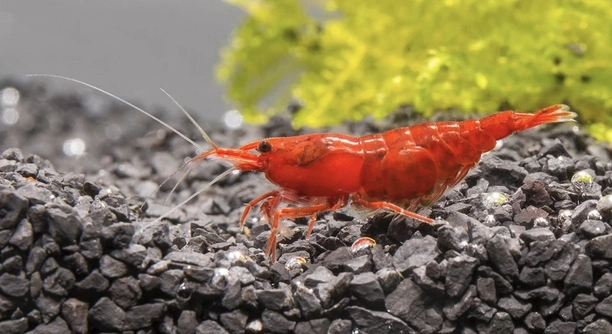
Are your cherry shrimp sensitive to the sounds in their environment, or do they simply ignore background noise? Many shrimp owners wonder how everyday household sounds, including music, might affect their tiny aquatic pets’ behavior.
Cherry shrimp are minimally affected by loud music as they lack auditory organs to detect sound vibrations like mammals. Their responses are generally limited to strong water vibrations, making typical household music unlikely to cause significant stress or behavioral changes.
Understanding how sound impacts your shrimp can help maintain a calm tank environment and support their overall well-being and activity levels.
How Cherry Shrimp Sense Their Environment
Cherry shrimp rely heavily on their surroundings to stay safe and comfortable. They use antennae to detect changes in water currents, vibrations, and nearby objects. Unlike animals with ears, they do not “hear” music, but strong vibrations can make them move quickly or hide. Tank decorations, plants, and substrate play a key role in providing security. Shrimp tend to explore areas with gentle water flow and shelter, making their environment a central part of their behavior. Regular observation can help you notice subtle changes in activity, feeding, or molting patterns. Even slight disturbances, like tapping the glass, may startle them, but they typically resume normal behavior quickly once the water stabilizes. Understanding these basics helps keep your shrimp calm and healthy, even in spaces with occasional noise from music, appliances, or conversations. Their sensory system is simple but effective for navigating a busy tank environment safely.
Creating a stable environment helps shrimp feel secure and encourages natural movement throughout the tank.
A well-maintained tank ensures your shrimp can feed, molt, and interact without unnecessary stress. Consistent water parameters, gentle filtration, and minimal sudden movements allow them to thrive. Observing their behavior over time can reveal subtle preferences, like where they feel safest or how they respond to light and mild vibrations. While they may briefly react to disturbances, cherry shrimp adapt quickly if their habitat remains stable. Adding plants, hiding spots, and smooth surfaces not only provides comfort but also promotes natural behavior such as grazing on biofilm and exploring the tank. Their small size and sensitivity mean even minor environmental changes can influence their activity levels. Maintaining a calm space with steady water quality and temperature ensures your shrimp remain active, healthy, and display vibrant colors. Over time, attentive care helps you understand each shrimp’s individual responses, making it easier to anticipate stress triggers and improve their living conditions.
Effects of Loud Music on Shrimp
Most household music does not disturb cherry shrimp. They cannot detect sound waves like humans, so typical songs have little direct impact on their behavior.
Loud vibrations from nearby speakers or subwoofers may create water ripples that startle shrimp. Repeated or very strong vibrations can make them temporarily hide or reduce activity. It is best to place tanks away from direct contact with speakers or appliances that generate strong tremors. Observing your shrimp during these times can reveal minor reactions, helping you adjust the tank’s placement or volume levels. By understanding their limited sensitivity to sound, you can enjoy music without worrying about harming your shrimp.
Cherry shrimp are more responsive to water movement than sound. Strong beats from bass-heavy music can transfer through surfaces, creating waves that ripple across the tank. While this may briefly cause shrimp to retreat, they usually resume normal behavior once the water settles. Soft or moderate music, however, rarely generates sufficient vibrations to alter their activity. Tank stability is more critical than sound, so maintaining steady temperature, clean water, and gentle filtration has a greater effect on shrimp health than concerns about background noise. Paying attention to their reactions helps identify any unusual stressors and ensures a thriving habitat. Even with occasional loud sounds, cherry shrimp adapt quickly if other environmental conditions remain favorable. Proper placement, stable décor, and minimal sudden disturbances allow them to explore and feed naturally, keeping their colors vibrant and behavior predictable.
Tank Placement and Noise
Placing your shrimp tank away from speakers and heavy foot traffic minimizes strong vibrations. Even small tremors can make shrimp hide or reduce movement. Choosing a quiet corner helps maintain calm behavior and supports their health.
A tank positioned on a sturdy surface prevents vibrations from music or appliances from disturbing shrimp. Shaking or rattling of the stand can transfer through water, causing shrimp to react defensively. Keeping the tank away from walls shared with loud rooms or subwoofers reduces sudden disturbances. Observing how shrimp respond to their surroundings can guide optimal placement. Plants, rocks, and other decor further absorb minor vibrations, creating safe zones for hiding and exploration. Consistent placement reinforces comfort and reduces stress over time, allowing shrimp to behave naturally.
Even small adjustments, like adding a soft mat under the tank, can dampen vibrations. Positioning away from windows or doors prevents sudden noise spikes. Tank location influences shrimp activity, feeding patterns, and overall comfort. Observing their behavior after moving the tank helps determine the best spot for stability. Prioritizing a calm environment ensures shrimp remain active, healthy, and display vibrant colors without unnecessary stress.
Observing Stress in Cherry Shrimp
Visible signs of stress include hiding, reduced movement, and less frequent feeding. Subtle color changes can also indicate discomfort or anxiety in shrimp.
Stress in cherry shrimp often results from environmental disturbances such as strong vibrations, sudden light changes, or fluctuating water parameters. Shrimp that frequently hide or cling to surfaces may be experiencing mild stress. Prolonged exposure can affect molting cycles, feeding habits, and immune response. Monitoring behavior closely allows early intervention, such as adjusting water flow, improving tank decor, or relocating the tank to a quieter area. Even minor environmental tweaks can significantly reduce stress levels and encourage normal activity.
Paying attention to shrimp reactions during loud music or sudden movements helps identify triggers. Observing which areas they favor for hiding can guide tank decoration and placement. Providing adequate shelter, gentle water currents, and a stable environment helps minimize stress, promoting health and natural behavior. Regular observation strengthens understanding of their responses, ensuring interventions are effective. Over time, this awareness fosters a balanced, low-stress habitat where shrimp feel secure and active despite occasional noise or vibrations in the surrounding environment.
Water Vibrations and Their Impact
Even small vibrations from nearby appliances or loud music can ripple through the water. Cherry shrimp may momentarily pause movement or retreat to hiding spots in response.
Strong or repeated vibrations can increase stress levels, making shrimp less active. Gentle currents are preferable to sudden disturbances, keeping them comfortable and maintaining normal behavior.
Feeding and Behavior Changes
Stress from vibrations can affect feeding habits. Shrimp may eat less or become hesitant to leave shelter. Monitoring food consumption helps identify if environmental factors are impacting their behavior. Adjusting placement or reducing sources of vibration encourages regular feeding and active exploration.
Maintaining a Calm Environment
Limiting sudden noise and water movement helps shrimp feel secure. Stable conditions support natural behaviors like grazing and molting, promoting overall health and well-being.
Tank Decor Considerations
Plants, rocks, and hiding spots absorb vibrations and create safe zones. Thoughtful decoration reduces stress, allowing shrimp to move freely and behave naturally.
FAQ
Do cherry shrimp react to music?
Cherry shrimp do not have ears like humans, so they cannot hear music in the traditional sense. However, they are sensitive to vibrations in the water. Very strong vibrations, such as those caused by nearby subwoofers or heavy bass, may briefly startle them. Typical household music, including moderate volume from speakers, rarely affects their behavior. Most responses are limited to slight movement or hiding, and they usually resume normal activity once the water stabilizes. Observing their reactions over time helps you understand which vibrations may cause stress and which are harmless.
Can loud noise harm cherry shrimp?
Loud noise itself does not directly harm shrimp because they cannot detect sound waves like mammals. The main concern is vibration traveling through surfaces into the tank. Sudden, repeated, or strong vibrations may stress them, potentially impacting feeding and molting. Long-term exposure to intense vibrations could slightly affect behavior, but in most home settings, shrimp adapt quickly if other environmental conditions, like water quality and temperature, remain stable. Ensuring the tank is positioned on a sturdy surface and away from speakers or high-traffic areas minimizes these risks.
How can I tell if my shrimp are stressed?
Signs of stress include hiding more than usual, reduced movement, or less frequent feeding. Subtle changes in color, especially dulling of the vibrant red, can also indicate discomfort. Stress may impact molting cycles, leaving shrimp more vulnerable to injury. Observing behavior during periods of household activity, such as loud music or vacuuming, can reveal patterns in response to environmental disturbances. Providing sufficient hiding spots, gentle water flow, and a stable environment helps reduce stress.
Do tank decorations affect stress levels?
Yes, plants, rocks, and other decorations provide shelter and buffer against vibrations. Shrimp feel safer when they have spaces to hide or explore. Dense vegetation allows them to graze on biofilm while avoiding open areas where disturbances are more noticeable. Smooth rocks and moss create natural resting places that absorb minor ripples. Carefully arranged decor reduces stress and encourages natural behavior, even if occasional vibrations occur. The combination of secure hiding spots and a stable water environment promotes overall well-being.
Should I adjust tank placement for noise concerns?
Placing the tank away from speakers, doors, or high-traffic areas helps reduce strong vibrations. A quiet corner on a sturdy surface is ideal. Even small tremors can make shrimp temporarily hide, and repeated disturbances may affect long-term behavior. Positioning the tank to minimize vibrations ensures shrimp can explore, feed, and molt comfortably without unnecessary stress. Adding a soft mat under the tank or using furniture that absorbs shock can further reduce vibration transfer, creating a calm environment for your shrimp.
Can shrimp get used to household noise?
Yes, cherry shrimp can adapt to consistent, moderate household noise. They become accustomed to regular sounds like conversations, TVs, or background music when the tank is stable. Their behavior tends to normalize if other environmental factors, such as water quality, temperature, and tank decor, remain consistent. Shrimp will generally resume normal activity, feeding, and exploration after brief disturbances. Observing individual shrimp responses helps determine which noises cause minor reactions and which are completely harmless.
Does water flow interact with noise stress?
Water flow affects how vibrations are felt. Strong currents combined with nearby vibrations can amplify stress, making shrimp more likely to hide. Gentle filtration and stable water movement reduce the impact of external disturbances. Adjusting flow to mimic natural conditions while minimizing turbulence helps maintain calm behavior, even when music or other household sounds are present. Observing shrimp behavior relative to both flow and vibration provides insight into how to best manage tank conditions for their comfort.
Are some shrimp more sensitive than others?
Individual shrimp may respond differently to vibrations. Younger shrimp or newly introduced individuals tend to be more cautious and may hide longer when disturbances occur. Experienced shrimp in a stable tank often resume normal behavior quickly. Monitoring responses helps you understand which shrimp may need extra hiding spots or calmer areas. Providing a consistent, secure environment allows all shrimp to feel comfortable, reducing stress across the group and supporting natural activity patterns.
Can stress affect shrimp health long-term?
Prolonged stress can influence molting, feeding, and immune response. Shrimp under constant stress may show slower growth or less vibrant coloration. Maintaining stable water parameters, reducing strong vibrations, and offering sufficient shelter are critical to supporting long-term health. Attentive care and observation allow early identification of stress, preventing chronic issues. Over time, a calm environment encourages active shrimp with healthy behavior and improved resilience.
How often should I monitor shrimp during loud activities?
Regular observation during periods of potential disturbance is key. Watching shrimp during music, cleaning, or other vibrations helps identify stress triggers. Short, consistent monitoring sessions reveal patterns, allowing adjustments in tank placement, decoration, or flow. Observing behavior frequently ensures shrimp remain comfortable and healthy, even in homes with occasional loud noises.
Is there a way to completely eliminate stress from noise?
While it’s impossible to remove all vibrations, minimizing sources and stabilizing the tank significantly reduces stress. Quiet placement, sturdy surfaces, ample decor, and gentle water movement create a safe environment. Most shrimp tolerate moderate household noise when other factors are controlled, ensuring normal feeding, molting, and activity levels.
Cherry shrimp are small, delicate creatures that thrive in calm and stable environments. Their sensory system is simple, relying mainly on water vibrations rather than sound as humans perceive it. This means that everyday household noises, including music, usually do not directly affect them. The main factor that can disturb shrimp is the strength and frequency of vibrations traveling through the water. Even though they do not “hear” music, strong vibrations from speakers, subwoofers, or other appliances can cause them to retreat to hiding spots temporarily. Observing shrimp during these disturbances can provide useful insight into how they react, and simple adjustments to tank placement or surface stability can significantly reduce stress.
Maintaining a stable environment is crucial for their health and well-being. Providing a tank with consistent water parameters, gentle water flow, and secure hiding spots allows shrimp to feed, molt, and explore naturally. Decorations such as plants, moss, and smooth rocks serve multiple purposes. They not only create safe zones but also absorb minor vibrations that may occur in a typical household. Tank placement also plays an important role. Choosing a sturdy, quiet location away from high-traffic areas or loud devices ensures minimal disruption. Even small measures, like adding a soft mat under the tank, can reduce vibrations and promote a calm atmosphere. Paying attention to shrimp behavior helps you identify any potential stressors and make timely changes, fostering a healthier and more comfortable habitat.
Over time, cherry shrimp can adapt to moderate household noises if other environmental factors remain stable. They usually resume normal behavior quickly after brief disturbances and continue to exhibit natural activity, including grazing, exploring, and interacting with their surroundings. Stress can be minimized by understanding their responses, providing sufficient shelter, and keeping water conditions steady. While no environment is completely free of vibrations, careful planning, observation, and attention to detail help ensure that your shrimp remain active, healthy, and vibrant. By combining calm surroundings, appropriate tank decoration, and proper care, you create a supportive environment where cherry shrimp can thrive, even with occasional music or household noise in the background.

Hello,
If you enjoy the content that we create, please consider saying a "Thank You!" by leaving a tip.
Every little bit helps us continue crafting quality advice that supports the health, happiness, and well-being of pets around the world, for pets of all shapes, sizes, and species.
We really appreciate the kindness and support that you show us!