
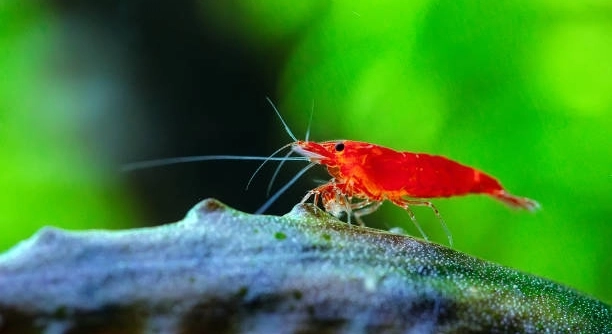
Cherry shrimp are tiny, colorful creatures that brighten up any freshwater tank. Many shrimp owners enjoy watching them explore and nibble, often noticing how excited they get around their favorite foods. Their little personalities make feeding time enjoyable.
Cherry shrimp show strong preferences for certain foods, including algae wafers, blanched vegetables, and protein-rich treats. Consistently providing these items promotes healthy growth, vibrant coloration, and active behavior, ensuring their overall well-being in a controlled aquarium environment.
Knowing which foods will excite your shrimp can make feeding routines more engaging and beneficial for their health and happiness.
Algae Wafers
Algae wafers are a staple for cherry shrimp, providing a steady source of nutrition and energy. These wafers are dense, sink slowly, and allow shrimp to graze at their own pace. They are made from natural ingredients that support overall health, including plant matter and minerals. Many shrimp show immediate interest when algae wafers are added to the tank, often clustering around the food and nibbling eagerly. Regular feeding helps maintain bright coloration and active behavior. Algae wafers also contribute to digestive health, preventing problems that can arise from nutrient deficiencies. They are especially helpful in tanks with limited natural algae growth, ensuring shrimp have a reliable food source. While some shrimp prefer blanched vegetables or protein treats, algae wafers are a consistent favorite. Offering them in moderation alongside other foods balances diet and keeps shrimp stimulated. Observing shrimp interact with wafers can also provide insights into their preferences and feeding habits over time.
Algae wafers are easy to store and serve, making them a practical choice.
Providing algae wafers ensures shrimp get essential nutrients, maintain activity, and develop strong, healthy shells without requiring constant supervision or preparation of fresh foods.
Blanched Vegetables
Blanched vegetables like zucchini, spinach, or cucumber are soft and easy for cherry shrimp to eat.
Blanching makes vegetables digestible while retaining vitamins and minerals. Removing tough fibers ensures shrimp can nibble without difficulty. Introduce small pieces to prevent waste. Vegetables encourage grazing behavior, letting shrimp explore and interact with their environment. Rotating types of vegetables adds variety and supports different nutrient needs. Over time, shrimp develop preferences for certain vegetables, which can guide feeding strategies. Blanching also reduces the risk of introducing harmful bacteria or chemicals into the tank. Consistent feeding of vegetables contributes to bright coloration, strong exoskeletons, and overall vitality. Monitoring how much shrimp consume helps maintain water quality and prevents leftover food from decaying. Combining vegetables with algae wafers or protein treats creates a balanced diet. Many owners notice increased activity and visible enjoyment when offering fresh vegetables, reinforcing their importance in a well-rounded feeding plan. Proper preparation and portion control make vegetables a reliable supplement to staple foods, supporting long-term shrimp health.
Protein-Rich Treats
Shrimp respond quickly to protein-rich treats like bloodworms or brine shrimp. These foods support growth, molting, and reproductive health.
High-protein treats are essential for cherry shrimp, especially during molting or breeding periods. Bloodworms, brine shrimp, and daphnia provide amino acids that strengthen muscles and shells. Offering these foods in small amounts ensures shrimp receive benefits without polluting the tank. Overfeeding protein can cause water quality issues, so moderation is key. Many shrimp show excitement when protein treats are added, often gathering immediately to feed. Rotating protein sources maintains interest and delivers a range of nutrients, supporting vibrant coloration and active behavior. Properly prepared frozen or freeze-dried options reduce the risk of introducing bacteria. Observing how shrimp interact with these foods helps identify preferences and optimal feeding schedules. Protein-rich treats complement regular staples like algae wafers or vegetables, creating a balanced diet.
Regularly adding protein treats improves shrimp activity, encourages healthy molting, and ensures strong shells without disrupting tank stability.
Balanced protein feeding strengthens shrimp, enhances color, and supports overall vitality while minimizing the risk of water contamination or overfeeding.
Leafy Greens
Spinach, kale, and lettuce are soft, nutrient-dense options that shrimp enjoy. These greens provide vitamins and fiber.
Leafy greens support digestion, shell strength, and overall vitality in cherry shrimp. Blanching softens the leaves, making them easy to nibble. Offering small portions prevents decay and maintains water quality. Greens can be alternated to provide a variety of nutrients and keep feeding interesting. Many shrimp show immediate interest, grazing steadily until pieces are gone. Leafy greens also help maintain coloration and activity, complementing staples like algae wafers and occasional protein treats. Consistent inclusion of greens contributes to long-term health, supporting molting cycles and reproductive success.
Including leafy greens in the diet ensures shrimp receive fiber, vitamins, and minerals, promoting overall well-being and encouraging natural grazing behaviors.
Frozen or Freeze-Dried Foods
Frozen or freeze-dried shrimp foods are convenient and nutritious. They preserve essential nutrients while allowing shrimp to enjoy a variety of textures.
These foods reduce the risk of introducing harmful bacteria compared to live options. Small portions ensure water quality stays stable, and shrimp often show immediate interest, eagerly feeding as soon as pieces are added.
Decaying Plant Matter
Decaying plant matter offers natural nutrients and encourages scavenging behavior in shrimp. It is a valuable supplement in a planted tank.
Shrimp naturally graze on decomposing leaves and plant fragments in their environment. This food provides fiber, trace minerals, and microorganisms that support digestion and overall health. Adding small amounts of carefully selected decaying plant matter encourages natural behavior, enhances activity, and provides variety alongside staple foods. Observing shrimp feeding on this material can help track their preferences and adjust diet as needed. Maintaining a balance ensures tank cleanliness while offering a source of nutrition.
Commercial Shrimp Pellets
Commercial shrimp pellets are formulated to provide balanced nutrition, supporting growth, coloration, and general health.
These pellets are easy to portion and designed to sink slowly, letting shrimp feed comfortably.
FAQ
What foods are safest for cherry shrimp?
Algae wafers, blanched vegetables, and commercial shrimp pellets are among the safest options. These foods provide balanced nutrition, are easy to digest, and rarely affect water quality when fed in moderation. Avoid heavily processed human foods or anything with added salts or oils.
How often should I feed cherry shrimp?
Feeding small amounts once or twice a day is sufficient. Cherry shrimp are grazers, so they benefit from a consistent supply of food without overfeeding. Leftover food should be removed to prevent water contamination. Observing how quickly they consume each portion helps adjust amounts.
Can cherry shrimp eat live foods?
Yes, small live foods like daphnia or microworms can be offered occasionally. They provide protein and stimulate natural foraging behavior. However, live foods should be sourced carefully to avoid introducing diseases or harmful organisms into the tank.
Are vegetables necessary for their diet?
Vegetables like spinach, zucchini, and kale add fiber, vitamins, and minerals that support digestion and shell health. Blanching softens the leaves, making them easier to eat. Rotating vegetables ensures variety and encourages consistent grazing habits.
Do they need protein supplements?
Protein-rich foods such as bloodworms, brine shrimp, or specialized pellets are important, especially during molting or breeding. They help strengthen shells, support growth, and maintain energy levels. Offer these in moderation to avoid water quality issues.
Can cherry shrimp survive on algae alone?
Algae alone is not sufficient for long-term health. While shrimp may graze on algae, a varied diet including vegetables, protein, and commercial foods ensures proper nutrition, stronger shells, and more vibrant coloration.
How do I know if my shrimp are eating enough?
Healthy shrimp are active, show bright coloration, and frequently graze on food. Uneaten portions should not accumulate excessively. Observing feeding behavior and adjusting amounts helps maintain balance and prevent water quality problems.
Are freeze-dried foods a good alternative?
Freeze-dried foods are convenient, nutritious, and store easily. They maintain essential nutrients while reducing the risk of bacteria. Rehydrating some options before feeding can make them more palatable and easier for shrimp to consume.
Can cherry shrimp eat decaying plant matter?
Yes, they naturally feed on decomposing leaves and plant fragments. This provides fiber, trace minerals, and microorganisms that aid digestion. Carefully selected decaying plant matter supplements their diet and encourages natural scavenging behavior.
How do I balance their diet?
A combination of algae wafers, vegetables, protein treats, pellets, and occasional decaying plant matter provides balanced nutrition. Rotating foods prevents monotony and supports overall health, coloration, and activity. Observing preferences allows for tailored feeding strategies to keep shrimp healthy and engaged.
Is it okay to feed human food scraps?
Most human foods are not suitable due to added salt, spices, or oils. Only certain blanched vegetables are safe. Feeding inappropriate items can harm shrimp or pollute the tank, so it is best to stick with foods designed for aquatic life.
How much protein is too much?
Overfeeding protein can lead to water quality issues and stress for shrimp. Small, measured portions a few times a week are sufficient. Monitoring shrimp behavior and tank conditions ensures they receive benefits without negative side effects.
Do they need calcium for their shells?
Yes, calcium supports molting and shell strength. Vegetables, fortified pellets, and mineral supplements can provide sufficient calcium. Consistent intake helps prevent weak shells and promotes healthy growth.
Can cherry shrimp eat commercial flakes?
Some flakes designed for freshwater fish are acceptable in small amounts. However, flakes can float or dissolve quickly, making feeding less controlled. Shrimp-specific pellets or wafers are a better primary option, supplemented by flakes only occasionally.
What should I avoid feeding?
Avoid processed human foods, citrus, salty items, and anything oily or sugary. These can harm shrimp or destabilize water chemistry. Stick to vegetables, algae, protein-rich foods, and commercial shrimp options for safe, effective feeding.
How do I introduce new foods?
Introduce new foods gradually, offering small portions first. Observe shrimp response and water quality for several days. Gradual introduction helps prevent shock, ensures acceptance, and allows for adjustments to feeding routines.
How can I tell if they like a food?
Shrimp gather quickly, nibble eagerly, and return to the item repeatedly when they enjoy it. Less interest may indicate the food is less appealing or not needed in large amounts. Rotating favored foods keeps them engaged.
Are frozen foods better than live foods?
Frozen foods are convenient, maintain nutrients, and reduce risk of contamination. Live foods stimulate natural behaviors but must be carefully sourced. Using a mix of frozen and occasional live foods provides benefits without endangering tank health.
Can cherry shrimp be picky eaters?
Yes, individual shrimp may show preferences. Observing choices allows tailoring the diet to meet their needs. Offering variety ensures balanced nutrition while keeping feeding interesting and supporting overall health.
What is the best overall diet plan?
A balanced diet includes algae wafers, blanched vegetables, protein treats, commercial pellets, and occasional decaying plant matter. Rotating foods, monitoring portions, and observing shrimp activity creates a healthy, varied feeding routine that supports growth, coloration, and vitality.
This FAQ covers the essentials for feeding cherry shrimp, helping maintain their health, activity, and long-term well-being.
Caring for cherry shrimp starts with understanding their dietary needs. These tiny creatures thrive when offered a variety of foods that meet their nutritional requirements. Algae wafers, blanched vegetables, and protein-rich treats form the core of a healthy diet. Each type of food plays a specific role: algae wafers provide steady energy and essential minerals, vegetables supply fiber and vitamins, and protein supports growth and shell strength. Consistency in feeding is important, but so is moderation. Overfeeding can harm water quality, while underfeeding can slow growth and reduce activity. Observing your shrimp during feeding times helps determine how much and how often to provide food. Healthy shrimp are active, colorful, and frequently grazing, and this behavior can guide adjustments to their diet. A careful balance ensures that your shrimp remain vibrant and thrive in their environment.
In addition to staple foods, small supplements can make a big difference in health and behavior. Frozen or freeze-dried foods, live treats, and decaying plant matter introduce variety and additional nutrients. Rotating these foods prevents boredom and encourages natural foraging behavior, which is important for overall well-being. Leafy greens like spinach or kale soften when blanched, making them easy to eat while providing essential vitamins. Protein-rich items like bloodworms or brine shrimp support molting cycles and reproductive health. Even commercial pellets are formulated to deliver balanced nutrition in a convenient form. Combining these foods thoughtfully ensures that all aspects of nutrition—vitamins, minerals, fiber, and protein—are covered. By observing shrimp preferences and feeding behavior, you can refine portions and types of food offered, creating a routine that meets their needs without overwhelming the tank or reducing water quality.
Maintaining the right diet is only part of keeping cherry shrimp healthy. Feeding practices directly affect activity levels, coloration, growth, and reproductive success. Shrimp that receive a balanced diet tend to be more energetic, show brighter coloration, and complete molting cycles more reliably. Regularly monitoring food intake and water quality helps prevent issues like leftover food decay or nutrient imbalances. Even small adjustments, like introducing a new vegetable or alternating protein sources, can enhance health and stimulate natural behavior. A careful approach to diet makes shrimp-keeping more enjoyable and predictable. Over time, you learn which foods each shrimp prefers, which makes feeding time more engaging for both you and your shrimp. Thoughtful feeding, combined with proper tank maintenance, creates an environment where cherry shrimp can flourish, grow, and display their full range of activity and color. Consistency, variety, and moderation are the keys to ensuring their long-term well-being.

Hello,
If you enjoy the content that we create, please consider saying a "Thank You!" by leaving a tip.
Every little bit helps us continue crafting quality advice that supports the health, happiness, and well-being of pets around the world, for pets of all shapes, sizes, and species.
We really appreciate the kindness and support that you show us!