
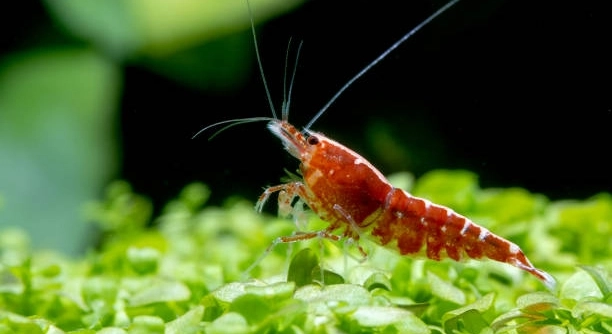
Do you ever notice your cherry shrimp swimming but not showing any signs of breeding? Many shrimp owners face this issue, even when their tanks seem perfect. Understanding the reasons behind it can save time and frustration.
Cherry shrimp may refuse to breed due to stress, poor water quality, inadequate nutrition, lack of hiding spots, incorrect temperature, incompatible tank mates, or insufficient maturity. Each factor can significantly affect reproductive behavior and population growth.
Learning about these factors will help you create a more suitable environment for your shrimp and encourage healthier breeding habits.
Stress in the Tank
Stress can stop cherry shrimp from breeding more than any other factor. Sudden changes in water temperature, frequent tapping on the glass, or aggressive tank mates can all make shrimp nervous. When stressed, shrimp focus on survival instead of reproduction, and females may refuse to carry eggs. Even small disturbances like moving decorations or rearranging plants can trigger stress responses. Maintaining a calm, stable environment is essential. Soft lighting, plenty of hiding spaces, and consistent feeding routines help shrimp feel secure. Stress is often gradual, so owners might not notice the signs until breeding stops. Observing shrimp behavior daily helps catch stress early. Shrimp that hide excessively, move slowly, or ignore food are likely stressed. Reducing disturbances and ensuring proper tank conditions can restore their willingness to breed.
Stress affects cherry shrimp reproduction directly by suppressing natural mating behavior and causing females to delay or avoid egg-laying entirely.
Managing stress is about creating a peaceful tank. Adding plants, moss, and hiding spots gives shrimp places to retreat. Avoid sudden water changes or aggressive handling. Keeping compatible tank mates and maintaining stable temperatures ensures females feel safe enough to breed again. Consistent feeding with high-quality foods also reduces stress, helping them focus on reproduction rather than survival instincts. Over time, a calm environment can lead to more frequent molting, healthier shrimp, and a higher chance of successful breeding. Observing and adjusting conditions gradually improves overall tank harmony and encourages natural behaviors without forcing changes too quickly.
Poor Water Quality
Poor water quality can quickly halt breeding. Dirty water or high ammonia levels stress shrimp and make reproduction unlikely.
Water parameters like pH, hardness, and nitrates directly influence shrimp health. Cherry shrimp prefer slightly acidic to neutral pH, soft water, and low nitrates. High ammonia or nitrite levels can harm eggs and fry. Regular testing and partial water changes help maintain stability. Filtration should provide gentle flow to avoid stressing shrimp while keeping water clean. Overfeeding increases waste, which can spike toxins and disrupt breeding. Keeping a stable, clean environment is essential for shrimp to thrive and reproduce naturally.
Maintaining water quality is not just about cleanliness; it ensures proper chemical balance for reproduction. Shrimp are sensitive to sudden fluctuations, so gradual adjustments in pH or hardness are better than large corrections. Using dechlorinated water, monitoring temperature, and avoiding overstocking the tank support overall health. By providing clean water and stable conditions, shrimp can focus energy on mating and producing healthy offspring. Regular observation, testing, and mindful maintenance are key to preventing water quality problems that interfere with breeding, ensuring a thriving shrimp population.
Inadequate Nutrition
Cherry shrimp need a balanced diet to breed successfully. Poor nutrition weakens their bodies, reduces energy, and can prevent females from producing eggs.
A lack of essential nutrients, such as calcium and protein, directly impacts molting and egg development. Shrimp eating only leftover fish food or occasional flakes may miss important vitamins and minerals. Providing a mix of high-quality shrimp pellets, blanched vegetables, and occasional protein supplements helps maintain health. Healthy shrimp are more likely to mate regularly, carry eggs, and produce viable offspring. Feeding small portions several times a day ensures they get enough without overloading the tank with waste.
Variety is crucial in a shrimp diet. Different foods support different needs, from shell growth to reproductive health. Blanched spinach or zucchini, algae wafers, and specialized shrimp food supply essential nutrients. Over time, consistent nutrition strengthens females, improves molting cycles, and increases egg-laying frequency. Observing shrimp during feeding helps ensure all individuals are eating and thriving, creating a stronger, more active population that naturally reproduces in a stable tank environment.
Lack of Hiding Spots
Shrimp need places to feel safe, or breeding slows down. Exposed tanks make them nervous and reduce reproduction.
Hiding spots like moss, plants, and decorations give shrimp privacy during molting and egg-laying. Without enough cover, females may avoid mating or carrying eggs. Shrimp are small and vulnerable, so dense planting encourages natural behaviors and confidence to reproduce.
Dense vegetation and structures provide security and encourage shrimp to explore and breed. Moss mats, Java ferns, and small caves are ideal for shrimp to hide and retreat. This reduces stress and increases interaction between males and females. Properly arranged hiding spots also protect eggs and young shrimp from accidental predation by tank mates or even adults. Shrimp with safe spaces are more likely to molt successfully, mate, and maintain healthy populations, making tank design an important factor in reproductive success.
Incorrect Temperature
Cherry shrimp are sensitive to temperature changes. Too cold or too hot water slows metabolism and stops breeding.
Maintaining a stable temperature between 72°F and 78°F encourages regular molting and mating. Sudden shifts or extremes can stress shrimp, causing females to hold off on egg production.
Incompatible Tank Mates
Some tank mates can prevent breeding by causing stress or predation. Aggressive fish or large invertebrates make shrimp hide constantly.
Keeping peaceful, small fish or shrimp-only tanks ensures females feel safe. Constant stress from nearby predators reduces interactions, mating attempts, and overall reproductive success.
Insufficient Maturity
Cherry shrimp need time to mature before breeding. Young shrimp cannot reproduce, and early attempts can fail.
Females usually reach sexual maturity around four to six months, while males may mature slightly earlier. Patience is key to allowing natural development before expecting eggs.
Overcrowding
Too many shrimp in a tank can prevent breeding. High population density increases stress and competition.
FAQ
Why are my cherry shrimp not breeding even though the tank looks fine?
Even if the tank appears perfect, hidden factors like minor water fluctuations, stress from handling, or insufficient nutrition can prevent breeding. Shrimp are sensitive to small changes, so stability in temperature, water chemistry, and food quality is crucial for reproductive success.
How can I tell if my cherry shrimp are stressed?
Shrimp that hide constantly, move slowly, or refuse food are likely stressed. Overcrowding, aggressive tank mates, and sudden changes in environment can all trigger stress. Observing behavior daily helps catch issues early and allows adjustments to make shrimp feel safe.
What is the best water temperature for breeding?
Cherry shrimp breed best in temperatures between 72°F and 78°F. Too cold slows metabolism, while too hot can stress them and reduce egg production. Maintaining a stable temperature is more important than minor fluctuations within this range.
Do I need to feed special foods for breeding?
Yes. A balanced diet supports molting and egg production. Blanched vegetables, algae wafers, and high-quality shrimp pellets provide essential nutrients like calcium and protein, improving breeding success. Feeding small amounts multiple times daily prevents overfeeding and maintains water quality.
How important are hiding spots for reproduction?
Hiding spots are critical. Shrimp feel safer in dense plants, moss, or small caves. Females need privacy during molting and egg-carrying, and males are more likely to approach them when they feel secure. Lack of cover can stop breeding completely.
Can tank mates affect breeding?
Aggressive or large fish stress shrimp and can prevent breeding. Peaceful, small tank mates or a shrimp-only tank allow natural behaviors. Constant hiding or fear reduces mating attempts and overall reproductive success.
When do cherry shrimp reach sexual maturity?
Females mature around four to six months, and males slightly earlier. Young shrimp cannot reproduce effectively. Patience and monitoring growth ensure you only expect breeding when shrimp are physically ready.
What role does water quality play in breeding?
Clean, stable water is essential. Parameters like pH, hardness, nitrates, and ammonia levels directly affect shrimp health. High ammonia or nitrite can kill eggs and fry. Regular testing, partial water changes, and gentle filtration maintain optimal conditions for breeding.
Is overfeeding a problem for reproduction?
Yes. Excess food increases waste, spikes toxins, and disrupts water quality. Feeding small portions multiple times a day ensures shrimp get enough nutrition without polluting the tank, supporting health and natural breeding cycles.
How can I encourage my shrimp to breed faster?
Focus on stable water, proper temperature, nutritious food, hiding spots, and compatible tank mates. Reducing stress and ensuring a safe, comfortable environment helps females molt, mate, and carry eggs successfully. Observing shrimp behavior regularly allows fine-tuning of conditions.
What should I do if breeding still doesn’t happen?
Check all environmental factors carefully. Water chemistry, temperature stability, diet, and tank setup must all be optimal. Sometimes subtle changes, like adding more moss or adjusting feeding frequency, are enough. Patience is essential, as shrimp respond slowly to improved conditions.
Can overcrowding prevent breeding?
Yes. Too many shrimp increase competition and stress, lowering reproductive activity. Keeping a balanced population and providing enough space, hiding spots, and food improves chances of successful mating and egg development.
How long after maturity do shrimp usually start breeding?
Females may start carrying eggs shortly after reaching maturity if conditions are ideal. However, stress, poor nutrition, or insufficient hiding spots can delay reproduction even in mature shrimp. Creating a calm, well-maintained environment ensures breeding begins naturally.
Does lighting affect shrimp breeding?
Moderate, consistent lighting supports natural activity without stressing shrimp. Too bright or sudden changes can cause hiding and reduce interactions. Balanced light cycles help maintain natural behaviors and encourage mating.
Are there signs that breeding has started?
Females carrying tiny green or yellow eggs under their tails, frequent molting, and increased male activity around females indicate breeding. Observing these signs helps track progress and ensures conditions remain suitable.
How can I protect the eggs and baby shrimp?
Dense plants, moss, and small hiding spaces provide shelter. Avoid aggressive tank mates and maintain clean, stable water. Protection allows fry to survive and grow, increasing overall population success.
Can water additives help breeding?
Some additives adjust hardness or pH, but changes should be gradual. Sudden chemical shifts can stress shrimp. Focus on natural stability and only use additives when necessary to maintain optimal conditions for reproduction.
How often should I test water for breeding shrimp?
Testing at least once a week for pH, ammonia, nitrite, and nitrate ensures stability. Frequent monitoring allows early correction of issues that could stop breeding or harm eggs and fry.
Does molting frequency affect reproduction?
Yes. Regular molting is necessary for females to carry eggs. Poor diet, stress, or incorrect temperature can slow molting, delaying breeding. Supporting health through nutrition and stable conditions promotes consistent molting and egg-laying.
Can I breed cherry shrimp in a community tank?
It’s possible with peaceful, small fish, but risks increase. Eggs and fry may be eaten, and stress can reduce breeding. Shrimp-only tanks or heavily planted setups give better results and higher survival rates.
What is the best way to increase shrimp population?
Focus on optimal water quality, stable temperature, nutritious diet, hiding spots, and low-stress tank mates. Observing behavior, preventing overcrowding, and maintaining a calm environment naturally encourages higher breeding success.
Breeding cherry shrimp can feel tricky at times, but most issues come down to simple environmental and care factors. Stress, poor water quality, lack of nutrition, or insufficient hiding spots are often the main reasons females refuse to carry eggs. By keeping the tank stable and calm, shrimp can focus on their natural behaviors instead of survival. A peaceful environment, steady temperature, and consistent feeding routines help shrimp feel secure and healthy. Even small changes, like adding moss or rearranging plants slowly, can make a noticeable difference in their willingness to reproduce.
Nutrition plays a key role in reproductive success. Cherry shrimp need a balanced diet with proper protein, calcium, and vitamins to support molting and egg production. Feeding only leftover fish food or random flakes is not enough for breeding. Providing a variety of foods such as high-quality shrimp pellets, blanched vegetables, and occasional protein supplements ensures that both males and females are strong and ready for reproduction. Small, frequent feedings are better than one large meal, as this prevents waste buildup and keeps water quality stable. Over time, healthy nutrition increases molting frequency, improves egg-laying success, and leads to a more active and thriving population in the tank.
Creating enough hiding spaces is another important factor. Female shrimp need secure spots during molting and egg-carrying to feel safe. Plants, moss, and small caves allow them to retreat when needed and encourage natural mating behavior. Overcrowding or aggressive tank mates can make females hide constantly, stopping reproduction altogether. By observing shrimp behavior and making adjustments, it is possible to reduce stress and improve breeding outcomes. Patience is essential, as shrimp respond slowly to improvements in care. With attention to water quality, diet, hiding spaces, and stress reduction, breeding success becomes much more achievable, allowing shrimp to thrive naturally and maintain a healthy, growing population.

Hello,
If you enjoy the content that we create, please consider saying a "Thank You!" by leaving a tip.
Every little bit helps us continue crafting quality advice that supports the health, happiness, and well-being of pets around the world, for pets of all shapes, sizes, and species.
We really appreciate the kindness and support that you show us!