
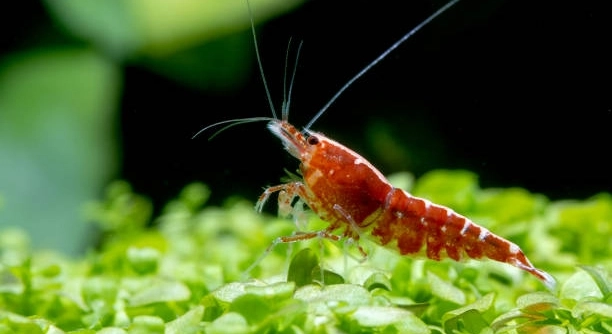
Do you ever notice how cherry shrimp move around their tank, seemingly aware of everything happening nearby? Watching them interact can be strangely calming, but there may be more going on than just simple swimming patterns.
Research suggests that cherry shrimp are capable of sensing fear or stress signals in other shrimp. They can detect chemical cues released by distressed individuals, which influences their own behavior, often causing them to hide or move cautiously in response to perceived danger.
Understanding these behaviors can help shrimp keepers create safer, more comfortable environments for their aquatic pets. Observing interactions reveals more than what meets the eye.
How Cherry Shrimp Communicate Stress
Cherry shrimp communicate largely through chemical signals in the water. When a shrimp experiences fear, stress hormones and other compounds are released, alerting nearby shrimp. I’ve watched my own shrimp scatter suddenly, and it’s striking how quickly they react. Even small disturbances, like a sudden shadow or movement, can trigger this response. The signals are subtle but powerful, influencing how shrimp feed, explore, and hide. In a community tank, this means one shrimp’s stress can ripple through the group. Observing these behaviors carefully allows you to notice patterns and adjust tank conditions. Lighting, water flow, and hiding spots all affect their comfort level. Providing a stable, calm environment helps reduce stress signals and keeps shrimp behaving naturally. Even minor stress can impact molting and health. By paying attention, you can create a space where each shrimp feels secure, reducing unnecessary stress-related behavior and promoting healthier interactions overall.
Chemical signaling is key to their social behavior and awareness of potential threats.
Stress signals can also affect feeding patterns and overall activity levels. Shrimp may avoid food or move less, staying hidden until they feel safe. This natural behavior ensures survival but can make tank dynamics appear uneven.
Observing Fear Responses
Noticing fear responses in cherry shrimp requires patience and attention to detail.
Shrimp show fear through rapid swimming, hiding, or retreating to plants and decorations. I’ve noticed that even gentle tapping on the glass can trigger these reactions. Over time, patterns become predictable. For example, new additions to the tank often create stress signals that affect everyone else. Tank mates that are aggressive or overly active can also increase stress levels, causing timid shrimp to stay hidden for longer periods. Temperature changes, poor water quality, and insufficient hiding places all add to their sensitivity. Observing these behaviors regularly helps identify what triggers fear. Adjusting the environment, like adding more shelters or reducing sudden movements near the tank, makes a noticeable difference. The more calm and stable the tank, the more natural and relaxed the shrimp appear. Consistent observation allows you to recognize stress early, helping maintain a healthy and active shrimp population while keeping the tank balanced and peaceful.
Recognizing Subtle Signals
Shrimp often show fear through small movements or changes in posture. I’ve noticed them freeze near hiding spots or twitch rapidly when another shrimp behaves nervously. These subtle signals are easy to miss but indicate awareness of danger in their environment.
Even minor stress can affect shrimp behavior significantly. When one shrimp senses fear, others nearby may slow down, avoid open spaces, or hide entirely. I’ve observed this in my tank when introducing new plants or rearranging decorations. The reactions are almost immediate, showing how sensitive they are to chemical and visual cues. These responses are survival instincts, helping them avoid predators or threats in natural settings. Monitoring these subtle changes allows me to understand my shrimp better and adjust the environment to keep them comfortable. Over time, recognizing patterns helps reduce unnecessary stress.
Fear responses can also influence feeding habits. Shy shrimp often wait for bolder shrimp to eat first. I’ve noticed timid shrimp retreating completely during feeding if others appear startled. This behavior ensures survival but can make tracking their health and growth more challenging. Adjusting feeding times, providing multiple small portions, and adding extra hiding spaces helps all shrimp feel secure and maintain regular activity. Observing their interactions closely has improved my ability to balance the tank and reduce fear-driven behaviors.
Environmental Factors Affecting Fear
Tank setup plays a major role in how shrimp react to stress. Sudden changes, strong currents, or lack of hiding spaces amplify fear responses.
Lighting, water flow, and decorations affect their sense of security. In my experience, bright overhead lights make shrimp skittish, while soft, diffused lighting helps them move naturally. Strong currents can push timid shrimp into corners, increasing stress, so balancing water flow is important. Dense plant coverage and small shelters give them places to retreat, reducing fear-induced behaviors. Even rearranging rocks or plants can temporarily trigger stress signals, showing how sensitive they are to environmental changes. Careful observation and minor adjustments create a calm, stable habitat, helping shrimp feel safer and behave naturally. Regular monitoring ensures that all individuals have access to hiding spots and optimal conditions.
Water quality is another key factor. Poor parameters increase stress, making shrimp more reactive to each other’s signals. I’ve learned that maintaining stable temperature, pH, and clean water reduces fear-driven behaviors. Nutrient balance and regular tank maintenance also influence activity levels. Healthy shrimp handle environmental changes better and display fewer exaggerated responses. By observing these factors closely, I can create a supportive environment that minimizes stress, encourages natural interactions, and promotes overall well-being for every shrimp in the tank.
Chemical Cues in Action
Shrimp release pheromones when stressed, which other shrimp detect immediately. I’ve seen calm shrimp suddenly dart for cover when a neighbor gets startled. These chemical cues are powerful, guiding group behavior without any physical contact.
Even subtle signals can trigger a response. Shy shrimp often freeze or retreat when detecting fear pheromones. Over time, these interactions shape tank dynamics, influencing feeding and movement patterns. Recognizing this helps me understand why some shrimp appear more cautious than others.
How Group Dynamics Influence Fear
Shrimp behavior is strongly affected by the behavior of others. In my tank, one panicked shrimp can cause a chain reaction, making everyone hide or move rapidly. Social awareness plays a crucial role, even among small invertebrates.
Reducing Stress Through Tank Design
Adding plants, rocks, and hiding spots helps shrimp feel secure. I’ve found that careful arrangement reduces fear signals, making the tank calmer and more active.
FAQ
How do I know if my shrimp are stressed?
Shrimp show stress in several ways. I’ve noticed mine hiding more than usual, swimming erratically, or freezing in place. Changes in feeding habits are another sign, like avoiding food or waiting for others to eat first. Rapid color changes or sudden lethargy can also indicate stress. Observing them closely over time helps identify patterns and triggers.
Can one stressed shrimp affect the whole tank?
Yes. In my tank, when one shrimp panics, others react almost instantly. Chemical signals released by the stressed individual alert nearby shrimp, causing them to hide or move cautiously. Even subtle fear can ripple through the group, changing feeding behavior and activity levels.
Do cherry shrimp sense fear visually or chemically?
Both senses play a role, but chemical cues are strongest. I’ve seen shrimp react before even seeing a potential threat, simply by detecting pheromones in the water. Visual cues, like sudden movements or shadows, reinforce the response.
Will frequent tank changes increase fear?
Yes, frequent rearrangements or sudden environmental changes can increase stress. I learned that moving plants, decorations, or introducing new water too quickly triggers hiding and erratic swimming. Gradual adjustments reduce panic and help shrimp feel secure.
How can I minimize stress in a community tank?
Providing plenty of hiding spots is key. Rocks, plants, and moss give shy shrimp places to retreat. I also maintain stable water parameters, avoid sudden light changes, and keep active shrimp in check. Observing interactions daily lets me spot fear signals early and intervene if needed.
Does fear affect shrimp molting?
Absolutely. I’ve seen stressed shrimp delay molting or struggle during the process. Hiding and feeling secure are crucial for successful molting. Tanks with consistent conditions and calm neighbors promote healthier molting cycles and reduce complications.
Can shrimp learn from each other’s fear?
Yes, indirectly. When one shrimp reacts to a threat, others detect the chemical signals and mimic cautious behaviors. I’ve noticed timid shrimp becoming more alert after repeated exposure to stressed tank mates. This natural social response improves survival instincts.
Do tank size and population density matter?
They do. Overcrowded tanks amplify fear responses because chemical signals accumulate quickly. In my experience, smaller, well-spaced groups react less intensely. Providing adequate space and hiding areas keeps interactions calmer and reduces stress-driven behaviors.
Are there signs that fear is harming shrimp health?
Yes. Persistent hiding, refusal to eat, slowed movement, or color fading indicate chronic stress. I’ve had shrimp that became vulnerable to disease when stressed for long periods. Regular observation and environmental adjustments prevent long-term health issues.
Can I use stress-reducing additives in water?
Some products claim to reduce stress, but I rely mostly on habitat management. Stable water parameters, gradual changes, and proper shelter work best. I’ve found that shrimp respond more reliably to consistent care than chemical solutions.
How long do shrimp remember stressful events?
Memory in shrimp is limited but sufficient to avoid repeated threats. I’ve noticed shrimp acting cautiously near areas where they were startled, even days later. This cautious behavior fades over time if the environment remains calm.
Do shrimp show different fear levels individually?
Yes. Some are naturally bolder while others are timid. In my tank, certain shrimp consistently explore while others hide at the first sign of disturbance. Understanding individual tendencies helps manage group dynamics effectively.
Can adding new shrimp cause fear reactions?
Definitely. Introducing new shrimp creates chemical and visual stress signals. I usually quarantine newcomers and introduce them slowly. Gradual exposure helps the existing group adjust without triggering mass panic or hiding behaviors.
Is there a way to track shrimp stress over time?
Observing patterns daily works best. I note feeding habits, hiding frequency, and movement speed. Keeping a simple log helps me see trends and make adjustments. Consistency in monitoring allows me to intervene early and maintain a balanced, calm tank environment.
Does tank lighting influence fear?
Yes, lighting intensity matters. Bright, direct lights often startle shrimp, while soft, diffused lighting keeps them calm. I’ve adjusted lighting schedules to mimic natural conditions, which reduces hiding and increases normal activity throughout the day.
Do water currents trigger fear?
Strong currents can make timid shrimp retreat constantly. In my tank, reducing flow around shelters allowed shy individuals to explore more freely. Gentle circulation is enough for oxygenation without stressing them unnecessarily.
How quickly do shrimp react to perceived danger?
Almost instantly. I’ve observed shrimp detect subtle vibrations or chemical signals and hide within seconds. Their rapid response is an evolved survival mechanism that helps them avoid potential predators in natural environments.
Is fear contagious among different shrimp species?
Yes, if housed together, different species can respond to each other’s stress signals. In mixed tanks, calmer species may become more cautious, while naturally bold species sometimes show temporary hesitation. Observing interspecies interactions is important to maintain harmony.
Can proper feeding reduce fear responses?
Consistent and adequate feeding helps. I’ve noticed shrimp are calmer when they know food is available and predictable. Starvation or irregular feeding increases stress, making them more sensitive to disturbances and chemical signals from anxious tank mates.
Does tank decoration affect fear behavior?
Absolutely. Dense plant coverage, moss, and rock formations provide hiding spots. I’ve arranged multiple layers and small nooks so timid shrimp feel safe while still allowing bold shrimp space to explore. Thoughtful decoration reduces overall stress and improves group dynamics.
How long does it take for shrimp to settle after stress?
It varies. In my experience, mild disturbances resolve within hours, while major changes like tank moves may take several days. Patience and maintaining stable conditions help shrimp regain confidence and resume normal behavior.
Are there signs of social learning in shrimp?
Yes. I’ve seen shrimp avoid areas where others experienced stress. They seem to recognize chemical and visual cues, adjusting behavior accordingly. Social learning helps reduce risk for the group and ensures cautious individuals survive longer.
Do shy shrimp eventually become bolder?
Some do over time. I’ve watched timid shrimp explore more as they gain confidence in a calm, stable tank. Repeated exposure to safe conditions and accessible hiding places allows them to gradually reduce fear responses without compromising survival instincts.
Can tank mates reduce or amplify fear?
Yes. Active, bold shrimp can encourage timid ones to explore, while aggressive or jumpy individuals amplify stress. In my tank, balancing personalities and providing adequate space ensures timid shrimp don’t become chronically stressed.
Does water temperature affect fear?
Temperature stability is important. Rapid changes make shrimp skittish and increase hiding behavior. I’ve maintained steady temperatures to minimize stress, which keeps activity and feeding patterns consistent across the tank.
Are certain times of day worse for shrimp stress?
Yes. Sudden lighting changes, like turning on bright overhead lights, can trigger fear. I’ve noticed early morning or late evening disturbances cause more hiding. Maintaining predictable lighting schedules reduces unnecessary stress reactions.
Can overcrowding increase fear responses?
Definitely. High population density increases chemical signal buildup, making shrimp more reactive. I keep my tanks moderately populated with sufficient hiding spaces to prevent widespread fear and allow each shrimp to maintain comfort and normal behavior.
Do shrimp recover fully from fear episodes?
Yes, with proper conditions. I’ve seen shrimp hide temporarily and then return to normal activity once the environment stabilizes. Reducing disturbances and ensuring sufficient shelter helps them regain confidence and maintain healthy interactions.
Can introducing plants gradually reduce fear?
Yes. Adding new plants in stages allows shrimp to adjust slowly. I’ve found that sudden changes cause panic, while gradual introductions let them explore safely and reduce fear-induced hiding or erratic swimming.
Is there a difference between male and female shrimp in fear response?
Slight differences exist. Females, especially when carrying eggs, tend to hide more under stress. Males may continue exploring but still react to chemical cues. Observing both helps understand group behavior and ensures all shrimp feel secure.
Does molting increase fear sensitivity?
Yes, recently molted shrimp are more vulnerable and hide more often. I’ve noticed they respond to even minor disturbances. Providing extra shelter and avoiding sudden tank changes during molting reduces stress and helps them recover safely.
Are there signs that fear affects breeding?
Chronic stress can reduce mating behaviors. In my experience, stressed shrimp hide more and interact less, which lowers breeding success. Calm, well-structured tanks with hiding spaces encourage normal courtship and improve reproductive outcomes.
Do shrimp ever ignore fear signals?
Occasionally, bolder individuals will explore despite nearby stress signals. I’ve seen confident shrimp continue feeding or moving while others hide. These personalities influence group dynamics and balance cautious behaviors in the tank.
Can lighting color affect fear responses?
Yes. I’ve found softer, warmer lighting reduces hiding, while bright white or blue lights increase skittishness. Adjusting light color and intensity can help shrimp feel safer and encourage natural behaviors.
How do I help new shrimp acclimate without causing fear?
Quarantine and slow introduction work best. I drip water slowly to match conditions and let newcomers settle gradually. Observing existing shrimp and adjusting hiding spots reduces panic and helps everyone adjust smoothly.
Does feeding order affect fear behavior?
Yes. I provide multiple small feeding spots to prevent timid shrimp from being blocked by more active ones. This reduces stress, encourages normal feeding, and prevents fear-induced hiding during meals.
Do shrimp communicate fear long-term?
Signals are usually short-term. I’ve seen reactions fade once the threat passes, but repeated stress can create longer periods of caution. Maintaining calm conditions prevents prolonged fear and supports healthy, normal behavior patterns.
Are there differences in fear sensitivity by shrimp species?
Yes. Some species are naturally bolder, while others are more cautious. In mixed tanks, I’ve noticed timid species respond strongly to chemical signals from bolder species, showing that fear sensitivity varies and affects group behavior.
Can I monitor stress using behavior alone?
Yes. Observation of hiding, swimming patterns, and feeding habits provides clear indicators. I keep a simple log to track trends and intervene before stress becomes chronic, ensuring shrimp stay healthy and active.
Does noise outside the tank affect shrimp?
Unexpected vibrations or loud noises can trigger hiding. I’ve noticed shrimp reacting to tapping, nearby movement, or even furniture vibrations. Minimizing sudden disturbances keeps them calmer and reduces fear responses.
Can water hardness influence fear behavior?
Yes. Sudden changes in hardness can increase stress. I maintain stable water chemistry and make gradual adjustments when needed. This prevents panic reactions and ensures shrimp feel safe in their environment.
Is there a role of age in fear response?
Younger shrimp are often more timid and hide more frequently. Older shrimp become bolder with experience. I’ve observed this in my tank, where juveniles retreat quickly, while adults explore carefully and respond efficiently to stress signals.
Do shrimp ever overreact to fear signals?
Yes. Sometimes a minor disturbance causes an exaggerated hiding response. I’ve noticed that repeated small stressors make shrimp more cautious, highlighting the importance of maintaining calm conditions and minimizing unnecessary triggers.
Can providing multiple shelters prevent chain reactions?
Definitely. Multiple hiding spots allow each shrimp to respond independently without affecting others excessively. I arrange shelters throughout the tank, reducing panic and helping timid shrimp regain confidence quickly.
How do I know if shrimp are comfortable together?
Balanced activity levels and consistent feeding without prolonged hiding indicate comfort. I observe movement patterns, social interactions, and stress responses to ensure the group coexists peacefully.
Does tank color or background matter?
Yes. Neutral or darker backgrounds reduce stress, while bright or reflective surfaces can startle shrimp. I’ve seen calmer behavior when tanks mimic natural surroundings with subtle colors and textures.
Can overcrowding cause permanent fear behavior?
Chronic overcrowding can lead to long-term stress. I maintain moderate populations and provide ample hiding spaces to prevent prolonged fear responses, ensuring shrimp remain active, healthy, and socially balanced over time.
Does shrimp diet affect fear sensitivity?
Proper nutrition supports overall resilience. I feed a balanced diet with variety to maintain health. Well-nourished shrimp recover from stress faster and are less likely to overreact to minor disturbances.
Are there signs of recovery after fear events?
Yes. Shrimp resume normal movement, explore open spaces, and feed regularly. I monitor these behaviors to confirm that stress levels have returned to baseline and the environment supports their well-being.
Do shrimp ever ignore shelter after repeated fear?
Occasionally, bolder shrimp may continue exploring despite nearby fear signals. I’ve noticed confident individuals balance timid behavior in the tank, showing that personality differences influence how shrimp respond to stress.
Can tank mates influence recovery speed?
Yes. Calm tank mates encourage shy shrimp to resume normal behavior more quickly. Aggressive or highly reactive neighbors slow recovery, emphasizing the importance of balancing personalities and providing safe spaces for all individuals.
Does the size of shrimp affect fear behavior?
Smaller shrimp are often more cautious and hide more. Larger shrimp may dominate space or tolerate disturbances better. I observe size-related behavior differences to manage tank layout and ensure all shrimp feel safe.
Are there long-term effects of repeated stress?
Yes. Chronic fear can lead to poor feeding, slower growth, and reduced breeding success. I focus on stable conditions and adequate shelter to prevent repeated stress from impacting overall health.
Can I reduce stress with consistent routines?
Absolutely. I maintain predictable feeding, lighting, and maintenance schedules. Shrimp respond well to consistency, which reduces panic, encourages normal behavior, and promotes long-term health.
Does introducing live plants affect fear?
Yes. Gradual introduction of live plants reduces panic. I’ve seen shrimp explore more confidently when plants are added slowly, providing new hiding spots without sudden stress.
Can sudden light flashes trigger fear?
Yes. Rapid changes in lighting startle shrimp. I avoid abrupt flashes, using gradual adjustments to keep behavior calm and reduce hiding or erratic swimming.
Do shrimp react differently during molting cycles?
Yes. Recently molted shrimp hide more and are highly sensitive. I provide extra cover during molting periods to protect them and reduce fear-driven stress responses.
Is water flow adjustment important for stress management?
Yes. Gentle, consistent flow prevents timid shrimp from being forced into corners. I balance circulation with areas of calm, allowing safe exploration and reducing fear-driven hiding.
Can visual barriers reduce fear responses?
Yes. Plants, moss, and rocks create visual separation, helping timid shrimp feel safe. I arrange barriers strategically so each shrimp has private areas, lowering stress and improving overall tank harmony.
Does tank noise from pumps affect shrimp?
Occasionally. I’ve noticed vibrations or loud pumps make shrimp skittish. Reducing unnecessary noise and using gentle filtration helps maintain calm behavior and lowers fear responses.
Can consistent feeding schedules improve confidence?
Yes. Timely and predictable feeding reassures shrimp and reduces hiding. I place food in multiple areas to avoid competition and encourage all individuals to eat without stress.
Are timid shrimp more affected by new tank additions?
Yes. Shy shrimp react strongly to newcomers. I introduce new shrimp gradually and monitor interactions to prevent panic, ensuring the existing group adjusts without excessive fear.
Do shrimp show recovery after chemical stress signals?
Yes. Once a threat is gone, chemical signals dissipate, and shrimp resume normal activity. I watch closely to ensure timid individuals regain confidence and explore safely.
Does tank lighting schedule influence fear?
Yes. Predictable lighting reduces stress. I maintain gradual transitions between day and night, preventing sudden brightness that can trigger hiding and erratic swimming behaviors.
Can tank decorations be used to manage fear?
Absolutely. Strategically placed plants, rocks, and moss provide shelter and visual separation, reducing chain reactions from panic and helping shrimp feel secure during normal activity.
Does water quality directly influence fear responses?
Yes. Stable parameters prevent exaggerated reactions. I maintain temperature, pH, and cleanliness consistently to minimize stress, keeping shrimp behavior predictable and reducing hiding tendencies.
Are some shrimp naturally bolder than others?
Yes. Personality differences influence responses. Bold shrimp explore while timid ones hide. I account for this when designing tank layouts, ensuring all individuals have safe spaces and balanced social interactions.
Do environmental changes affect fear long-term?
Repeated sudden changes can create chronic stress. I’ve seen shrimp stay hidden for extended periods after frequent disturbances. Maintaining stability in water, lighting, and tank layout helps prevent long-term fear behaviors.
Can I reduce fear by providing more hiding spots?
Yes. Multiple shelters allow each shrimp to respond independently without affecting others. I place plants and rocks throughout the tank, creating safe zones and reducing panic responses during disturbances.
Does social hierarchy influence fear reactions?
Yes. Dominant shrimp often explore while submissive ones hide. I observe these dynamics to ensure timid individuals are not constantly stressed and have access to safe areas, keeping the group balanced.
Can gradual acclimation reduce fear when moving tanks?
Absolutely. Slow introduction to new environments reduces panic. I drip water gradually and provide ample hiding spots, helping shrimp adjust without triggering excessive hiding or stress signals.
Does personality affect feeding under stress?
Yes. Bold shrimp continue feeding despite fear signals, while timid ones hide or wait. I distribute food in multiple locations to ensure all shrimp access nutrition safely.
Can I track fear responses through movement patterns?
Yes. Freezing, darting, or retreating indicate stress. I log these behaviors to identify triggers and adjust tank conditions, helping shrimp regain calm and maintain healthy interactions.
Do chemical signals from dead shrimp trigger fear?
Yes. Decomposing individuals release compounds that alert the tank. I remove dead shrimp promptly to prevent unnecessary stress and reduce fear-driven hiding behaviors.
Does tank shape affect fear reactions?
Yes. Long, open tanks can make timid shrimp feel exposed, while tanks with corners, plants, and obstacles provide security. I arrange the environment to reduce open spaces and increase perceived safety.
Can water changes trigger fear?
Yes, especially if done rapidly. I perform slow, partial changes and match water parameters closely to prevent stress and panic in the shrimp population.
Do shrimp recover faster with multiple hiding spots?
Yes. Providing more shelter allows timid shrimp to regain confidence sooner. I place plants, moss, and rocks strategically to give each individual a safe retreat, reducing prolonged stress responses.
Are fear responses stronger in juveniles?
Yes. Young shrimp hide more and react quickly to disturbances. I provide extra shelter and monitor juveniles closely to help them develop confidence and reduce excessive fear behaviors.
Can proper tank layout prevent chain reactions?
Absolutely. I arrange hiding spots and open areas to reduce overcrowding and allow shrimp to respond individually. Thoughtful layout minimizes panic spread and keeps overall behavior calm and predictable.
Does overfeeding reduce fear?
Not directly. Balanced feeding prevents competition-induced stress, but excessive food can affect water quality, indirectly increasing stress. I maintain moderate, consistent feeding to keep shrimp comfortable.
Are timid shrimp slower to explore?
Yes. They wait for bolder shrimp
Cherry shrimp are small, delicate creatures, but they have surprisingly complex behaviors. Observing them in a tank, it becomes clear that they are sensitive to changes around them. Fear and stress are part of their natural instincts, helping them survive in the wild. In a home tank, these instincts still appear, often triggered by sudden movements, bright lights, or other stressed shrimp. I’ve spent many hours watching my shrimp, and it’s fascinating to notice how quickly they react to even the smallest cues. A shrimp may freeze mid-swim or dart to the nearest hiding spot if it senses danger. These reactions may seem minor, but they show that cherry shrimp are constantly aware of their surroundings. Their behavior is influenced not just by what they see, but by chemical signals in the water. These signals can alert other shrimp to danger, and even subtle releases can cause noticeable changes in tank activity. Understanding these patterns helps keep a tank calm and balanced.
Providing a stable environment is one of the most effective ways to reduce stress in cherry shrimp. Consistent water parameters, gentle currents, and proper temperature are crucial for their comfort. I’ve learned that even small fluctuations in pH or hardness can make shrimp skittish. Hiding spaces, plants, moss, and decorations are just as important. They give shrimp places to retreat and feel secure when they sense fear from tank mates. Over time, a tank with well-placed shelters and minimal disturbances allows shrimp to explore more confidently and maintain regular feeding patterns. Group dynamics also play a role. Timid shrimp may follow bolder individuals, while overly active or aggressive shrimp can amplify stress signals. Observing the interactions among shrimp provides insight into their personalities and helps create a harmonious community. Even small adjustments, like rearranging plants slowly or adding extra hiding spots, can make a noticeable difference in their behavior.
Fear in cherry shrimp is not something to worry about as long as it is managed properly. Occasional hiding or cautious behavior is natural and even healthy. I’ve found that shrimp often recover quickly when the environment is calm and predictable. They learn to respond to signals safely and gradually regain confidence after stressful events. Patience and careful observation are essential. Watching shrimp over time allows me to notice patterns and anticipate potential triggers, ensuring the tank remains a comfortable habitat. By respecting their instincts and providing the right conditions, shrimp can thrive, interact naturally, and display behaviors that are both fascinating and rewarding to observe. Even though they are tiny, their sensitivity reminds me how attentive we need to be as caretakers to maintain their well-being and promote healthy, balanced behavior in the tank.

Hello,
If you enjoy the content that we create, please consider saying a "Thank You!" by leaving a tip.
Every little bit helps us continue crafting quality advice that supports the health, happiness, and well-being of pets around the world, for pets of all shapes, sizes, and species.
We really appreciate the kindness and support that you show us!