
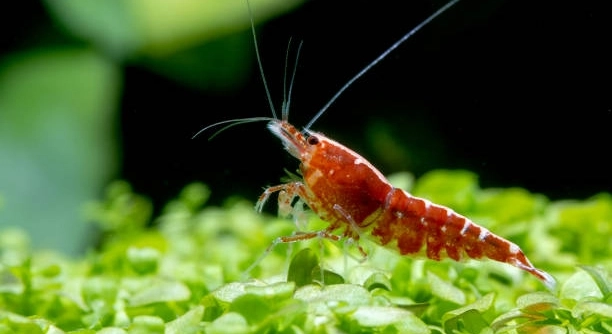
Keeping shrimp in a home aquarium can be rewarding, but it takes careful attention. Many owners enjoy watching their shrimp explore, yet small changes in behavior can signal problems that need immediate attention to prevent losses.
Shrimp show signs of stress or illness through behavioral and physical changes. Indicators such as lethargy, loss of color, molting issues, unusual swimming patterns, and signs of disease can reveal their declining health and require timely intervention.
Recognizing these warning signs early allows you to take action before conditions worsen and ensures a healthier, more vibrant shrimp population in your tank.
Loss of Color
Shrimp losing their vibrant colors is often the first sign something is wrong. Healthy shrimp usually have bright, consistent hues, so any fading or dullness can indicate stress or poor water conditions. Changes in diet, water quality, or lighting can all affect coloration. If a shrimp suddenly becomes pale, it may also be shedding improperly or fighting disease. Observing your shrimp daily helps spot subtle changes before they become severe. Temperature swings or exposure to harmful chemicals can intensify color loss. Adding mineral-rich supplements and maintaining stable conditions often improves their appearance. Avoid overfeeding, as excess waste can reduce water quality and affect color.
Color changes can be an early warning that your shrimp need attention to water quality, diet, or environmental stability. Acting quickly can prevent further health decline.
Monitoring tank conditions, feeding high-quality food, and avoiding sudden environmental changes can restore shrimp color. Keeping records of water parameters and observing individual behavior ensures problems are identified early. Even minor stress can show in shrimp appearance, so careful attention is important to maintain a healthy, active group.
Unusual Swimming Patterns
Shrimp that swim erratically or hover near the surface can indicate stress.
Erratic swimming often signals poor water conditions, disease, or lack of oxygen. Shrimp may spin, twitch, or struggle to stay on the substrate. This behavior usually occurs when water ammonia, nitrite, or nitrate levels are high, or when temperatures fluctuate.
Observing these patterns early is crucial. Water tests, tank cleaning, and adjusting temperature or oxygen levels can correct the issue. Shrimp may also avoid certain areas of the tank if they feel unsafe or stressed. Providing hiding spaces and maintaining stable water conditions reduces erratic swimming. Infected shrimp may show symptoms like lethargy alongside abnormal movement, so prompt separation and treatment may be needed. Consistent feeding schedules and monitoring tank mates can prevent stress-induced swimming problems. Keeping a close eye on water parameters ensures shrimp remain healthy, active, and less prone to sudden behavioral changes that signal trouble.
Molting Problems
Shrimp that have trouble molting often appear stuck in their old exoskeletons. This can be caused by poor water quality, lack of essential minerals, or stress. Regular monitoring and maintaining stable conditions can reduce these problems and support healthy growth.
Molting is critical for shrimp growth and survival. If shrimp cannot shed their exoskeleton properly, they may become weak or die. Insufficient calcium or magnesium in the water can make their shells hard to break. Stress from aggressive tank mates or sudden water changes can also interfere with molting. Observing shrimp before and after molting helps identify which individuals struggle and why. Providing a mineral-rich diet and maintaining stable, clean water encourages successful molts and prevents injuries or fatalities.
Shrimp that repeatedly fail to molt may need extra care. Adjusting water parameters and adding supplements can improve exoskeleton strength. Providing hiding spaces during molting reduces stress and allows shrimp to complete the process safely. Tracking molting patterns can alert you to early problems before they become life-threatening.
Loss of Appetite
Shrimp that stop eating are often under stress or ill. Reduced feeding can indicate poor water conditions, disease, or insufficient nutrition.
A sudden loss of appetite is a serious warning. Shrimp rely on regular feeding to maintain energy and grow. Poor water quality, high ammonia levels, or parasites can cause shrimp to refuse food. Even slight changes in diet or temperature may lead to feeding issues. Observing which shrimp stop eating can help identify the source of stress. Addressing the problem quickly by improving water conditions or adjusting feeding routines often restores their appetite.
Persistent appetite loss may lead to weakened shrimp and higher mortality rates. Gradually reintroducing high-quality foods and checking tank parameters carefully supports recovery. Avoid overfeeding or sudden diet changes, as this can worsen the issue. Providing a calm environment with minimal disturbances allows shrimp to regain normal feeding behavior and strengthens their overall health.
Hiding Constantly
Shrimp that hide more than usual are often stressed or unwell. Frequent hiding can result from aggressive tank mates, poor water conditions, or illness. Observing their usual behavior helps identify changes.
Consistent hiding reduces feeding opportunities and can slow growth. Providing shelters and calm surroundings can help shrimp feel secure.
Physical Deformities
Shrimp showing bent bodies, missing limbs, or uneven shells may be experiencing health issues. Deformities often result from poor water quality, nutritional deficiencies, or failed molts. Monitoring water parameters and feeding a balanced diet can prevent further problems and improve recovery chances.
Excessive Lethargy
Shrimp that remain motionless for long periods may be ill or stressed. Lack of movement often indicates poor oxygen levels, disease, or unsuitable temperature. Observing and addressing tank conditions promptly supports shrimp survival and encourages normal activity levels.
FAQ
How can I tell if my shrimp are stressed?
Shrimp show stress through changes in behavior or appearance. Common signs include hiding more than usual, losing color, swimming erratically, refusing food, or having trouble molting. Tracking daily behavior and keeping water parameters stable helps identify stress early. Stress can also make shrimp more prone to disease.
What water parameters are safest for shrimp?
Stable water is critical. Most freshwater shrimp thrive in temperatures between 72–78°F (22–26°C) with pH levels around 6.5–7.5. Ammonia and nitrite should always be at zero, while nitrate should stay below 20 ppm. Regular testing and partial water changes maintain these conditions. Avoid sudden shifts in temperature or pH, as shrimp are sensitive and can react quickly to changes.
Why is my shrimp losing color?
Color loss usually comes from stress, poor diet, or bad water quality. Pale shrimp may lack minerals or vitamins needed for vibrant coloration. Ensuring a balanced diet with specialized shrimp foods, algae, and occasional mineral supplements can help. Stable water conditions and low stress environments also restore natural colors over time.
What causes shrimp to stop eating?
Appetite loss can result from stress, disease, or environmental issues. Poor water quality, sudden temperature changes, or overcrowding often make shrimp refuse food. Observing feeding patterns and testing water can reveal the problem. Offering a variety of foods, including blanched vegetables or high-quality pellets, encourages feeding.
How do I help shrimp that are having molting issues?
Molting problems are often due to lack of calcium or magnesium, poor water quality, or stress. Adding mineral supplements, maintaining clean water, and providing hiding spaces during molting supports safe shell shedding. Avoid disturbing shrimp during this time to reduce stress and prevent injuries.
What should I do if shrimp are hiding constantly?
Hiding is normal occasionally, but prolonged hiding suggests stress or illness. Check water parameters and tank mates. Ensure there are plenty of hiding spots, but also observe if shrimp are feeding. Reducing disturbances and maintaining a calm environment encourages them to return to normal activity.
How do I prevent physical deformities in shrimp?
Deformities are usually caused by poor water quality, insufficient minerals, or failed molts. Providing a mineral-rich diet, stable water, and proper tank conditions prevents weak exoskeletons or bent bodies. Monitor molting closely and remove aggressive tank mates that might cause injuries.
When should I worry about lethargy?
Lethargy becomes concerning if shrimp remain still for long periods, do not respond to food, or show other signs of illness. Check water parameters immediately and observe for disease symptoms. Addressing oxygen levels, temperature, and stressors often restores normal activity.
Can diet affect shrimp health?
Yes, diet plays a major role. Shrimp need protein, minerals, and vitamins to maintain color, grow properly, and molt successfully. Feeding a mix of high-quality shrimp pellets, blanched vegetables, and occasional supplements supports overall health. Avoid overfeeding to prevent water quality issues.
How often should I check my shrimp tank?
Daily observation is best for spotting early signs of stress or illness. Weekly water tests for ammonia, nitrite, nitrate, pH, and hardness keep conditions safe. Regular tank maintenance, such as cleaning filters and removing debris, also supports a healthy shrimp environment.
What are early signs of disease in shrimp?
Early signs include unusual swimming, color fading, loss of appetite, lethargy, and molting problems. Some diseases may cause white spots, fuzzy growths, or discolored patches. Prompt isolation and water treatment can prevent disease from spreading and reduce mortality.
Can tank mates affect shrimp health?
Yes, aggressive or large fish can stress shrimp, leading to hiding, reduced feeding, or injuries. Choosing compatible tank mates and providing hiding spots helps shrimp feel safe and reduces stress-related health issues. Observing interactions regularly ensures shrimp are not being harassed or harmed.
How do I encourage shrimp to eat after appetite loss?
Start with small amounts of highly palatable foods like blanched vegetables or specialized pellets. Maintain optimal water conditions and reduce stressors such as sudden changes or aggressive tank mates. Gradually reintroducing a balanced diet supports recovery and encourages normal feeding behavior.
Are water changes important for shrimp health?
Regular water changes remove toxins and stabilize parameters. Partial changes of 10–20% weekly are usually sufficient. Avoid large or abrupt changes, which can stress shrimp. Clean water ensures proper oxygen levels and supports growth, molting, and overall vitality.
How long can shrimp survive in poor conditions?
Survival varies depending on the issue, but prolonged exposure to bad water quality, insufficient diet, or high stress can lead to rapid decline or death. Early detection and correction of issues greatly improve survival chances. Constant monitoring is key.
Can shrimp recover from deformities or illness?
Some deformities or mild illnesses can improve with proper care, nutrition, and stable conditions. Severe deformities or advanced disease may be irreversible. Prompt attention, isolation, and supportive care improve recovery chances and overall tank health.
How do I know if my shrimp tank is overcrowded?
Signs include stress, hiding, slow growth, poor water quality, and frequent competition for food. Overcrowding increases waste and decreases oxygen levels. Maintaining proper stocking density ensures each shrimp has space to move, feed, and molt safely.
What equipment helps maintain shrimp health?
Reliable heaters, filters, and air pumps help keep water stable and oxygenated. Test kits for pH, ammonia, nitrite, and nitrate are essential. Hiding spots and plants reduce stress, while regular cleaning prevents buildup of harmful substances. Consistent equipment use supports a thriving shrimp environment.
Can stress affect shrimp lifespan?
Yes, chronic stress shortens lifespan and increases vulnerability to disease. Stress comes from poor water quality, aggressive tank mates, sudden environmental changes, or lack of food. Maintaining calm, stable conditions and observing shrimp behavior helps them live longer, healthier lives.
Is it necessary to isolate sick shrimp?
Isolation prevents disease from spreading and reduces stress on healthy shrimp. Use a quarantine tank with clean water and proper hiding spots. Treat affected shrimp carefully and monitor recovery before reintroducing them to the main tank.
How do I improve shrimp survival during molting?
Provide hiding places, maintain mineral-rich water, and avoid disturbances. Ensure optimal temperature and clean water to reduce stress. Proper feeding supports exoskeleton formation and successful molting, minimizing the risk of injury or death.
Can I prevent most shrimp problems?
Most issues can be prevented by maintaining stable water conditions, providing a balanced diet, avoiding overcrowding, and observing daily behavior. Early intervention for changes in appearance or behavior improves health and reduces mortality. Consistency is key to keeping shrimp healthy and active.
How long should I monitor new shrimp?
New shrimp should be closely observed for at least two weeks. Watch for feeding, color, activity, and interaction with tank mates. Early detection of stress or illness allows corrective action and increases the likelihood of successful acclimation.
What is the most important factor for healthy shrimp?
Consistent water quality, proper diet, and minimal stress are the most important factors. Daily observation and proactive maintenance help shrimp thrive, maintain vibrant colors, molt successfully, and avoid disease. Stable conditions support long-term health and a lively tank.
Keeping shrimp healthy in an aquarium requires consistent attention and care. Even small changes in water quality, temperature, or diet can affect their well-being. Shrimp are sensitive creatures, and their behavior often gives early signs of trouble. Observing them closely each day allows you to notice color changes, hiding, unusual swimming, or reduced feeding. These behaviors are not just random; they are often signals that something in their environment needs adjustment. By paying attention to these details, you can act quickly before small problems become serious, ensuring that shrimp remain active and healthy. Consistency in feeding, water testing, and tank maintenance builds a stable environment that shrimp thrive in.
It is important to remember that shrimp rely heavily on clean water and proper nutrition to grow and molt successfully. Lack of minerals like calcium or magnesium can lead to molting problems and deformities, while poor water conditions increase stress and susceptibility to disease. Providing a varied diet that includes specialized shrimp food, blanched vegetables, and occasional supplements supports their overall health. In addition, creating a calm environment with hiding spaces reduces stress, encourages natural behavior, and allows shrimp to feed and molt safely. Even minor improvements, like reducing sudden temperature fluctuations or removing aggressive tank mates, can have a significant impact on their health. Observing molting patterns, appetite, and movement is essential for early intervention.
Finally, shrimp keeping requires patience and observation rather than reactive measures. Regular monitoring of water parameters, gradual changes to the tank, and careful attention to diet and tank mates contribute to a thriving shrimp population. Problems like color loss, lethargy, hiding, or unusual swimming often signal environmental issues, but most can be corrected with consistent care. While shrimp may seem small and delicate, they respond well to stable conditions and thoughtful maintenance. Taking the time to understand their needs and addressing small signs of stress quickly ensures long-term health, vibrant coloration, and active behavior. By keeping conditions stable and observing changes carefully, you create an environment where shrimp can grow, molt, and live without unnecessary stress or illness.

Hello,
If you enjoy the content that we create, please consider saying a "Thank You!" by leaving a tip.
Every little bit helps us continue crafting quality advice that supports the health, happiness, and well-being of pets around the world, for pets of all shapes, sizes, and species.
We really appreciate the kindness and support that you show us!