
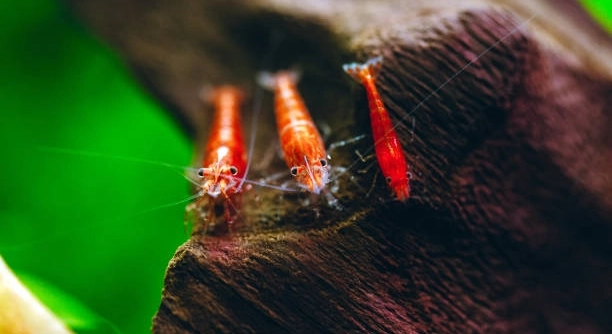
Cherry shrimp are popular freshwater pets, admired for their bright colors and peaceful nature. Many aquarists enjoy keeping them in small tanks, but tank shape can influence their behavior and overall health. Tank dimensions play an important role.
Cherry shrimp can thrive in tall, narrow tanks if proper water parameters, adequate hiding spots, and sufficient swimming space are maintained. Vertical space does not hinder their survival, but careful attention to filtration, temperature, and plant coverage is essential.
Understanding how tank height impacts shrimp movement and health helps create a stable, supportive environment. Small adjustments can significantly improve their well-being and enhance their vibrant appearance.
Ideal Tank Setup for Tall, Narrow Tanks
Tall, narrow tanks can be very attractive, but they require careful planning for cherry shrimp. Vertical space is beneficial for plants like moss and stem plants, which provide hiding places and grazing surfaces. Substrate choice is crucial because shrimp spend a lot of time near the bottom. Sand or fine gravel works best, allowing them to forage naturally. Proper filtration is essential to maintain water quality, as taller tanks can create uneven water flow. Avoid strong currents that could stress the shrimp or sweep them into the filter. Temperature stability is another key factor, with most cherry shrimp preferring 68–78°F. Lighting should encourage plant growth but not promote excessive algae. Regular water changes help maintain consistent parameters, especially in smaller tanks. By considering these factors, a tall, narrow tank can support a thriving shrimp population and a healthy aquatic ecosystem.
Providing vertical space with plants helps shrimp feel secure and encourages natural behaviors, even in confined width.
In my experience, arranging plants in layers along the height makes the tank feel spacious. Floating plants soften light and reduce stress, while taller stem plants give vertical structure. Moss on driftwood or rocks allows shrimp to graze naturally. Open swimming areas prevent overcrowding and support active shrimp movement. Filtration placement is key; gentle outflow avoids strong currents near plants and substrate. Observing shrimp daily helps identify stress or molting issues early. Regular partial water changes prevent ammonia spikes that are common in taller setups. By balancing plants, open space, and stable water conditions, tall tanks can be as suitable as wider ones. The shrimp adapt quickly when their environment is predictable, and vibrant coloration indicates they are comfortable and healthy. Simple adjustments to plant density, flow, or temperature can make a noticeable difference. With patience and attention, the vertical design enhances both aesthetics and shrimp well-being.
Feeding and Nutrition Considerations
Cherry shrimp need a balanced diet to stay healthy in a tall tank. Small, frequent feedings work best to prevent uneaten food from polluting water.
Shrimp benefit from a variety of foods, including algae wafers, blanched vegetables, and occasional protein sources. In a tall tank, sinking foods ensure they reach the bottom where shrimp spend most of their time. Observing how much they consume helps prevent overfeeding, which can cause water quality issues. Supplementing with biofilm-friendly plants encourages natural grazing and provides essential nutrients. Avoid large pellets that can get stuck in plants or substrate. Rotating food types keeps shrimp active and supports molting and growth. Even in a taller tank, consistent feeding routines help maintain health. Combining high-quality prepared foods with fresh plant matter gives them the nutrients needed for vibrant coloration and reproductive success. Monitoring water parameters alongside feeding ensures the environment remains stable and supportive.
Water Quality and Maintenance
Regular water testing is crucial in tall, narrow tanks. Parameters like ammonia, nitrite, nitrate, and pH must stay stable. Small fluctuations can stress cherry shrimp and affect molting and reproduction.
Keeping water stable requires consistent maintenance. I find weekly partial water changes of 20–30% help maintain balance without shocking the shrimp. Filter media should be rinsed gently in tank water to avoid removing beneficial bacteria. Tall tanks can develop uneven temperatures from top to bottom, so using a reliable heater and monitoring temperature at different heights prevents stress. Observation of shrimp behavior is also helpful; sluggish activity or hiding often indicates water issues. Maintaining proper water quality ensures shrimp remain healthy and active, supporting long-term tank stability.
Over time, algae growth can become uneven in vertical tanks. Scraping surfaces, trimming plants, and encouraging algae-eating microfauna help control buildup. Tall tanks need careful circulation to prevent stagnant zones. Placement of sponge filters or gentle powerheads can improve flow without stressing shrimp. A consistent maintenance schedule keeps water clear and nutrients balanced, supporting shrimp health and plant growth. Monitoring dissolved oxygen is also important, as tall tanks with dense plants or poor surface agitation can develop low oxygen zones. Small adjustments to flow, light, and cleaning routines ensure a thriving, balanced aquatic environment.
Behavior and Social Dynamics
Cherry shrimp display natural foraging, hiding, and molting behaviors that require sufficient vertical and horizontal space. Stress is reduced when shrimp have places to retreat.
In tall tanks, social dynamics are influenced by plant density and hiding spots. Shrimp establish territories around favored areas, such as moss patches or leaf litter. Overcrowding can lead to increased competition, especially among juveniles. Providing multiple shelters allows individuals to coexist peacefully. Observing interactions helps identify aggressive behavior or molting struggles. Vertical structures like tall plants or driftwood encourage exploration, while open areas let them swim freely. Balanced feeding ensures all shrimp receive nutrition without dominance issues. Regularly checking behavior gives insight into environmental adequacy, helping maintain a calm, healthy community.
Lighting and Plant Growth
Proper lighting is important in tall, narrow tanks to support plant growth. Light should reach the lower levels to prevent bare spots and encourage moss and stem plants to thrive.
Adjusting light intensity helps avoid excessive algae on upper surfaces. Taller tanks often require stronger or extended lighting to ensure plants at the bottom receive enough energy. Using adjustable LED lights can provide uniform coverage without overheating the water. Rotating or trimming plants periodically improves light penetration and maintains healthy growth. Ensuring consistent light schedules also helps shrimp establish natural routines and reduces stress.
Tank Decoration Tips
Vertical decorations like driftwood, tall rocks, and stem plants maximize space. They create hiding spots and encourage shrimp to explore upward areas.
Monitoring Shrimp Health
Regularly observe shrimp for signs of stress, disease, or molting issues. Coloration, activity, and feeding habits are key indicators.
Temperature Control
Maintaining a stable temperature throughout the tank is essential. Tall tanks can develop uneven heating from top to bottom.
FAQ
Can cherry shrimp live in very tall tanks?
Yes, cherry shrimp can live in tall tanks as long as water quality, hiding spaces, and swimming areas are properly maintained. Vertical space alone does not harm them, but it does require attention to filtration, temperature stability, and plant placement. Ensuring food reaches lower levels is also important.
How do I ensure proper water circulation in a narrow tank?
Tall, narrow tanks can develop stagnant zones, so using sponge filters or gentle powerheads is helpful. Position equipment to create mild flow throughout the tank without disturbing plants or stressing shrimp. Regular observation allows you to adjust flow as needed for consistent circulation.
What plants work best in tall, narrow tanks?
Stem plants like hygrophila, water wisteria, and cabomba grow vertically and provide structure. Mosses, Java fern, and moss-covered driftwood offer grazing surfaces. Floating plants reduce light intensity and create shaded areas. Arranging plants in layers improves vertical exploration and provides hiding spots at different heights.
How often should I feed cherry shrimp in a tall tank?
Small, frequent feedings are ideal. Overfeeding can quickly affect water quality in narrow tanks. Using sinking foods ensures they reach shrimp at lower levels. Supplement with blanched vegetables or biofilm-supporting plants. Observe shrimp feeding habits and adjust quantities to avoid leftover food buildup.
Can shrimp survive in tanks with little horizontal space?
Yes, they can adapt as long as vertical space is well-utilized. Provide plants, moss, and vertical structures for exploration and hiding. Open swimming areas along the vertical plane allow movement. Shrimp rely on both horizontal and vertical areas, so a balance of open space and structured zones is important.
How do I prevent algae overgrowth in tall tanks?
Control light intensity and duration. Place algae-eating microfauna such as snails or micro-shrimps. Trim plants regularly and clean decorations to avoid buildup. Good water circulation and balanced feeding reduce nutrient accumulation that promotes algae. Consistent observation ensures early intervention before algae spreads.
How can I monitor shrimp health effectively?
Check for color vibrancy, activity levels, and molting success. Healthy shrimp are active and explore vertical areas. Stress signs include hiding, lethargy, or faded coloration. Observe interactions to spot bullying or competition. Maintaining stable water parameters supports overall health and reduces disease risk.
Are heaters necessary in tall tanks?
Yes, especially in taller setups where temperature can vary from top to bottom. A reliable heater ensures even warmth. Measure temperature at different heights to avoid hotspots or cold zones. Consistent temperature supports molting, feeding, and breeding success.
How do I arrange decorations for optimal shrimp comfort?
Use driftwood, tall rocks, and plants to create vertical layers. Provide multiple hiding spots to reduce stress. Open areas along the vertical plane allow swimming. Moss and leaf litter offer grazing surfaces. Arrange decorations to maximize both exploration and retreat options.
Can cherry shrimp breed in tall, narrow tanks?
Yes, they can breed successfully if conditions are stable. Adequate hiding places for juveniles and consistent water parameters encourage reproduction. Sufficient plant coverage and controlled feeding ensure fry survival. Monitoring for overcrowding helps maintain a healthy breeding population.
What are common mistakes in tall tank setups?
Overfeeding, poor water circulation, uneven lighting, and insufficient hiding spots are common issues. Tall tanks need balanced care. Ignoring vertical water flow or failing to provide plant coverage can stress shrimp. Regular maintenance and observation prevent these problems and ensure a thriving environment.
How do I prevent shrimp from getting trapped in filters?
Use sponge pre-filters or fine mesh over intake. Ensure flow is gentle near shrimp activity zones. Proper placement of equipment reduces risk. Regularly check that shrimp are not stuck and adjust flow if needed. Protective measures allow shrimp to explore freely without danger.
What water parameters are best for cherry shrimp?
Keep ammonia and nitrite at 0 ppm. Nitrate should stay below 20 ppm. Maintain pH between 6.5 and 7.5, and temperature between 68–78°F. Consistency is more important than exact numbers. Regular testing ensures stable conditions and prevents stress or molting problems.
How can I encourage shrimp to explore vertical areas?
Add tall plants, moss-covered driftwood, and layered decorations. Ensure open swimming spaces exist along vertical paths. Light intensity and hiding spots influence movement. Shrimp naturally explore when they feel secure, so balanced cover and gentle water flow help them utilize the tank fully.
Is it harder to maintain a tall tank than a standard one?
Maintenance requires more attention to flow, temperature, and lighting distribution. Regular observation and adjustments prevent stagnant zones or uneven growth. Water changes, plant trimming, and monitoring shrimp health remain essential. With routine care, tall tanks are as manageable as standard setups and offer a unique vertical environment for shrimp.
How do I support molting in tall tanks?
Stable water parameters, proper nutrition, and abundant hiding spots are key. Vertical plants and moss give secure molting areas. Overcrowding or poor water quality can cause molting issues. Ensuring calcium availability and a stress-free environment supports successful molts and healthy shrimp development.
Can tall tanks support shrimp with other species?
Yes, but choose non-aggressive, small tank mates. Vertical space allows shrimp to escape potential threats. Provide dense plant cover and vertical hiding zones. Monitor interactions closely to prevent predation or stress. A carefully planned community can thrive alongside cherry shrimp without compromising safety or health.
Final Thoughts
Tall, narrow tanks can be an excellent choice for keeping cherry shrimp if the setup is managed carefully. These tanks offer unique vertical space, which can be used to grow tall plants and create layered habitats. When arranged thoughtfully, vertical structures such as driftwood, rocks, and stem plants provide both grazing surfaces and hiding spots. Shrimp feel secure when they have areas to retreat, which supports healthy behavior, molting, and breeding. It is important to maintain a balance between open swimming areas and dense plant coverage so that shrimp can move freely while still having places to hide. Attention to the layout of decorations ensures that all levels of the tank are utilized effectively, allowing shrimp to explore different zones. Proper arrangement can also make feeding easier, as sinking foods and natural biofilm sources can be accessed at multiple heights. Over time, observing how shrimp use the space allows for minor adjustments, improving both their comfort and the visual appeal of the tank.
Maintaining water quality in a tall tank is slightly more challenging than in wider setups, but it is manageable with consistent care. Regular testing of ammonia, nitrite, nitrate, pH, and temperature helps identify potential problems before they stress the shrimp. Partial water changes of 20–30% weekly are generally effective in stabilizing the environment, but the taller the tank, the more attention must be paid to ensuring even water circulation. Sponge filters or gentle powerheads can help prevent stagnant zones, while careful placement of plants and decorations ensures that water flow does not disturb shrimp or dislodge substrate. Lighting must reach lower areas to support plant growth without encouraging excessive algae. Adjusting light intensity, trimming plants, and adding floating vegetation help maintain a balance between light and shade. These steps ensure that shrimp have a stable, clean, and supportive environment throughout the vertical extent of the tank, which encourages natural behaviors and keeps them healthy.
Feeding, nutrition, and shrimp health are closely linked to tank design and maintenance. Providing a balanced diet that includes algae wafers, blanched vegetables, and protein-rich foods ensures shrimp grow vibrant and strong. Sinking foods are important in tall tanks to reach shrimp at lower levels. Observing shrimp daily gives insight into their behavior, molting cycles, and overall health. Stress can be minimized by maintaining stable water conditions, adequate hiding spaces, and gentle water flow. Overcrowding should be avoided, as it can cause competition for food and hiding spots. By paying attention to these details and adapting to how shrimp interact with their vertical environment, tall, narrow tanks can be a fully supportive home. With thoughtful planning and consistent care, cherry shrimp not only survive in these setups but can thrive, displaying healthy coloration, active movement, and successful breeding over time.

Hello,
If you enjoy the content that we create, please consider saying a "Thank You!" by leaving a tip.
Every little bit helps us continue crafting quality advice that supports the health, happiness, and well-being of pets around the world, for pets of all shapes, sizes, and species.
We really appreciate the kindness and support that you show us!