
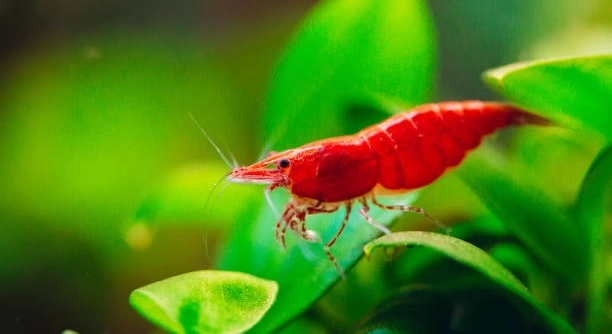
Are your cherry shrimp thriving in your aquarium, or do they seem a little off lately? Observing their behavior and appearance can help ensure they are healthy and happy in their aquatic environment.
Healthy cherry shrimp display vibrant colors, active movement, consistent feeding habits, and successful molting. Monitoring water parameters, tank cleanliness, and interactions with tank mates also indicate optimal conditions and overall well-being of these freshwater invertebrates.
Paying attention to these signs will help you maintain a lively and balanced shrimp habitat. Small changes can make a big difference in their health.
Vibrant Coloration
Cherry shrimp with bright, consistent colors are a strong indicator of health. Dull or faded colors can suggest stress, poor water quality, or inadequate nutrition. Proper lighting and a balanced diet with algae and high-quality shrimp pellets help maintain their natural hues. Observing their coloration over time provides insight into overall tank conditions. Shrimp that display deep red tones are often well-fed and comfortable in their environment, while pale shrimp may need attention. Maintaining stable water parameters, including temperature, pH, and ammonia levels, supports their color and general vitality. Avoid overcrowding, as it can lead to stress and color loss. Adding plants and hiding spots allows shrimp to feel secure, enhancing their natural appearance. Monitoring their behavior alongside color changes gives a fuller picture of their well-being. By keeping a consistent routine for feeding and maintenance, their colors remain vibrant, signaling a thriving shrimp population in your aquarium.
Bright, vivid colors often reflect shrimp that are healthy, active, and well-adjusted to their surroundings.
Consistently checking your shrimp’s colors helps identify potential problems early. Ensuring proper diet and water stability is key. Plants and hiding spots support their comfort, enhancing their natural vibrancy and overall health in the tank.
Active Behavior
Active shrimp move around the tank, forage for food, and explore their environment. Lethargic shrimp may indicate stress or illness. Watching their movement patterns helps you understand if they are thriving. Active shrimp also interact more with tank plants and decorations, which shows confidence and comfort. Regular feeding schedules and a clean tank promote consistent activity. Observing them during the day and night can reveal if their activity levels match expectations. Shrimp that hide excessively or remain motionless for long periods may need water testing or dietary adjustments. Keeping a mix of hiding spots and open areas encourages exploration while providing safety. Overcrowding or aggressive tank mates can reduce activity, so maintaining balanced stocking levels is important. Monitoring their behavior alongside other signs like coloration and feeding provides a clear picture of overall well-being. Ensuring they are active supports their growth, molting cycles, and long-term health.
Regular movement and exploration indicate shrimp that are healthy and comfortable.
Active shrimp display natural foraging and exploration patterns. Clean water, balanced feeding, and safe tank conditions encourage movement. Monitoring activity alongside other health signs ensures long-term shrimp well-being and a thriving aquarium.
Consistent Molting
Regular molting is a key sign your cherry shrimp are healthy. Missing molts or difficulty shedding can indicate poor water quality, inadequate diet, or stress. Monitoring their molting cycles helps track growth and overall well-being.
Proper calcium levels, a balanced diet, and stable water conditions support smooth molts. Shrimp shed their exoskeleton to grow, so frequent, successful molts reflect a thriving environment. Observing the timing and condition of molts provides insight into nutritional and habitat needs. Providing hiding spots during molting reduces stress and prevents damage from tank mates, ensuring they emerge healthy.
Molting also removes parasites and promotes overall health. Shrimp that struggle to molt may show reduced activity or discoloration. Maintaining consistent tank care and diet supports regular, stress-free molting, which is essential for their long-term growth and vitality.
Healthy Appetite
A consistent appetite indicates shrimp are comfortable and receiving proper nutrition. Shrimp that refuse food or eat irregularly may be stressed or ill, requiring attention. Proper feeding schedules and a variety of foods keep them engaged and healthy.
Offering a mix of algae, biofilm, and high-quality pellets ensures shrimp receive necessary nutrients. Observing their feeding behavior helps detect early signs of problems, such as aggression or avoidance. Healthy shrimp actively forage and consume food at a steady pace, showing interest in their environment. Feeding small amounts multiple times a day prevents overfeeding and water quality issues.
Maintaining a proper diet supports growth, vibrant coloration, and energy levels. Shrimp with a healthy appetite molt successfully, remain active, and interact naturally with tank mates. Balanced feeding and careful observation are essential for sustaining a thriving shrimp population.
Clear Eyes and Antennae
Bright, clear eyes and intact antennae are signs of healthy cherry shrimp. Cloudy eyes or damaged antennae can indicate stress, poor water quality, or injury. Regular observation helps catch problems early and ensures proper care.
Shrimp use their antennae to sense the environment. Torn or missing antennae may result from aggression or rough handling. Maintaining a calm tank with smooth surfaces and gentle water flow reduces the risk of damage. Clear eyes and fully functional antennae reflect good health, proper nutrition, and a safe habitat.
Balanced Tank Environment
A stable tank environment is critical for shrimp health. Maintaining consistent temperature, pH, and ammonia levels prevents stress and promotes thriving populations. Proper filtration and regular water changes keep the water clean. Plants and hiding spots contribute to a natural habitat, reducing stress and encouraging activity. Monitoring water parameters regularly ensures early detection of issues. Avoid sudden changes in water chemistry, as cherry shrimp are sensitive to fluctuations. Balanced lighting supports plant growth and encourages natural behavior. Adequate space prevents overcrowding and allows shrimp to forage and interact safely. A well-maintained environment directly influences growth, coloration, molting, and overall health.
Successful Breeding
Active breeding indicates a thriving shrimp population. Healthy shrimp reproduce regularly, producing viable eggs and juvenile shrimp.
FAQ
How often should I feed my cherry shrimp?
Cherry shrimp do best with small amounts of food multiple times a day rather than a single large feeding. Overfeeding can cause water quality issues, so monitor leftovers and remove uneaten food. Offering a mix of high-quality shrimp pellets, algae, and occasional vegetables ensures proper nutrition and growth.
What water parameters are ideal for cherry shrimp?
Stable water conditions are crucial. A temperature range of 72–78°F, pH around 6.5–7.5, and low ammonia and nitrite levels support health. Regular water testing helps maintain balance. Soft to moderately hard water is preferred, and gradual changes are safer than sudden shifts.
How can I tell if my shrimp are stressed?
Signs include hiding excessively, dull coloration, lethargy, or failing to molt properly. Stress often stems from poor water quality, aggressive tank mates, or overcrowding. Observing behavior daily and maintaining a calm environment with hiding spots can reduce stress.
Is it normal for shrimp to molt frequently?
Yes, frequent molting indicates healthy growth. Juvenile shrimp molt more often than adults. Providing sufficient calcium and a balanced diet supports successful molting. Ensure hiding places during this time, as shrimp are vulnerable after shedding their exoskeleton.
Can cherry shrimp live with other fish?
They can coexist with small, peaceful fish but may be at risk from larger or aggressive species. Providing plants, moss, and decorations allows shrimp to hide. Monitoring tank interactions ensures a safe environment.
How do I encourage breeding?
Stable water parameters, a nutritious diet, and a stress-free environment promote reproduction. Females carrying eggs should have plenty of hiding places. Juvenile survival improves with a well-planted tank that provides food and shelter.
What do I do if a shrimp dies?
Remove dead shrimp promptly to prevent water contamination. Check water parameters and look for signs of disease or stress in other shrimp. Adjust feeding, cleaning routines, or tank conditions as needed to prevent further loss.
Why do some shrimp turn pale or lose color?
Color loss often signals stress, poor diet, or inadequate water conditions. Improving water quality, providing a nutrient-rich diet, and reducing stress factors usually restores vibrant coloration.
How do I maintain a clean tank without harming shrimp?
Perform gentle water changes, vacuum substrate carefully, and avoid strong currents. Filter maintenance is important but should not disturb shrimp excessively. Using safe cleaning tools and avoiding harsh chemicals keeps the environment stable.
Are cherry shrimp sensitive to temperature changes?
Yes, sudden temperature shifts can cause stress or death. Maintain a stable range and use a reliable heater if necessary. Monitor tank temperature regularly, especially in rooms with variable climate conditions.
How can I prevent disease in my shrimp?
Good water quality, a balanced diet, and avoiding overstocking reduce disease risk. Quarantine new shrimp before adding them to the main tank. Observing shrimp daily helps detect early symptoms for prompt action.
What should I feed besides pellets?
Algae, blanched vegetables like zucchini or spinach, and occasional protein sources such as shrimp-specific frozen food supplement their diet. Variety supports growth, coloration, and molting. Avoid overfeeding to prevent water contamination.
How do I know if my shrimp are breeding successfully?
Females carrying eggs under their abdomen and the presence of juveniles are indicators. Maintaining stable conditions and proper nutrition ensures eggs hatch and shrimp develop normally.
Can shrimp survive in low-light tanks?
Yes, but plants and biofilm growth may slow down. Supplementing food and ensuring hiding places maintain shrimp health. Natural behavior continues, though activity levels may differ slightly.
How long do cherry shrimp typically live?
With proper care, cherry shrimp live around 1.5 to 2 years. Good water quality, a balanced diet, and a safe environment can help maximize lifespan and reproduction potential.
Final Thoughts
Caring for cherry shrimp requires attention to detail, but the process is manageable and rewarding. Observing their behavior, coloration, and activity levels gives a clear sense of their overall health. Healthy shrimp are active, display bright colors, and molt regularly without difficulty. Monitoring these signs daily allows small problems to be addressed before they become serious. A stable, well-maintained environment is the foundation of thriving shrimp. This includes consistent water parameters, appropriate tank mates, and adequate hiding spots. Even small changes in water chemistry, temperature, or cleanliness can have a noticeable impact on their health. Regular maintenance, such as water changes and filter cleaning, helps maintain a safe and supportive habitat. Providing a balanced diet that includes high-quality pellets, algae, and occasional vegetables ensures they receive proper nutrients for growth, color, and energy. The more consistent the care routine, the more resilient and vibrant the shrimp population will be.
Breeding and population growth are natural indicators of a healthy tank. When females carry eggs and juveniles appear regularly, it reflects favorable conditions and proper care. Maintaining plants and moss provides not only aesthetic value but also safe spaces for shrimp to hide during molting and breeding. Hiding spots reduce stress and help shy or smaller shrimp feel secure, encouraging natural behavior. Observing shrimp interact with their environment offers insight into their comfort and health. Overcrowding or aggressive tank mates can hinder activity, feeding, and breeding. Balancing the number of shrimp with the size of the tank and the presence of compatible species is important for maintaining a harmonious environment. Temperature stability, adequate lighting, and proper filtration all contribute to a thriving tank ecosystem. By focusing on these elements, you create a sustainable environment that supports the long-term well-being of your shrimp.
Consistency and careful observation are key to long-term shrimp care. Paying attention to their appetite, activity, coloration, and molting habits allows you to detect early signs of stress or illness. Quick adjustments, such as improving water quality, modifying diet, or adding hiding spots, can prevent potential problems from escalating. Understanding the needs of cherry shrimp helps maintain their health and ensures a lively, balanced aquarium. Even minor improvements, like adding plants or maintaining optimal water conditions, can make a significant difference. By being attentive and proactive, you support not only their survival but also their natural behaviors and overall vitality. Thriving shrimp contribute to a visually appealing tank, a balanced ecosystem, and the satisfaction of knowing your care positively impacts their well-being. Consistent care, observation, and attention to detail are what separate a stable shrimp environment from a struggling one, making all the effort worthwhile.

Hello,
If you enjoy the content that we create, please consider saying a "Thank You!" by leaving a tip.
Every little bit helps us continue crafting quality advice that supports the health, happiness, and well-being of pets around the world, for pets of all shapes, sizes, and species.
We really appreciate the kindness and support that you show us!