
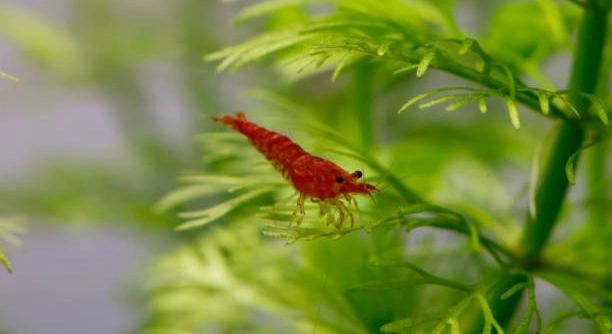
Do your cherry shrimp swim past the food you place in their tank without a second glance? Even when the food looks fresh and appealing, these tiny creatures can sometimes ignore it completely, leaving owners puzzled.
Cherry shrimp often ignore offered food due to water quality, diet variety, and natural grazing behavior. They may prefer biofilm, algae, or specific nutrients, making conventional aquarium food less appealing. Understanding these preferences is key to maintaining shrimp health.
Learning how to align feeding habits with shrimp preferences can improve their diet and overall tank activity. This insight ensures your aquatic pets thrive happily.
Understanding Cherry Shrimp Feeding Habits
Cherry shrimp are small but particular about what they eat. Their natural diet in the wild consists mostly of biofilm, algae, and detritus. Even if you provide high-quality commercial shrimp food, they may ignore it if the tank lacks the right environment or if they are not accustomed to it. Water conditions such as temperature, pH, and cleanliness play a big role in feeding activity. Shrimp are more likely to graze when the water is stable and free of toxins. Tank mates also influence feeding. Fast-moving fish or aggressive species can intimidate shrimp, making them retreat to hiding spots instead of approaching food. Timing is another factor. Cherry shrimp often feed during low light periods or at night, so leaving food out during the day might go unnoticed. Observing their behavior and adjusting the feeding method is essential for their health.
Providing multiple feeding options can encourage shrimp to eat regularly and maintain proper nutrition.
Adjusting the tank environment and food presentation often leads to better results. Using small portions and spreading food across the tank allows shrimp to access it without competition. Introducing live foods such as brine shrimp or finely chopped vegetables can complement commercial diets and mimic natural feeding. Consistency is important. Offering food at the same time daily helps shrimp develop a routine. Avoid overfeeding, as uneaten food can foul the water, causing stress and deterring shrimp from eating. Observing their reactions to different foods allows gradual adaptation. Some shrimp may prefer sinking pellets, while others graze on surfaces. Incorporating moss or other plants encourages natural grazing and provides constant food availability. Even small changes in water parameters can affect appetite, so regular testing and maintenance are key. Over time, shrimp adapt to their environment and feeding methods, leading to healthier and more active behavior.
Common Mistakes That Lead to Ignored Food
Overfeeding is a frequent issue with cherry shrimp, as leftover food can deter them from eating.
Uneaten food decomposes quickly in aquariums, leading to ammonia spikes and poor water quality. Shrimp are sensitive to these changes, and even minor fluctuations in pH, temperature, or hardness can reduce appetite. Feeding too much at once also creates competition among tank inhabitants, and shy shrimp may avoid food entirely. Another common mistake is offering the same type of food repeatedly. Shrimp require variety to receive all necessary nutrients. Limited algae, insufficient biofilm, or reliance solely on pellets can cause selective feeding behavior. Rapid changes in water chemistry, such as sudden additions of chemicals or treatments, also impact feeding. Observing shrimp for changes in activity, molting patterns, and color can indicate whether dietary adjustments are necessary. By understanding these habits and mistakes, tank owners can create a balanced and appealing feeding environment that supports growth, vitality, and longevity for cherry shrimp.
Adjusting Food Types and Presentation
Cherry shrimp respond better to small, varied portions rather than large, single meals. Sinking pellets, finely chopped vegetables, and occasional live food appeal more than dry flakes alone. Placement near plants or moss increases accessibility.
Offering a mix of food types ensures shrimp get balanced nutrition. They often graze on surfaces, so scattering pellets or crumbling them into smaller pieces encourages natural feeding. Fresh vegetables like zucchini, spinach, or cucumber provide essential vitamins and fiber. Live or frozen foods such as daphnia or brine shrimp mimic natural hunting behavior. Combining these with biofilm-rich surfaces helps shrimp stay active and healthy while reducing the chance of ignored food. Observing preferences over time allows adjustments for individual shrimp behavior.
Presentation matters as much as the type of food. Sprinkling food on moss, plants, or tank surfaces encourages grazing. Some shrimp ignore pellets if they sink too quickly or land in open areas. Alternating between sinking pellets, algae wafers, and plant matter creates variety and stimulates feeding. Timing feeds during low-light periods aligns with their natural grazing habits. Gradual changes to the diet prevent stress, and consistent portions reduce waste. Proper presentation ensures that all shrimp, including shy or smaller individuals, can access food without competition, supporting healthy growth and activity.
Optimizing Water Conditions for Better Feeding
Stable water conditions are essential for consistent feeding behavior in cherry shrimp. Fluctuations in temperature or pH can suppress appetite.
Even minor changes in water chemistry affect shrimp activity and food acceptance. Clean, filtered water with stable parameters encourages grazing and prevents stress. Regular testing for ammonia, nitrites, and nitrates keeps water safe. Temperature should remain within the optimal range for cherry shrimp, typically 72–78°F. Sudden drops or spikes can make them retreat and ignore food. Maintaining plants and biofilm growth also provides natural feeding sources. Removing uneaten food promptly prevents deterioration of water quality, which directly influences shrimp willingness to eat. Monitoring water hardness and buffering capacity ensures they remain comfortable and active.
Oxygenation and filtration play a key role in shrimp feeding. Adequate water flow delivers oxygen without creating strong currents that disturb shrimp. Gentle filtration removes debris while keeping water clear, reducing stress. Live plants not only provide grazing surfaces but also stabilize water chemistry by absorbing excess nutrients. Shrimp molting and reproduction improve when conditions remain consistent, resulting in more active feeding behavior. Avoiding chemical treatments or sudden adjustments ensures shrimp continue eating regularly. Even small changes, like adding driftwood or moss, can affect water parameters positively. Tracking these elements daily helps maintain a thriving tank environment, supporting natural feeding routines and overall shrimp health.
Recognizing Natural Grazing Patterns
Cherry shrimp feed mostly during low-light periods, often grazing on surfaces and plants. They may ignore food placed in open areas or during bright daylight hours. Timing and placement significantly affect feeding success.
Observing their activity cycles helps in scheduling feeding. Feeding when shrimp are naturally active increases acceptance.
Using Plants and Moss to Encourage Feeding
Live plants and moss provide natural grazing surfaces and shelter, promoting shrimp activity and feeding. They also help maintain water quality by absorbing excess nutrients and supporting biofilm growth, which shrimp naturally consume. Incorporating moss or dense plants ensures shrimp have constant access to food sources.
Small Portion Feeding
Offering small amounts of food reduces waste and encourages shrimp to eat. Large portions often remain uneaten, affecting water quality and shrimp health.
Monitoring Shrimp Behavior
Paying attention to shrimp behavior indicates whether the food and environment are suitable. Active, colorful shrimp usually feed well, while hiding or lethargic shrimp may need adjustments in diet or tank conditions.
Why do my cherry shrimp ignore pellets but eat vegetables?
Cherry shrimp naturally graze on biofilm, algae, and plant matter. Pellets may sink too quickly, be too hard, or lack the nutrients they prefer. Vegetables like zucchini, spinach, or cucumber are softer and release nutrients slowly, which aligns better with their grazing behavior. Sprinkling pellets near moss or plants can increase acceptance over time.
How often should I feed my cherry shrimp?
Feeding once a day is usually sufficient for most tanks. Small portions prevent leftover food from decomposing and harming water quality. Observing shrimp activity and adjusting portions as needed ensures they receive proper nutrition without overfeeding. Less frequent feeding may work if the tank has plenty of natural biofilm and algae.
Can water quality affect shrimp feeding?
Yes, even small fluctuations in pH, temperature, or ammonia levels can reduce appetite. Cherry shrimp are sensitive and may hide or avoid food when water conditions are unstable. Regular testing and maintaining clean, filtered water with stable parameters promotes consistent feeding behavior.
Do tank mates influence shrimp eating habits?
Fast or aggressive fish can intimidate shrimp, preventing them from accessing food. Shy or smaller shrimp may retreat instead of eating. Providing hiding spots, moss, and spreading food throughout the tank helps all shrimp feed safely and reduces competition stress.
Is it normal for shrimp to ignore food sometimes?
Yes, cherry shrimp may skip a meal occasionally, especially during molting or when adjusting to a new tank. As long as they appear active, healthy, and show interest in natural grazing surfaces, occasional ignoring of offered food is not harmful.
What types of food are best for cherry shrimp?
A combination of sinking pellets, algae wafers, finely chopped vegetables, and occasional live or frozen foods like brine shrimp works well. Variety ensures balanced nutrition and mimics natural feeding habits. Placing food on moss or plants encourages grazing and improves accessibility for all shrimp.
Why do my shrimp only eat at night?
Cherry shrimp are naturally more active during low-light periods. Feeding in the evening or when the tank lights are dim increases acceptance. Observing their behavior helps schedule feeding at optimal times, ensuring they get enough nutrients.
How can I encourage shy shrimp to eat?
Spread small portions in multiple areas and near hiding spots. Providing moss, plants, and gentle water flow reduces stress. Gradually introducing new foods and observing which types they prefer helps shy shrimp become more confident feeders.
Can overfeeding affect shrimp appetite?
Yes, excess food decomposes quickly, releasing ammonia and other toxins. Poor water quality and competition reduce shrimp appetite. Feeding smaller portions frequently and removing uneaten food ensures a healthy environment and encourages consistent feeding behavior.
Do cherry shrimp need live food?
Live or frozen foods are not strictly required but can stimulate natural hunting and grazing behaviors. They provide protein and variety, complementing a base diet of pellets and vegetables. Observing which foods your shrimp prefer helps balance nutrition effectively.
Why do shrimp ignore food after molting?
After molting, shrimp are vulnerable and may retreat to hide while their new exoskeleton hardens. They typically resume feeding once they feel safe. Providing hiding places and small, accessible food portions supports recovery and reduces stress.
How important is variety in their diet?
Variety prevents selective feeding and nutritional deficiencies. Alternating between vegetables, pellets, algae wafers, and occasional live foods ensures shrimp receive essential vitamins, minerals, and protein while mimicking natural grazing habits. Gradual introduction of new foods avoids stress.
What can I do if shrimp still ignore food?
Check water parameters, tank mates, and food type. Offer smaller portions, vary food placement, and provide moss or plants for grazing. Observing shrimp behavior allows adjustments over time, helping them gradually accept offered foods while maintaining health.
Are cherry shrimp picky eaters?
Yes, they can be selective based on texture, taste, and environmental conditions. Matching food type, size, and placement to their natural preferences improves feeding success. Shy or stressed shrimp may appear pickier than healthy, active ones.
How long can cherry shrimp go without food?
Healthy shrimp can survive several days without supplemental feeding if the tank has adequate biofilm, algae, and detritus. Extended periods without proper nutrition, however, can impact molting, reproduction, and overall health, so consistent feeding is recommended.
Does the size of food matter?
Yes, food should be small enough for shrimp to handle easily. Large pellets or chunks may be ignored. Crushing pellets, chopping vegetables finely, or offering naturally small foods ensures accessibility and encourages consistent feeding.
How do I know if my shrimp are getting enough food?
Active, colorful shrimp that feed regularly and molt normally are indicators of sufficient nutrition. Observation of grazing behavior on plants and moss, along with limited leftover food, confirms they are eating adequately. Adjust feeding based on these observations.
Can lighting affect feeding?
Bright lights may discourage shrimp from approaching food, especially if they prefer low-light periods. Feeding during dim conditions or evening hours aligns with their natural activity and increases food acceptance. Proper tank lighting supports healthy grazing habits.
Is it better to feed pellets or vegetables first?
Vegetables often encourage grazing on surfaces and stimulate activity. Pellets can supplement protein and other nutrients. Alternating or combining both ensures balanced nutrition while keeping shrimp engaged with available food sources.
Do cherry shrimp need a feeding routine?
Yes, consistent feeding times help shrimp develop a habit and reduce stress. Offering food once daily or at predictable times improves acceptance and ensures that all shrimp, including shy individuals, have access to nutrition.
How can I prevent food from fouling the tank?
Feed small portions, remove uneaten food promptly, and ensure proper filtration. Scattering food on moss and plants reduces waste. Maintaining a clean environment preserves water quality, prevents ammonia spikes, and encourages shrimp to eat regularly.
Cherry shrimp are small but sensitive creatures that require careful attention to their environment and diet. Feeding them successfully is not simply about placing food in the tank. Their natural instincts drive them to graze on surfaces, biofilm, and algae rather than attacking a pile of pellets all at once. Observing their behavior closely can reveal patterns in feeding times, preferences, and habits that help guide feeding routines. Even small changes in water temperature, pH, or hardness can affect whether they approach food. The placement of food in the tank also matters, as shrimp are more likely to feed in areas where they feel safe, such as near plants or moss. By aligning feeding practices with their natural behavior, it is possible to encourage consistent and healthy eating habits that support growth and vitality.
Variety plays a key role in maintaining the health of cherry shrimp. Providing a combination of sinking pellets, finely chopped vegetables, and occasional live or frozen foods ensures that they receive a balanced diet rich in essential nutrients. Repeatedly offering only one type of food can lead to selective feeding or even nutritional deficiencies over time. Live plants and moss are not just decorative; they provide constant grazing surfaces and encourage shrimp to feed naturally. Small portions and gradual introduction of new foods help reduce stress and prevent uneaten food from decaying, which can harm water quality. Regular observation is necessary to adjust feeding methods according to individual tank conditions and shrimp behavior, ensuring they remain active, colorful, and healthy.
Maintaining a stable environment is just as important as offering the right food. Proper filtration, gentle water flow, and consistent water parameters reduce stress and promote natural feeding. Avoiding overfeeding and monitoring tank mates helps shy or smaller shrimp access food safely. Timing also matters, as many cherry shrimp feed more actively during low-light periods. Understanding their natural grazing tendencies and providing consistent care creates a balanced ecosystem where shrimp can thrive. By combining proper feeding techniques with attentive water management, shrimp owners can enjoy healthy, active shrimp while minimizing the challenges of ignored food. Over time, patience, observation, and adjustments lead to a more harmonious tank where feeding becomes predictable, effective, and beneficial for all the shrimp.

Hello,
If you enjoy the content that we create, please consider saying a "Thank You!" by leaving a tip.
Every little bit helps us continue crafting quality advice that supports the health, happiness, and well-being of pets around the world, for pets of all shapes, sizes, and species.
We really appreciate the kindness and support that you show us!