
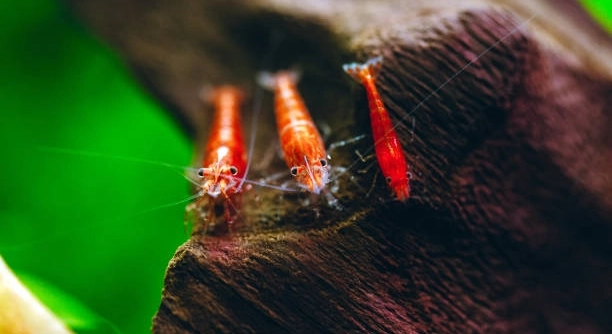
Are your cherry shrimp showing signs of stress in your tank? Watching these small, colorful creatures interact can be fascinating, yet sometimes their behavior hints at deeper issues within their shared environment. Observing closely is important.
Cherry shrimp often compete for space when their habitat is overcrowded or lacks sufficient hiding spots. Territorial behaviors, such as chasing, nipping, or cornering other shrimp, are clear indicators of spatial stress and potential aggression among tank inhabitants.
Understanding these signs can help maintain a peaceful tank environment. Observing behavior carefully ensures your shrimp remain healthy and thrive in their space.
Crowding and Overpopulation
Cherry shrimp need enough space to move freely and establish territories. When a tank is overcrowded, even the calmest shrimp can become aggressive. Overpopulation limits hiding spots and causes constant stress. Without proper space, shrimp may repeatedly chase each other or guard small areas. Observing the density in your tank is essential to prevent fights. Regular monitoring allows you to notice subtle changes in behavior before stress becomes severe. Overcrowding can also reduce water quality, making the tank less healthy overall. Shrimp are sensitive to environmental changes, and crowding can trigger both physical and behavioral problems. Ensuring each shrimp has adequate space, plants, and decorations to hide or explore can dramatically reduce conflict. Simple adjustments, like adding partitions or plants, help shrimp feel secure. Taking these steps can foster a more peaceful tank where shrimp coexist without constant competition.
Maintaining appropriate shrimp density keeps stress low and allows for more natural behaviors. Each shrimp thrives when space is respected.
Providing enough space, along with hiding spots and natural decorations, helps minimize fights. Shrimp interact more calmly, explore freely, and display healthier, more natural behaviors. Observing how they use the tank can inform adjustments and prevent overcrowding issues. With proper planning, you can avoid repeated territorial disputes and maintain a balanced, harmonious environment.
Aggressive Chasing
Chasing is one of the most obvious signs that shrimp are fighting for space. A shrimp pursuing another repeatedly shows that it is defending its area or competing for territory.
Repeated chasing can cause stress, injury, or death if not addressed. Early detection prevents long-term damage.
Aggressive chasing often escalates when resources like hiding spots or food are limited. Shrimp may corner weaker individuals, increasing stress levels and risking injury. Tanks with few plants or decorations leave no refuge, which can intensify competition. Providing enough hiding areas, moss, or dense plants allows shrimp to retreat and avoid constant confrontation. Additionally, monitoring the behavior of dominant shrimp can help identify patterns of aggression. Dividing shrimp populations or adding visual barriers may reduce repeated chasing. Observing interactions closely can prevent prolonged stress, ensuring that shrimp remain healthy, active, and maintain their bright coloration. Implementing environmental adjustments is a practical step toward reducing aggression and promoting harmony in a shared space.
Nipping and Biting
Nipping occurs when shrimp bite each other’s antennae or tails, often a sign of competition for food or space. It can stress weaker shrimp and damage delicate appendages.
Nipping behavior usually appears in crowded tanks or where hiding spots are limited. Dominant shrimp may target slower or smaller individuals, creating a cycle of repeated harassment. Antennae are especially vulnerable, and constant biting can affect a shrimp’s ability to sense its surroundings. Even minor injuries can make shrimp more susceptible to illness or infections, which adds to tank stress. Observing when and where nipping happens can help you identify problem areas in the tank. Adjusting plant density, adding small shelters, or temporarily separating aggressive shrimp can reduce incidents. Providing evenly distributed food ensures weaker shrimp can eat without being chased, further minimizing competition and keeping the community more balanced and healthy.
Preventing nipping requires careful monitoring of shrimp behavior, tank layout, and feeding routines. Small adjustments can have a big impact on overall harmony in the tank.
Hiding and Avoidance
Shrimp that frequently hide or avoid others may be under stress from aggression or lack of space. Persistent hiding often signals territorial conflicts or insecurity.
Hiding is a natural defense, but constant retreat indicates ongoing stress. Shrimp may remain under plants, rocks, or decorations, leaving less active shrimp exposed. Limited space or overcrowding amplifies this behavior. In some cases, shy shrimp may stop eating or exploring altogether, impacting their growth and coloration. To reduce avoidance, provide ample hiding spots and spread resources evenly throughout the tank. Observing which shrimp retreat most often can reveal dominant or aggressive individuals. Adjusting tank layout or population size helps ensure all shrimp feel secure, encouraging healthier interactions and balanced social behavior. Over time, a well-structured environment minimizes hiding and fosters more confident, active shrimp.
Chasing Over Food
When multiple shrimp compete for the same food, chasing can become intense. Dominant shrimp may push others away, leaving weaker shrimp hungry and stressed.
Feeding in several spots or using small portions reduces competition. Ensuring all shrimp can access food prevents repeated skirmishes and keeps the tank peaceful.
Color Fading
Shrimp that lose their bright coloration often experience stress from overcrowding or territorial disputes. Dull colors can indicate anxiety, poor health, or insufficient nutrition. Maintaining water quality, offering proper food, and reducing aggressive interactions can help shrimp regain their vibrant appearance.
Constant Movement
Shrimp that move constantly without resting may be stressed by space conflicts or aggressive tankmates. Excessive swimming and fleeing behavior signals tension, often linked to overcrowding or lack of hiding spots. Observing patterns of movement helps identify problem areas and allows adjustments to create a calmer environment.
FAQ
Why are my cherry shrimp constantly chasing each other?
Constant chasing is usually a sign of overcrowding or territorial disputes. Shrimp naturally claim small areas for feeding or hiding. In tanks without enough space or hiding spots, dominant shrimp may chase others to establish control. Adding plants, moss, or small decorations can create zones where shrimp feel safe, reducing repeated chasing. Observing which individuals are aggressive can also help you separate or adjust populations to maintain balance. Feeding evenly across the tank prevents fights over limited resources and helps weaker shrimp eat without interference.
What does nipping indicate in my shrimp tank?
Nipping, where shrimp bite antennae or tails, indicates competition for space or food. It can stress weaker shrimp and sometimes injure them, affecting their movement and sensing abilities. Overcrowding or a lack of hiding places increases this behavior. You can reduce nipping by adding shelters, spreading food in multiple areas, and monitoring aggressive shrimp. Adjusting tank layout with plants or decorations allows shrimp to retreat, minimizing confrontations. Regular observation ensures that minor nipping does not escalate into serious stress or injury, keeping the tank safer for all inhabitants.
Why are some shrimp hiding all the time?
Persistent hiding usually signals stress from aggression or overcrowding. Shy shrimp may retreat to plants, rocks, or decorations to avoid conflict. While hiding is normal, excessive hiding can reduce feeding, activity, and overall health. Providing multiple hiding areas and distributing resources evenly allows all shrimp to feel secure. Observing which shrimp hide most often can highlight dominant or aggressive individuals. Adjusting tank population or layout ensures shy shrimp get enough food and space, which encourages more balanced behavior and reduces prolonged avoidance.
Why is my shrimp’s color fading?
Color fading is often linked to stress, poor water quality, or insufficient nutrition. Overcrowding or frequent territorial disputes can trigger anxiety, leading to dull colors. Ensuring a balanced diet, maintaining proper water parameters, and reducing aggression by adding hiding spots or adjusting population helps shrimp regain vibrant coloration. Regular observation allows early intervention if stress or illness is the cause. A calm, well-structured environment supports healthy pigmentation and overall shrimp wellness.
How can I prevent my shrimp from fighting?
Preventing fights requires proper tank management. Maintain an appropriate shrimp density to reduce overcrowding. Add plants, moss, and small decorations for hiding and territorial boundaries. Feed in multiple locations to avoid competition, and monitor aggressive shrimp to identify patterns. Adjusting the tank layout or temporarily separating dominant shrimp can significantly reduce conflicts. Observation and early intervention ensure all shrimp coexist more peacefully, leading to a calmer and healthier tank environment.
Is chasing over food normal behavior?
Some chasing over food is natural, but constant aggression indicates competition issues. Dominant shrimp may block others from reaching food, stressing weaker individuals. Feeding smaller portions in multiple spots, spacing out meals, and ensuring hiding areas around feeding zones can minimize this behavior. Observing how shrimp interact during feeding helps prevent repeated stress.
Do hiding shrimp need extra care?
Shy or constantly hiding shrimp may require additional monitoring. Ensure they can access food by placing it near shelters. Check water quality and tank density to reduce stress. Creating secure areas with plants or moss allows shy shrimp to explore safely, gradually encouraging natural activity. Observation helps maintain their health and reduces long-term stress.
Can shrimp recover from injuries caused by fights?
Minor injuries, such as bitten antennae or small cuts, can heal if water conditions are optimal and stress is reduced. Isolate severely injured shrimp if needed and ensure proper nutrition. Maintaining a calm tank environment prevents further injury and allows natural healing. Regularly checking shrimp behavior helps you respond quickly to injuries.
Why do some shrimp move constantly without resting?
Excessive movement often indicates stress from overcrowding or aggressive tankmates. Shrimp that cannot find safe areas may swim continuously, avoiding dominant individuals. Adding hiding spots, rearranging tank decorations, or adjusting population size can reduce this stress. Observing movement patterns helps identify problem areas and improve tank balance.
How do I know when it’s time to separate aggressive shrimp?
If chasing, nipping, or constant hiding persists despite providing space, hiding spots, and evenly distributed food, separating aggressive individuals is necessary. Monitor interactions over time to determine which shrimp are dominant and causing repeated stress. Temporary separation or adding visual barriers helps restore calm and allows all shrimp to thrive in a balanced environment.
What are the best ways to create a peaceful shrimp tank?
A peaceful tank combines proper population size, hiding spots, and careful feeding. Dense plants, moss, and decorations create territories and refuges. Feeding in multiple areas prevents competition. Regular observation allows adjustments to layout or population. Addressing aggressive behaviors early keeps stress low, supports health, and encourages natural interactions. A structured environment promotes calm, active shrimp and reduces territorial disputes.
Final Thoughts
Maintaining a peaceful environment for cherry shrimp requires attention to their space, behavior, and overall tank conditions. Shrimp are small, delicate creatures, but their interactions can have a big impact on the overall health of the tank. Overcrowding or insufficient hiding spots often triggers competition and aggression, which can lead to stress, injuries, or weakened immune systems. Providing enough space for each shrimp to move freely and claim a small territory is essential. Dense plants, moss, and small decorations offer refuge, giving timid shrimp a chance to rest and feed without interference. Even minor adjustments to the tank layout, such as adding extra plants or repositioning decorations, can significantly reduce conflicts and encourage more natural, calm behavior among your shrimp. Observing their daily interactions is also important, as subtle changes in behavior often indicate when a shrimp is stressed or struggling.
Feeding practices play an equally important role in maintaining harmony. Uneven or concentrated feeding can lead to chasing, nipping, and competition, particularly among dominant individuals. Offering small portions of food in multiple locations ensures that all shrimp have access without feeling threatened. This simple step helps weaker shrimp eat without harassment and reduces tension throughout the tank. Proper nutrition also supports vibrant coloration, healthy growth, and stronger immune systems, making shrimp more resilient to occasional stress. Alongside feeding, consistent water quality checks and maintenance are critical. Poor water conditions not only affect shrimp health but can also increase irritability and aggression. Maintaining clean water, stable temperature, and balanced pH levels helps shrimp feel secure, reducing stress-related behaviors like constant hiding, chasing, or erratic swimming.
Behavioral monitoring is a key tool in preventing long-term problems. Recognizing signs such as fading color, constant hiding, or repeated chasing allows timely adjustments to tank conditions. Sometimes, separating aggressive shrimp temporarily or rearranging tank elements is necessary to restore calm. These interventions, combined with careful attention to population density, feeding, and habitat structure, create a more stable and peaceful environment. Healthy shrimp are more active, display natural coloration, and interact without excessive conflict. Taking proactive steps ensures that your shrimp can thrive and enjoy a balanced habitat. By observing, adjusting, and responding to their needs, you create a tank that supports not only survival but also a lively, harmonious community of cherry shrimp.

Hello,
If you enjoy the content that we create, please consider saying a "Thank You!" by leaving a tip.
Every little bit helps us continue crafting quality advice that supports the health, happiness, and well-being of pets around the world, for pets of all shapes, sizes, and species.
We really appreciate the kindness and support that you show us!