
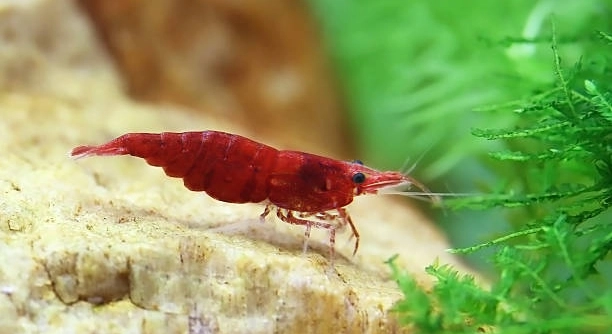
Cherry shrimp are small, colorful freshwater creatures often kept in home aquariums. Observing their behavior can be both relaxing and entertaining. Their interactions with their surroundings sometimes reveal surprising patterns and reactions worth noticing.
Cherry shrimp do not possess the cognitive ability to recognize themselves in reflections. They may react to mirrored surfaces as if encountering another shrimp, showing exploratory or defensive behaviors, but true self-recognition is beyond their neurological capacity.
Understanding these behaviors can help improve aquarium setups and shrimp care. Observing how they respond to reflections offers insight into their natural instincts and daily activities.
How Cherry Shrimp React to Reflections
Cherry shrimp often respond to their own reflections in interesting ways. When they encounter a mirrored surface, they may approach it cautiously or move around it repeatedly. This behavior can appear as though they are interacting with another shrimp. In reality, they are reacting to the visual stimulus rather than recognizing themselves. Some shrimp might display defensive postures, like raising their claws or flicking their antennae, while others seem curious and linger near the reflection. These reactions are influenced by their instinctual behaviors, including territoriality and social interaction. It’s common for shrimp to explore every corner of the tank, and reflections can attract their attention just like any new object or movement. Observing these interactions can be rewarding because they reveal the shrimp’s natural responses. Reactions can vary between individuals, with some shrimp barely noticing the reflection, while others spend significant time investigating the mirrored surface.
Reflections do not confuse all shrimp equally. Some react strongly, while others ignore them completely.
Tracking these behaviors over time helps understand shrimp habits and tank dynamics. By noting patterns, you can create a more comfortable environment and anticipate how they will interact with other tank inhabitants. Recognizing the difference between curiosity and stress is important for maintaining shrimp health. Frequent reflection exposure does not harm them, but too much can create unnecessary agitation. For example, placing decorations that include reflective surfaces might inadvertently trigger repeated investigation. Some shrimp may become accustomed to reflections over time and show less pronounced responses. These observations can guide tank placement and decoration choices. Proper understanding of shrimp behavior improves overall care, ensuring they remain healthy and active. Additionally, noticing subtle cues in their reactions allows you to adjust feeding times or hiding spots to reduce stress. Observing reactions also provides a glimpse into their instincts, helping you better support natural behaviors and social interactions.
Factors Influencing Reflection Responses
Not all cherry shrimp react the same way to mirrors or shiny surfaces. Their responses can depend on age, size, and temperament.
The environment plays a significant role in shaping these reactions. Shrimp kept in tanks with many hiding spaces may feel less threatened by their reflection and show minimal interaction. In contrast, open tanks with limited cover can lead to more pronounced behaviors. Water quality, lighting, and tank mates also influence how they respond. Stress levels affect their willingness to investigate reflections. Additionally, feeding schedules and recent disturbances can impact their behavior. Observing a shrimp during different times of day may show varying responses to reflections. Behavioral differences are also tied to genetics and individual personality, with some shrimp being naturally more cautious or bold. Repeated exposure to mirrors can result in habituation, where the shrimp eventually ignore the reflection. By accounting for these factors, you can predict and understand their behavior better. Keeping notes on reactions and environmental conditions allows for adjustments to tank design, creating a more stable and comfortable habitat. Recognizing patterns helps in minimizing stress and encouraging natural movement and activity.
Understanding Aggressive Reactions
Some cherry shrimp may appear aggressive toward reflections. They might chase or nip at the mirrored surface, interpreting it as a rival.
This behavior is mostly instinctual rather than intentional. Shrimp rely on visual cues to establish territory and social order. A reflection can trigger these territorial instincts, causing repeated approaches or defensive movements. Stress levels, tank density, and individual personality all contribute to how intense the reaction becomes. Shrimp that are naturally bold or dominant often show stronger responses, while more timid shrimp may only cautiously investigate before moving away.
Aggressive reactions are usually temporary and diminish with familiarity. Continuous exposure to reflective surfaces can lead to habituation, where shrimp eventually ignore what they previously saw as a threat. Observing which individuals react more strongly can help adjust tank arrangements or decoration placement. Providing sufficient hiding spots and maintaining consistent conditions reduces repeated agitation. Understanding these patterns makes it easier to maintain a calm and balanced environment for all shrimp, supporting their health and activity levels.
Reflection as Enrichment
Reflections can act as a form of mental stimulation for shrimp. They prompt movement, exploration, and interaction with the environment.
Providing reflective surfaces occasionally can encourage natural behaviors like foraging and investigating. Shrimp are naturally curious, and reflections can mimic the presence of other shrimp, prompting activity without introducing real competition. However, too much exposure can create stress, especially for more sensitive individuals. It’s important to balance reflective elements with sufficient cover and hiding spots. Observation is key to ensuring the enrichment remains beneficial. Gradually introducing reflective objects and monitoring responses allows for safe interaction while preventing agitation. By understanding their reactions, you can enhance daily activity in a way that aligns with their instincts, keeping them active, healthy, and engaged.
Recognizing Stress Signs
Cherry shrimp may show subtle signs of stress around reflections, like rapid movements or hiding more often.
Changes in color or reduced feeding can also indicate discomfort. Monitoring these signs helps ensure their environment remains safe and calm.
Habituation Over Time
Repeated exposure to reflections often leads to habituation. Shrimp gradually learn that the mirrored image does not pose a real threat. Over time, reactions such as chasing or defensive displays usually decrease. Observing this process can help you understand individual behavior patterns and adjust tank setup to support comfort and natural activity. Consistent water conditions and stable surroundings further reinforce this adaptation, allowing shrimp to behave more naturally without unnecessary stress. Some individuals may habituate faster than others, depending on personality and previous experiences, so patience is important when monitoring their responses.
Differences Among Individuals
Not all cherry shrimp respond the same way to reflections. Each shrimp has unique behavior traits and temperament.
FAQ
Can cherry shrimp recognize themselves in mirrors?
Cherry shrimp do not have the ability to recognize themselves. They react to reflections as if they were seeing another shrimp. Their responses are instinctual and often involve exploration or defensive movements, rather than true self-awareness. Reflections trigger natural behaviors like territoriality, curiosity, or caution.
Why do my shrimp seem aggressive toward their reflection?
Aggressive reactions are usually caused by territorial instincts. When a shrimp sees a mirrored image, it may perceive it as a rival. Chasing, nipping, or flicking antennae are natural responses. Over time, many shrimp habituate and show less aggression once they realize the reflection poses no real threat.
Do all shrimp react the same way to reflections?
No, individual shrimp have different personalities. Some are naturally bold and may approach reflections repeatedly, while others are timid and avoid them entirely. Age, size, temperament, and environmental factors like hiding spots and tank density can influence how strongly they respond. Observing individual behavior helps in understanding these differences.
Can repeated exposure to mirrors stress my shrimp?
Yes, too much exposure can cause stress, especially for more sensitive shrimp. Signs include hiding more often, rapid movements, changes in coloration, or reduced feeding. Limiting reflective surfaces and providing adequate cover allows shrimp to interact naturally without becoming overly agitated. Gradual introduction and monitoring are key.
Is it beneficial to use reflections as enrichment?
Reflections can stimulate activity and encourage natural behaviors like exploration and foraging. When used sparingly, they can mimic the presence of other shrimp, prompting movement and engagement. However, balance is important. Excessive exposure can create stress rather than enrichment, so careful observation and moderation are necessary.
How long does it take for shrimp to get used to reflections?
Habituation varies between individuals. Some shrimp may adapt in a few days, while others take weeks. Consistent tank conditions and predictable surroundings help shrimp adjust. Shrimp that are naturally curious or bold often habituate faster, whereas shy shrimp may need more time and careful monitoring to feel comfortable.
Can reflections affect shrimp social interactions?
Reflections may temporarily alter behavior by prompting perceived interactions with another shrimp. Some may become more territorial or active, while others stay cautious. These effects are usually short-lived and diminish as shrimp learn that the reflection is not another individual. Providing real social companions is more reliable for social enrichment.
Do reflections influence shrimp feeding behavior?
Reflections may briefly distract shrimp from feeding, especially if they perceive movement near the mirrored surface. Over time, habituated shrimp usually resume normal feeding routines. It’s helpful to monitor feeding sessions to ensure all shrimp are eating well and not overly focused on reflections, which can reduce nutrition intake.
Are younger shrimp more affected by reflections?
Juvenile shrimp tend to be more cautious and reactive, exploring reflections slowly and retreating often. Adults usually show more consistent behaviors and may approach or ignore reflections based on personality. Age influences both curiosity and territorial responses, so tank setup should consider hiding spaces for younger shrimp.
Can reflections replace social interaction in a tank?
No, reflections cannot substitute for real social interaction. Shrimp recognize tank mates through movement and chemical cues, which mirrors cannot provide. Reflections may stimulate temporary activity, but genuine social behaviors, like grooming or following, require actual shrimp companions. Reflections are only a small form of environmental enrichment.
How can I safely introduce reflective surfaces?
Introduce mirrors or shiny objects gradually and observe reactions closely. Start with brief exposure, then increase if shrimp remain calm. Ensure hiding spots and stable tank conditions are available to reduce stress. Monitor color, movement, and feeding to ensure reflection exposure remains positive, avoiding prolonged agitation or defensive behavior.
What signs show that reflections are causing stress?
Stress signs include frantic swimming, constant hiding, refusal to eat, and fading coloration. Some shrimp may repeatedly interact with the reflection in an agitated manner. Recognizing these signs early allows for removal or repositioning of reflective surfaces to restore calm and maintain healthy shrimp behavior.
Can reflection responses be used to study shrimp behavior?
Yes, observing shrimp reactions to reflections can reveal aspects of their instincts, curiosity, and territoriality. While it doesn’t indicate self-recognition, it provides insight into individual personalities and natural responses. Documenting these patterns helps improve tank management, enrichment, and shrimp welfare.
Do environmental factors change reflection reactions?
Lighting, tank layout, water quality, and the presence of other shrimp all influence how shrimp respond. Bright lights may enhance visibility, causing stronger reactions, while abundant hiding spots can reduce defensive behavior. Stable and predictable conditions help shrimp respond naturally and minimize unnecessary stress.
Should I remove mirrors if shrimp seem stressed?
Yes, if signs of stress are observed, mirrors or reflective objects should be removed immediately. Temporary exposure is acceptable, but prolonged interaction that causes agitation can negatively affect health. Providing adequate cover, monitoring behavior, and adjusting exposure ensures shrimp remain comfortable and active.
Can reflection behavior differ by shrimp species?
Yes, different shrimp species may vary in their responses. Cherry shrimp are generally small and less aggressive, but other species may show stronger territorial or exploratory reactions. Understanding species-specific behavior is important when introducing reflective surfaces or designing enrichment for mixed-species tanks.
Are there long-term effects of reflection exposure?
When managed carefully, long-term effects are minimal. Shrimp usually habituate without lasting stress. Excessive exposure or repeated agitation can lead to chronic stress, reduced feeding, and less activity. Balanced use of reflections, proper tank setup, and observation prevent negative outcomes while maintaining enrichment benefits.
Can reflections replace decorations in a tank?
No, reflective surfaces cannot substitute for plants, hiding spots, or substrate. While they may prompt activity, decorations provide shelter, territory markers, and opportunities for foraging. Reflections are a minor form of stimulation and should complement, not replace, proper tank furnishings.
Is reaction to reflection a sign of intelligence?
Reaction to reflections is instinctual rather than an indication of self-awareness or intelligence. Shrimp responses are based on survival instincts, territoriality, and curiosity. While fascinating to observe, these behaviors reflect natural responses rather than cognitive recognition of themselves.
How do I balance reflection enrichment with shrimp comfort?
Introduce reflections gradually, observe responses, and ensure hiding places are available. Limit exposure if stress signs appear. Combine reflective objects with stable environmental conditions, proper diet, and social interactions. By monitoring behavior and adjusting carefully, shrimp can experience mild stimulation without compromising comfort, health, or natural behaviors.
Cherry shrimp are small, delicate creatures that display fascinating behaviors in aquariums. Observing them react to reflections provides insight into their natural instincts, such as curiosity, territoriality, and caution. While they do not possess the cognitive ability to recognize themselves, their responses to mirrored surfaces can still be interesting to watch. Some shrimp may approach the reflection repeatedly, while others might retreat or ignore it entirely. These differences reflect individual personalities and temperaments, showing that even tiny shrimp can have varied behavior patterns. The way they move, flick their antennae, or explore their surroundings offers a small window into how they interact with the environment, revealing traits that are important for maintaining their wellbeing in a home tank.
Reflections can also serve as a form of enrichment when used thoughtfully. For example, placing a reflective object in the tank may encourage exploration and activity, especially for shrimp that are naturally curious or more active. However, it is important to monitor their responses to ensure that the reflection does not create stress or agitation. Signs such as hiding frequently, rapid swimming, or changes in color indicate that the shrimp may feel threatened. Providing ample hiding spaces, consistent water conditions, and gradual exposure to reflective surfaces can help minimize stress while allowing shrimp to engage in natural behaviors. This careful balance allows for observation of their instincts without disrupting daily routines or causing unnecessary tension. Gradual habituation usually occurs over time, with shrimp learning that the reflection is harmless, which reduces defensive or aggressive responses.
Understanding shrimp behavior in relation to reflections also highlights the importance of individual differences and environmental factors. Age, size, temperament, and the layout of the tank all influence how a shrimp will respond to a mirrored surface. Some individuals may quickly ignore reflections, while others continue to investigate them for longer periods. Observing these behaviors allows caretakers to adjust tank arrangements and enrichment techniques to suit the specific needs of their shrimp. Providing a stable, safe, and stimulating environment supports their overall health, activity, and comfort. By paying attention to reactions and creating conditions that account for both natural instincts and individual differences, you can ensure that cherry shrimp remain healthy, active, and stress-free. The insights gained from watching their interactions with reflections contribute to a better understanding of their behavior, helping maintain a thriving aquarium where each shrimp can exhibit natural patterns safely.

Hello,
If you enjoy the content that we create, please consider saying a "Thank You!" by leaving a tip.
Every little bit helps us continue crafting quality advice that supports the health, happiness, and well-being of pets around the world, for pets of all shapes, sizes, and species.
We really appreciate the kindness and support that you show us!