
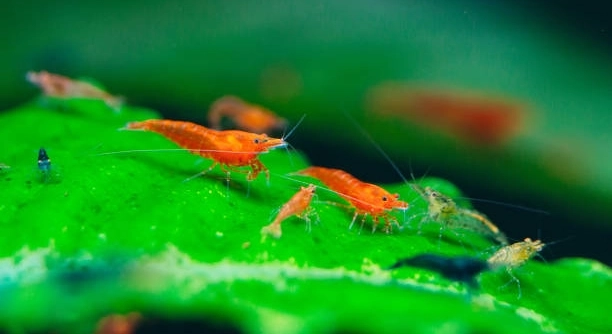
Keeping cherry shrimp healthy can feel challenging, especially for new hobbyists. Their tiny size and delicate nature mean small changes in care can make a big difference in their overall well-being and longevity.
Healthy cherry shrimp thrive when their environment and diet are carefully managed. Consistent water quality, balanced nutrition, appropriate tank mates, and regular monitoring of temperature and pH levels contribute to their growth, coloration, and active behavior in captivity.
Implementing these small but effective habits ensures your cherry shrimp remain vibrant and active, supporting a balanced and thriving aquarium ecosystem.
Consistent Water Quality
Maintaining consistent water quality is essential for cherry shrimp health. They are sensitive to sudden changes in pH, ammonia, nitrite, and nitrate levels. Frequent water testing ensures that parameters remain stable and safe. Performing partial water changes of 10-20% weekly helps remove waste and keeps water clean without shocking the shrimp. Using a reliable water conditioner removes chlorine and heavy metals that can harm these delicate creatures. Avoid overfeeding, as leftover food can quickly degrade water quality. Proper filtration and gentle water flow also help maintain a stable environment. Observing shrimp behavior and color changes can signal water issues before they become severe. Over time, keeping a record of water parameters can reveal patterns and help anticipate potential problems. Maintaining a consistent environment reduces stress, which directly influences shrimp growth, molting frequency, and overall activity. Even minor fluctuations can affect their health, so diligence is necessary for a thriving tank.
Regular monitoring of water prevents sudden changes that could endanger the shrimp, ensuring they remain active and healthy.
Tracking water parameters carefully allows early detection of issues, supporting healthier molting cycles and reducing stress-related illnesses. Consistency creates a stable environment where shrimp can feed properly, reproduce, and display vibrant coloration. Neglecting even small fluctuations may lead to disease or lethargy. Water temperature stability is equally important, as rapid shifts can cause stress or mortality. Filters must be maintained without disturbing the shrimp, and substrate cleaning should be gentle. Overfeeding creates excess waste, leading to toxic spikes, while underfeeding can weaken shrimp, affecting growth and molting. Keeping a planted tank with live plants not only aids water quality but provides hiding spots and surfaces for biofilm growth, which shrimp graze on. By combining consistent maintenance with careful observation, you create a tank that supports longevity, reproduction, and a healthy, active shrimp population. Small adjustments in routine have significant long-term effects, making water quality management a cornerstone of successful shrimp care.
Balanced Diet
A balanced diet is key to strong, colorful shrimp. Feeding a variety of algae, biofilm, and quality shrimp pellets supports growth and molting.
Providing diverse foods prevents nutritional deficiencies and promotes overall vitality.
Shrimp require proteins, fibers, and minerals for healthy exoskeletons. Overfeeding single foods can lead to imbalances, poor molting, or disease. Incorporating blanched vegetables like zucchini or spinach gives essential vitamins and encourages natural foraging behaviors. Occasional protein-rich foods, such as small portions of brine shrimp or bloodworms, support growth but should not dominate the diet. Supplements like calcium-rich powders aid in shell development, especially during molting. Maintaining a feeding schedule and observing leftover food prevents overfeeding and water contamination. Fresh, high-quality foods and controlled portions reduce stress and improve activity levels. A well-rounded diet also enhances coloration, making shrimp appear vibrant and healthy. By combining plant matter, biofilm, and occasional protein sources, shrimp receive all necessary nutrients without compromising water quality. Proper feeding habits contribute to longevity, reproductive success, and a lively aquarium environment where shrimp thrive naturally.
Proper Tank Size
Cherry shrimp need enough space to move, hide, and feed. Overcrowding increases stress, disease risk, and reduces molting success.
A tank of at least 10 gallons is ideal for a small colony. More space reduces competition and allows stable water conditions. Hiding spots from plants or decorations are essential, especially during molting. Even a well-maintained small tank can support shrimp if population density is managed carefully. Substrate type also matters; fine gravel or sand lets shrimp forage safely. Keeping compatible tank mates ensures shrimp can feed without harassment. Proper layout and plant coverage help maintain a stable environment, reduce stress, and encourage natural behaviors. Observing shrimp behavior can indicate if tank space is sufficient, and adjustments should be made if signs of aggression or lethargy appear.
Overcrowding leads to stress and slow growth. Plants and decorations provide essential hiding spaces during molting.
Maintaining adequate tank space ensures shrimp have room to graze and molt safely. Plants, mosses, and decorations not only offer shelter but also increase surface area for biofilm growth. Biofilm is a primary food source and contributes to nutrition. Overpopulated tanks risk poor water quality and competition for resources. Observing shrimp behavior can reveal stress from crowding, such as hiding excessively or skipping molting cycles. Managing the population through planned breeding or separate tanks keeps density balanced. The tank layout should allow easy maintenance while preserving areas for shrimp to explore and feed naturally. Providing a proper environment minimizes stress, supports healthy growth, and encourages active, vibrant shrimp within the aquarium.
Gentle Filtration
Filtration must maintain water quality without creating strong currents. High flow can harm shrimp and interfere with feeding.
Sponge filters or adjustable flow filters are ideal. They provide mechanical and biological filtration while keeping currents minimal.
Gentle filtration prevents shrimp from being swept away and allows them to forage freely. Strong filters can trap small shrimp or damage delicate appendages. Sponge filters also provide surfaces for biofilm to grow, offering additional food. Regular cleaning keeps filters effective without disturbing shrimp too much. Avoid replacing all filter media at once to prevent harmful bacterial loss. Proper filtration reduces ammonia and nitrite spikes, keeping water parameters stable. A balanced filter setup ensures the tank stays clean, shrimp remain healthy, and stress levels are low. Observing shrimp behavior near the filter helps determine if adjustments are needed.
Stable Temperature
Cherry shrimp are sensitive to sudden temperature changes. Keeping the tank within 72-78°F prevents stress and supports healthy molting.
Heaters with a reliable thermostat ensure temperature stability. Sudden drops or spikes can weaken shrimp, making them more prone to illness.
Regular Observation
Observing shrimp daily helps catch early signs of illness or stress. Changes in behavior, color, or activity indicate potential problems.
Paying attention to molting patterns, feeding habits, and interactions with tank mates can reveal environmental or health issues. Early intervention prevents serious consequences.
Safe Tank Mates
Not all fish are compatible with cherry shrimp. Small, peaceful species prevent predation and stress.
Avoid aggressive or large fish that may harm shrimp. Incompatible tank mates can reduce feeding opportunities and damage molting shrimp.
FAQ
How often should I feed my cherry shrimp?
Cherry shrimp do best with small, frequent feedings. Overfeeding can pollute the water, while underfeeding may slow growth or cause molting issues. A small pinch of shrimp-specific pellets or vegetables every other day usually provides sufficient nutrition. Observing leftovers helps adjust portion sizes to prevent waste.
What is the ideal pH for cherry shrimp?
Cherry shrimp prefer slightly acidic to neutral water, with a pH between 6.5 and 7.5. Maintaining stable pH levels is more important than hitting an exact number. Sudden shifts can stress shrimp, reduce molting efficiency, and weaken their immune system, making stability a priority over minor fluctuations.
Can cherry shrimp live with other fish?
Yes, but compatibility is key. Peaceful, small fish like neon tetras or guppies usually coexist well. Avoid larger or aggressive species that may prey on shrimp. Even small fish can stress juvenile shrimp during molting, so providing hiding spots with plants or moss is essential.
How often should I change the water?
Performing weekly partial water changes of 10-20% helps maintain water quality. Using dechlorinated water at the same temperature prevents stress. Frequent small changes are safer than occasional large ones, which can shock the shrimp and destabilize the tank environment.
Why are my shrimp losing color?
Loss of color often indicates stress, poor diet, or suboptimal water conditions. Ensuring a varied diet with sufficient protein and minerals, along with stable water parameters, usually restores vibrant coloration. Inadequate hiding spaces or aggressive tank mates can also contribute to fading colors.
How can I encourage breeding in cherry shrimp?
Breeding is encouraged by stable water conditions, a varied diet, and sufficient hiding spaces for juveniles. A well-planted tank with moss or fine-leaved plants provides surfaces for eggs to attach. Maintaining slightly higher temperatures within their preferred range can also promote reproduction.
What should I do if shrimp die unexpectedly?
Unexpected deaths often point to water quality issues, disease, or sudden environmental changes. Test for ammonia, nitrites, nitrates, and pH immediately. Review feeding habits and tank mates for potential stressors. Removing deceased shrimp promptly prevents contamination and protects the remaining population.
How important is hiding space for cherry shrimp?
Hiding spaces are crucial, especially during molting when shrimp are vulnerable. Plants, moss, and small decorations provide shelter from tank mates and reduce stress. Without adequate cover, shrimp may hide excessively or fail to molt properly, affecting growth and reproduction.
Can I use tap water for my tank?
Tap water is acceptable if treated with a water conditioner to remove chlorine and heavy metals. Testing and adjusting water parameters, including pH and hardness, ensures the water is safe for shrimp. Sudden changes in water composition can lead to stress or mortality.
What is the best substrate for cherry shrimp?
Fine gravel or sand is preferred because it allows safe foraging and reduces the risk of injury. Darker substrates often enhance shrimp coloration. A nutrient-rich substrate can support plant growth, which contributes to biofilm production, an important food source for shrimp.
Cherry shrimp are small but sensitive creatures that require careful attention to thrive. Their health depends on maintaining stable water conditions, providing a balanced diet, and ensuring a safe and spacious tank environment. Even minor changes in temperature, pH, or ammonia levels can affect their behavior, molting, and overall vitality. By observing daily behaviors and understanding their needs, you can prevent stress and encourage active, vibrant shrimp. Consistency in maintenance routines is more beneficial than occasional intensive care. Weekly partial water changes, gentle filtration, and monitoring of water parameters create a stable environment where shrimp can grow, feed, and reproduce naturally.
Diet plays a critical role in the well-being of cherry shrimp. They need a combination of algae, biofilm, and high-quality shrimp-specific foods to maintain proper nutrition. Occasional additions of vegetables or protein-rich foods help provide essential vitamins, minerals, and proteins necessary for molting and shell development. Overfeeding can harm water quality, so small, controlled portions are ideal. Observing how much food is consumed ensures that waste does not accumulate, which can negatively impact shrimp health. A well-balanced diet not only supports growth and reproduction but also enhances coloration, making the shrimp more visually striking. Providing variety in feeding also encourages natural foraging behaviors, which contributes to a more dynamic and healthy tank environment.
Tank design and population management are equally important for healthy cherry shrimp. A tank that is too small or overcrowded can increase stress, reduce molting success, and cause conflicts between shrimp. Including plants, moss, and hiding spots allows shrimp to feel secure, especially during vulnerable molting periods. Selecting compatible tank mates prevents predation and reduces stress, which directly affects activity and reproduction. Monitoring shrimp regularly and making small adjustments when needed helps maintain a balanced ecosystem. Gentle filtration, stable temperatures, and a clean substrate contribute to a thriving habitat. Focusing on these key areas—water quality, diet, tank setup, and observation—supports long-term shrimp health, vibrant coloration, and a lively, active aquarium population. With consistent care and attention to these small but essential factors, cherry shrimp can live longer, reproduce successfully, and display natural behaviors that reflect their well-being.

Hello,
If you enjoy the content that we create, please consider saying a "Thank You!" by leaving a tip.
Every little bit helps us continue crafting quality advice that supports the health, happiness, and well-being of pets around the world, for pets of all shapes, sizes, and species.
We really appreciate the kindness and support that you show us!