
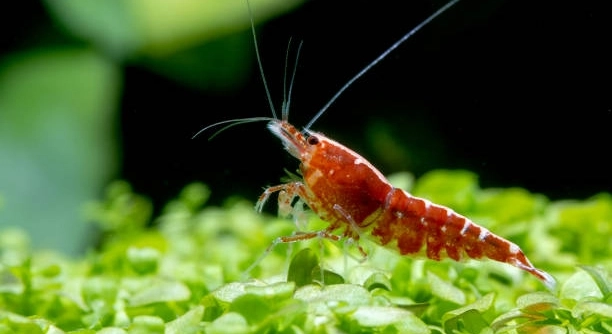
Are your cherry shrimp behaving differently in their tank as warmer conditions start to influence their routine, making you wonder if the temperature in their environment is beginning to affect their comfort and overall wellbeing.
Cherry shrimp become too hot when elevated water temperatures disrupt their metabolic balance, leading to rapid breathing, decreased activity, color fading, and increased vulnerability to stress related conditions that compromise health, indicating the need for cooling measures to restore stability.
Learning the signs of heat stress will help you protect your shrimp and maintain a stable habitat as temperatures shift.
Elevated Breathing Rates
When cherry shrimp become too warm, their breathing often speeds up as their bodies work harder to handle the rising temperature. You may notice them moving their legs rapidly as they try to push more oxygen over their gills. This response is linked to how heat changes the oxygen levels in the water, creating extra stress for small aquatic creatures. Their natural rhythm becomes disturbed, and this can weaken them over time if the temperature is not corrected quickly. Warm water also encourages faster metabolism, which increases the need for oxygen even more. When these factors combine, your shrimp may begin acting unusually or appear restless. The tank might seem normal at first glance, but the shrimp will show subtle signals that something is off. Paying attention to these changes helps prevent problems before they escalate. Proper monitoring and adjustments can restore stability and protect your shrimp from long term strain.
When this pattern appears, it usually means the temperature is rising past a comfortable level for cherry shrimp and should be addressed quickly.
Keeping the water cool enough allows their breathing to stay steady and relaxed, supporting their natural rhythm. By recognizing early changes in movement and activity, you can reduce stress and help your shrimp stay healthy even when seasonal heat affects the tank conditions.
Color Fading Under Heat
A sudden loss of brightness often indicates that your shrimp are experiencing heat related stress and trying to conserve energy in uncomfortable conditions.
When temperatures rise above their preferred range, cherry shrimp begin to use more energy to regulate internal processes, which can weaken their pigmentation. Their once vibrant color may turn pale or washed out as their bodies react to the warmer environment. This change can develop gradually or appear more quickly if the tank heats up without enough circulation or shade. Color fading is often accompanied by reduced activity, slower feeding, and signs of uneasiness as the shrimp search for cooler areas. Warm water also speeds up biological processes that increase waste production, making the tank feel more unstable for delicate creatures. By observing these visual and behavioral shifts, you can intervene before conditions worsen. Cooling the water, improving airflow around the tank, and adjusting lighting can help restore color and comfort, allowing your shrimp to recover and return to their normal routine.
Lethargic Behavior
Cherry shrimp often slow down when exposed to higher temperatures, choosing to move less as their bodies struggle to stay balanced. Their usual curiosity fades, and they may rest in one spot longer than normal while dealing with the extra stress from the warm water.
Extended exposure to heat can cause them to conserve energy, leading to noticeably reduced activity throughout the tank. Their movements become slower and less coordinated as their metabolic rate increases beyond what they can comfortably manage. This change may also affect their appetite, making them less eager to search for food. When the water warms too quickly or stays hot for long periods, the shrimp may cluster in shaded or cooler areas to avoid discomfort. Paying attention to subtle shifts in their routine helps you identify issues early and prevent long term problems that affect the harmony of the tank.
A warm environment can also lead to weaker responses during feeding times, which is often one of the earliest signs something is wrong. Instead of their usual quick movements and gentle scavenging, they may linger near the bottom or hide behind plants. Their overall posture can appear less lively, and they may avoid interacting with the surroundings. These changes often progress gradually, so noticing them early allows you to take simple steps that help lower their stress and restore normal behavior.
Unusual Swimming Patterns
As temperatures rise, cherry shrimp may begin swimming in short bursts or moving in irregular paths due to the stress placed on their bodies. These sudden changes in movement often appear when they try to escape warmer areas or compensate for reduced oxygen levels.
Heat can disrupt their natural balance, causing frantic swimming or unexpected pacing throughout the tank. Their legs may move rapidly as they attempt to handle the warm conditions, and they might surface more often while trying to find relief. These behaviors indicate that the shrimp are struggling to manage the temperature shift, even if the rest of the tank seems stable. Warmer water also causes oxygen to dissolve more slowly, pushing shrimp to move more than usual in search of areas that feel safer. When you notice these patterns, adjusting the temperature and improving circulation can help restore their comfort.
Increased Hiding
Cherry shrimp often hide more when the water becomes too warm, choosing shaded spots or dense plants to escape the heat. This behavior shows they are trying to shield themselves from stress that builds up as the temperature rises beyond their comfort level.
You may also notice them staying tucked away for longer periods instead of exploring their usual areas. This shift happens because warm water pushes their bodies to work harder, encouraging them to seek cooler, calmer spaces where they can conserve energy and feel more secure.
Reduced Feeding Response
Higher temperatures can cause cherry shrimp to lose interest in food, leading them to approach feeding times slowly or ignore pellets altogether. Their bodies may struggle to process nutrients under warm conditions, making them more hesitant to eat. When feeding patterns change suddenly, it often signals that the tank environment needs immediate attention to prevent further stress and imbalance.
Stress Markings on the Body
Cherry shrimp sometimes develop visible stress markings when exposed to excessive heat, showing small patterns or faint lines that were not present before. These markings appear as their bodies react to prolonged discomfort and often fade once the temperature returns to a safer level.
How can I quickly lower the temperature in my shrimp tank?
The fastest way to reduce tank temperature is to turn down the room heat and use a fan to increase surface evaporation. You can also partially replace warm water with cooler, dechlorinated water, doing this gradually to avoid shocking your shrimp. Ice packs in sealed bags can be floated in the tank temporarily, but always monitor closely to ensure the temperature change is gradual. Adjusting lights that produce extra heat and adding floating plants for shade can also help maintain a lower temperature over time.
What is the ideal temperature range for cherry shrimp?
Cherry shrimp thrive in water temperatures between 68°F and 78°F (20°C to 26°C). Staying within this range ensures normal metabolism, active behavior, and proper coloration. Temperatures consistently above 78°F can stress the shrimp, leading to reduced feeding, color fading, and irregular movement patterns. Below 68°F, their metabolism slows, causing lethargy and delayed growth. Maintaining a stable range is crucial because sudden fluctuations—even by a few degrees—can trigger stress responses. Using an aquarium thermometer and checking water daily helps keep the environment stable. Consistent temperature supports overall health, breeding, and survival.
Why are my shrimp hiding even after I lowered the water temperature?
Shrimp may continue hiding because it takes time for them to recover from heat stress. Their energy reserves may be low, and they feel safer in shaded or covered areas while metabolism normalizes. Stress markings or color changes can persist for days. Ensure the water remains stable and provide plenty of hiding spots, like plants or decorations, so they feel secure. Avoid sudden feeding changes or moving them around, as extra disturbances can extend hiding behavior. Recovery is gradual, and observing their activity over several days helps indicate when they are returning to normal behavior.
How do I know if my shrimp have suffered permanent damage from heat?
Permanent damage is usually indicated by persistent lethargy, ongoing loss of color, or failure to feed even in ideal conditions. Shrimp that struggle to molt or show deformities in new growth may have experienced stress beyond their resilience. Monitoring their behavior over weeks is essential. Healthy shrimp will gradually regain energy, color, and appetite once the water stabilizes. Dead or weakened shrimp often float near the surface or remain unresponsive, which cannot be reversed. Preventing heat spikes is the best approach, because permanent damage is difficult to repair once it occurs.
Can using a water cooler or chiller be harmful?
A properly set aquarium chiller is safe and helps maintain a stable environment. Problems arise when the temperature drops too quickly or fluctuates rapidly, which can stress shrimp further. Gradual adjustments are critical. Always monitor the tank temperature closely and avoid setting the chiller below the recommended range. Combining a chiller with careful placement of lights and adequate ventilation ensures a balanced system. This approach reduces stress and keeps shrimp active, feeding, and colorful while preventing the extreme conditions that lead to heat-related health issues.
How often should I monitor water temperature?
Daily monitoring is recommended, especially during hot weather or when heat waves are expected. Use a reliable thermometer placed away from heaters and chillers for accurate readings. Check during different times of the day, as room temperatures fluctuate. Consistent observation allows you to detect small increases or drops before they impact your shrimp. Tracking temperature over time also helps identify patterns, making it easier to adjust lighting, heating, or cooling systems to keep the tank stable and shrimp healthy.
What other signs indicate my shrimp are stressed besides heat?
Shrimp show stress through unusual swimming patterns, excessive hiding, color fading, and reduced feeding. Molting problems or small injuries can also appear. Water quality issues like high ammonia or nitrate levels can exacerbate stress, so testing regularly is important. Observing behavior, activity, and physical changes helps identify stress sources early, allowing adjustments to temperature, filtration, or diet. Stress often has multiple factors, so addressing heat alone may not be enough. Keeping the tank stable, clean, and well-oxygenated supports recovery and prevents future health problems.
Can adding more plants help my shrimp cope with heat?
Yes, plants provide shade, reduce light intensity, and improve water quality by absorbing excess nutrients. Floating plants or dense greenery create cooler microenvironments where shrimp can retreat. Plants also reduce surface agitation, which helps maintain temperature stability. While plants don’t replace cooling methods, they support a healthier and more comfortable habitat. Providing areas for hiding and shade reduces stress behaviors and encourages natural activity, helping shrimp recover from heat exposure and stay active even during warmer periods.
Maintaining the right temperature in a cherry shrimp tank is essential for their health and overall wellbeing. Cherry shrimp are delicate creatures that react quickly to changes in water conditions, and heat stress is one of the most common problems in warmer climates or during summer months. Elevated temperatures affect their metabolism, breathing, feeding, and behavior. When water gets too warm, shrimp may move less, hide more, or display faded colors. These changes can seem small at first but often signal that the shrimp are under stress. Observing them closely and noticing even subtle differences in activity or appearance helps prevent serious health issues. Regular temperature checks with a reliable thermometer are a simple way to ensure your tank remains in the right range, between 68°F and 78°F (20°C to 26°C). Taking quick action at the first signs of heat stress can protect your shrimp and prevent long-term consequences.
Adjusting the tank environment to keep your shrimp comfortable involves more than just controlling temperature. You can take several steps to stabilize the water and reduce stress. Using a fan to increase surface evaporation, partially replacing warm water with cooler, dechlorinated water, or adjusting lighting can all help. Floating plants or dense greenery provide shade and cooler areas where shrimp can retreat, which also encourages natural behaviors. Monitoring water quality is equally important because high ammonia, nitrite, or nitrate levels can worsen stress and make shrimp more vulnerable to heat. Even when the temperature is corrected, shrimp may need time to recover from the effects of overheating. During this period, they may stay hidden or move slowly, so it is important to minimize disturbances and provide a calm environment. Recovery is gradual, but with the right conditions, most shrimp regain their activity, coloration, and appetite.
Preventing heat problems is always easier than fixing them after they happen. Consistency is key, and establishing stable conditions in the tank helps shrimp thrive year-round. Small changes, like reducing light during the hottest parts of the day or ensuring proper water circulation, can make a significant difference. Observing your shrimp regularly and understanding their behaviors allows you to catch early signs of stress, like increased hiding, unusual swimming, or reduced feeding. By combining these practices with steady monitoring of temperature and water quality, you can create a safe, comfortable environment that supports their natural behaviors and longevity. Paying attention to these details not only prevents heat-related problems but also promotes overall tank health, helping your cherry shrimp live longer, healthier lives while maintaining their vibrant colors and active behavior.

Hello,
If you enjoy the content that we create, please consider saying a "Thank You!" by leaving a tip.
Every little bit helps us continue crafting quality advice that supports the health, happiness, and well-being of pets around the world, for pets of all shapes, sizes, and species.
We really appreciate the kindness and support that you show us!