
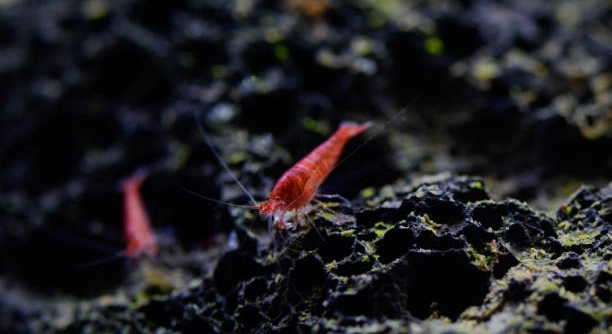
Have you ever noticed your shrimp acting distant and moving through the tank without acknowledging one another, leaving you unsure about what might be causing their quiet behavior in your normally lively aquatic setup today.
Shrimp often ignore each other due to stress, territorial pressure, unsuitable water parameters, limited food availability, overcrowding, illness, and mismatched species behavior. These conditions influence their interactions, reducing social engagement and prompting avoidance patterns that affect harmony within the aquarium.
These details highlight key elements shaping their behavior, guiding you toward understanding what influences peaceful interactions among shrimp in tanks.
Stress and Environmental Pressure
Stress plays a major role when shrimp begin ignoring each other, especially when their surroundings feel unstable or unpredictable. Sudden changes in temperature, lighting, or tank maintenance routines can disrupt their sense of safety, causing them to withdraw and keep distance from others. When shrimp feel overwhelmed, they often focus on finding shelter instead of interacting with tank mates. Small adjustments in their environment, like overcrowded hiding spots or frequent vibrations near the tank, can make them feel uneasy. As a result, they may choose isolated corners where they feel more secure. Observing this behavior can help you understand that their interactions are strongly shaped by how comfortable they feel in their space. By paying attention to subtle signs, you can support a calmer atmosphere. This helps your shrimp feel more at ease, encouraging healthier behavior and gentle movement throughout the tank without unnecessary tension in their daily routine today.
These reactions often develop when shrimp sense instability around them, leading them to retreat and stay quiet. Keeping their environment steady supports calmer behavior and encourages them to move comfortably. With a consistent setup, they begin feeling secure, reducing avoidance and helping them interact more naturally within their tank environment today.
Supporting stressed shrimp starts with noticing small behavioral shifts that signal discomfort. When they hide more than usual or separate themselves from the group, it suggests their surroundings need attention. Providing stable parameters, soft lighting, and enough hiding spaces helps them feel balanced. Avoid sudden changes in routine since quick adjustments can interrupt their comfort. A calm tank encourages gentle interaction and reduces the tension that makes shrimp distance themselves. With patience and consistent care, they slowly regain trust in their environment. Over time, their movement becomes smoother, and they begin acknowledging each other again in a peaceful way consistently.
Food Competition and Limited Resources
Limited food creates tension among shrimp, causing them to avoid each other instead of forming calm groups. When supplies are scarce, they focus on securing their own meals, reducing social behavior. Adequate feeding routines help maintain balance and support natural interactions without unnecessary distancing in their tank each day today.
Food availability shapes how shrimp behave around each other, especially when several individuals share the same feeding area. When meals are inconsistent or too small for the group, shrimp naturally become more guarded, prioritizing their own survival over calm interactions. This guarded behavior often looks like avoidance, quick movements, or choosing isolated spaces where they feel they have a better chance of finding leftovers. Ensuring that food is spread evenly across the tank can ease this tension. Offering a variety of safe foods and placing them in multiple spots prevents competition from becoming overwhelming. This helps each shrimp access what they need without feeling pressured to compete. Maintaining a schedule also supports predictable behavior, allowing shrimp to develop calmer routines. Over time, steady feeding reduces anxious responses and encourages more natural movement in groups. When shrimp feel confident that food will be available, they begin interacting more peacefully, showing gentle curiosity rather than avoidance. These small adjustments create an environment where they can thrive with comfort and stability. Providing consistent nutrition also supports their wellbeing. With reliable feeding, shrimp settle comfortably, reduce tension, and form steady patterns that strengthen their shared environment and overall sense of security each and everyday.
Overcrowding and Space Limitations
Overcrowding creates tension that causes shrimp to avoid each other, especially when they feel pressured in tight spaces. Limited room reduces their ability to move freely, encouraging isolated behavior. A balanced population helps them spread out comfortably and prevents the constant distancing that develops when their habitat feels too confined today.
Shrimp need enough space to explore without bumping into one another, and overcrowding disrupts this balance. When too many individuals share a small area, they struggle to establish comfortable routines. This often leads to hiding, retreating into corners, or lingering behind plants instead of moving together calmly. Providing a properly sized tank helps them settle more easily. It also reduces unnecessary stress that forms when they constantly have to navigate around others. With extra space and thoughtful layout, shrimp begin using the tank more evenly. Gradually, their movement becomes smoother, their interactions more natural, and their comfort more visible throughout the environment.
A spacious setup encourages healthier behavior since shrimp rely on steady movement and calm surroundings. When crowding becomes an issue, they instinctively protect their personal space, which weakens group harmony. Adding more plants, shelters, and open zones spreads them out and reduces tension. A tank that feels open but secure supports their natural patterns. Over time, proper spacing helps them regain confidence, easing them back into gentle interactions rather than keeping distance. As they feel less pressured, they begin acknowledging each other more freely, forming steady routines that reflect a balanced and peaceful environment they can comfortably share.
Illness and Physical Discomfort
Illness affects how shrimp behave around each other, often causing them to withdraw and stay alone. When they feel unwell, their energy drops and their instinct pushes them to hide. Subtle changes in movement or posture can reveal early signs that something in their environment needs attention today.
When shrimp experience discomfort, they become less interactive and more cautious. Issues like bacterial infections, parasites, or internal stress weaken their ability to stay active. They may move slowly, separate themselves from groups, or cling to secluded areas. Proper water quality and stable parameters are essential to prevent these problems. A clean tank helps reduce irritation and supports their natural rhythm. Introducing new shrimp without quarantine can also spread illness, so controlled introductions are important. With consistent care, early signs can be managed before they escalate, helping shrimp maintain their comfort and stay engaged with their surroundings in a steady and peaceful way.
Mismatched Species Behavior
Different shrimp species often display unique habits that do not blend well, causing them to ignore one another. When their activity levels, social preferences, or movement patterns clash, they naturally create distance. A well matched tank helps maintain smoother interactions and prevents unnecessary separation among the group today.
Some species prefer active exploration while others move slowly or hide more often. These differences affect how they respond to each other. Keeping compatible species together reduces stress and encourages steadier behavior. With balanced grouping, shrimp adjust more comfortably and maintain gentle routines without avoiding one another unnecessarily today.
Territorial Patterns
Territorial behavior leads shrimp to claim specific areas, creating quiet zones where others avoid entering. When each shrimp defends a personal space, interactions decrease naturally. Enough hiding spots, plants, and separate zones help soften these patterns. A thoughtful layout gives them structure without creating constant tension. Providing balanced coverage encourages more relaxed movement, reduces unnecessary guarding, and helps the tank feel calmer. Over time, fewer territorial disputes allow shrimp to acknowledge each other more consistently, restoring steady interactions that make the environment feel more comfortable for every individual in the setup today.
Poor Water Parameters
Unstable water conditions push shrimp to focus on survival, making them less likely to interact calmly. Ammonia spikes, temperature swings, or imbalanced minerals create discomfort. Keeping parameters steady encourages gentle behavior and helps shrimp feel safe enough to acknowledge each other throughout the tank.
FAQ
Why do my shrimp keep ignoring each other even when the tank looks stable?
Shrimp may still ignore each other when subtle stress triggers linger beneath the surface. Even if everything appears stable, small fluctuations in temperature, lighting, or noise around the tank can influence their behavior. Shrimp react strongly to minor changes, and these shifts often go unnoticed. Their instinct pushes them to protect themselves quietly, which results in reduced interaction. When their environment feels slightly unpredictable, they focus more on staying safe than engaging with others. This distancing is their way of maintaining comfort. Making slow, steady adjustments and keeping external disturbances low helps them move toward a calmer state where they feel secure enough to acknowledge each other again.
How can I tell if one shrimp is ignoring others because it is sick?
Noticing illness requires paying attention to small changes in behavior. A shrimp that isolates itself for long periods or avoids usual spots may be experiencing discomfort. Reduced appetite, slower movement, or unusual body positioning can be signs of internal stress. Some shrimp also show discoloration or cloudy patches when unwell. These signs indicate that something in their surroundings is affecting their health. Checking water parameters regularly helps prevent issues that lead to illness. A clean and stable tank gives shrimp the support they need to recover. When you respond early, their behavior gradually improves, and they may start interacting more naturally again.
Can mismatched species cause long term avoidance among shrimp?
Different species often have their own pace, habits, and comfort levels, which do not always complement each other. Mixing species with contrasting energy levels, hiding tendencies, or feeding behaviors can create quiet tension in the tank. Shrimp respond by avoiding those they feel uncomfortable around. This avoidance can become a long term pattern if conditions stay the same. Choosing compatible species makes life easier for them. Balanced grouping helps reduce stress and supports smoother behavior. When species share similar rhythms, they adjust more comfortably and slowly develop stable routines that reduce unnecessary distancing.
Does overcrowding always lead to social withdrawal in shrimp?
Overcrowding often pushes shrimp to protect their personal space. When too many individuals share a limited area, the pressure makes them seek remote corners or hide behind plants. This is their natural way of coping when they feel overwhelmed. Even peaceful shrimp struggle when the tank feels too full. Spreading out the population and adding more plants or hiding spots helps reduce this stress. A more open and organized layout supports healthier behavior. With enough room to move freely, shrimp ease back into soft interactions and maintain a steady rhythm throughout the tank.
How much do feeding habits influence how shrimp treat each other?
Feeding habits have a strong effect on their interactions. When food is scarce or placed in only one spot, shrimp become more protective. They focus on reaching the food quickly and ignore others while doing so. Over time, this pattern leads to avoidance even outside feeding periods. Offering enough food and spreading it across several areas reduces competition. When they do not feel pressured to fight for resources, their behavior becomes calmer. Predictable feeding routines help them maintain peaceful habits and reduce the tension that causes them to distance themselves.
What role do water parameters play in shrimp ignoring one another?
Water quality shapes every part of their behavior. Shrimp are sensitive to ammonia, nitrate, mineral balance, and temperature changes. Even slight imbalances make them uncomfortable, pushing them to withdraw rather than move confidently near others. They focus on staying safe and stable when they feel discomfort. Maintaining consistent parameters helps them relax. Regular checks, gradual changes, and clean filtration support their wellbeing. When the water feels safe and familiar, they regain the energy to explore and interact naturally.
Can territorial behavior cause long term distance between shrimp?
Territorial habits often lead shrimp to choose specific areas that they defend quietly. When multiple individuals claim their own spaces, they avoid crossing paths with others. While this behavior is natural, it can limit social movement in the tank. Adding enough shelters, plants, and open zones spreads them out and reduces tension. As they feel less pressure to guard spots, they begin to move more freely. With time, territorial habits soften, and shrimp acknowledge each other more often.
Final Thoughts
Understanding why shrimp ignore each other becomes easier when you recognize how much their environment shapes their behavior. Each factor, whether it is stress, space limitations, illness, or food competition, ties back to their natural instincts and how they respond to change. Shrimp rely on calm surroundings, predictable routines, and balanced conditions to feel secure enough to interact comfortably. When something in their environment feels off, even slightly, they shift into self preservation mode and reduce contact with others. This quiet distancing is not unusual, but it is important to notice and respond to early signs before they develop into long lasting patterns. As you observe their habits more closely, you start to understand how every small detail contributes to their comfort. With this understanding, supporting them becomes more natural, and your tank slowly moves toward a healthier, steadier atmosphere.
A shrimp tank functions best when each need is met consistently, giving them the freedom to move, feed, and rest without tension. Many of the behaviors that look like disinterest or avoidance are actually gentle signals that something requires attention. When they hide more than usual, separate themselves from groups, or appear uninterested in exploring, these signs help you adjust their conditions in thoughtful ways. Small improvements often make the biggest difference, especially when you keep changes slow and steady. Clean water, balanced food distribution, compatible species, and enough space each play an important role in making the environment feel stable. As stability increases, shrimp begin interacting more naturally, moving with ease, and using the full space available to them. It becomes easier for them to feel secure, which helps them shift away from distant behavior.
Caring for shrimp becomes more rewarding when you see how your efforts shape their comfort over time. By watching their patterns and responding with patience, you create a space where they can thrive without unnecessary stress. Their interactions slowly become smoother, their movement more relaxed, and their behavior more predictable in a positive way. A calm tank does not develop overnight, but consistent attention helps them settle into gentle routines. As you continue refining their environment, you gain a clearer understanding of what keeps them balanced and at ease. With steady care, the tank becomes a peaceful place where shrimp feel comfortable acknowledging each other, exploring freely, and maintaining healthy behavior that reflects the stability you have created for them.

Hello,
If you enjoy the content that we create, please consider saying a "Thank You!" by leaving a tip.
Every little bit helps us continue crafting quality advice that supports the health, happiness, and well-being of pets around the world, for pets of all shapes, sizes, and species.
We really appreciate the kindness and support that you show us!