
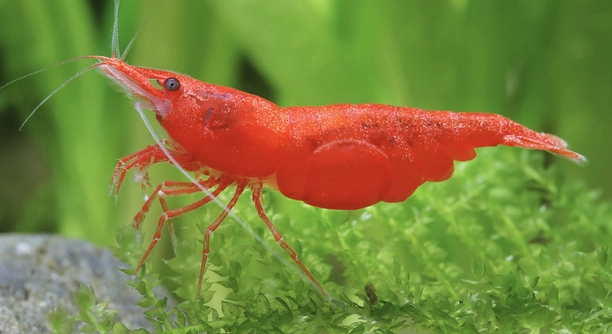
Keeping freshwater shrimp can be a relaxing hobby, but sometimes aquariums can become crowded without realizing it. Overcrowding can affect the shrimp’s health, water quality, and overall tank balance, creating challenges for any hobbyist.
Overstocking a shrimp tank can lead to increased competition for resources, higher stress levels, and rapid deterioration of water quality. Monitoring population density and maintaining proper tank management practices is essential to ensure a healthy and stable aquatic environment.
Recognizing the early signs of overcrowding helps prevent long-term health problems for your shrimp and keeps your tank thriving efficiently.
Uneaten Food Piling Up
When shrimp are overcrowded, leftover food can quickly accumulate at the bottom of the tank. Excess food not only makes the tank look messy but also begins to decay, which affects water quality. Decaying food releases ammonia and other harmful compounds that stress your shrimp and can lead to disease. You might notice cloudy water or a slight odor when uneaten food piles up. Even if you feed smaller amounts, too many shrimp can still leave food uneaten because the tank cannot accommodate all their activity. Regularly checking for leftover food and removing it promptly is essential. Using a fine net or siphon can help prevent buildup. Over time, uneaten food can encourage unwanted algae growth and attract other pests. Maintaining a feeding schedule and adjusting the quantity to match the population helps reduce waste and keeps your tank cleaner, promoting a healthier environment for your shrimp.
Removing excess food prevents water quality issues and keeps shrimp healthier.
Keeping the tank clean requires attention to feeding habits, observation, and removing debris consistently. Adjusting portions based on population ensures all shrimp eat sufficiently without overfeeding. Overcrowded tanks exacerbate leftover food issues, and monitoring tank conditions helps maintain balance. Regular water changes and careful cleaning prevent long-term problems caused by decay. Observing shrimp behavior while feeding can reveal whether the population is too high. Healthy shrimp consume food quickly, and if leftovers remain regularly, it indicates stress or overpopulation. Managing feeding and tank cleanliness together creates a stable environment.
Increased Aggression and Stress
Overcrowded tanks can lead to stressed shrimp and increased aggressive interactions.
Shrimp may compete for hiding spots or food, causing fights and injuries. Stress also affects molting, breeding, and immunity.
Stress in shrimp manifests as constant hiding, unusual swimming patterns, or aggression toward tank mates. Shrimp are social creatures, but excessive numbers limit personal space, resulting in constant tension. Injuries from fighting can become infected, and weakened shrimp are more prone to disease. Stress also affects breeding cycles, reducing the success of molts and growth. Observing behaviors such as chasing, pinching, or frequent retreats into hiding spots indicates that the tank may be overpopulated. Adjusting population levels, adding hiding spaces, and ensuring adequate food distribution can reduce conflict. Consistent monitoring and intervention help maintain a calm and healthy environment. By understanding shrimp behavior and the effects of overcrowding, you can prevent long-term harm and support a thriving community that is balanced and active.
Cloudy or Dirty Water
Overcrowding increases waste production, which can quickly cloud the water. Uneaten food and shrimp waste overwhelm filtration, making water appear dirty and less healthy for inhabitants.
High shrimp density produces more ammonia, nitrites, and nitrates than the tank can handle. Even with proper filtration, waste builds up faster than it can be processed. Cloudy water reduces oxygen levels and encourages bacterial growth, which can stress shrimp. Frequent water testing is necessary to monitor these changes. Partial water changes and proper filtration adjustments help keep water clear and safe, but controlling population remains the most effective solution. Maintaining clean water ensures shrimp stay active and reduces the risk of disease or stress caused by poor water conditions.
Cloudy water can harm shrimp growth, breeding, and overall health. Regular observation and water maintenance prevent long-term problems caused by overpopulation.
Slow Growth and Molting Issues
Too many shrimp in one tank can slow growth and create molting problems.
Overcrowding limits resources, increasing competition for food and space. Shrimp may not receive enough nutrients to grow properly or molt successfully. Molting is essential for shrimp development, and stress or lack of proper nutrition can delay or prevent it. Weak shrimp are more susceptible to disease, and repeated molting failures affect the entire population. Observing small, underdeveloped shrimp or irregular molting patterns often signals that the tank is overpopulated.
Molting issues are a sign that shrimp cannot thrive under current conditions. Providing more space, adjusting population, and offering high-quality food improves health. Overcrowded tanks restrict movement and increase stress, which directly impacts molting efficiency. Ensuring proper nutrition, hiding spaces, and balanced tank conditions supports healthy growth. Ignoring these signs can lead to long-term health problems and reduce the overall lifespan of the shrimp. Monitoring both behavior and physical development is essential to maintain a stable, thriving aquarium environment.
Algae Overgrowth
Overcrowded tanks produce more waste, which increases nutrient levels in the water. Excess nutrients often lead to rapid algae growth, covering surfaces and decorations.
Algae can outcompete shrimp for oxygen in the water. It also makes the tank look messy and reduces visibility, making it harder to monitor shrimp health.
Frequent Molting Failures
High population density stresses shrimp, causing molting problems. Stress and insufficient nutrition prevent proper exoskeleton shedding, leaving shrimp vulnerable. Uneven molting affects growth, reproduction, and overall health. Monitoring molting patterns helps identify overpopulation before severe health issues arise, allowing corrective measures to protect your shrimp.
Reduced Breeding Success
Overcrowding limits space for safe mating and egg-laying. Female shrimp may stop reproducing due to stress and competition.
FAQ
How can I tell if my shrimp tank is overcrowded?
Signs of overcrowding include cloudy water, leftover food, stressed or hiding shrimp, increased aggression, slow growth, molting issues, and rapid algae growth. Observing your shrimp’s behavior and monitoring water quality regularly helps identify if there are too many shrimp in the tank.
What is the ideal shrimp-to-gallon ratio?
A general guideline is about 5–10 shrimp per gallon for small species like Cherry shrimp. Larger shrimp may need fewer per gallon. This ratio helps maintain water quality, reduces stress, and prevents competition for food and hiding spaces.
Can overcrowding cause diseases in shrimp?
Yes, high population density increases stress and weakens immunity, making shrimp more prone to bacterial, fungal, and parasitic infections. Overcrowding also leads to rapid waste buildup, which can introduce harmful bacteria into the water. Regular maintenance and proper population management reduce disease risks.
How often should I clean an overcrowded tank?
In an overcrowded tank, partial water changes of 20–30% should be done weekly. Cleaning uneaten food, debris, and algae is essential to maintain water quality. A good filtration system also helps, but population control is the most effective long-term solution.
Will adding more hiding spots help with overcrowding?
Providing extra hiding spaces reduces stress and aggression, but it does not solve the core issue of overcrowding. Plants, rocks, and decorations give shrimp room to retreat, which can improve behavior and survival rates temporarily while population numbers are addressed.
Can I feed more shrimp if my tank is crowded?
Feeding more food does not solve overcrowding. Excess food can lead to decay, poor water quality, and further stress. It’s better to reduce shrimp numbers or increase tank size than to overfeed, which can worsen the situation.
How do I safely reduce shrimp numbers?
You can transfer excess shrimp to another tank, give them to other hobbyists, or consider selling or gifting them. Avoid sudden population reduction through drastic measures that may stress or harm the remaining shrimp. Gradual adjustment keeps the tank stable.
What happens if I ignore overcrowding?
Ignoring overcrowding leads to poor water quality, increased stress, disease, stunted growth, molting failures, and reduced breeding. Long-term neglect can cause mass die-offs and an unhealthy tank environment. Monitoring population and acting early prevents severe problems.
Are there long-term effects of constant stress in shrimp?
Chronic stress reduces lifespan, reproduction, and molting success. Shrimp may remain small, hide constantly, and fail to thrive. Proper population management, hiding spots, and clean water help mitigate stress and improve overall shrimp health.
Can filtration alone handle overcrowding?
Even strong filtration cannot compensate for too many shrimp. Filtration removes some waste but cannot prevent stress, competition, or behavioral issues caused by overpopulation. Managing population is essential to keep shrimp healthy.
Is there a visual guide for recognizing overcrowding?
Observing shrimp behavior is the most reliable method. Shrimp hiding constantly, fighting, or having leftover food regularly are strong visual cues. Cloudy water, algae overgrowth, and dead shrimp also indicate the tank may be overpopulated.
How often should I monitor water parameters in a crowded tank?
Testing water at least twice a week is recommended for crowded tanks. Check ammonia, nitrite, nitrate, pH, and temperature to ensure conditions remain safe. Early detection of changes allows timely intervention to protect shrimp health.
Does overcrowding affect breeding?
Yes, female shrimp may stop producing eggs due to stress and lack of space. Egg survival rates drop as overcrowding increases competition and stress. Providing enough room is essential for successful breeding and maintaining a sustainable population.
Can adding plants improve overcrowding issues?
Plants help by providing hiding spots, oxygen, and some nutrient absorption, but they do not replace the need for proper population control. Overcrowding still leads to stress, disease, and growth issues despite plant additions.
What is the first step if I notice overcrowding?
The first step is to assess shrimp numbers versus tank size. Consider moving some shrimp to another tank or increasing tank space. Simultaneously, monitor water quality and remove excess food to stabilize conditions. Gradual adjustments minimize stress for all inhabitants.
How do I prevent overcrowding in new tanks?
Plan population growth by starting with fewer shrimp and monitoring breeding. Keep track of tank capacity and prepare additional tanks or plans for transferring excess shrimp. Regular observation prevents overcrowding before it becomes a problem.
Are some shrimp species more prone to overcrowding issues?
Smaller species tolerate higher densities better, while larger species require more space per individual. Aggressive or territorial species show signs of stress sooner in crowded conditions. Understanding species needs helps prevent problems before they occur.
Can overcrowding cause molting death?
Yes, stress and competition in crowded tanks can prevent successful molting. Shrimp may get stuck in their old exoskeleton, leading to injury or death. Ensuring proper space, nutrition, and hiding areas reduces molting failures.
How long does it take to recover from overcrowding?
Recovery depends on population reduction, water quality stabilization, and stress management. Shrimp can gradually return to normal growth, molting, and breeding once conditions improve. Careful monitoring ensures a healthier tank environment over time.
Is it ever okay to have a “full” tank?
A tank can appear full visually without being overcrowded if the shrimp have enough space, hiding spots, and food. Proper planning and observation ensure shrimp remain healthy despite higher numbers. Population management is always key to maintaining balance.
Keeping a shrimp tank balanced and healthy takes attention to detail, especially when it comes to population. Overcrowding can create a series of problems, from cloudy water to stress and slow growth. When there are too many shrimp in a tank, food often goes uneaten, waste accumulates quickly, and algae can grow excessively. These conditions make it harder for shrimp to thrive and for hobbyists to maintain a stable environment. Observing shrimp behavior, monitoring water quality, and adjusting the population are essential steps to prevent these issues. Simple actions like removing uneaten food, adding hiding spots, and performing regular water changes can make a significant difference, but population control remains the most important factor.
Stress caused by overcrowding affects shrimp in multiple ways. Molting becomes irregular, growth slows, and breeding success drops. Shrimp that cannot molt properly are vulnerable to injury or death, and females under stress may stop producing eggs altogether. Aggression can increase when space is limited, leading to fights and injuries. Even with a strong filtration system, high density cannot be fully managed because the underlying problem is the number of shrimp in the tank. Managing population allows each shrimp to access food, find shelter, and move freely. By taking steps to maintain proper numbers, you create an environment where shrimp can grow, reproduce, and live healthier lives, which reduces stress-related issues over time.
Maintaining a shrimp tank requires a balance of observation, care, and planning. Regularly checking for leftover food, monitoring water parameters, and providing appropriate hiding spaces helps reduce stress and maintain health. Understanding your tank’s capacity and adjusting populations when necessary ensures long-term success. Overcrowding might not be obvious at first, but early detection prevents serious problems. By addressing population levels and providing consistent care, you protect your shrimp from health issues and maintain a thriving, stable aquarium. Small, consistent efforts in monitoring and tank management make a noticeable difference in shrimp wellbeing, and keeping the tank at a healthy population ensures the community remains active, vibrant, and balanced over time.

Hello,
If you enjoy the content that we create, please consider saying a "Thank You!" by leaving a tip.
Every little bit helps us continue crafting quality advice that supports the health, happiness, and well-being of pets around the world, for pets of all shapes, sizes, and species.
We really appreciate the kindness and support that you show us!