
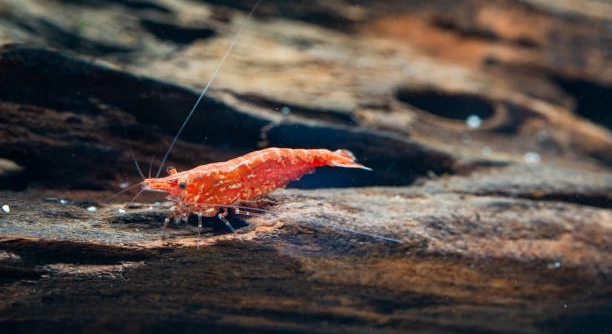
Cherry shrimp are small, colorful creatures that many aquarists enjoy keeping in home tanks. Their behavior and preferences can sometimes seem mysterious, especially when it comes to choosing their favorite spots in the aquarium.
Cherry shrimp tend to prefer darker substrates because these environments provide better camouflage and reduce stress. Darker backgrounds enhance their natural coloration, improve foraging efficiency, and create a safer, more comfortable habitat that mimics their natural surroundings.
Learning about substrate preferences can help you create a more suitable and healthy environment for your shrimp. These small details can make a noticeable difference in their behavior and well-being.
How Substrate Color Affects Shrimp Behavior
The color of the substrate in your tank can have a big impact on how cherry shrimp act. Darker substrates make shrimp feel safer because they can blend in more easily. When shrimp feel exposed, they tend to hide more and move less. A darker base can also highlight their red colors, making them appear more vibrant. This visual contrast seems to influence their comfort level. In addition, feeding becomes more efficient. Shrimp can spot food particles faster against a dark background than a light one. Stress levels are lower when shrimp have places that feel secure. Observing your shrimp over time, you might notice they spend more time exploring on dark substrates and show more natural behaviors. The choice of substrate may seem small, but it clearly changes how your shrimp interact with their environment and with each other.
Shrimp are more likely to forage actively and explore when the substrate is darker.
A darker substrate mimics the natural creek beds and forest streams where cherry shrimp come from. These areas are usually shaded and filled with plant matter, creating a safe environment. In an aquarium, a dark substrate gives the same sense of security, encouraging movement, social interactions, and even breeding. Shrimp that feel secure are healthier, display brighter colors, and are easier to observe. In contrast, light or reflective substrates can make them nervous, causing them to hide or move sluggishly. Tank decorations also matter, but substrate color is one of the simplest ways to improve shrimp well-being. Over time, hobbyists notice that shrimp choose darker areas for resting and feeding, suggesting an instinctual preference. Proper substrate choice supports their natural instincts and helps maintain a balanced, low-stress habitat that encourages normal shrimp behavior and growth.
Other Factors That Influence Shrimp Preference
Water quality, plants, and hiding spots all influence shrimp comfort. A tank with stable conditions encourages more activity.
Besides substrate color, shrimp behavior depends on several environmental factors. Stable water parameters such as pH, temperature, and hardness are critical for keeping them healthy. Live plants provide extra hiding spaces, contributing to a sense of security, and also help maintain water quality. Small caves or driftwood can offer shelter where shrimp feel safe, reducing stress and promoting natural foraging. Even lighting affects how comfortable shrimp feel; bright lights without shaded areas may make them retreat, while moderate lighting enhances visibility and security. Observing these factors together with substrate choice gives a more complete understanding of why shrimp behave the way they do. Adjusting these conditions carefully allows them to thrive, display vivid colors, and interact more naturally, creating a balanced tank that supports their overall health and activity.
Choosing the Right Dark Substrate
A dark substrate like black sand or dark gravel creates a safe feeling for cherry shrimp. It improves their coloration and encourages natural behavior. Choosing the right material also helps maintain water quality and provides a surface for biofilm, which shrimp love to graze on.
Dark substrates come in different types, including sand, fine gravel, and soil-based options. Sand allows shrimp to dig and sift easily, while fine gravel supports plants and provides hiding spots among the grains. Soil-based substrates can release nutrients that benefit plants, but they may require more careful maintenance. Each choice affects water chemistry slightly, so testing parameters like pH and hardness is important. Over time, shrimp show a preference for areas where they feel both secure and able to forage efficiently, and the right substrate helps maintain this balance naturally. Observing them daily gives insight into which type works best for your tank setup.
Maintenance is easier with the right substrate. Darker materials hide waste and algae better, reducing visual stress for shrimp. Biofilm growth is more visible, encouraging active foraging. A proper substrate supports healthy molting and reproduction, creating a thriving tank ecosystem. Shrimp tend to gather on the substrate during feeding and resting, showing that it plays a key role in their comfort. Choosing one that balances appearance, functionality, and shrimp preference makes caring for them simpler and more rewarding.
Lighting and Its Impact on Shrimp
Moderate lighting complements a dark substrate, allowing shrimp to move freely without stress. Bright lights can make them hide, while soft lighting encourages activity. Adjusting light duration also helps regulate their natural patterns.
Lighting interacts with substrate to influence shrimp behavior. On dark substrates, bright or intense lighting can create sharp contrasts that make shrimp feel exposed. Soft, diffused light reduces stress and allows them to forage confidently across the tank. Light also affects plant growth, which indirectly benefits shrimp by providing additional hiding spots and surfaces for biofilm. Timed lighting cycles maintain a stable environment, reinforcing natural day-night patterns. A combination of proper light intensity, duration, and color temperature enhances shrimp coloration and overall well-being. Careful observation shows that shrimp are more visible and active under these balanced lighting conditions, indicating improved comfort and reduced stress levels.
Hiding Spots and Decorations
Shrimp feel more secure when there are hiding spots in the tank. Plants, rocks, and driftwood provide shelter and resting areas. They reduce stress and encourage natural behaviors like foraging and exploring without fear of exposure.
Adding varied textures and shapes helps shrimp choose comfortable areas. Moss, leaf litter, and small caves create a natural environment. These spots also give them safe places to molt. A well-decorated tank allows shrimp to spread out and interact with their surroundings while maintaining a sense of security. Observing their preferences over time helps in arranging decorations effectively.
Feeding and Substrate Interaction
Cherry shrimp often feed directly on the substrate. Darker substrates make it easier for them to find tiny food particles and biofilm. The contrast helps them spot edible materials quickly, encouraging more natural feeding patterns and frequent activity.
Shrimp spend a lot of time grazing across the substrate surface. Biofilm, algae, and detritus accumulate naturally, offering a constant food source. Darker substrates improve visibility of these resources, reducing stress during feeding and supporting growth. Shrimp that can feed efficiently tend to display brighter colors and more active behaviors. A substrate that supports biofilm growth and is easy to clean ensures a healthy, thriving population while minimizing uneaten food that could affect water quality.
Substrate Texture
The texture of the substrate influences shrimp movement and comfort. Fine sand allows gentle digging, while coarse gravel offers stable surfaces for walking and climbing.
Temperature and Environment
Stable water temperature enhances shrimp comfort on dark substrates. Sudden fluctuations can cause stress and hiding behavior, even in ideal setups.
FAQ
Why do cherry shrimp prefer dark substrates?
Cherry shrimp prefer dark substrates because they provide a sense of safety and reduce stress. Dark surfaces help them blend in, making them feel less exposed to potential threats. This natural camouflage also allows them to forage more confidently and display brighter coloration, which is a sign of comfort.
Can light-colored substrates harm shrimp?
Light-colored substrates do not directly harm shrimp, but they can make shrimp feel exposed. When shrimp feel unsafe, they may hide more often and move less. This stress can impact feeding, molting, and overall activity, making it harder to observe their natural behavior.
Which types of dark substrate are best for cherry shrimp?
Fine gravel, black sand, and nutrient-rich soil are popular choices. Sand allows easy sifting and grazing, gravel supports plant roots and climbing, and soil-based substrates provide nutrients for plants, indirectly benefiting shrimp. Each option affects water chemistry slightly, so monitoring pH and hardness is important for shrimp health.
How does substrate texture affect shrimp behavior?
Texture influences how shrimp walk, dig, and forage. Fine substrates allow gentle sifting and cleaning, while coarser materials provide stable surfaces for movement. A balanced texture ensures shrimp can interact naturally with their environment and reach all areas of the tank efficiently.
Do decorations affect substrate preference?
Yes, decorations like plants, driftwood, and moss complement the substrate by offering hiding spots. Shrimp often combine substrate and decorations when choosing resting or feeding areas. Dense planting on dark substrates provides extra comfort, reducing stress and encouraging activity.
Does substrate color impact breeding?
Darker substrates encourage natural behavior, which supports breeding. Female shrimp feel safer and are more likely to carry eggs openly. Stress from light or reflective substrates can reduce spawning and lead to hidden or aborted eggs. A comfortable environment directly influences reproductive success.
How does lighting interact with dark substrates?
Moderate lighting works best with dark substrates. Bright lights can make shrimp feel exposed, even on dark surfaces, while soft, diffused light allows them to forage confidently. Proper lighting also supports plant growth, which benefits shrimp by providing extra grazing surfaces and hiding spots.
Can dark substrates improve feeding efficiency?
Yes, dark substrates create contrast that makes food particles and biofilm easier to spot. Shrimp can feed more actively and frequently, which improves growth and color. Efficient feeding also reduces leftover food, helping maintain water quality and a healthier tank overall.
Do water conditions affect substrate preference?
Stable water conditions are essential. Even the best substrate cannot fully compensate for fluctuating pH, temperature, or hardness. Shrimp prefer areas where both the substrate feels safe and the water conditions remain stable, ensuring comfort and healthy behavior.
How often should I clean a dark substrate?
Cleaning frequency depends on tank activity and waste accumulation. Dark substrates hide debris better, but regular siphoning and gentle stirring prevent buildup. Maintaining a clean surface supports biofilm growth and prevents harmful ammonia spikes, keeping shrimp healthy and active.
Can shrimp adapt to lighter substrates over time?
Shrimp can adapt, but they may remain more cautious or spend extra time hiding. Introducing darker decorations or shaded areas helps them feel secure while gradually adjusting to a lighter base. Observing behavior over several weeks shows whether they are comfortable.
Does substrate choice influence shrimp color?
Yes, shrimp on dark substrates often display more vibrant red and orange hues. Feeling secure reduces stress, which enhances natural pigmentation. A dark base also provides visual contrast, making colors appear brighter and more pronounced for observers.
Are there any plants that work best with dark substrates?
Most aquatic plants grow well on dark substrates, but low-light, root-feeding species like Java moss, Anubias, and Cryptocoryne are especially compatible. They provide hiding spots, surfaces for biofilm, and enhance shrimp comfort while thriving on nutrient-rich dark bases.
How do I balance aesthetics and shrimp comfort?
Choose substrates that match your tank’s look while keeping shrimp preferences in mind. Dark sand or gravel can complement plants and decorations. Adding hiding spots, moss, and driftwood ensures shrimp feel safe, making the tank both attractive and functional.
Will shrimp avoid areas without biofilm?
Shrimp spend most of their time grazing on biofilm, algae, and detritus. Areas lacking these surfaces are less attractive. Dark substrates tend to support visible biofilm growth, encouraging foraging and regular activity, keeping shrimp engaged and healthy.
Can changing substrate stress shrimp?
Yes, sudden substrate changes can cause stress. Shrimp may hide or reduce activity. Gradual changes or rearranging a small portion at a time, while keeping water conditions stable, helps them adapt without impacting health or behavior.
Do all cherry shrimp show the same substrate preference?
While most prefer dark substrates, individual shrimp may differ slightly based on personality or previous environments. Observing behavior in your own tank helps determine which areas are favored and allows you to arrange substrate and decorations accordingly.
Is substrate alone enough for a healthy shrimp tank?
Substrate is important, but it works best with proper water parameters, plants, decorations, and lighting. A well-rounded environment supports natural behavior, feeding, breeding, and overall health. Substrate choice is a key part, but not the only factor in shrimp well-being.
How does substrate affect molting?
A secure substrate reduces stress during molting, allowing shrimp to shed safely. Dark, textured surfaces provide grip and cover while they are vulnerable. Stress-free conditions improve survival rates and ensure successful molts, supporting healthy growth and long-term well-being.
Can I mix substrates in one tank?
Yes, combining sand, gravel, or soil can create zones for different behaviors. Dark areas provide comfort and foraging grounds, while lighter patches may be used for plants or decoration. Mixed substrates must be stable and compatible with water chemistry to avoid stress.
How long does it take shrimp to adjust to new dark substrate?
Adjustment usually takes a few days to a week. During this time, shrimp explore, test hiding spots, and settle into preferred areas. Observing their activity helps ensure they are comfortable and thriving. Providing familiar decorations and stable water parameters accelerates the process.
Do shrimp prefer certain dark shades over others?
Shrimp generally prefer black or deep brown substrates because they offer the strongest contrast and sense of security. Slight variations in shade may not matter as much, but darker tones consistently encourage natural activity and vibrant coloration.
Can substrate choice influence tank algae growth?
Substrate indirectly affects algae by supporting biofilm and plant growth. Dark bases can make algae less visually intrusive while still providing grazing surfaces. Choosing the right combination of substrate, lighting, and plants helps balance algae without stressing shrimp.
How important is substrate depth?
Depth affects stability and foraging. Shallow layers may limit digging and plant roots, while very deep substrates can trap debris. A moderate depth provides enough material for shrimp activity, plant support, and biofilm growth, creating a functional and comfortable environment.
Does substrate color matter for juvenile shrimp?
Juveniles feel safer on darker substrates, which reduces stress and encourages feeding. Early exposure to secure environments helps them grow faster, molt successfully, and develop bright colors as they mature. Proper substrate supports healthy development from the start.
Are there special care tips for dark substrates?
Regular gentle cleaning, monitoring water chemistry, and providing hiding spots are key. Avoid harsh stirring that could disturb shrimp. Maintaining biofilm growth while preventing debris buildup ensures a healthy and visually appealing dark substrate that benefits shrimp behavior and well-being.
Can shrimp show preferences for specific spots within the substrate?
Yes, shrimp often gather in areas with optimal conditions—shelter, biofilm, and plant coverage. Observing these preferences allows rearranging decorations or adjusting feeding patterns to keep shrimp comfortable and active.
How do I test if my shrimp like the substrate?
Watch their behavior: active foraging, bright colors, frequent movement, and molting success are good signs. Shrimp that hide excessively or avoid certain areas may not feel secure. Adjusting substrate, decorations, or lighting can improve comfort and overall health.
Can substrate influence shrimp social behavior?
A safe, comfortable substrate encourages interaction, grazing together, and natural exploration. Stressful surfaces can cause hiding and reduced activity, affecting social behavior. Dark, textured, and well-planted substrates support group activity and normal shrimp dynamics.
Does substrate affect shrimp lifespan?
Indirectly, yes. Comfortable substrates reduce stress, improve feeding efficiency, support molting, and encourage natural behaviors. All these factors contribute to healthier shrimp, which can live longer and thrive in a well-maintained tank.
What is the easiest dark substrate for beginners?
Black sand or fine dark gravel is often easiest. It balances appearance, comfort, and maintenance. These substrates are forgiving, support biofilm growth, and are compatible with most plants, making them ideal for new shrimp keepers.
How often should I monitor shrimp behavior on new substrate?
Daily observation is best for the first week after introducing new substrate. Look for activity levels, feeding patterns, hiding, and molting. Adjust decorations, lighting, or substrate if shrimp seem stressed, ensuring a smooth adaptation period.
Can substrate affect water parameters long-term?
Yes, certain soil-based or mineral-rich substrates can alter pH, hardness, or nutrient levels. Regular testing ensures water stays within safe ranges, maintaining shrimp health and preventing stress related to changes in water chemistry.
Is it necessary to use substrate at all?
While shrimp can survive without substrate, a proper base improves comfort, foraging, breeding, and overall activity. It provides structure, grazing surfaces, and a sense of security, making a well-substrated tank far more suitable for thriving cherry shrimp.
What signs indicate substrate is ideal for my shrimp?
Shrimp spend time foraging openly, display bright colors, molt successfully, and show active social interactions. Areas with biofilm and hiding spots are frequently used, indicating the substrate supports comfort, safety, and healthy behavior patterns.
Can changing lighting and substrate together cause stress?
Yes, simultaneous changes can be overwhelming. It’s better to adjust one factor at a time, allowing shrimp to adapt gradually. Stable water parameters and familiar decorations help minimize stress during environmental changes.
Do shrimp prefer natural-looking substrates over artificial ones?
Generally, substrates that mimic natural creek beds or forest streams are preferred. Dark, textured, and irregular surfaces create comfort, allowing shrimp to behave naturally. Artificial options that provide these qualities can be equally effective if they meet these criteria.
How do I combine substrate choice with tank maintenance?
Regular vacuuming of debris, gentle stirring to prevent compacting, and monitoring water chemistry are essential. Dark substrates hide waste well but require careful cleaning to maintain healthy biofilm and prevent ammonia buildup, supporting long-term shrimp comfort and survival.
Will shrimp avoid new substrate immediately?
Some may be cautious at first, exploring slowly or hiding. Gradual introduction, paired with stable water conditions and familiar decorations, helps them acclimate quickly and reduces stress, leading to normal activity within a few days.
Can substrate impact juvenile shrimp survival?
Yes, secure, dark, and textured substrates support feeding, molting, and hiding. Juveniles are more vulnerable to stress, so providing a substrate that promotes comfort and safety directly affects survival rates and healthy development.
How do I know if dark substrate is too fine or coarse?
Fine sand may compact and limit movement if overused, while very coarse gravel can hinder grazing. Observe shrimp activity: if they dig, graze, and move freely, the texture is suitable. Balance is key for comfort and natural behavior.
Are there specific brands recommended for cherry shrimp tanks?
Many brands offer dark sand, gravel, or soil substrates. Look for options designed for freshwater shrimp or planted tanks. They typically provide stable water chemistry, fine texture, and nutrient support for plants, indirectly benefiting shrimp health.
Do shrimp show different substrate preferences by species?
Yes, while cherry shrimp favor dark substrates, other species may have varying preferences. Observing behavior in your specific tank ensures the chosen substrate meets comfort, feeding, and breeding needs.
Can substrate influence disease resistance?
Indirectly, yes. Comfortable substrates reduce stress, supporting immune function. A well-maintained, clean, and biofilm-rich dark substrate promotes healthier shrimp less prone to illness.
How do I combine substrate with other environmental improvements?
Pair dark substrates with moderate lighting, stable water, hiding spots, and live plants. This integrated approach maximizes shrimp comfort, encourages natural behavior, and supports growth, breeding, and overall health in the tank.
Are there seasonal effects on substrate preference?
Temperature and light changes can affect shrimp activity, making safe, dark substrates even more important during cooler or brighter periods. They rely on these areas for security and consistent foraging throughout the year.
Is substrate important for breeding tanks specifically?
Yes, breeding tanks benefit from dark, secure substrates that reduce stress, encourage spawning, and allow females to carry eggs openly. Biofilm and plant roots support juvenile feeding, improving survival rates and growth.
What’s the easiest way to test new substrate before full use?
Place a small portion in a corner or separate tank section. Observe shrimp behavior for several days. If they forage, molt, and remain active, it indicates the substrate is suitable for full integration.
Does substrate affect tank aesthetics significantly?
Yes, dark substrates enhance shrimp coloration and contrast with plants and decorations. A visually appealing tank can also help monitor shrimp health and activity more easily while maintaining functional comfort.
How long does a dark substrate last before replacement?
With proper maintenance, dark substrates can last years. Occasional gentle cleaning and supplementation with plant nutrients are usually enough to maintain function and appearance without complete replacement.
Can substrate color affect algae control?
Dark substrates hide algae more effectively and provide surfaces for grazing, balancing aesthetics and shrimp feeding behavior. Proper lighting and plant coverage further reduce unwanted algae growth.
Do shrimp prefer mixed plant and substrate environments?
Yes, combining dense plant coverage with dark substrate maximizes comfort. Shrimp can forage, hide, and interact naturally, making the tank feel safer and more dynamic, supporting activity, molting, and reproduction.
How important is substrate consistency across the tank?
Consistency ensures shrimp feel secure throughout the tank. Uneven textures or color patches may cause hesitation or hiding. Balanced areas promote uniform activity, feeding, and social interaction, contributing to a stable shrimp habitat.
Does substrate choice affect tank cycling?
Substrate can impact beneficial bacteria colonization. Dark, textured substrates provide surface area for bacteria, supporting biological filtration. This helps maintain water quality and reduces stress-related health issues in shrimp.
What mistakes should I avoid with dark substrates?
Avoid compacting sand too tightly, using reactive soil without monitoring pH, or overloading decorations that prevent free movement. Sudden changes in substrate or water chemistry can stress shrimp, so gradual adjustments and consistent care are essential.
Can substrate influence tank temperature distribution?
Yes, dense or deep substrates can slightly buffer temperature fluctuations. While not a primary factor, it helps maintain stable conditions, contributing to shrimp comfort and reduced stress in combination with proper heater placement.
Is substrate more important for adult shrimp than juveniles?
Both stages benefit, but juveniles rely more on secure, textured surfaces for hiding and feeding. Adults use substrate for grazing, molting, and social interactions. Providing suitable substrate supports all life stages and overall population health.
How do I balance feeding, substrate, and cleaning?
Feed in small portions, let shrimp graze across dark substrate, and clean gently to avoid disturbing biofilm. Regular maintenance keeps the environment healthy while allowing shrimp to forage naturally and maintain bright colors.
Does substrate impact shrimp aggression?
Indirectly. Stressful or unsafe substrates may cause hiding or competition over limited safe areas. Comfortable, well-decorated, and dark substrates reduce stress, allowing peaceful interaction and minimizing territorial disputes.
Are there any special considerations for shrimp tanks with mixed species?
Mixed species may have different substrate preferences. Observe interactions to ensure all shrimp feel secure. Dark substrates generally benefit multiple species, but hiding spots and plant coverage may need adjustment to suit all inhabitants.
Can substrate color influence shrimp lifespan indirectly?
Yes, by affecting stress levels, foraging efficiency, and molting success. Comfortable dark substrates support healthier behaviors, indirectly contributing to longer lifespan and better reproduction.
What is the best way to introduce shrimp to a new dark substrate?
Add substrate gradually or in sections, maintain water parameters, and provide familiar hiding spots. Monitor activity, feeding, and coloration to ensure they adjust comfortably without stress.
Do cherry shrimp use substrate for navigation?
Yes, they often follow edges, plants, or textured areas while exploring. Dark, structured substrates provide visual and tactile cues, helping them move confidently and forage efficiently across the tank.
Can substrate affect shrimp color patterns over time?
Shrimp kept on dark substrates tend to maintain brighter reds and oranges. Feeling secure reduces stress-related color dulling, and the visual contrast enhances overall appearance.
How do I maintain biofilm on dark substrates?
Encourage natural growth by providing low light in some areas, minimal disturbance, and regular, gentle cleaning. Avoid harsh chemicals or over-cleaning that can remove beneficial biofilm critical for shrimp nutrition.
Are there any substrate options that discourage algae but support shrimp?
Dark, nutrient-balanced sand or gravel supports shrimp grazing and biofilm growth while minimizing excess algae. Pair with moderate lighting and plants to maintain a clean and healthy tank environment.
How do I know if shrimp are happy with my substrate setup?
Active foraging, visible movement across the tank, frequent molting, bright coloration, and normal social interactions indicate they are comfortable. Regular observation confirms if adjustments are needed to maintain a healthy environment.
Can substrate choices vary based on tank size?
Yes, smaller tanks may benefit from fine, uniform dark substrates, while larger tanks can accommodate mixed textures. Depth, plant support, and hiding spots should be scaled appropriately to ensure comfort and natural behavior throughout the tank.
Does substrate impact water clarity?
Fine sand or soil can initially cloud water when disturbed, but proper rinsing and gentle cleaning prevent long-term issues. Stable substrates maintain clear water while providing surfaces for grazing and hiding.
Can substrate affect shrimp activity during molting cycles?
Yes, secure and textured dark substrates allow safe hiding during molting. Stressful or slippery surfaces may cause failed molts, so appropriate substrate is essential for healthy growth and survival.
Is it better to replicate natural habitats with substrate choice?
Replicating natural conditions, including shaded dark substrates, encourages normal behavior, feeding, and breeding. Mimicking creek or stream beds improves comfort, reduces stress, and enhances overall shrimp well-being.
How important is consistency between substrate, lighting, and decorations?
Consistency ensures shrimp feel secure, forage confidently, and display natural behavior. Abrupt changes or mismatched conditions may stress them, while a cohesive environment supports health, coloration, and reproduction.
Can substrate help prevent disease?
Indirectly, yes. Stress reduction from a comfortable substrate supports immunity. Proper biofilm development and stable water parameters also limit opportunistic pathogens, promoting long-term shrimp health.
**Does substrate color influence visibility
Final Thoughts
Cherry shrimp are delicate creatures that respond strongly to their environment, and substrate choice plays a key role in their overall comfort. Dark substrates provide a sense of security, reduce stress, and allow shrimp to display their natural colors more vividly. When shrimp feel safe, they are more likely to explore, forage, and interact with their surroundings. This behavior is not just for show; it is an indicator of healthy shrimp that are thriving in their habitat. Observing how your shrimp move, hide, and feed on different substrates can give valuable insight into what makes them feel comfortable. A dark base mimics the natural conditions found in shaded streams and creek beds, where these shrimp originally come from, and it allows them to express normal behaviors without feeling threatened. This natural sense of security also influences breeding and molting, making substrate choice important for long-term tank success.
Beyond just color, the texture and type of substrate matter as well. Fine sand or smooth gravel allows shrimp to sift through for biofilm and detritus, while soil-based options can add nutrients for plants that indirectly benefit the shrimp. Substrate depth also affects how comfortable shrimp feel. Too shallow, and they may feel exposed; too deep, and it can trap debris or make cleaning more difficult. Pairing dark substrates with decorations, plants, and moss enhances their environment even more. These additions provide hiding spaces and surfaces for feeding, supporting their natural instincts. Lighting interacts with substrate as well, as moderate light combined with a dark base helps shrimp forage while reducing stress. Balancing these factors ensures that shrimp remain active, healthy, and display their best coloration. Paying attention to these details is essential for anyone looking to maintain a thriving tank.
Finally, caring for cherry shrimp requires ongoing observation and adjustments. Even the best dark substrate will not compensate for poor water quality, inconsistent temperature, or inadequate hiding spaces. Monitoring shrimp behavior, feeding patterns, and overall health helps determine if the substrate and environment meet their needs. Small adjustments over time, like rearranging decorations or adding more biofilm-rich surfaces, can make a significant difference. Providing a safe and comfortable environment allows shrimp to live naturally, encouraging normal activity and reducing stress-related issues. Dark substrates, when paired with stable water conditions and suitable lighting, create an environment where cherry shrimp can thrive, breed successfully, and develop their vivid colors. Thoughtful substrate selection is more than an aesthetic choice; it is a foundational part of maintaining a healthy, balanced aquarium where these tiny, vibrant creatures can flourish.

Hello,
If you enjoy the content that we create, please consider saying a "Thank You!" by leaving a tip.
Every little bit helps us continue crafting quality advice that supports the health, happiness, and well-being of pets around the world, for pets of all shapes, sizes, and species.
We really appreciate the kindness and support that you show us!