
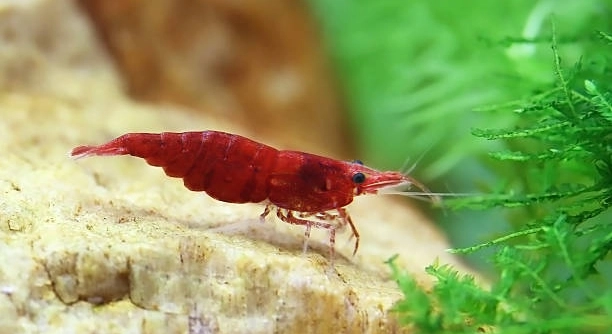
Have you ever noticed your shrimp acting a bit unusual in the tank? Observing their behavior closely can reveal important changes. These small creatures go through molting, and their actions often give subtle early warnings before it happens.
Shrimp exhibit distinct physical and behavioral indicators before molting. Common signs include reduced activity, hiding, color changes, and slight swelling at joints. Recognizing these patterns allows aquarists to ensure a safe environment and minimize stress during this vulnerable stage.
Learning to spot these signs early helps maintain your shrimp’s health. Each behavior provides insight into their condition and prepares you to respond appropriately.
Increased Hiding Behavior
Shrimp often hide more than usual when they are about to molt. They may retreat to corners, plants, or decorations, staying out of sight for longer periods. This behavior helps them avoid predators since their new exoskeleton is soft and vulnerable. Watching your shrimp closely, you might notice them spending more time under rocks or in dense foliage. It’s a natural instinct, and not a sign of illness. Sometimes even shrimp that are normally active will reduce their movement significantly. They may remain still, blending into their environment. Hiding is often accompanied by slower feeding, and they might only come out briefly for necessary activities. Observing these patterns daily can give you clear signals that a molt is approaching. Timing varies depending on species, water conditions, and age, but consistent hiding is a reliable indicator. Creating safe spaces in the tank encourages them to molt without stress.
Hiding allows shrimp to molt safely while reducing stress from other tank mates or environmental changes.
Providing enough plants, rocks, and crevices gives shrimp comfort and security. It also supports healthy molting and reduces injury risks. Monitoring their retreat habits can help you prepare for the molting process and ensure they remain healthy throughout this vulnerable period.
Slight Color Changes
Shrimp may show subtle color changes before a molt. Their body can appear slightly duller or lighter, and some species show a faint translucence at the joints. This change is temporary and indicates the exoskeleton is softening in preparation for shedding. Observing these shifts in color can give a good early warning of an upcoming molt, especially when combined with other behaviors like hiding or reduced activity. While it may seem minor, color changes are a natural part of their molting cycle and not a sign of illness. Temperature, water quality, and diet can also influence the intensity and speed of these color changes. Paying attention to lighting and tank conditions helps you notice these subtle differences more clearly. Monitoring regularly ensures that you can provide optimal care during this vulnerable stage.
Color changes are subtle signals that a shrimp’s exoskeleton is preparing for molting.
Tracking these shifts along with behavior helps aquarists support shrimp health effectively. By adjusting tank conditions and minimizing stress, shrimp can molt safely. Nutritional support, like providing calcium-rich foods or supplements, strengthens their new exoskeleton. Keeping water parameters stable and avoiding sudden disturbances during this stage promotes a smooth molting process. Observation, patience, and careful care can make a noticeable difference, ensuring shrimp stay healthy and continue thriving in their habitat. Understanding these visual cues also helps prevent accidents, such as injuries from tank mates or tank decor. With consistent attention, you can support both the physical and behavioral needs of your shrimp, allowing them to complete their molting cycle with minimal stress.
Reduced Appetite
Shrimp often eat less before a molt. They may skip meals entirely or nibble only occasionally, focusing more on conserving energy. This change is temporary and usually returns after molting, reflecting their body’s preparation for shedding the old exoskeleton.
This reduced appetite happens because their digestive system slows down to redirect energy toward the molting process. Shrimp use most of their resources to soften their old exoskeleton and prepare for growth. During this stage, they may avoid food that is normally attractive, even ignoring favorite snacks. Observing feeding habits daily can provide clear insight into when a shrimp is about to molt. Noticing this behavior alongside hiding or color changes makes it easier to predict an upcoming molt. Maintaining good water quality and minimizing stressors during this period supports shrimp health and ensures they have a smooth molting process.
A consistent drop in feeding is a reliable indicator of an impending molt. During this time, shrimp focus on internal changes rather than external activity. Providing a calm environment, stable water conditions, and minimal disturbances allows them to conserve energy and complete the molting process safely. Supplemental calcium or mineral-rich foods can help strengthen the new exoskeleton once they shed. Keeping the tank clean and stress-free during this sensitive stage is crucial, as disturbances may lead to molting complications. Regular observation of appetite patterns alongside other signs ensures timely care and supports overall shrimp health.
Swelling or Softened Joints
Before molting, shrimp often show swelling or softening in the joints of their legs and tail. These changes are subtle but visible, especially in transparent or lightly colored species.
Swollen joints occur because the shrimp’s body is preparing to shed its old exoskeleton. Fluid builds up under the shell, loosening the connection between segments. This softening allows the shrimp to exit the old exoskeleton with less resistance. Observing these areas closely provides an accurate indicator of an impending molt. Handling shrimp is not recommended during this stage, as their body is fragile and easily damaged. Swollen joints may also make movement slower and more deliberate. Consistently tracking these physical changes helps predict molting and ensures proper care.
Softened joints indicate the shrimp is in the final stage before shedding. Monitoring these changes alongside other signs like hiding and appetite shifts helps ensure the tank environment remains safe. Providing gentle water flow, stable temperature, and minimal disturbances supports successful molting. The exoskeleton will eventually split along the weakened areas, allowing the shrimp to emerge. Supporting this process with calcium-rich foods and keeping water parameters ideal reduces the risk of molting complications. Observing and preparing for these joint changes ensures the shrimp can complete the molt safely and grow properly.
Lethargy
Shrimp often move more slowly before molting. They spend time resting and conserving energy, avoiding unnecessary activity. This lethargy is temporary and usually coincides with other signs like hiding and reduced appetite.
Movement may seem minimal, and shrimp might remain in one spot for extended periods. This helps them prepare for the energy-intensive molting process.
Slight Transparency
Some shrimp show increased transparency in their body before molting. This is due to the softening of the exoskeleton and the buildup of fluid beneath it, making internal structures more visible. Observing this change can help predict an upcoming molt.
Antennae Behavior
Shrimp often twitch or move their antennae more frequently before molting. This activity helps them sense the environment carefully while their body is vulnerable.
How often do shrimp molt?
Shrimp typically molt every few weeks, but the frequency depends on their age, species, and water conditions. Younger shrimp molt more often because they are growing rapidly, sometimes every week. Adult shrimp molt less frequently, often once every month or two. Proper water temperature, diet, and tank conditions can influence how often molting occurs. Stress, poor water quality, or insufficient nutrition can slow down the process. Monitoring the shrimp and maintaining consistent conditions helps ensure that molts happen regularly and safely.
What should I do when my shrimp is about to molt?
When a shrimp is preparing to molt, it is important to minimize stress. Avoid handling them or rearranging tank decorations during this period. Make sure hiding places like plants, rocks, or small caves are available so the shrimp can feel secure. Maintaining stable water parameters and gentle filtration supports the process. Feeding lightly with calcium-rich foods can help strengthen the new exoskeleton. Observing the shrimp quietly ensures you can notice early signs like reduced appetite, hiding, or color changes. Patience and careful observation are the most effective ways to support them.
Can shrimp die during molting?
Yes, shrimp can die during molting if conditions are not ideal. A soft exoskeleton makes them very vulnerable to injury or stress. Aggressive tank mates, sharp objects, or poor water quality can cause complications. Calcium deficiency or inadequate nutrition can also result in incomplete molts, which may be fatal. Monitoring water parameters, providing proper hiding spots, and ensuring a balanced diet reduce risks. Observing shrimp daily allows early intervention if something seems off. Many shrimp successfully molt without issue when their environment is stable and stress-free.
How long does the molting process take?
The actual shedding of the exoskeleton usually takes a few minutes to a couple of hours. However, preparation begins days before the molt, with changes like hiding, reduced feeding, and color shifts. After shedding, the new exoskeleton takes several hours to harden completely. During this time, the shrimp remains fragile and should not be disturbed. Providing a calm environment with minimal water flow and access to shelter ensures a safe recovery. Once the shell hardens, normal activity and feeding resume. Understanding the full timeline helps ensure your shrimp remains healthy throughout the molting process.
Why is my shrimp hiding all the time?
Hiding is a natural behavior, especially before molting. Shrimp instinctively seek shelter to avoid predators while their exoskeleton is soft. Extended hiding can also occur if water quality is poor or if they are stressed by tank mates. Providing plenty of hiding spots reduces anxiety. Observing them closely can help distinguish between molting behavior and potential health issues. Over time, you will notice patterns that indicate when hiding is simply part of the molting cycle. Safe retreats like moss, plants, or small caves encourage successful molting.
Do I need to feed my shrimp differently during molting?
Feeding should be reduced before and during molting because shrimp often eat very little. Focus on providing high-quality, mineral-rich foods that support shell growth, such as calcium supplements or algae-based foods. Avoid overfeeding, as uneaten food can reduce water quality. After molting, increase feeding gradually to help the shrimp recover energy and rebuild strength. Observing individual shrimp feeding habits ensures they get the nutrition they need while minimizing stress and maintaining a clean tank environment.
How can I tell if a molt was successful?
A successful molt is indicated by the shrimp emerging fully from its old exoskeleton and the new shell hardening properly. The shrimp will start moving normally, feeding, and interacting with the environment. The exoskeleton left behind should appear intact. If the shrimp struggles to emerge, appears stuck, or shows deformed appendages, it may have experienced a failed molt. Ensuring proper water quality, nutrition, and hiding spaces greatly improves success rates. Regular observation and careful care before, during, and after molting increase the likelihood of healthy molts every time.
Can multiple shrimp molt at the same time?
Yes, it’s common for multiple shrimp to molt around the same time, especially in tanks with similar age groups or synchronized conditions. While it may look chaotic, each shrimp follows its own timeline, and simultaneous molting is not harmful if the environment is suitable. Make sure there are enough hiding spots and maintain clean water to support all shrimp during this vulnerable stage. Observing interactions and ensuring that no shrimp is stressed or threatened by others helps prevent injuries. Multiple simultaneous molts can be managed effectively with proper tank preparation and care.
What causes delayed molting?
Delayed molting often results from stress, poor water quality, or inadequate nutrition. Low calcium or mineral levels can slow shell development, while high ammonia, nitrite, or sudden temperature changes create unfavorable conditions. Aggressive tank mates can also interfere, causing shrimp to hide excessively and conserve energy. Regular water testing, stable temperatures, and providing mineral-rich food help prevent delays. Observing the shrimp for early warning signs like lethargy or reduced appetite allows timely intervention. Consistent, calm conditions are essential for normal molting cycles and healthy growth.
Is it normal for shrimp to molt more frequently when young?
Yes, young shrimp molt more often because they are growing rapidly. Frequent molts allow their bodies to expand and develop new exoskeletons. As they age, the time between molts increases. Providing optimal nutrition, clean water, and safe hiding spaces ensures that young shrimp molt safely and continue growing properly. Tracking molting patterns helps anticipate care needs and ensures that growth continues without complications. Frequent observation of young shrimp supports healthy development and reduces risks associated with the fragile molting stage.
Molting is a natural and essential part of a shrimp’s life. It allows them to grow, repair damaged parts, and maintain overall health. Observing your shrimp closely can help you notice the early signs, like hiding, reduced appetite, color changes, or lethargy. Each shrimp shows these signs differently, and some changes can be subtle, so patience and attention are important. By understanding these behaviors, you can provide a safe and comfortable environment that supports their molting process without unnecessary stress. Creating spaces where shrimp can retreat, like plants, rocks, or small caves, is helpful. These areas give them security while they go through this vulnerable period.
Water quality also plays a significant role in molting. Stable conditions in terms of temperature, pH, and cleanliness help shrimp molt safely and recover quickly. Sudden changes or poor water quality can lead to complications, such as incomplete molts or weakened exoskeletons. Feeding a balanced diet with essential minerals, especially calcium, strengthens their new exoskeleton and supports healthy growth. Avoid overfeeding, as leftover food can harm water quality, which in turn may affect molting. Regularly monitoring your shrimp and tank conditions ensures you can respond if something seems unusual, making the process smoother for both you and your shrimp.
Molting may seem delicate and complicated at first, but it becomes easier to manage with experience. Watching for changes in behavior, appetite, or appearance allows you to anticipate molting and provide proper care. Each successful molt helps the shrimp grow and stay healthy, and maintaining a calm, supportive environment reduces the risks associated with this stage. Over time, you will recognize patterns and understand your shrimp’s individual needs, which makes caring for them more satisfying. Paying attention, creating safe spaces, and keeping the tank stable are all simple ways to ensure your shrimp can molt naturally and thrive in their habitat.

Hello,
If you enjoy the content that we create, please consider saying a "Thank You!" by leaving a tip.
Every little bit helps us continue crafting quality advice that supports the health, happiness, and well-being of pets around the world, for pets of all shapes, sizes, and species.
We really appreciate the kindness and support that you show us!