
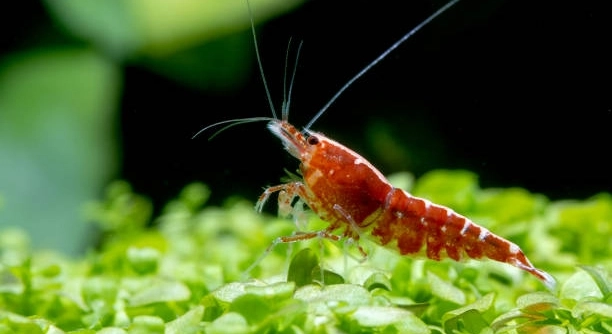
Are your cherry shrimp leaving tiny shells behind in your aquarium? Many shrimp owners notice these discarded molts and wonder why their shrimp seem to return to them repeatedly. It is a normal behavior observed in healthy shrimp.
Cherry shrimp eat their own molts primarily to recycle essential nutrients such as calcium and proteins. This practice supports exoskeleton regeneration, promotes overall growth, and reduces the risk of nutrient deficiencies, contributing to healthier shrimp development and survival.
Understanding this behavior helps maintain a balanced shrimp habitat and ensures your colony stays healthy and active over time.
Why Cherry Shrimp Eat Their Molts
When your cherry shrimp leave their molted shells behind, they aren’t being strange—they are being practical. Eating their molts allows them to reclaim calcium, which is crucial for developing a strong new exoskeleton. Molts also contain proteins and other nutrients that support overall health and growth. This behavior is common in freshwater shrimp and indicates a natural response to their environment. Shrimp in aquariums with limited mineral sources may rely heavily on this practice to maintain proper nutrition. Observing this behavior can reassure you that your shrimp are actively caring for their own needs. Providing a balanced diet with sufficient minerals can reduce excessive reliance on molting, but occasional consumption is entirely normal and beneficial. Even if you see shrimp repeatedly returning to their old shells, it’s a sign of a well-adapted and thriving colony in a stable tank setup.
Eating molts helps shrimp recycle nutrients efficiently. It keeps them healthy and supports new shell growth.
Molting is an essential process in a shrimp’s life cycle. When a shrimp sheds its old exoskeleton, the soft new shell underneath needs nutrients to harden properly. Eating the old molt is the easiest way for the shrimp to absorb these resources quickly. This process reduces the chance of deficiencies and helps maintain overall vitality. Providing calcium-rich supplements and a varied diet ensures your shrimp can grow without relying solely on their molts. Observing shrimp in action gives insight into their natural habits and shows how they manage their health independently. Supporting these behaviors helps create a balanced and thriving aquarium environment.
Factors That Influence Molt Consumption
Diet plays a big role in whether shrimp eat their molts. Shrimp with access to mineral-rich foods may consume fewer shells, while those with limited nutrition return to their molts more often.
Tank conditions, such as water hardness and pH levels, also affect how often shrimp need to eat their molts. Properly maintained water reduces stress and supports healthy exoskeleton development. Stress or inadequate water parameters can lead to delayed or incomplete molting, causing shrimp to consume more of their old shells. Additionally, overcrowding or lack of hiding spaces can make shrimp feel vulnerable, influencing their molting behavior. By monitoring diet, water quality, and habitat setup, you can create conditions that support healthy molting while still allowing shrimp to benefit from their natural nutrient recycling. Observing how shrimp interact with their molts provides valuable feedback on overall tank health and helps you make informed adjustments to their environment.
Signs That Shrimp Are Healthy
Healthy shrimp leave behind clean, intact molts, often returning to consume them within hours. Their movements remain active, and they explore the tank regularly, showing no signs of lethargy or stress. Observing these behaviors helps confirm their overall well-being.
A shrimp’s molting frequency and behavior are good indicators of health. Regular molts with proper consumption show that shrimp are getting enough nutrients. In contrast, damaged or incomplete molts can indicate a deficiency or water quality issue. Healthy shrimp will also display vibrant colors, consistent feeding habits, and social interaction with other shrimp. Maintaining stable water parameters and offering a balanced diet supports these positive behaviors, allowing shrimp to grow steadily and maintain strong exoskeletons. Watching how your shrimp interact with their environment can reveal subtle signs of health or stress.
Molting is delicate, and shrimp often hide during this period. If a shrimp fails to consume its molt, it may still absorb some nutrients from the water. Providing hiding spaces and low-stress conditions encourages successful molting. Overcrowding, sudden water changes, or aggressive tank mates can interfere with molting and lead to incomplete consumption of molts. By observing patterns in behavior, you can detect issues early and make adjustments. Proper nutrition and environmental stability play key roles in ensuring shrimp continue their natural, healthy habits and maintain strong, vibrant exoskeletons.
Preventing Excess Molt Consumption
Ensuring shrimp have a mineral-rich diet reduces their dependence on consuming molts. Supplements like calcium and magnesium support shell hardening naturally.
Providing a balanced diet with algae wafers, blanched vegetables, and specialized shrimp pellets minimizes nutrient gaps. Stable water parameters also prevent stress-related overconsumption of molts. By keeping the tank environment consistent and monitoring nutrition, shrimp can grow without overly relying on their molts. Over time, consistent care supports healthy growth patterns, vibrant coloration, and proper exoskeleton development. Observing these behaviors lets you track how your feeding strategy impacts natural habits.
Common Misunderstandings About Molt Eating
Many shrimp owners think eating molts is a sign of poor health, but it is actually normal behavior. Shrimp recycle nutrients naturally, and occasional consumption shows they are maintaining proper growth and exoskeleton strength.
Some worry that leftover molts attract waste or harm tank hygiene. In reality, eating molts reduces leftover organic matter, helping keep the tank cleaner. It is a natural process that benefits both the shrimp and the aquarium environment, supporting a balanced ecosystem.
How Water Quality Affects Molting
Water parameters directly influence how shrimp molt and consume their shells. Hardness, pH, and temperature all play crucial roles in successful exoskeleton development. Poor water conditions can stress shrimp, slow shell hardening, and increase the need to eat molts for nutrients. Maintaining stable, clean water ensures shrimp can molt safely and efficiently, reducing complications. Consistent water changes, careful monitoring, and avoiding sudden fluctuations create an environment where shrimp thrive. Healthy water conditions not only support proper molting but also enhance shrimp coloration, activity, and overall longevity. By keeping parameters stable, shrimp behavior remains natural, and nutrient recycling through molts remains balanced.
Tank Setup Tips
Providing hiding spots encourages safe molting and reduces stress, allowing shrimp to consume their molts comfortably.
FAQ
Why do cherry shrimp eat their molts immediately after shedding?
Shrimp eat their molts right after shedding to reclaim important nutrients such as calcium and proteins. These nutrients help harden their new exoskeleton and support growth. Eating the molt quickly ensures they absorb the maximum amount before other tank inhabitants or water changes can remove it.
Is it harmful if shrimp eat all their molts?
No, it is not harmful. Consuming molts is a natural and beneficial behavior. It allows shrimp to recycle nutrients efficiently and supports exoskeleton development. Only in cases of nutrient-poor water or severe dietary deficiencies might overconsumption indicate an underlying issue, but this is rare in well-maintained tanks.
Can I prevent shrimp from eating their molts?
You can reduce the frequency by providing a mineral-rich diet, including calcium supplements and algae-based foods. Stable water parameters and a balanced feeding schedule make molts less necessary for nutrient recycling. However, occasional consumption will still occur naturally and is healthy for the shrimp.
Do all shrimp species eat their molts?
Most freshwater shrimp, including cherry shrimp, Amano shrimp, and others, eat their molts. This behavior is common among small crustaceans. The habit ensures they reclaim nutrients that are otherwise lost, supporting growth and survival in both natural and aquarium environments.
What happens if a shrimp doesn’t eat its molt?
If a shrimp leaves its molt uneaten, it may still absorb some nutrients from the water, but it won’t get as much calcium and protein as from eating it. Providing supplemental calcium and a nutritious diet ensures proper exoskeleton development, even when molts are ignored.
Does eating molts indicate a nutritional deficiency?
Not necessarily. While shrimp do eat molts to recover nutrients, occasional consumption is normal even in well-fed shrimp. Frequent or aggressive consumption may indicate limited mineral availability in the water or diet, but it’s usually not a cause for concern if water conditions and feeding are appropriate.
How can I tell if my shrimp are healthy based on their molting?
Healthy shrimp leave behind clean, intact molts and show consistent activity and feeding. Regular molts and proper consumption patterns indicate that shrimp are receiving enough nutrients. Damaged molts, incomplete shedding, or lethargy may signal stress, poor water quality, or dietary issues.
Are there signs of over-molting in shrimp?
Over-molting is uncommon in a stable tank but can occur if shrimp are stressed or exposed to rapid changes in water conditions. Frequent molts without proper nutrition may weaken shrimp, making them more susceptible to disease. Maintaining stable water parameters and offering a balanced diet prevents over-molting.
Should I remove uneaten molts from the tank?
It is generally unnecessary. Uneaten molts are biodegradable and may eventually decompose in the tank. Some shrimp may return to consume them later. Removing them is only needed if excessive debris is causing water quality issues or if you want to maintain a very clean display tank.
Do shrimp prefer eating their own molts over other food?
Yes, shrimp often prioritize their own molts because they are an immediate source of nutrients the shrimp specifically need. While they will continue to feed on pellets, algae, and vegetables, molts provide concentrated calcium and protein that supports exoskeleton growth efficiently.
How often should shrimp molt?
Molting frequency varies based on age, species, and water conditions. Younger shrimp molt more frequently, sometimes weekly, while adults molt less often. Observing your shrimp’s activity and molt patterns can help you understand their growth stage and overall health.
Can molting behavior change with tank conditions?
Yes. Poor water quality, temperature fluctuations, or inadequate nutrition can slow molting or make shrimp consume more molts for nutrients. Stable conditions, hiding spaces, and a consistent diet help maintain normal molting patterns and reduce stress-related behaviors.
Is it normal for multiple shrimp to eat the same molt?
Yes, in community tanks, multiple shrimp may feed on the same molt. This behavior is natural and allows all shrimp to access nutrients. Ensuring there are enough supplemental foods prevents competition and supports healthy growth for all tank inhabitants.
Do shrimp ever reject their molts?
Occasionally, a shrimp may leave its molt uneaten, often due to sufficient nutrition or minor stress. This is not concerning if the shrimp remains active and healthy. Uneaten molts may decompose or be consumed later.
How can I encourage healthy molting?
Maintain clean, stable water conditions, provide a nutrient-rich diet, and include hiding spots. Regular monitoring and gentle handling help reduce stress. Healthy molting ensures strong exoskeletons, proper growth, and vibrant coloration in your cherry shrimp.
What role does tank vegetation play in molting?
Plants provide hiding spaces that make shrimp feel secure during vulnerable molting stages. Mosses and dense foliage allow shrimp to molt without disturbance, reducing stress and increasing the likelihood of proper molt consumption.
Does lighting affect molting behavior?
Indirectly. While lighting doesn’t directly cause molting, consistent day-night cycles support overall shrimp health. Excessive or irregular lighting can stress shrimp, potentially affecting feeding and molting behaviors. Balanced lighting helps maintain a calm and healthy environment.
Can molting behavior indicate water chemistry problems?
Yes, frequent incomplete molts, damaged shells, or unusual consumption patterns may indicate low calcium, unstable pH, or poor water hardness. Testing and adjusting water parameters can restore normal molting and nutrient recycling behaviors.
How long after molting should a shrimp eat its shell?
Shrimp typically consume their molt within a few hours, sometimes sooner. Quick consumption ensures they recover maximum nutrients for exoskeleton hardening. Observing this timing helps monitor normal behavior and overall shrimp health.
Are there signs a shrimp is struggling to molt?
Difficulty shedding, incomplete molts, or visible damage to the new exoskeleton indicate stress or nutrient deficiency. Providing extra hiding spots, stable water, and calcium-rich foods helps shrimp complete the molting process successfully.
Can molting behavior affect shrimp breeding?
Yes, proper molting and nutrient recycling are critical for reproductive health. Healthy molts ensure females have the resources to develop eggs and maintain overall vitality, supporting successful breeding and colony growth.
Do baby shrimp (shrimplets) eat their molts too?
Yes, baby shrimp also consume their molts. It provides essential nutrients for rapid growth and exoskeleton development. Young shrimp molt more frequently and rely heavily on this nutrient recycling for survival and healthy development.
Is it normal for shrimp to hide while eating molts?
Absolutely. Molting and consuming molts make shrimp vulnerable, so hiding ensures safety. Providing plants, rocks, or moss creates secure areas where shrimp can complete this process without disturbance.
How can I tell if a shrimp’s molt was successful?
A clean, intact shell left behind indicates a successful molt. The new exoskeleton should harden over the next few hours. Shrimp remaining active and returning to normal feeding habits confirms successful molting.
Do shrimp eat molts from other shrimp?
Yes, shrimp will sometimes consume molts from tank mates. This allows all shrimp access to nutrients. Ensuring supplemental calcium and a balanced diet prevents competition and keeps the tank environment healthy.
Can I use calcium supplements to reduce molt eating?
Yes, providing calcium-rich foods or water additives can reduce the need for shrimp to rely solely on their molts. Supplements support exoskeleton growth and overall health, particularly in tanks with soft or low-mineral water.
How long does it take for a shrimp’s new exoskeleton to harden?
Typically, a shrimp’s new shell hardens within 24-48 hours, depending on water temperature and mineral availability. During this time, nutrients from consumed molts and supplemental foods support proper hardening and strength.
Does stress affect molt consumption?
Yes, stressed shrimp may consume more molts or fail to molt properly. Reducing sudden changes, providing hiding spaces, and maintaining stable water parameters help minimize stress and promote normal molting behavior.
Can I leave shrimp molts in the tank for decoration?
Technically yes, but molts decompose over time. Leaving them can add minor organic matter, but in a well-maintained tank, they usually disappear naturally or are consumed by shrimp. Regular observation ensures they don’t affect water quality.
Do shrimp ever store their molts?
No, shrimp consume or leave their molts behind. They do not store them. Nutrient recycling occurs immediately after shedding, so storing would not provide additional benefit.
How often should I check on molting behavior?
Daily observation is ideal, especially during peak molting periods. Watching shrimp ensures they are healthy, molts are consumed, and any issues with water quality or nutrition are detected early.
Can other tank inhabitants interfere with molt consumption?
Yes, snails or fish may eat molts before shrimp can. Providing hiding spaces and monitoring interactions ensures shrimp have access to the nutrients they need for healthy growth.
What’s the best way to support shrimp during molting?
Provide a calm, stable environment with hiding spots, a nutrient-rich diet, and consistent water conditions. This minimizes stress and allows shrimp to complete molting and consume their molts naturally.
Do shrimp eat molts when they are sick?
Sick shrimp may eat less or avoid their molts. Observing changes in behavior, lethargy, or discoloration signals potential health issues requiring water quality checks and proper care.
Can too many shrimp in a tank affect molting?
Overcrowding increases stress and competition for nutrients, potentially leading to irregular molting or excessive molt consumption. Maintaining an appropriate shrimp density supports healthy growth and proper molting behavior.
Are there seasonal changes in molting behavior?
In stable indoor aquariums, seasonal changes are minimal. However, minor temperature fluctuations can slightly affect molting frequency, but with proper tank care, shrimp behavior remains consistent throughout the year.
Do shrimp eat molts at night or during the day?
Shrimp usually consume molts soon after shedding, regardless of the time. Activity patterns may vary slightly, but nutrient recovery from molts remains a priority whenever they molt.
Can I feed shrimp too much and affect molting?
Overfeeding can reduce shrimp interest in their molts but may cause water quality issues. Balanced feeding ensures shrimp get supplemental nutrients without negatively impacting tank conditions.
Do shrimp eat molts if there’s plenty of food?
Yes, even with abundant food, shrimp often eat their molts because they contain concentrated nutrients essential for exoskeleton development that regular food alone may not fully provide.
How long should I wait before adding new shrimp after molting?
New additions should be introduced once existing shrimp have hardened their exoskeletons. This prevents stress and protects delicate, newly molted shrimp from aggressive interactions.
Is eating molts a sign of a thriving tank?
Yes, normal molt consumption indicates shrimp are active, healthy, and recycling nutrients efficiently. Observing this behavior shows that the tank provides a suitable environment for growth and development.
Can I encourage shrimp to molt more safely?
Yes, provide stable water, hiding spots, and a nutrient-rich diet. Reducing stress ensures successful molts and healthy consumption of molts, supporting overall shrimp vitality.
Do all molts get eaten immediately?
Not always. Some molts remain for hours or longer. Shrimp may return later to consume them, or they may decompose gradually. Both outcomes are normal and safe in a healthy tank.
What should I do if a shrimp is stuck in its molt?
Gently ensure water conditions are stable and provide hiding spaces. If a shrimp is visibly trapped, careful intervention may be needed, but most shrimp will eventually free themselves naturally with patience and stable water.
Does the size of the shrimp affect molting behavior?
Yes, smaller or younger shrimp molt more frequently and often eat their molts more readily. Larger adults molt less often, and their behavior may appear more deliberate and slower during nutrient recovery.
Are there signs that shrimp are over-consuming molts?
Over-consumption is rare. Watch for excessive aggression toward other molts or signs of stress. Ensuring balanced nutrition and stable water reduces the need for shrimp to rely entirely on molts for nutrients.
Can shrimp survive without eating their molts?
Yes, if their diet and water provide sufficient minerals. Molt consumption supplements nutrition but is not strictly necessary in well-maintained, nutrient-rich tanks.
Do shrimp share molts with others?
They may feed alongside tank mates, allowing multiple shrimp to access nutrients. This communal behavior helps ensure everyone gets calcium and protein without conflict.
Is it normal for some shrimp to ignore molts?
Yes, individual shrimp may skip consuming molts. As long as they are active, healthy, and growing, this behavior is not concerning. Individual preferences and adequate nutrition explain these variations.
How do I know if a shrimp’s exoskeleton hardened properly?
A hardened shell is firm, smooth, and supports normal swimming and feeding. Soft or bent exoskeletons indicate incomplete hardening, signaling a need to check water quality, nutrition, or stress levels.
Can lighting or decoration impact molt consumption?
Yes, hiding spots, moss, and rocks allow shrimp to feel secure while consuming molts. Balanced lighting reduces stress and supports normal activity, encouraging safe and efficient nutrient recovery.
Do shrimp eat molts from snails or other creatures?
Shrimp rarely eat snail shells, as they are too hard and lack necessary nutrients. They focus on their own or other shrimp molts for calcium and protein.
Are there signs a shrimp is not getting enough calcium?
Thin or deformed shells, frequent incomplete molts, or weak exoskeletons indicate insufficient calcium. Providing supplements or calcium-rich foods addresses deficiencies and supports proper growth.
How can I monitor molting behavior effectively?
Daily observation and noting molt frequency, condition, and consumption helps track shrimp health. Consistent monitoring lets you detect issues early and adjust diet or water conditions as needed.
Do shrimp eat molts differently in planted vs. bare tanks?
Planted tanks provide more security, reducing stress and encouraging natural feeding on molts. Bare tanks may make shrimp feel exposed, potentially delaying consumption or increasing hiding behavior.
Can stress cause shrimp to reject their molts?
Yes, stress from poor water, overcrowding, or aggressive tank mates can lead shrimp to avoid consuming molts. Reducing stress factors restores natural behavior.
Is it normal for shrimp to eat molts in groups?
Yes, shrimp may gather around a freshly shed molt. This behavior ensures that multiple shrimp can access essential nutrients efficiently, supporting colony health.
Do shrimp need extra calcium if they eat molts?
Supplemental calcium helps strengthen new exoskeletons but is often not necessary if shrimp regularly consume their molts and have a balanced diet. It’s helpful in soft water tanks.
Can molting behavior predict breeding success?
Proper molting and nutrient recycling support reproductive health. Healthy females with strong exoskeletons are more likely to carry and protect eggs successfully.
How long after a molt can I expect the shrimp to eat it?
Shrimp usually eat molts within a few hours. Observing this timing confirms normal behavior and ensures nutrient recovery occurs efficiently.
Do water temperature fluctuations affect molt consumption?
Yes, sudden changes can stress shrimp, delaying molting or increasing consumption of molts. Stable temperature encourages regular, healthy molting patterns.
Are there any risks if shrimp do not eat their molts?
If shrimp ignore their molts but have a mineral-rich diet, risks are minimal. Nutrient deficiencies may occur in low-calcium water, so monitoring diet and water quality is important.
Do shrimp eat molts more during certain life stages?
Yes, juveniles molt frequently and consume more molts for rapid growth. Adults molt less often and may consume fewer molts but still benefit from nutrient recycling.
How can I safely intervene if a shrimp struggles with molting?
Ensure water quality is stable, provide hiding spots, and maintain proper nutrition. Only in extreme cases should manual assistance be considered, as most shrimp complete molting naturally.
Do shrimp eat molts from other tanks?
Shrimp only consume molts present in their own environment. Nutrient recycling occurs locally and cannot be replicated across separate tanks.
Can overfeeding affect molt consumption habits?
Overfeeding may slightly reduce interest in molts but can cause water quality issues. Balanced feeding ensures shrimp get supplemental nutrients without relying solely on molts.
How does shrimp size influence molt consumption?
Smaller shrimp eat more molts relative to body size due to rapid growth needs. Larger adults molt less often but still consume molts to maintain exoskeleton health.
Are there any long-term effects of regular molt consumption?
Regular molt consumption is natural and beneficial. It supports strong exoskeletons, healthy growth, and vibrant coloration without adverse long-term effects when combined with proper diet and water care.
Do shrimp ever store molts for later?
No, shrimp consume or leave molts behind. Immediate consumption maximizes nutrient absorption and supports the exoskeleton hardening process.
Is it normal for shrimp to fight over a molt?
Minor competition can occur, but serious conflict is uncommon. Providing adequate hiding spots and supplemental food reduces disputes and ensures all shrimp benefit.
Can shrimp overconsume molts in a high-density tank?
Yes, overcrowding can increase competition for nutrients, potentially leading to overconsumption. Proper stocking density and diet balance prevent stress and support healthy behavior.
Do shrimp eat molts from dead tank mates?
They may scavenge nutrients from deceased shrimp, but this is different from regular molt consumption and indicates a need to monitor tank health and population.
How can I tell if my tank has enough calcium?
Healthy molts, strong shells, and minimal deformities indicate sufficient calcium. Test kits and supplements can correct low levels and support proper exoskeleton growth.
Do shrimp eat molts more during certain times of the day?
Consumption usually occurs soon after molting, independent of day or night cycles. Activity patterns may vary, but nutrient recovery remains the priority.
Are uneaten molts harmful to the tank?
No, they decompose naturally or are eventually consumed. Only in extreme cases might accumulation affect water quality, but regular maintenance prevents this.
How long should I observe shrimp after a molt?
Monitor shrimp for 24-48 hours to ensure the new exoskeleton hardens properly and that the shrimp consume the molt as needed.
Can shrimp eat molts from other species?
Shrimp generally prefer their own or other shrimp molts. Other species’ shells often lack the necessary nutrients or are too hard to consume.
Does shrimp age affect molt eating frequency?
Yes, younger shrimp molt and consume molts more frequently for growth, while adults molt less often but still benefit from nutrient recycling.
Can stress from tank changes affect molting?
Yes, sudden water changes, temperature shifts, or aggressive tank mates can delay molting or increase molt consumption. Stable conditions help maintain normal behavior.
Do shrimp ever ignore molts completely?
Some shrimp may leave a molt untouched, usually if they already have sufficient nutrients. This behavior is normal and not a cause for concern.
How do I support shrimp in a low-calcium tank?
Provide calcium supplements, mineral-rich foods, and ensure proper water hardness. These steps reduce reliance on molt
Cherry shrimp eating their own molts is a natural and healthy behavior that supports their growth and overall well-being. Observing this behavior in your aquarium can reassure you that your shrimp are actively maintaining their own health. Molts contain important nutrients such as calcium and proteins, which are essential for hardening new exoskeletons and supporting growth. When shrimp consume their molts, they are effectively recycling these nutrients in a way that helps them develop strong shells and maintain vitality. Even in a well-maintained tank with sufficient dietary supplements, shrimp may still return to their molts. This shows that the behavior is not just about survival, but also about efficiently using available resources. It is part of their instinctive habits, ensuring that they remain healthy in an aquatic environment where nutrients might otherwise be limited.
Maintaining the right tank conditions is key to supporting proper molting and molt consumption. Stable water parameters, including appropriate hardness, pH, and temperature, provide the ideal environment for shrimp to molt safely and efficiently. Stressful conditions, such as sudden temperature changes, overcrowding, or aggressive tank mates, can interfere with molting and lead to incomplete or problematic molts. Providing hiding spaces like moss, plants, or decorative rocks gives shrimp a sense of security while they shed their old exoskeletons and consume their molts. Nutrition also plays a significant role. A balanced diet, including shrimp-specific pellets, algae, and occasional calcium-rich supplements, ensures that shrimp have access to essential nutrients even without relying solely on their molts. Observing your shrimp regularly allows you to monitor their health and identify potential issues early, ensuring that their molting process continues to support growth and vitality.
Understanding shrimp behavior can help you provide a healthy and thriving aquarium. While eating molts might seem unusual or off-putting at first, it is a normal and beneficial activity. Recognizing this behavior as a positive indicator of health allows you to focus on providing the right care, including a stable environment, balanced diet, and stress-free conditions. Proper attention to these factors helps prevent nutrient deficiencies, supports strong exoskeleton development, and encourages natural behaviors. Over time, maintaining these standards creates a thriving habitat where shrimp can grow, reproduce, and remain active. Observing your shrimp consume their molts can also give insight into their overall health and the effectiveness of your tank management. By supporting their natural habits, you help ensure that your cherry shrimp remain healthy, vibrant, and resilient for years to come.

Hello,
If you enjoy the content that we create, please consider saying a "Thank You!" by leaving a tip.
Every little bit helps us continue crafting quality advice that supports the health, happiness, and well-being of pets around the world, for pets of all shapes, sizes, and species.
We really appreciate the kindness and support that you show us!