
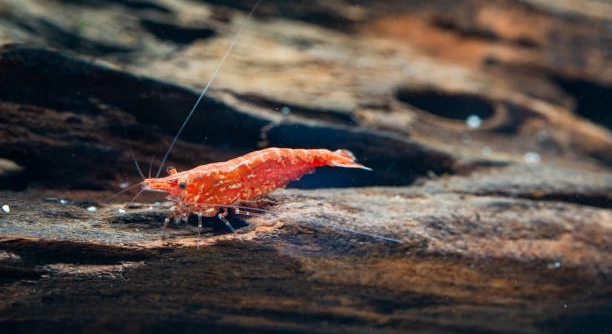
Do you ever notice your cherry shrimp moving slower in a large tank than in a smaller one? Many hobbyists enjoy watching them explore, but their behavior can change depending on their environment and space.
Cherry shrimp can appear lazy in large tanks because they have more space to roam and fewer interactions with other shrimp. The abundance of hiding spots and dispersed food can reduce their activity, leading to slower movements and less frequent exploration overall.
Observing these subtle changes can help you understand their needs better and improve the setup of your aquarium for healthier shrimp.
How Tank Size Affects Cherry Shrimp Activity
Larger tanks give cherry shrimp more room to move, but this extra space can make them seem less active. In smaller tanks, shrimp are constantly encountering plants, decorations, and other shrimp, which keeps them moving. In bigger tanks, they often find a comfortable spot and settle there. Hiding places, moss, and plants give them security, so they spend more time resting. Food distribution also matters; in a large tank, food is spread out, so shrimp may only move when they need to eat. Temperature and water flow can influence their energy, too. If the current is mild, they might drift along instead of actively swimming. Lighting affects activity, as shrimp are more active during certain periods of the day. Watching them adapt to these conditions can be interesting. Over time, you may notice patterns where they move less, but their health remains stable.
Even if they seem slow, cherry shrimp in larger tanks are generally healthy and not stressed.
Understanding these activity patterns helps you plan tank decorations, feeding schedules, and water flow, ensuring shrimp remain comfortable and well-stimulated without overexertion. Large tanks allow natural behaviors like grazing and hiding, which is important for their wellbeing. Adjusting food placement and observing their preferred spots encourages gentle movement, keeping shrimp active without causing stress. Choosing plant types and moss that attract them to different areas can also help maintain moderate activity levels. By noticing how they respond to space, you can create an environment that balances safety, comfort, and stimulation. Over time, these observations make caring for them easier, allowing you to enjoy watching their natural habits.
Observing Signs of Laziness
Shrimp may appear lazy when they consistently stay in one area.
Some cherry shrimp move slowly due to age, molting cycles, or water quality. Older shrimp naturally have less energy, and molting requires them to rest beforehand. Low water quality, such as elevated ammonia or low oxygen, can also reduce activity. In larger tanks, these factors are amplified because shrimp may settle far from optimal spots, making movement less frequent. Monitoring water parameters and maintaining stable conditions is key. Introducing plants and decorations that encourage exploration can help balance their energy. Observing their behavior over time allows you to see patterns, such as periods of rest and activity. Ensuring proper nutrition and evenly distributed food supports gentle movement without stress. By combining careful observation with tank adjustments, you can maintain shrimp activity while respecting their natural tendencies, keeping them healthy and content.
Feeding Habits in Large Tanks
Cherry shrimp may take longer to find food in a large tank, which can make them seem less active. They often eat only when they come across it, spreading out their movements throughout the day.
Food distribution in large tanks affects shrimp behavior. When flakes or pellets sink in different areas, shrimp must search more to eat. This can reduce visible activity since they rest while digesting and conserve energy. Uneven feeding can lead to some shrimp staying in one spot for long periods. Using multiple feeding points encourages gentle movement, allowing them to graze naturally without overexertion. Observing how shrimp explore during feeding can give insight into their energy levels and help plan feeding schedules.
Providing small, frequent meals in several spots helps maintain consistent activity. It reduces competition and allows shrimp to move naturally while foraging. Moss and plants can trap food, encouraging shrimp to explore different areas. Over time, this setup creates a balanced environment where shrimp remain healthy and active without stress, even in a larger tank.
Environmental Factors That Influence Activity
Water temperature and flow have a direct impact on shrimp movement and energy levels. Warmer temperatures increase activity, while colder water slows them down. Stable conditions keep shrimp healthy and predictable.
Light, decorations, and hiding spots also shape shrimp behavior. Bright lights can make them more cautious, prompting them to stay in shaded areas. Plants, moss, and rocks provide security, but too many can reduce movement if shrimp feel safe in one spot. Gentle water flow encourages swimming, while strong currents may cause stress. Monitoring these factors allows you to adjust the tank for balanced activity. Shrimp respond to changes slowly, so gradual adjustments are best.
Even minor environmental changes can noticeably affect shrimp activity. Adjusting lighting schedules, water flow, and placement of plants helps maintain a dynamic yet safe environment. Shrimp explore differently depending on where food, cover, and open space are available. By observing their responses, you can fine-tune tank conditions to keep them moving naturally. Over time, this creates a stable routine where shrimp exhibit normal behaviors, from grazing to interacting with others, without overexertion or stress.
Social Behavior and Tank Size
In large tanks, cherry shrimp may interact less frequently with each other. The extra space reduces encounters, making them appear more solitary and less active than in smaller setups.
Shrimp often spread out to find food or hiding spots. This distance naturally lowers visible activity, but it doesn’t indicate poor health or stress.
Molting and Energy Levels
Molting requires shrimp to rest and conserve energy. In bigger tanks, they may choose secluded areas to molt, reducing their movement for hours or even days. During this time, they are vulnerable, so hiding is essential. Observing molting patterns helps understand natural inactivity without causing concern.
Tank Maintenance and Shrimp Activity
Regular water changes, cleaning, and monitoring parameters are essential. Poor maintenance can reduce shrimp energy and activity.
FAQ
Why do my cherry shrimp seem lazy in a large tank?
Cherry shrimp may appear lazy in large tanks because they have more space and fewer interactions with other shrimp. They often find a comfortable spot and settle, conserving energy. Hiding places, plants, and moss encourage resting, while food spread across the tank reduces constant movement.
Is it harmful if they move slowly?
Slow movement is not necessarily harmful. Shrimp conserve energy naturally, especially when they feel safe. As long as they eat regularly, molt normally, and show no signs of disease, occasional inactivity is normal. Monitoring their behavior over time ensures they remain healthy.
Can tank decorations affect shrimp activity?
Yes, decorations like plants, rocks, and moss provide hiding spots that can reduce visible movement. In large tanks, excessive cover can make shrimp stay in one area. Adjusting placement to encourage exploration helps maintain balanced activity without stressing them.
How does water flow impact their movement?
Gentle water flow encourages swimming and exploration. Strong currents can stress shrimp, causing them to hide and move less. Observing how they respond to water flow helps you set appropriate filtration and aeration levels, promoting healthy activity.
Does lighting affect their behavior?
Light impacts shrimp activity. Bright lights can make them cautious, prompting them to stay in shaded areas. Low to moderate lighting encourages natural grazing and movement. Maintaining a consistent light schedule supports healthy daily patterns.
How does feeding influence their energy?
Food placement and frequency directly affect activity. In large tanks, spreading small portions across multiple locations encourages movement. Overfeeding or concentrating food in one area can cause shrimp to stay in a single spot, reducing overall activity.
Do older shrimp move less?
Yes, older shrimp naturally have lower energy levels. They may spend more time resting, especially in large tanks where space allows it. Observing their overall health and eating habits is more important than focusing solely on activity levels.
Can water quality make them lazy?
Poor water quality can significantly reduce shrimp activity. High ammonia, nitrites, or low oxygen levels cause lethargy. Maintaining stable parameters with regular testing, cleaning, and partial water changes ensures shrimp remain energetic and healthy.
Does tank size alone cause laziness?
Tank size influences behavior but does not inherently cause laziness. Large tanks allow shrimp to spread out and conserve energy. Activity changes are natural adaptations to space, hiding spots, and food distribution rather than a sign of poor health.
How can I encourage more movement?
Encouraging movement involves adjusting food placement, arranging plants and decorations to promote exploration, and ensuring gentle water flow. Monitoring daily behavior helps you make small changes, keeping shrimp active without causing stress. Natural grazing, molting, and resting patterns should always be respected.
Are social interactions important for activity?
Yes, social behavior affects movement. In small tanks, frequent encounters increase activity. In larger tanks, shrimp may interact less, appearing solitary. Introducing enough shrimp and arranging hiding spots to create safe, accessible areas encourages natural social interactions and balanced movement.
Can temperature changes affect activity?
Water temperature directly influences energy levels. Warmer temperatures generally increase activity, while colder water slows them down. Keeping temperature stable within their preferred range supports consistent movement and overall health. Gradual adjustments are safer than sudden changes.
Is it normal for shrimp to rest for long periods?
Yes, resting is part of normal behavior. In large tanks, shrimp may rest more due to abundant hiding spots and reduced competition. Observing resting patterns alongside feeding and molting habits ensures you distinguish normal inactivity from potential health issues.
How do I know if slow movement is a problem?
Slow movement is concerning if it’s accompanied by poor appetite, abnormal coloring, erratic swimming, or signs of disease. Monitoring shrimp regularly, maintaining water quality, and providing proper nutrition help distinguish natural inactivity from a health issue.
Can adding more shrimp increase activity?
Introducing more shrimp can increase interactions and movement, especially in larger tanks. However, avoid overcrowding, as it can create stress and competition. Balance population size with tank space, hiding spots, and feeding areas to maintain healthy activity levels.
Does molting affect how active they are?
Yes, molting temporarily reduces activity. Shrimp rest before and after molting to protect their soft exoskeleton. In large tanks, they often hide during this period. Understanding molting cycles helps differentiate normal inactivity from other causes of laziness.
Are certain species more active than others?
Yes, activity levels vary by species. Cherry shrimp are moderately active, while some other shrimp species move more or less frequently. Knowing your shrimp’s natural behavior helps you set realistic expectations for activity in any tank size.
What else can I do to monitor their behavior?
Keep a simple log of feeding, movement, and molting patterns. Observing where they rest and explore provides insights into their energy levels and comfort. Small adjustments to tank setup, food distribution, and environmental conditions support balanced activity and overall health.
How long does it take for them to adapt to a large tank?
Shrimp usually take a few days to a week to adjust. During this time, they explore, find hiding spots, and establish feeding patterns. Patience is important; activity levels may fluctuate until they feel fully comfortable in the new environment.
Are there signs they are happy and healthy despite seeming lazy?
Yes, eating regularly, molting normally, interacting occasionally, and showing normal coloring are signs of good health. Even if movement seems slow, these behaviors indicate they are adapting well to the large tank and living comfortably.
Final Thoughts
Cherry shrimp can appear lazy in large tanks, but this behavior is often normal. The extra space allows them to spread out and find safe spots where they can rest. In smaller tanks, they are constantly moving and exploring because they encounter more obstacles, decorations, and other shrimp. In larger tanks, they can settle into a comfortable area and conserve energy without it affecting their overall health. Observing them over time helps to understand their natural patterns, including periods of activity and rest. It is important to remember that movement alone is not a reliable measure of health. Shrimp that rest more in large tanks may still be eating well, molting normally, and showing proper coloration, which are stronger indicators of wellbeing.
Environmental factors in large tanks play a significant role in shrimp activity. Water temperature, flow, and lighting all influence how often shrimp move. Warmer water encourages more activity, while colder temperatures slow them down. Gentle water flow helps them swim and explore naturally, while strong currents can stress them and cause them to hide. Lighting affects how safe they feel; bright lights may encourage them to stay in shaded areas, while moderate lighting supports grazing and normal exploration. Decorations, moss, and plants provide hiding spaces that are essential for safety, but too many can limit movement if shrimp feel completely secure in one spot. Adjusting these factors thoughtfully can help maintain balanced activity without causing stress.
Feeding and social behavior also impact how active shrimp appear in large tanks. Food that is spread out across multiple locations encourages gentle movement, while concentrated feeding spots can lead to longer periods of inactivity. Frequent small feedings are more effective than a single large meal, allowing shrimp to graze naturally and remain engaged. Social interactions are less frequent in larger tanks, but this does not mean they are unhappy or unhealthy. Some shrimp prefer solitude, and even occasional interactions are enough to keep them stimulated. By monitoring feeding patterns, observing molting, and noting resting spots, you can better understand their behavior and create a supportive environment. Providing proper water quality, stable temperature, and thoughtful tank layout ensures shrimp remain healthy, comfortable, and capable of natural movement, even if they seem less active in a larger space.

Hello,
If you enjoy the content that we create, please consider saying a "Thank You!" by leaving a tip.
Every little bit helps us continue crafting quality advice that supports the health, happiness, and well-being of pets around the world, for pets of all shapes, sizes, and species.
We really appreciate the kindness and support that you show us!