
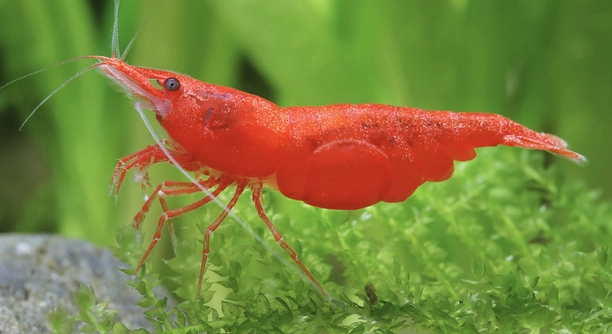
Are your cherry shrimp living in a brightly lit aquarium, making you wonder if the light affects their health and behavior? Bright white lights can feel harsh in small, sensitive tanks, especially for delicate shrimp.
Cherry shrimp can tolerate bright white lights for short periods, but prolonged exposure may cause stress, reduced activity, and faded coloration. Providing shaded areas and moderate lighting helps maintain their health, encouraging natural behavior and overall well-being.
Understanding how light affects your shrimp will help you create a comfortable environment. Small adjustments can make a big difference in keeping them happy and vibrant.
Effects of Bright White Lights on Cherry Shrimp
Bright white lights can be stressful for cherry shrimp, especially if the aquarium has no hiding spots. These shrimp are naturally used to dimmer environments, and constant exposure to intense light can cause them to hide more or reduce their activity. Some shrimp may even lose their vibrant color over time when exposed to prolonged bright lighting. Light intensity affects their behavior, molting cycles, and feeding patterns. It’s important to balance lighting so they feel safe while still supporting plant growth. Adding plants, moss, or decorations can give them areas to retreat when the light feels too strong. I noticed in my own tank that shrimp became noticeably more active and colorful when I provided shaded areas, even under a bright LED setup. Observing their reactions over a few weeks can help you find the right lighting balance.
Proper tank setup with shadows can make shrimp more comfortable and reduce stress significantly.
Bright white lights may support plants, but shrimp comfort should take priority. Ensuring areas of dim light allows them to feed and move without fear. Adjusting the lighting schedule can reduce stress, and adding floating plants or ornaments can help break the intensity of the light. Over time, shrimp will adapt better if they have control over where they hide and explore. Watching their behavior under different lighting setups is a simple way to make adjustments. Even small changes, like moving a lamp or adjusting intensity, can improve shrimp health and coloration. Their natural behavior will return when they feel safe, which helps maintain a balanced and lively aquarium.
Managing Light Exposure
Limiting the amount of bright light each day helps shrimp stay healthy and active.
Gradually increasing light exposure while providing shaded spots is key for cherry shrimp. Too much sudden brightness can lead to stress, so starting with shorter light periods and slowly extending them helps shrimp adjust. It is helpful to monitor water temperature and clarity as well, because these factors interact with lighting to affect shrimp behavior. Floating plants, decorations, or moss mats are excellent tools for creating shade without reducing overall light for plants. I’ve found that using a timer to regulate light duration keeps conditions consistent and reduces sudden changes. By carefully managing light exposure, shrimp stay more vibrant, active, and visible in the aquarium. This approach also benefits plants and other tank inhabitants, creating a balanced, low-stress environment that supports natural behaviors. Adjustments should be made gradually, observing shrimp reactions, so they can feel secure while enjoying proper lighting conditions.
Adjusting Light Intensity
Using dimmers or adjustable LED lights makes it easier to control brightness for shrimp. Lowering the intensity during the day helps reduce stress and encourages natural activity.
I started adjusting my tank lights gradually and noticed a big difference in shrimp behavior. When the lights were too bright, shrimp often hid for hours and rarely explored the tank. Reducing the brightness made them more active and allowed them to feed comfortably. Combining moderate lighting with plenty of plants and decorations created a safer environment. Over time, the shrimp adapted well, showing brighter colors and more natural movements. Watching them adjust to small changes helped me understand their comfort level and balance light for both plants and shrimp without causing unnecessary stress.
Too bright lights can fade colors and disrupt molting. Gradually adjusting intensity, combined with shaded areas, ensures shrimp remain healthy and active, promoting overall tank balance. Observing their reactions helps you find the optimal light level that supports both shrimp and plant growth without causing discomfort.
Using Timers for Consistency
Timers prevent sudden changes in light exposure, creating a stable environment for shrimp and plants.
Setting a timer helped me keep a consistent day-night cycle, which greatly improved shrimp activity. Cherry shrimp respond well to predictable light patterns, reducing stress and encouraging feeding and social behavior. With the timer, I could simulate natural daylight cycles, allowing shrimp to rest and be active at proper times. Consistency also helps plants thrive without overexposure, maintaining water quality and clarity. Gradually increasing the light period during the day while using shaded spots prevents overstimulation. Timers are an easy way to maintain balance, ensuring shrimp are comfortable and display vibrant coloration naturally.
Providing Hiding Spots
Adding plants, moss, or decorations creates areas for shrimp to retreat when lights are too bright. These spots reduce stress and encourage natural behavior.
I noticed that after adding a few moss balls and small caves, my shrimp spent less time hiding and more time exploring. They looked calmer and more vibrant.
Choosing the Right Plants
Floating plants or dense foliage provide shade while still allowing light for other plants. They create a more comfortable environment for shrimp, reducing exposure to intense brightness and helping maintain natural activity levels.
Observing Shrimp Behavior
Watching how shrimp react to different lighting helps you adjust intensity, duration, and shaded areas. Regular observation ensures they remain healthy and active.
FAQ
Are cherry shrimp harmed by bright white lights?
Bright white lights can stress cherry shrimp if exposure is prolonged. Short periods usually don’t cause harm, but constant, intense light may make them hide, reduce activity, and fade their color. Providing shaded areas and moderate intensity helps them adjust and stay healthy.
How long can cherry shrimp stay under bright lights?
Cherry shrimp can tolerate bright lighting for a few hours each day, especially if the tank has hiding spots. Extending this period increases stress and may impact their behavior, coloration, and feeding. Gradual exposure and consistent light cycles improve adaptation.
Do bright lights affect shrimp molting?
Yes, intense lighting can disrupt molting cycles. Stressed shrimp may delay or skip molting, which can lead to health issues. Dimmed light and shaded areas support normal molting patterns, allowing shrimp to grow properly without unnecessary stress.
Can plants help reduce light stress for shrimp?
Plants are excellent for creating natural shade. Floating plants, moss, or dense foliage provide shelter from direct light. In my own tank, adding moss balls helped shrimp feel safe and more active under bright LEDs, improving their color and reducing hiding behavior.
What is the ideal light duration for cherry shrimp?
A 6–8 hour light period is usually sufficient. This balance ensures shrimp are active while avoiding prolonged exposure that can cause stress. Using a timer creates a consistent schedule, helping shrimp adjust to predictable lighting patterns.
Do shrimp prefer certain colors of light?
Cherry shrimp are more comfortable under soft or slightly warm lights rather than harsh white LEDs. Red or gentle daylight tones are less stressful and help them maintain vibrant colors. Observing shrimp under different lights helps determine what works best for your tank.
Will bright lights increase shrimp activity?
Short-term exposure may increase curiosity, but prolonged brightness often causes hiding and inactivity. Shaded areas allow shrimp to choose when to explore, supporting natural activity without forcing them into stressful conditions. Gradual adjustments help them adapt without sudden behavioral changes.
How can I tell if my shrimp are stressed by light?
Shrimp under stress may hide constantly, lose color, or avoid feeding. They may also move less and appear sluggish. Watching their daily behavior helps you notice these signs early and adjust lighting or provide extra hiding spots.
Are timers necessary for cherry shrimp tanks?
Timers are very helpful for maintaining consistent day-night cycles. They prevent sudden light changes that can stress shrimp. I use a timer in my tank, and it created a predictable pattern that keeps shrimp active and healthy while supporting plant growth.
Can bright lights affect shrimp breeding?
Yes, stress from prolonged bright lights can reduce breeding activity. Providing moderate lighting with shaded areas encourages normal mating behavior and egg-laying. Observing shrimp during breeding periods ensures they remain comfortable and their reproduction isn’t negatively affected.
Do shrimp color fade under constant bright light?
Constant bright light can cause their red coloration to fade, making them look dull. Providing areas of dim light and regular shaded spots helps maintain vibrant colors over time without causing stress.
How do I gradually adjust shrimp to brighter lights?
Start with shorter exposure periods and slowly increase intensity over days or weeks. Combine this with shaded areas and decorations to give shrimp control over where they feel safe. Observing behavior during adjustments ensures they remain healthy and comfortable.
Is it better to have bright lights for plants or dimmer lights for shrimp?
A balance works best. Plants need light, but shrimp need comfort. Using floating plants or selective bright areas lets both thrive. In my tank, adjusting brightness and adding moss allowed plants to grow while shrimp stayed active and healthy.
Can bright lights cause aggressive behavior in shrimp?
While cherry shrimp aren’t naturally aggressive, stress from bright light can lead to increased hiding and occasional territorial disputes over shaded spots. Providing enough cover minimizes conflicts and keeps shrimp calmer and more social.
What other factors interact with light to affect shrimp health?
Water temperature, quality, and tank setup all interact with lighting. Even moderate brightness can stress shrimp if water parameters are poor. Maintaining clean water, stable temperatures, and shaded areas ensures light doesn’t negatively impact overall health.
How often should I observe shrimp under bright lights?
Daily observation is ideal. Watching their behavior under different lighting periods helps adjust intensity, duration, and placement of shaded areas. Noticing changes in color, activity, or feeding habits ensures shrimp remain comfortable and stress-free.
Can shrimp get used to bright lights over time?
Gradual exposure and the presence of shaded areas help shrimp adapt. While some may tolerate brighter light better over time, providing options to retreat ensures they remain comfortable and healthy without forcing them into stressful conditions.
Are all shrimp equally sensitive to bright lights?
Different species and even individual shrimp can vary in sensitivity. Cherry shrimp are moderately sensitive, while others may tolerate brighter conditions. Observing each shrimp’s reaction and adjusting the environment accordingly ensures all shrimp thrive without unnecessary stress.
Does light intensity affect shrimp lifespan?
Prolonged stress from excessive light may shorten lifespan indirectly by affecting behavior, feeding, and health. Maintaining moderate light levels, shaded areas, and consistent cycles supports longevity and overall well-being.
How do I balance plant growth with shrimp comfort?
Use a mix of moderate light intensity, floating plants, and shaded areas. Adjust timers and intensity gradually. In my experience, placing taller plants strategically provided shade while still allowing light for photosynthesis, keeping shrimp comfortable and plants healthy.
Can I use colored LED lights safely for shrimp?
Yes, gentle colored LEDs like red or soft white are usually safe. They reduce stress while still supporting plant growth. Observing shrimp under these lights helps ensure they remain active and retain vibrant coloration without discomfort.
Is it necessary to reduce light at night?
Yes, turning lights off at night is important. Cherry shrimp need rest periods, and darkness allows them to feed and molt naturally. Using timers helps maintain a consistent day-night cycle without disrupting their behavior.
Do bright lights affect algae growth and shrimp indirectly?
Bright light can increase algae, which may compete with plants and affect water quality. While some algae can provide grazing opportunities for shrimp, excessive growth can stress them. Monitoring light and algae levels helps maintain a balanced tank environment.
What signs show shrimp are thriving under current lighting?
Active movement, regular feeding, vibrant colors, normal molting, and occasional social interactions indicate shrimp are comfortable. Providing consistent light, shaded areas, and proper tank conditions supports healthy behavior and overall tank balance.
Are there alternative lighting methods for sensitive shrimp?
Yes, diffused lighting, floating plants, dimmable LEDs, or using timers to create gradual changes can reduce stress. In my experience, diffused lighting combined with moss balls gave shrimp control over exposure, improving their comfort and activity.
How do I prevent overexposure during maintenance or tank work?
Limit the duration of lights during cleaning or rearranging decorations. Moving slowly and providing shaded areas prevents stress. I usually reduce light intensity or add temporary cover when performing maintenance, keeping shrimp calm and active.
Can shrimp adapt to bright light if no shaded areas exist?
They may adapt partially, but stress levels remain higher, and hiding behavior or color fading is more likely. Providing even small shaded spots ensures better health, natural behavior, and longer lifespan.
Does light spectrum matter for shrimp health?
Yes, softer, warmer tones are generally less stressful than harsh white or blue lights. Matching light spectrum to shrimp comfort while supporting plant growth creates a healthier tank environment.
What adjustments help new shrimp acclimate to a brightly lit tank?
Introduce them gradually, provide hiding spots, start with shorter light periods, and observe behavior closely. My shrimp adapted better when I slowly increased brightness while giving moss balls and plants to retreat under.
Can stress from bright lights affect shrimp immunity?
Yes, prolonged stress can weaken their immune system, making them more susceptible to disease. Reducing intensity, adding shaded areas, and maintaining stable water parameters helps keep shrimp healthy and resilient.
How do I balance aquarium aesthetics with shrimp comfort?
Use moderate lighting, strategic plant placement, and decorative hides. You can maintain a visually appealing tank while giving shrimp options to escape intense light. In my setup, floating plants and moss balls kept the tank attractive and shrimp comfortable.
Should I monitor shrimp during peak daylight hours?
Yes, peak daylight or bright artificial light can be the most stressful. Observing during these times helps identify issues with activity, hiding, or color changes, guiding adjustments to intensity or shaded areas.
Is it okay to mix light types in a shrimp tank?
Yes, combining soft white, diffused, or colored lights can meet plant needs while reducing shrimp stress. Observing shrimp reactions ensures all species remain healthy and comfortable.
Do shrimp need a gradual light increase in the morning?
Gradual morning light helps shrimp wake naturally and reduces sudden stress. Timers or dimmable lights are useful for simulating sunrise and maintaining comfort.
Can too little light be harmful to shrimp?
Insufficient light doesn’t harm shrimp directly, but it can limit plant growth, reducing natural shelter and impacting tank balance. Maintaining moderate light with shaded areas is the best compromise.
How often should I adjust lighting setups?
Adjust only when necessary, based on shrimp behavior, plant growth, or seasonal changes. Frequent changes can stress shrimp. Observing patterns helps maintain a stable, healthy environment without unnecessary disruptions.
What is the most important factor for cherry shrimp under bright lights?
Providing shaded areas, moderate intensity, and consistent cycles is key. Combining these factors ensures shrimp stay active, healthy, and colorful, even in tanks with strong lighting for plants.
Can adding decorations replace natural plants for shade?
Yes, rocks, caves, or ornaments can provide hiding spots and reduce stress. While plants are ideal, decorations offer alternative shelter when light is strong, keeping shrimp comfortable.
Do shrimp need complete darkness at night?
Complete darkness is important for rest, feeding, and molting. Timers help create predictable night periods, supporting natural behavior and overall well-being.
Can light stress cause shrimp to die suddenly?
Severe, prolonged stress may weaken shrimp, making them vulnerable to disease or death. Maintaining moderate light, shaded areas, and proper tank conditions prevents serious issues.
How can I tell if light adjustments are working?
Shrimp that are more active, feeding regularly, hiding less, and showing vibrant color indicate adjustments are effective. Observing behavior over several days provides the clearest feedback.
Are some shrimp species more resilient to bright light than cherry shrimp?
Yes, some species tolerate brighter lighting better. Cherry shrimp are moderately sensitive, so observing individual reactions and providing options for retreat ensures all shrimp remain healthy and stress-free.
Should light intensity be adjusted seasonally?
Adjusting gradually for seasonal changes in natural light or indoor conditions helps maintain consistency. Abrupt changes can stress shrimp, so gradual adjustments with shaded areas are recommended.
Can adding floating plants fully replace dimming lights?
Floating plants help reduce exposure but may not fully replace moderate intensity adjustments. Combining both strategies ensures optimal comfort and health for shrimp.
How do I know the right balance for my tank?
Observe shrimp activity, color, feeding, and hiding behavior. Adjust light intensity, duration, and shaded areas gradually, ensuring both shrimp and plants thrive without causing stress or health issues.
Is it necessary to inform myself about shrimp behavior under different lights?
Yes, understanding shrimp reactions helps prevent stress, maintain vibrant coloration, and support proper feeding and molting. Observing and adjusting lighting ensures a healthy, comfortable aquarium environment.
Can stress from bright lights be reversed?
Yes, reducing intensity, adding shaded areas, and providing consistent cycles allows shrimp to recover. I’ve seen color return and activity increase after small adjustments, showing they adapt well with proper care.
Do shrimp need different lighting at different life stages?
Juvenile shrimp are more sensitive and benefit from dimmer light and more hiding spots. Adults tolerate moderate brightness better, but shaded areas remain important for all life stages.
Are there signs that lights are too dim for shrimp?
Shrimp usually remain active and healthy in dim light. Excessive algae or poor plant growth may indicate insufficient lighting, but shrimp comfort should always take priority.
Can stress from lights cause long-term behavioral changes?
Prolonged exposure to intense light can make shrimp overly shy or inactive. Providing options for retreat and consistent moderate lighting helps reverse negative behaviors and supports normal activity.
Is it safe to use sunlight on shrimp tanks?
Direct sunlight can be too intense and cause temperature fluctuations. Indirect natural light or controlled artificial lighting is safer, reducing stress while supporting plants.
Do shrimp benefit from gradual light changes in the evening?
Yes, gradual dimming simulates sunset and allows shrimp to transition naturally to night behavior, reducing stress and maintaining normal activity cycles.
Can light stress affect shrimp appetite?
Bright light can reduce feeding as shrimp hide more. Providing shaded areas and moderate intensity encourages regular feeding and healthier growth.
How do I combine plant growth needs with shrimp comfort?
Use moderate light with shaded areas from floating plants or decorations. Adjust intensity gradually to support both plant photosynthesis and shrimp well-being without causing stress.
Are timers the easiest way to manage light stress?
Yes, timers create predictable cycles, prevent sudden changes, and support both shrimp and plant needs. Consistency reduces stress and maintains vibrant shrimp behavior and color.
Can bright lights cause shrimp to hide permanently?
Extended exposure without shaded areas can lead to chronic hiding. Adding plants, moss, or decorations gives them control and encourages natural exploration.
Do shrimp need breaks from light during the day?
Short periods of lower light or shaded areas allow shrimp to rest and reduce stress, helping maintain activity, color, and overall health.
Can I test different light setups safely?
Yes, adjust intensity, duration, and shaded areas gradually. Observe shrimp behavior over several days to determine the most comfortable and healthy setup.
Are LED lights safe for long-term use with shrimp?
LEDs are safe if intensity is moderate and shaded areas are provided. Timers and gradual adjustments prevent stress and support long-term health.
How do I combine decorations and plants for optimal shade?
Place taller plants or moss balls near rocks or caves. This creates natural hiding areas, reduces stress, and allows shrimp to choose their preferred exposure.
Can light stress affect shrimp social behavior?
Yes, stressed shrimp may become less interactive or hide more. Providing moderate light, shaded areas, and consistent cycles encourages normal social interactions and active movement.
Is it okay to have mixed light intensity in different tank zones?
Yes, creating zones with different brightness allows shrimp to choose where they feel safest, supporting comfort, natural behavior, and plant growth simultaneously.
Do shrimp need completely dark nights if using a dim night light?
A dim night light is generally fine if it doesn’t disrupt resting behavior. Total darkness is ideal, but very low light usually doesn’t cause harm.
Can adding floating plants reduce sudden light changes?
Yes, floating plants diffuse direct light, soften intensity, and help shrimp gradually adjust to brighter areas, reducing stress and improving overall comfort.
Do all shrimp in the same tank respond the same to bright lights?
No, individual shrimp vary in sensitivity. Providing options for retreat and observing each shrimp ensures all remain healthy and stress-free under shared lighting conditions.
Can light stress cause molting issues long-term?
Chronic exposure to bright lights may delay or disrupt molting cycles. Moderate lighting with shaded areas supports regular, healthy molting and growth.
Is it important to combine hiding spots with timers?
Yes, timers maintain consistent light cycles while hiding spots allow shrimp to rest safely during bright periods. This combination reduces stress and promotes healthy behavior.
How do I balance aesthetics with shrimp well-being?
Use a mix of moderate light, plants, and decorations. Strategic placement maintains visual appeal while giving shrimp control over exposure and comfort.
Are there risks if I ignore shrimp light sensitivity?
Ignoring light needs can lead to stress, hiding, color fading, reduced feeding, molting problems, and even shortened lifespan. Moderation and shaded areas are essential for health.
Can light stress be corrected once shrimp show signs of distress?
Yes, reducing intensity, adding shaded areas, and maintaining consistent cycles often restores activity, color, and natural behavior over time.
Do shrimp need different lighting than other tank inhabitants?
Yes, some species tolerate brighter light. Cherry shrimp prefer moderate intensity with shaded areas to remain healthy, active, and comfortable.
Is monitoring shrimp behavior the best way to manage lighting?
Yes, observing activity, feeding, hiding, and color changes provides clear feedback to adjust intensity, duration, and shaded areas effectively.
Can light adjustments improve shrimp coloration?
Yes, moderate lighting with shaded areas allows natural pigmentation to return, supporting vibrant colors and overall health.
Should I combine gradual light increase with shaded areas?
Yes, this approach ensures shrimp adapt comfortably, stay active, and maintain coloration while supporting plant growth without stress.
Can adding moss balls alone protect shrimp from bright light?
Moss balls help but are most effective when combined with moderate intensity and consistent cycles. Multiple shaded areas provide better options for shrimp comfort.
Is it safe to use bright lights for plants if shrimp hide most of the day?
Hiding indicates stress. It’s better to adjust light intensity or add shaded areas. A balance allows both shrimp and plants to thrive without harming health.
How do I know if my tank lighting is optimal?
Shrimp should be active, feeding, and colorful while using shaded areas comfortably. Monitoring behavior over days confirms whether light, duration, and placement are suitable.
Do timers help reduce accidental overexposure?
Yes, timers prevent prolonged bright periods, maintain predictable cycles, and reduce stress, helping shrimp stay healthy and active.
Are bright lights ever necessary for shrimp?
Bright lights are not necessary for shrimp health. Moderate, adjustable lighting combined with shaded areas is safer and supports natural behavior.
Can I use diffusers to make bright lights safer?
Yes, diffusers soften intensity, reducing stress while allowing light for plants. Combining diffusers with shaded spots gives shrimp control and comfort.
Do shrimp benefit from partial darkness during daytime?
Yes, shaded areas or partially dimmed zones allow shrimp to rest, reducing stress and encouraging natural activity and feeding behavior.
Is it safe to test different light schedules quickly?
Adjust gradually. Rapid changes can stress shrimp. Observing behavior during transitions ensures safe, effective adaptation.
Can stress from bright lights affect shrimp reproduction long-term?
Yes, prolonged stress may reduce mating activity and egg-laying. Moderate light, shaded areas, and consistent cycles encourage breeding.
Should I adjust lighting for new shrimp additions?
Yes, gradually acclimate new shrimp to the tank’s lighting while providing shaded areas. This reduces stress and promotes healthy integration.
Are colored lights safer than bright white lights?
Soft-colored lights, like red or warm tones, are generally less stressful than harsh white LEDs, maintaining comfort while supporting plant growth.
**Can too much light affect water
Bright white lights can be a challenge when keeping cherry shrimp, but understanding their needs makes a big difference. Cherry shrimp are small and sensitive creatures, and constant exposure to bright light can stress them. Stress may show up in different ways, like hiding too much, fading colors, or reduced activity. Observing your shrimp regularly helps you notice these signs early. When you provide shaded areas, plants, moss, or small decorations, shrimp have places to retreat and feel safe. This simple adjustment allows them to behave naturally, feed properly, and maintain their vibrant red coloration. Even small changes in lighting, like adjusting intensity or placement, can have a noticeable effect on their comfort and overall well-being. I found that after adding a few hiding spots, my shrimp were more active and colorful under bright LED lights.
Using timers or gradual light adjustments also helps create a stable environment. Shrimp respond well to consistent day-night cycles, and sudden changes in lighting can increase stress. A timer ensures lights turn on and off at predictable times, which helps shrimp rest and feed regularly. Gradually increasing or decreasing light intensity over days or weeks allows shrimp to adapt without negative effects on their behavior or health. Combining timers with shaded areas or floating plants gives them control over how much light they experience, making the tank more comfortable. This balance also supports plant growth while keeping shrimp safe. Over time, I noticed that my shrimp were more confident moving around the tank and molting normally when light exposure was managed carefully.
Ultimately, the key is balance and observation. Bright white lights are not inherently harmful if you take steps to make the tank safe and comfortable. Providing shaded areas, adjusting intensity, and maintaining consistent lighting schedules creates an environment where both shrimp and plants can thrive. Observing shrimp behavior is important to understand their needs and make adjustments as necessary. Each shrimp may react differently, so offering options for retreat and monitoring activity, feeding, and coloration ensures they remain healthy. By making small changes, you can protect shrimp from stress while keeping the aquarium bright and visually appealing. With attention and care, cherry shrimp can live comfortably under bright lights, remaining active, healthy, and vibrant throughout their life.

Hello,
If you enjoy the content that we create, please consider saying a "Thank You!" by leaving a tip.
Every little bit helps us continue crafting quality advice that supports the health, happiness, and well-being of pets around the world, for pets of all shapes, sizes, and species.
We really appreciate the kindness and support that you show us!