
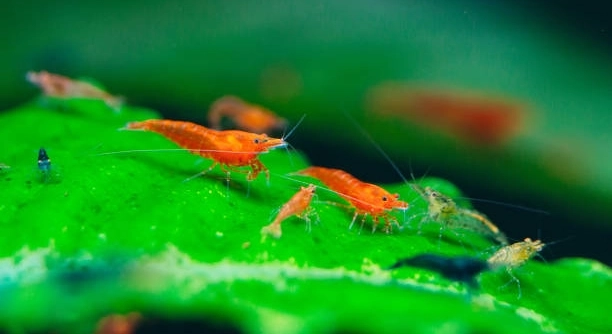
Shrimp may seem like simple creatures, but their digestive habits are surprisingly complex. These small crustaceans play an important role in aquatic ecosystems, and even their waste has interesting effects that most people rarely consider or notice.
Shrimp excrete waste that contains undigested food particles, microorganisms, and nutrients such as nitrogen and phosphorus. This waste can influence water quality, support beneficial bacteria, and contribute to the overall health of marine environments, making it an important ecological factor.
Understanding shrimp waste can reveal hidden connections in aquatic life and the balance of ecosystems that rely on these small but vital creatures.
How Shrimp Poop Shapes Aquatic Ecosystems
Shrimp waste may appear insignificant, yet it plays a vital role in maintaining healthy aquatic systems. The nutrients in their excrement, like nitrogen and phosphorus, feed microscopic algae and plankton, which are crucial food sources for other species. Over time, this process helps sustain the balance of local ecosystems. Additionally, shrimp poop provides material for benthic organisms, supporting a variety of small creatures that live on the sea floor. These interactions create a network where energy and nutrients circulate efficiently. In aquaculture, understanding shrimp waste is essential for managing water quality. Excess waste can lead to harmful algae growth or oxygen depletion, but in controlled amounts, it promotes productivity. By observing how shrimp contribute to these cycles, researchers gain insights into ecosystem health and potential improvements for sustainable aquaculture. The presence of their waste is more than debris; it is a key factor in keeping aquatic environments functional and thriving.
Shrimp excrement directly feeds other organisms and helps recycle nutrients. This process maintains water quality and supports healthy marine populations.
Recognizing the ecological importance of shrimp waste also has practical applications. Farmers can use this knowledge to manage ponds efficiently, ensuring shrimp remain healthy while reducing negative environmental impacts. In natural habitats, it contributes to biodiversity and nutrient cycling. Paying attention to these details highlights how even small species leave lasting effects.
The Composition of Shrimp Waste
Shrimp poop contains undigested food, bacteria, and dissolved minerals, making it a rich source of nutrients for other organisms.
This composition varies depending on their diet, water conditions, and species. Different shrimp produce waste with slightly different nutrient profiles, influencing how it affects surrounding environments. Understanding these variations helps researchers and aquaculture managers optimize water quality and the growth of other organisms. For example, in shrimp farms, monitoring waste composition can prevent harmful buildup of ammonia or phosphorus, which could stress shrimp and other animals. In natural settings, this waste supports algae, plankton, and benthic creatures that rely on nutrients from decomposing organic matter. By breaking down food and excreting partially digested material, shrimp act as natural recyclers, ensuring energy moves through the ecosystem efficiently. The chemical makeup of their waste is small in scale but powerful in effect, impacting everything from water clarity to the abundance of microorganisms. Properly managing or understanding shrimp waste is key to maintaining both aquaculture success and the health of aquatic habitats.
Shrimp Waste and Water Clarity
Shrimp waste can affect water clarity by introducing organic particles and nutrients. While small amounts are natural, excessive accumulation may lead to murky water, impacting the growth of plants and visibility for other aquatic life. Proper management helps maintain balance.
In aquaculture or home aquariums, shrimp produce waste continuously, and this contributes to suspended particles in the water. Filtration systems help reduce buildup, but the nutrients in their waste can still promote algae growth. Monitoring feeding amounts and cleaning schedules can minimize excessive waste, ensuring water remains clear. When water becomes cloudy, it is often a sign of overfeeding or insufficient filtration rather than a flaw in the shrimp themselves. Their constant activity and excretion are natural processes that must be accommodated for healthy water management.
The composition of shrimp waste also affects water chemistry. Organic matter in excrement releases nitrogen and phosphorus, influencing pH and oxygen levels. In controlled environments, these changes are manageable, but in natural habitats, shifts can impact fish, plants, and microorganisms. Understanding how waste interacts with water chemistry allows caretakers to maintain balance, prevent harmful algal blooms, and create stable conditions for shrimp and other aquatic species. Proper monitoring ensures that the environment remains supportive for all life.
Shrimp Waste as a Food Source
Shrimp poop serves as food for microorganisms and small invertebrates, creating a micro-ecosystem that recycles nutrients efficiently.
Bacteria, worms, and tiny crustaceans feed on shrimp waste, breaking it down further. This decomposition releases nutrients back into the water, sustaining plankton and algae. In this way, shrimp indirectly support the growth of other organisms.
In natural environments, shrimp waste contributes to detritus layers on the sea floor, supporting a variety of benthic creatures. These organisms feed on decomposed material, which in turn sustains higher trophic levels, including small fish. By acting as nutrient recyclers, shrimp help maintain the food web, ensuring that energy flows effectively through the ecosystem. In aquaculture, managing this process can improve productivity, as waste provides natural feeding for certain species while reducing the need for additional supplements. The role of shrimp waste as a nutrient source is small in appearance but significant for ecosystem health.
Shrimp Poop and Algae Growth
Shrimp excrement contains nutrients that promote algae growth, especially in nutrient-rich waters. This natural fertilization helps feed small aquatic organisms but can become excessive if waste accumulates without proper water circulation or filtration.
The balance of algae growth depends on the amount of waste and water conditions. Controlled environments require monitoring to prevent blooms, while natural habitats self-regulate through water flow and other organisms consuming excess nutrients.
Indicators of Shrimp Health
The color and consistency of shrimp waste can reflect their health and diet. Changes in appearance may indicate dietary deficiencies, stress, or water quality issues. Regular observation helps maintain shrimp well-being.
Shrimp Waste in Aquaculture
Managing shrimp waste in farms is essential to maintain water quality. Accumulated waste can increase ammonia and nitrite levels, stressing shrimp and reducing growth rates. Proper filtration, regular water changes, and monitoring feeding amounts are critical practices. Efficient waste management supports both shrimp health and farm productivity, ensuring sustainable operations.
Environmental Benefits of Shrimp Poop
Shrimp excretion supports nutrient cycling in aquatic ecosystems, sustaining other organisms and contributing to overall environmental balance.
FAQ
What does shrimp poop look like?
Shrimp poop is usually small, dark, and cylindrical. Its appearance can vary slightly depending on the species, diet, and water conditions. Healthy shrimp produce firm, well-formed excrement, while changes in color or texture may indicate dietary issues, stress, or water quality problems that need attention.
Is shrimp poop harmful to water?
Shrimp waste is not inherently harmful, but excessive accumulation can affect water quality. High levels of nitrogen and phosphorus may encourage algae blooms and reduce oxygen levels. In controlled environments like aquariums or farms, regular water changes and filtration prevent these problems, keeping shrimp and other organisms healthy.
Can shrimp poop be used as fertilizer?
Yes, shrimp excrement contains nutrients like nitrogen and phosphorus, which can benefit plants and soil. Some aquaculture systems collect waste for use in hydroponics or gardens. Its nutrient content supports growth, making it an effective, natural fertilizer when properly processed and applied.
How often do shrimp poop?
Shrimp excrete frequently, often multiple times per day. The rate depends on diet, water temperature, and activity levels. Observing their waste production helps monitor their health and feeding efficiency. Consistent excretion indicates proper digestion and adequate nutrition.
Why is shrimp poop sometimes white?
White or light-colored shrimp poop usually contains calcium or other minerals. It can also indicate a diet high in certain proteins or a digestive imbalance. Occasional white excrement is normal, but persistent changes may require reviewing water parameters and dietary components.
Does shrimp poop affect fish?
Yes, indirectly. While not directly harmful, shrimp waste influences water chemistry, which affects fish and other aquatic life. High waste accumulation can increase ammonia or nitrite levels, stressing fish. Balanced ecosystems and proper filtration reduce these risks, maintaining a healthy environment for both shrimp and fish.
How can I reduce shrimp waste in my tank?
Feed shrimp appropriate amounts and avoid overfeeding, as uneaten food contributes to waste. Use a good filtration system and perform regular water changes. Maintaining proper water temperature and pH helps shrimp digest food efficiently, reducing the amount of waste produced.
What does the smell of shrimp poop indicate?
Shrimp waste has a mild, natural odor, but strong or foul smells can signal overfeeding, poor water circulation, or decaying organic matter. Addressing water quality, cleaning the tank, and monitoring feeding habits usually corrects the issue and maintains a healthy environment.
Can shrimp poop be beneficial in aquaculture?
Absolutely. In shrimp farms, controlled waste provides nutrients for algae and plankton, which can serve as additional food for juvenile shrimp. Proper management ensures that waste supports productivity without harming water quality or stressing the shrimp population.
How does diet affect shrimp waste?
A shrimp’s diet directly influences the color, size, and nutrient content of its poop. Protein-rich diets may result in darker excrement, while fiber-heavy diets can produce more volume. Monitoring diet helps maintain shrimp health and water quality by reducing excess or imbalanced waste.
Is it normal for shrimp to produce a lot of waste?
Yes, frequent excretion is normal. Healthy shrimp process food efficiently, and regular poop production reflects proper digestion. Sudden changes in amount, color, or consistency, however, may indicate dietary or environmental issues that need to be addressed.
Can shrimp waste indicate disease?
Changes in shrimp excrement can signal health issues. Unusually soft, discolored, or malformed waste may point to digestive problems, infections, or nutritional deficiencies. Observing these signs early allows for prompt adjustments in diet, water quality, or treatment to prevent further complications.
Does shrimp size affect how much they poop?
Yes, larger shrimp produce more waste than smaller shrimp due to increased food intake and metabolic activity. Understanding this helps in planning tank capacity, feeding schedules, and filtration needs, ensuring water quality remains stable.
Can shrimp poop help identify water quality problems?
Absolutely. Changes in the appearance or quantity of shrimp waste often reflect water chemistry issues, such as high ammonia, pH imbalances, or low oxygen levels. Observing excrement provides a simple, early indicator of environmental problems.
What happens to shrimp poop in natural habitats?
In oceans, rivers, and ponds, shrimp poop becomes part of the nutrient cycle. It feeds microorganisms, plankton, and benthic creatures, supporting the broader food web. Over time, it contributes to sediment composition and overall ecosystem productivity, demonstrating the ecological importance of shrimp waste.
How can I safely remove shrimp waste from my tank?
Use a siphon or aquarium vacuum during water changes to remove excess debris. Avoid disturbing shrimp excessively, and clean decorations or substrate as needed. Routine maintenance keeps water clear and reduces the buildup of harmful compounds, maintaining a healthy environment for all inhabitants.
Does shrimp poop decompose quickly?
Yes, shrimp waste decomposes relatively fast, depending on temperature, microbial activity, and water conditions. In natural environments, bacteria and detritivores break it down, releasing nutrients back into the water. In tanks or farms, filtration and aeration accelerate decomposition, preventing harmful accumulation.
Can shrimp waste affect plant growth?
Yes, shrimp poop releases nutrients that support aquatic plants. In aquariums or hydroponics, it provides nitrogen, phosphorus, and trace minerals. Excessive waste, however, may lead to algae competition, so monitoring amounts ensures plants benefit without negative effects on water clarity or quality.
How do I monitor shrimp poop effectively?
Observe color, shape, frequency, and location in the tank regularly. Note changes that could indicate diet, health, or water quality issues. Keeping a record of patterns helps detect problems early and allows timely adjustments to maintain a stable, healthy environment.
Is all shrimp waste edible by other organisms?
Most shrimp excrement is consumed by microorganisms and small invertebrates. However, undigested shells or very dense material may decompose more slowly. This gradual breakdown still contributes to nutrient cycling but may not be immediately edible by all species present.
Can shrimp poop affect water pH?
Yes, decomposition of shrimp waste can slightly lower pH by releasing acids during nutrient breakdown. In aquariums, monitoring pH and buffering water when needed prevents harmful fluctuations, ensuring a stable environment for shrimp and other aquatic life.
Does temperature influence shrimp excretion?
Temperature affects metabolism, digestion, and waste production. Warmer water increases activity and excretion frequency, while colder temperatures slow processes. Maintaining consistent, species-appropriate temperatures helps regulate waste output and supports overall shrimp health.
Can shrimp poop attract pests?
Excess waste can encourage growth of unwanted organisms, such as algae or certain worms. In tanks or ponds, maintaining proper cleaning routines and monitoring feeding prevents pest proliferation, keeping the habitat balanced and healthy for shrimp and other inhabitants.
How long does shrimp waste last in water?
Shrimp poop begins to decompose quickly, usually within hours to days, depending on temperature, microbial activity, and water movement. In well-maintained systems, filtration removes most debris before it accumulates, while in natural habitats, it integrates into sediments and the nutrient cycle.
Does shrimp diet change the smell of their waste?
Yes, protein-rich diets can produce a stronger odor, while plant-based diets often result in milder waste. Monitoring feeding and water quality ensures odors remain minimal and that waste does not negatively impact the aquatic environment.
Are juvenile shrimp waste different from adult shrimp?
Juveniles produce smaller amounts of waste with higher nutrient concentration relative to size. Adults generate more volume but may digest food more efficiently. Observing these differences helps in managing feeding and water quality appropriately for mixed-age populations.
Can shrimp waste support bacteria growth?
Yes, shrimp excrement provides nutrients that encourage beneficial bacterial growth. These bacteria help break down organic matter, maintain water quality, and support the nutrient cycle. In aquaculture and tanks, balanced bacterial populations reduce harmful compounds and promote shrimp health.
Is it normal for shrimp poop to sink immediately?
Yes, most shrimp waste sinks due to density. This allows benthic organisms to feed on it and contributes to sediment nutrient cycling. Floating waste is unusual and may indicate digestive issues or leftover uneaten food mixed with excrement.
How do water flow and circulation affect shrimp waste?
Proper water movement distributes nutrients, prevents accumulation, and reduces harmful compounds. Stagnant areas allow waste to settle and decompose poorly, impacting water quality. Circulation supports shrimp health and the efficiency of natural nutrient recycling in aquariums and ponds.
Can shrimp poop indicate overfeeding?
Yes, excess or loose waste often results from overfeeding. Reducing portions and observing excretion patterns helps balance nutrition, improve water quality, and prevent unnecessary buildup in tanks or ponds.
Does shrimp stress affect waste production?
Stress can alter digestion, leading to changes in frequency, color, or consistency of excretion. Monitoring shrimp behavior and environmental conditions helps identify stress factors and maintain proper waste production and overall health.
Can shrimp poop contribute to oxygen depletion?
Yes, decomposing waste consumes oxygen, especially in poorly circulated or overcrowded environments. Regular water changes, aeration, and filtration prevent oxygen depletion, supporting shrimp, fish, and other aquatic organisms.
How do I know if shrimp waste is too much for my tank?
Signs include cloudy water, foul odors, algae blooms, or stress in shrimp. Monitoring water chemistry and performing routine maintenance ensures waste remains manageable and the environment stays healthy.
Can shrimp poop affect water hardness?
Yes, minerals in shrimp waste, especially calcium, can slightly increase water hardness over time. Monitoring parameters and adjusting as needed helps maintain stable conditions suitable for shrimp and other species.
Is shrimp poop safe to touch?
Yes, handling it briefly is generally safe, but always wash hands afterward. Avoid introducing pathogens or contaminating water. In aquaculture, proper hygiene ensures both human and aquatic safety.
Does shrimp poop attract other animals?
Yes, in natural habitats, detritivores and small invertebrates feed on excrement. This interaction supports the food web and nutrient cycling, highlighting the ecological role of shrimp waste.
Can shrimp poop be used in composting?
Yes, shrimp waste can be added to compost after drying or mixing with plant material. It provides nitrogen and trace minerals, enriching soil when properly processed, while preventing unpleasant odors or imbalance.
How often should I clean shrimp waste from my tank?
Regularly, depending on population size and filtration efficiency. Weekly water changes and substrate cleaning prevent buildup, maintain water quality, and support healthy shrimp digestion.
Does shrimp poop affect water temperature?
Directly, no. Indirectly, decomposition generates minimal heat, but it is not significant. Temperature management should focus on environmental conditions rather than waste.
Can shrimp waste cause algae blooms?
Yes, excess nutrients from excrement can fuel algae growth. Managing feeding, water circulation, and waste removal keeps algae in check and preserves water clarity for shrimp and other aquatic life.
Is it normal for shrimp poop to vary in size?
Yes, variation reflects diet, species, and digestion efficiency. Minor differences are natural, while extreme changes may indicate health or dietary issues that need attention.
How do I maintain a balance of shrimp waste in my tank?
Feed moderate portions, clean regularly, and ensure proper filtration and water movement. Observing shrimp and water quality helps maintain equilibrium, supporting health and nutrient cycling.
Does shrimp poop affect other crustaceans?
Yes, excrement provides nutrients for small invertebrates, contributing to food availability and ecosystem balance. In aquaculture, it can serve as a supplemental food source.
Can shrimp poop impact plant nutrient uptake?
Yes, nutrients released from decomposing waste enhance plant growth. Maintaining moderate amounts ensures plants benefit without encouraging algae or water quality issues.
Is shrimp waste important for natural ecosystems?
Absolutely. It recycles nutrients, supports microorganisms, and sustains benthic communities, contributing to biodiversity and energy flow in aquatic habitats.
Can observing shrimp poop improve shrimp care?
Yes, monitoring excretion patterns helps detect health, dietary, and water quality issues early. This simple observation supports proactive care and stable tank conditions.
How do I manage shrimp waste in a mixed-species tank?
Balance feeding, observe behavior, and maintain strong filtration. Different species produce different amounts and types of waste, so careful monitoring prevents water quality problems.
Does shrimp poop float or sink in water?
Most shrimp excrement sinks immediately, providing nutrients to benthic organisms. Floating waste is unusual and may indicate uneaten food or digestive irregularities.
How does shrimp age affect waste production?
Younger shrimp produce smaller, nutrient-dense excrement, while adults generate larger amounts. Observing waste patterns helps adjust feeding and maintain water quality for all ages.
Can shrimp poop affect other tank parameters?
Yes, waste impacts nitrogen levels, pH, hardness, and oxygen. Regular monitoring ensures conditions remain safe for shrimp, plants, and other aquatic species.
Does diet type influence shrimp waste texture?
Yes, high-protein diets may produce firmer, darker waste, while plant-based diets result in softer, lighter excrement. Adjusting diet maintains digestion efficiency and water quality.
Can shrimp poop indicate digestive issues?
Changes in consistency, color, or frequency may signal digestive problems. Early detection allows dietary or environmental adjustments to prevent further health issues.
Does shrimp waste affect other water-dwelling animals?
Yes, it influences water chemistry and nutrient availability. Beneficial effects include feeding microorganisms, while excessive waste may stress other animals. Proper monitoring ensures balance.
How do filtration systems help manage shrimp waste?
Filters remove debris, prevent accumulation, and support bacterial breakdown. This keeps water clear, reduces harmful compounds, and maintains a healthy environment for shrimp and other aquatic organisms.
Is it normal for shrimp poop to be stringy?
Occasionally, stringy waste may result from certain foods or digestion. Persistent stringiness can indicate digestive issues or dietary imbalance, requiring observation and adjustment.
Can shrimp poop be recycled in aquaponics?
Yes, it provides nutrients for plants while supporting microbial communities. Proper filtration and monitoring prevent excessive accumulation and maintain system stability.
Does shrimp waste influence sediment quality?
Yes, in natural habitats, decomposed excrement contributes organic matter and nutrients to sediments, supporting benthic organisms and overall ecosystem health.
How can I tell if shrimp waste is affecting water quality?
Cloudy water, foul odors, algae blooms, and stressed shrimp indicate waste-related water issues. Monitoring chemistry and performing maintenance corrects problems.
Can shrimp poop carry diseases?
Directly, it is generally safe, but waste may harbor bacteria if water quality is poor. Maintaining clean conditions reduces disease risk for shrimp and other inhabitants.
Does shrimp waste break down differently in saltwater versus freshwater?
Yes, microbial activity and decomposition rates vary between saltwater and freshwater. Saltwater often has higher bacterial activity, accelerating nutrient recycling, while freshwater may retain debris slightly longer.
Can shrimp poop affect tank aesthetics?
Yes, accumulated waste can cloud water or settle on surfaces. Regular cleaning and proper filtration maintain a clear, visually appealing tank.
How do I prevent shrimp poop from harming plants?
Moderate feeding, regular cleaning, and adequate water flow prevent nutrient overload. Balanced conditions allow plants to benefit from nutrients without negative effects.
Is shrimp waste part of the food chain?
Absolutely. It feeds microorganisms, small invertebrates, and supports higher trophic levels, playing a crucial role in energy flow within aquatic ecosystems.
Does shrimp poop indicate proper feeding?
Consistent, well-formed waste shows adequate nutrition. Irregularities in quantity or appearance may indicate overfeeding, underfeeding, or dietary imbalance requiring adjustment.
Can shrimp poop accumulate in hidden areas?
Yes, waste can collect under decorations or substrate. Regular cleaning ensures it does not decompose unnoticed, maintaining water quality and preventing harmful buildup.
Does shrimp activity influence waste distribution?
Yes, active shrimp spread waste across the tank, aiding nutrient distribution. Less active shrimp may leave concentrated deposits, requiring closer maintenance attention.
Can shrimp poop influence algae types?
Yes, the nutrient composition can favor certain algae species. Managing amounts and water conditions helps control unwanted algae growth.
How long does shrimp waste influence water chemistry?
Effects last hours to days, depending on circulation, filtration, and microbial activity. Regular monitoring prevents negative impacts on aquatic life.
Is it normal for shrimp poop to change color?
Yes, changes often reflect diet or water conditions. Sudden or persistent changes may indicate health or environmental issues needing attention.
Can shrimp poop improve soil if dried?
Yes, dried excrement can be mixed with soil to provide nitrogen and trace minerals, benefiting plant growth when used correctly.
Does shrimp poop affect oxygen levels in small tanks?
Yes, decomposition consumes oxygen. In small, poorly aerated tanks, excessive waste can reduce oxygen, stressing shrimp and other organisms. Proper aeration prevents this issue.
How do I keep shrimp poop from spreading disease?
Maintain clean water, monitor health, and remove excess waste. Good hygiene and filtration reduce pathogen buildup and protect shrimp and tank inhabitants.
Can shrimp poop be part of an ecosystem study?
Yes, analyzing waste provides insights into diet, health, water quality, and nutrient cycling, making it a valuable tool for research and management.
Does substrate type affect shrimp waste decomposition?
Yes, sandy or fine substrates allow faster integration and decomposition, while coarse or artificial substrates may slow breakdown, affecting nutrient availability and water quality.
Is shrimp poop important for juvenile shrimp growth?
Yes, waste supports microbial communities and plankton that serve as natural food, promoting development in juvenile shrimp populations.
Can shrimp poop influence tank pH over time?
Yes, decomposition releases acids, potentially lowering pH slightly. Monitoring and buffering water when necessary maintains stable conditions for shrimp and plants.
Does shrimp poop affect other crustaceans’ growth?
Yes, it provides nutrients for microorganisms and detritivores, indirectly supporting the growth and survival of other crustaceans in the habitat.
Can shrimp poop accumulate in filters?
Yes, filters capture solid waste, which requires regular cleaning to maintain efficiency and prevent clogging that could compromise water quality and circulation.
Does shrimp poop support microbial diversity?
Yes, it provides nutrients for various bacteria and microorganisms, enhancing microbial diversity that helps maintain healthy water chemistry and ecosystem balance.
How do I know if shrimp poop is excessive?
Frequent cloudy water, algae blooms, foul odors, and substrate buildup indicate excessive waste. Adjusting feeding and cleaning practices prevents overaccumulation.
Can shrimp poop be part of a sustainable farming system?
Yes, in aquaculture, managed shrimp waste supports nutrient cycling, feeds other organisms, and reduces the need for chemical fertilizers, contributing to sustainable production practices.
Does shrimp size determine nutrient content of poop?
Yes, larger shrimp produce waste with higher total nutrients, while smaller shrimp produce proportionally nutrient-rich excrement. Understanding this helps manage feeding and water quality.
Can shrimp poop indicate water contamination?
Changes in excrement color, consistency, or frequency can reflect contaminants
Shrimp waste may seem insignificant at first glance, but it plays an important role in both natural ecosystems and controlled environments like aquariums or shrimp farms. The nutrients in their excrement, such as nitrogen and phosphorus, contribute to the growth of microorganisms, plankton, and algae, which in turn support larger aquatic species. Understanding this process highlights how even small creatures have a meaningful impact on their surroundings. In aquaculture, paying attention to shrimp waste helps maintain water quality, prevent harmful buildup, and ensure that shrimp remain healthy and productive. While it may appear messy or unimportant, shrimp poop is an integral part of nutrient recycling and ecosystem balance, making it more than just a byproduct of digestion.
In home aquariums or small tanks, managing shrimp waste is essential for the well-being of all inhabitants. Excessive accumulation can cause cloudy water, oxygen depletion, and the growth of unwanted algae. Monitoring feeding amounts, performing regular water changes, and using filtration systems help control waste levels effectively. Observing shrimp excrement can also serve as an indicator of their health and diet. Changes in color, consistency, or frequency may suggest dietary deficiencies, stress, or environmental issues. By taking simple steps to manage shrimp waste, aquarists can maintain a stable and healthy environment for both shrimp and other aquatic life, ensuring that the tank remains visually clear and ecologically balanced.
Beyond practical concerns, shrimp waste demonstrates the larger ecological connections within aquatic habitats. In natural settings, it contributes to the detritus layer on the sea floor, feeding benthic creatures and supporting higher levels of the food chain. It acts as a nutrient source for plants, bacteria, and smaller invertebrates, sustaining energy flow and biodiversity. In aquaculture and aquaponics, this same waste can be harnessed to improve productivity and reduce reliance on chemical fertilizers, illustrating its practical value. Recognizing the role of shrimp excretion encourages careful observation and responsible management, whether in a tank or a natural habitat. Even something as small and overlooked as shrimp poop has a significant effect on the balance and health of aquatic systems. By respecting this process, we can appreciate the interconnectedness of life in water and the importance of even the tiniest contributors to ecosystem stability.

Hello,
If you enjoy the content that we create, please consider saying a "Thank You!" by leaving a tip.
Every little bit helps us continue crafting quality advice that supports the health, happiness, and well-being of pets around the world, for pets of all shapes, sizes, and species.
We really appreciate the kindness and support that you show us!