
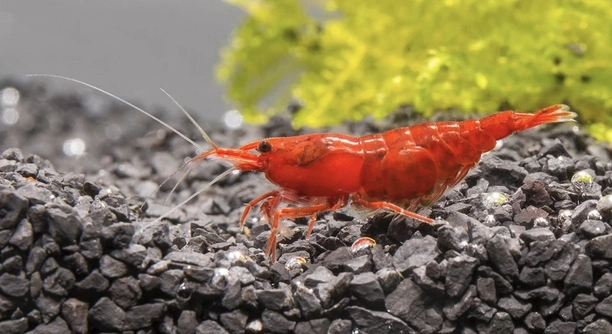
Cherry shrimp are small, vibrant creatures that bring life to any freshwater tank. Their bright colors often stand out, making them a favorite among aquarists. Observing their behavior can reveal interesting responses to their surroundings.
Cherry shrimp do respond to the color of their tank background. Darker backgrounds tend to enhance their red coloration and make them feel more secure, while lighter backgrounds may cause them to appear paler and exhibit more cautious or shy behavior.
Knowing how background colors influence shrimp behavior can help create a more comfortable and visually appealing tank environment. This can improve both their well-being and the overall look of your aquarium.
How Background Color Affects Shrimp Behavior
The color of your tank background can influence cherry shrimp in subtle but noticeable ways. Darker backgrounds often make their red hues appear more vivid, while lighter shades can cause them to look paler. When the tank feels safe, shrimp are more likely to explore and move around freely. A darker backdrop can reduce stress, as it mimics the shaded areas they would naturally seek for protection. Lighter backgrounds may make them more cautious, keeping them near plants or hiding spots. I noticed that my shrimp would pause longer before venturing out when the tank had a bright, plain background. Adding natural tones or gradients can help balance the environment, making shrimp feel secure without hiding too much. Background color is one of the easiest adjustments to improve both shrimp health and visual appeal. Small changes can lead to visible improvements in behavior and color intensity.
Tank background colors significantly influence cherry shrimp activity and comfort levels. Dark backgrounds encourage confidence.
Shrimp tend to interact more with their environment when the background reduces perceived threats. Subtle shades can make them more active, while stark or overly bright colors may cause hesitation. By selecting colors carefully, you can create a setting that enhances both appearance and behavior. Observing their movements helps determine which tones make them feel safe, contributing to healthier, more vibrant shrimp.
Choosing the Right Background
A simple dark background often works best for red cherry shrimp.
Selecting the right background requires balancing aesthetics and shrimp comfort. Dark or muted colors generally highlight their colors while encouraging normal activity. Light or reflective backgrounds can make them hesitant and stressed. In my tanks, using a natural brown or dark green backdrop increased shrimp movement and interactions. They seemed to spend more time exploring the substrate and plants, showing brighter colors compared to pale backgrounds. Experimenting with gradients or textures can also reduce stress while maintaining visual interest. Additionally, backgrounds that contrast with shrimp colors help monitor their health and detect changes more easily. Paying attention to how shrimp respond allows you to adjust the setup for both appearance and behavior, ensuring they remain active, healthy, and visually striking in their environment. Properly chosen backgrounds contribute to a balanced, appealing tank without adding unnecessary complexity.
Observing Shrimp Reactions
Shrimp often change their movement based on background color. Darker tones make them feel secure, while lighter shades can cause hesitation. I noticed they explore more confidently on darker backgrounds, staying visible and active instead of hiding constantly among plants.
Monitoring shrimp behavior against different backgrounds shows clear patterns. On darker surfaces, their red coloration intensifies, and they spend more time moving around the tank. Lighter or reflective backgrounds can trigger cautious behavior, with shrimp pausing or retreating to corners and hiding spots. Over time, these responses become predictable, helping determine which colors make them most comfortable. Adjustments to the background can improve both activity levels and the visual appeal of the tank, making shrimp easier to observe.
Consistency in background choice matters. Shrimp respond best to colors that create a stable, calm environment. Frequent changes in tone or brightness can cause temporary stress, reducing activity. Using natural or muted tones allows shrimp to interact more with plants and substrates without excessive hiding. Observing subtle behavioral shifts, like lingering near shaded areas or hesitating before crossing open spaces, indicates how secure they feel. Choosing the right color ensures a more relaxed, healthy tank where shrimp display their best colors and natural behaviors.
Impact on Feeding and Activity
Shrimp feeding patterns change with tank background. Darker shades make them bolder, while lighter tones may slow their approach.
Background color directly affects shrimp activity, influencing how and when they feed. On dark surfaces, shrimp move more freely, exploring all areas and quickly reaching food. They tend to forage more openly, spreading evenly across plants and substrate. Lighter or bright backgrounds can cause them to hesitate, sticking close to hiding spots and delaying feeding. Over time, consistent exposure to preferred tones improves their comfort, encouraging regular activity and balanced feeding habits.
Feeding behavior and overall activity are closely linked to perceived safety. Shrimp on darker or natural-colored backgrounds appear more confident, showing brighter colors while foraging efficiently. Lighter or stark backgrounds can increase stress, causing shrimp to linger in shaded areas, reduce movement, and avoid open spaces. These changes affect not only feeding but also interactions with other shrimp. By carefully selecting the tank background, I observed more consistent feeding, greater exploration, and improved health. Adjustments to color and tone create a more stable environment, supporting natural behaviors and promoting vibrant, active shrimp in daily routines.
Best Background Materials
Matte backgrounds work better than glossy ones. They reduce reflections that can startle shrimp, helping them feel secure. I switched to a dark matte sheet, and my shrimp began exploring more and spending less time hiding behind plants.
Natural-looking backgrounds, like dark rocks or brown tones, create a calming effect. Shrimp respond well to subtle textures, which mimic their natural habitat. Smooth, plain, or bright backgrounds often cause hesitation and pale coloration. Observing their behavior helped me realize that simple, muted tones were the most effective for a relaxed tank environment.
Background and Breeding
Shrimp feel more confident in darker, consistent backgrounds, which can encourage breeding activity. A stable environment reduces stress and supports reproductive behaviors.
Adjusting Backgrounds Gradually
Abrupt changes in background color can stress shrimp. I learned to switch colors slowly, allowing them to acclimate over several days.
FAQ
Do cherry shrimp prefer dark or light backgrounds?
Cherry shrimp generally prefer darker backgrounds. Dark tones make them feel more secure and reduce stress, allowing them to explore the tank more freely. Light backgrounds can make them appear paler and hesitant, often causing them to hide more frequently. I noticed that switching from a white backdrop to a brown matte sheet immediately increased their activity and visibility. Subtle, natural colors seem to replicate shaded areas in their natural habitat, which helps them feel safe while showing their best red hues.
Can background color affect shrimp coloration?
Yes, background color can significantly influence shrimp coloration. Darker backgrounds enhance the vibrancy of red cherry shrimp, making their colors more noticeable. Lighter or reflective backgrounds often cause shrimp to appear paler or slightly dull. I observed that my shrimp’s red intensity improved after installing a textured dark background, and they became more active in open areas. The contrast between shrimp and the background allows their colors to stand out, while a poorly chosen tone can reduce visual appeal. Choosing the right background helps maintain both aesthetics and shrimp health.
Will changing the background stress my shrimp?
Abrupt changes in background color can stress cherry shrimp. They rely on visual cues to feel safe, so sudden changes may make them hide or pause movement for hours or even days. I usually adjust backgrounds gradually, adding one section at a time or using temporary sheets to let them acclimate. Over a few days, shrimp begin to explore normally without showing signs of stress. Slow transitions help maintain their natural behaviors and feeding patterns while preventing unnecessary anxiety.
Do shrimp react differently to textured backgrounds?
Textured backgrounds often make shrimp feel more secure than plain, smooth surfaces. Patterns and subtle shading mimic natural hiding spots, encouraging exploration while reducing stress. I installed a background with a faint rock texture, and the shrimp began using more of the tank space, climbing plants and surfaces confidently. Smooth, glossy, or highly reflective backgrounds tend to make them cautious, often keeping them near the substrate or plant cover. Textured backgrounds balance security with visibility, which is important for observing their activity.
Can background color affect breeding?
Background color can indirectly influence breeding. Darker, stable backgrounds reduce stress, which supports reproductive behavior. When shrimp feel safe, they are more likely to pair and produce eggs regularly. In my tank, adding a dark, natural-looking backdrop seemed to coincide with increased egg-laying and active females. Bright or reflective backgrounds can cause hesitation and reduce activity, potentially delaying breeding. Maintaining a consistent, calming environment encourages natural reproductive cycles and improves the likelihood of successful hatching.
Do shrimp behavior patterns indicate comfort with their background?
Yes, behavior is a strong indicator of comfort. Confident shrimp explore open areas, climb plants, and forage actively. Hesitant shrimp stick to corners, hide under leaves, or pause frequently. I learned to observe my shrimp’s movement after switching backgrounds. Those showing curiosity and movement indicate they feel secure, while reduced activity or retreating often points to discomfort. By choosing calming tones and subtle textures, shrimp demonstrate more natural and active behaviors, which also makes monitoring health and feeding easier.
Is there a best material for backgrounds besides color?
Matte or non-reflective materials work best because they reduce glare and sudden light reflections. I switched from glossy paper to a matte plastic sheet, and the shrimp immediately became more relaxed. Materials that mimic natural textures, such as rock or wood prints, also help shrimp feel at ease. Avoid overly bright or reflective surfaces, as they can trigger hiding behavior or cause stress over time. A simple, muted, textured background often creates the best combination of safety, visibility, and aesthetic appeal.
How often should I change the background?
Frequent changes are not recommended. Once a comfortable background is established, keeping it consistent helps shrimp feel secure and maintain natural behavior. I only update backgrounds for maintenance or aesthetic reasons, and even then, I make gradual changes. Constant switching can increase stress, reduce feeding activity, and negatively affect coloration and breeding. Observing how shrimp respond to minor adjustments helps determine if further changes are needed. Stable, calming backgrounds are most beneficial for their health and overall tank harmony.
Can shrimp recognize their background?
While shrimp do not recognize backgrounds in the same way humans do, they respond to visual cues and perceived safety. Consistent colors and textures help them navigate the tank confidently. I noticed that shrimp returned to familiar areas quickly after minor tank rearrangements, suggesting comfort with the visual environment. Abruptly changing backgrounds can confuse them, so maintaining stability supports natural behavior, movement, and interaction with the tank environment. Subtle visual consistency is key to keeping shrimp active and stress-free.
Does lighting interact with background color to affect shrimp behavior?
Lighting and background color work together to influence shrimp behavior. Bright lights over pale backgrounds can cause stress, while softer lighting with darker backgrounds encourages exploration. In my experience, pairing a matte dark background with diffused light brought out vibrant red coloration and more consistent activity. Bright, reflective setups often result in cautious behavior, reduced movement, and less feeding. Coordinating lighting and background tones ensures a balanced environment that promotes natural shrimp behavior and visual appeal, supporting health and vitality over time.
Final Thoughts
Cherry shrimp are sensitive to their environment, and tank background color plays a noticeable role in their behavior and overall well-being. Darker backgrounds tend to create a sense of security, allowing shrimp to explore freely, show their natural coloration, and interact more confidently with their surroundings. Lighter or highly reflective backgrounds can have the opposite effect, causing hesitation, paler colors, and increased hiding behavior. Over time, these subtle changes in behavior can indicate how comfortable shrimp feel in their tank, and observing them carefully allows for small but meaningful adjustments that improve their quality of life. Choosing a background is not just about aesthetics; it directly impacts shrimp activity, comfort, and stress levels.
The type of material and texture of the background also affects shrimp behavior. Matte surfaces reduce reflections, preventing sudden movements or stress caused by light glare, while natural textures can mimic shaded or sheltered areas that shrimp naturally seek. I noticed that when I switched to a matte, textured background, my shrimp began exploring more and spending less time hiding. Even subtle differences, such as color gradients or faint patterns, can encourage natural behaviors like climbing, foraging, and social interactions. By paying attention to how shrimp respond to different materials and textures, it is possible to create an environment that balances safety and visibility, allowing shrimp to feel comfortable while still being easy to observe.
Consistency and gradual changes are key when adjusting backgrounds. Abrupt changes can temporarily stress shrimp and disrupt feeding, breeding, or activity levels. Slowly introducing new colors or textures allows shrimp to acclimate without negative effects on behavior. Observing their reactions during this period can help determine which tones and materials they respond to best. Dark, muted, or natural colors generally provide the most balanced results, supporting active movement, vibrant coloration, and overall health. Ultimately, selecting a suitable tank background enhances both the visual appeal of the aquarium and the quality of life for the shrimp, creating a more harmonious and sustainable environment for these small, colorful creatures.

Hello,
If you enjoy the content that we create, please consider saying a "Thank You!" by leaving a tip.
Every little bit helps us continue crafting quality advice that supports the health, happiness, and well-being of pets around the world, for pets of all shapes, sizes, and species.
We really appreciate the kindness and support that you show us!