
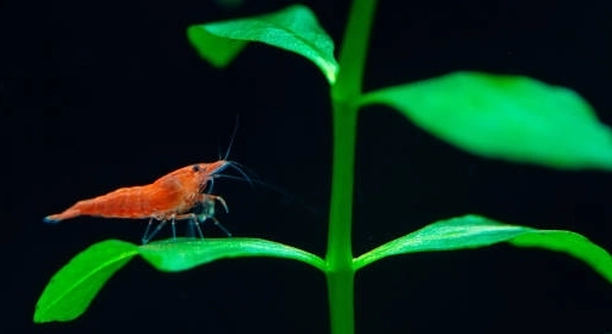
Cherry shrimp are delicate creatures that thrive in carefully maintained environments. Their well-being depends on stable water conditions, compatible tank mates, and proper feeding routines. Small mistakes can quickly stress them and affect their health and lifespan.
Cherry shrimp will not tolerate poor water quality, sudden temperature changes, aggressive tank mates, overfeeding, inadequate hiding spaces, exposure to harmful chemicals, or consistently low oxygen levels. Avoiding these stressors is essential for maintaining their health and natural behaviors.
Recognizing these limits ensures your shrimp remain healthy, active, and vibrant, creating a balanced and thriving aquarium environment for everyone to enjoy.
Poor Water Quality
Maintaining clean water is the single most important factor in keeping cherry shrimp healthy. Even small amounts of ammonia or nitrites can stress them and lead to illness. Regular water changes, using a reliable filter, and testing water parameters frequently are essential steps. Tap water often contains chlorine, which is harmful, so always treat it before adding it to the tank. Avoid overcrowding, as too many shrimp or fish can lead to waste accumulation, which affects water quality. Observing your shrimp’s behavior is a good way to monitor water conditions; lethargy or hiding often indicates stress. Using substrate that supports beneficial bacteria helps break down waste naturally. Temperature and pH stability also play a crucial role in water quality. A stable, well-maintained environment encourages shrimp to molt regularly and reproduce. Even small lapses in water maintenance can quickly create a stressful and unsafe environment for your shrimp.
Regular water checks and treatments prevent health issues and keep shrimp active and vibrant.
A clean, balanced tank is key to shrimp longevity. Overlooking filtration, water changes, or chemical treatments can lead to stress, illness, and even death. Maintaining a stable pH between 6.5 and 7.5 and a temperature around 72–78°F ensures shrimp remain active. Beneficial bacteria in the substrate help process waste, while proper filtration removes toxins. Observing shrimp behavior regularly allows quick responses to potential problems. Avoid sudden water changes, as rapid shifts in chemistry can shock shrimp. Using dechlorinated water and avoiding harsh chemicals supports overall health. Proper maintenance encourages regular molting, healthy growth, and breeding. Shrimp in stable conditions are more vibrant and display natural behaviors, such as grazing and exploring the tank. Neglecting these basics often leads to stress, making shrimp more susceptible to disease. Investing time in water quality creates a safe and thriving environment for cherry shrimp.
Aggressive Tank Mates
Aggressive or large fish can harm cherry shrimp. Even minor harassment can lead to stress or death.
Cherry shrimp do best with peaceful companions like snails or small tetras. Avoid keeping them with cichlids or other predatory species. Proper tank selection minimizes stress and prevents injuries.
Observing interactions is important, as even calm fish can become aggressive during feeding. Providing hiding places, such as plants, moss, or decorative caves, helps shrimp escape potential threats. Compatibility ensures they can graze and molt safely. Even shrimp in a well-maintained tank will suffer if constantly harassed. Choosing tank mates carefully protects their health and promotes natural behaviors.
Sudden Temperature Changes
Cherry shrimp are very sensitive to rapid temperature shifts. Even a few degrees can stress them, affecting their appetite and activity. Maintaining a consistent temperature between 72–78°F is ideal. Use a reliable heater and monitor fluctuations daily. Avoid placing the tank near windows or vents.
Sudden temperature changes can disrupt shrimp metabolism and weaken their immune system. When the water cools or heats too quickly, shrimp may hide excessively or stop eating. Stress from temperature swings increases susceptibility to disease and can even lead to death. Using a stable heater and thermometer allows you to detect small changes early. Avoiding direct sunlight or drafty areas minimizes unexpected fluctuations. Gradual adjustments during seasonal changes prevent shocks, helping shrimp molt successfully and maintain healthy growth.
Consistency is crucial. Even brief exposure to water outside their comfort range can trigger stress responses. Careful monitoring ensures shrimp remain active, reproduce normally, and display vibrant colors.
Overfeeding
Overfeeding creates uneaten food, which decomposes and pollutes the water. It can cause cloudy water, increased bacteria, and stress for shrimp. Feed small portions that shrimp can consume within a few hours. Remove leftovers promptly.
Excess food leads to poor water quality, increasing ammonia and nitrite levels. It can cause algae overgrowth, which affects oxygen availability. Overfed shrimp often become lethargic, and their molting process can be impaired. Feeding schedules should be consistent, with only enough food offered to match shrimp activity levels. Observation helps determine the right portion size. Uneaten food should be removed to prevent decay and maintain a balanced tank. Healthy feeding practices support natural behavior and vibrant coloration.
Moderation is key. Balanced feeding prevents water contamination and keeps shrimp active, healthy, and displaying normal behaviors within the aquarium environment.
Inadequate Hiding Spaces
Cherry shrimp need places to hide, especially during molting. Without sufficient cover, they feel exposed and stressed. Plants, moss, and decorative shelters offer safe spaces where they can retreat and reduce stress.
A lack of hiding spots can lead to aggression from tank mates or cannibalism. Shrimp molt safely when they have cover, and providing dense vegetation or small caves encourages natural behaviors and reduces fear.
Harmful Chemicals
Cleaning agents, pesticides, and untreated tap water can introduce toxins that are deadly to shrimp. Even small residues affect their health and activity levels.
Low Oxygen Levels
Shrimp rely on well-oxygenated water to survive. Stagnant or overcrowded tanks reduce oxygen availability, causing lethargy and stress.
FAQ
What happens if cherry shrimp are kept with aggressive fish?
Aggressive fish can harass or even eat cherry shrimp. Constant stress affects their feeding, molting, and overall health. Shrimp may hide excessively or die from injuries. Choosing peaceful tank mates ensures shrimp can graze, molt, and reproduce without fear, maintaining a stable environment for all inhabitants.
How often should I check water quality?
Daily observation of shrimp behavior is important, but testing water parameters like ammonia, nitrites, nitrates, pH, and temperature should be done at least once a week. Consistent monitoring helps prevent sudden toxic spikes and keeps the environment safe and stable for shrimp.
Can cherry shrimp survive small temperature fluctuations?
Small, gradual changes may be tolerable, but rapid swings are harmful. Sudden drops or rises stress shrimp, affect molting, and increase susceptibility to disease. Keeping a reliable heater and placing the tank away from windows or vents helps maintain stable temperatures consistently.
What are signs of overfeeding?
Cloudy water, leftover food, algae growth, and lethargic shrimp indicate overfeeding. Overfeeding leads to ammonia spikes, poor water quality, and disrupted molting. Only feed what shrimp can consume in a few hours and remove uneaten portions to maintain a clean tank.
Do cherry shrimp need hiding spaces all the time?
Yes, hiding spaces are essential for safety, especially during molting. Plants, moss, and decorations provide shelter, reducing stress and protecting shrimp from accidental aggression from tank mates. Dense vegetation supports natural behaviors and encourages more active, confident shrimp.
How can I prevent low oxygen levels in the tank?
Ensure adequate water circulation with a gentle filter and avoid overcrowding. Live plants produce oxygen during the day, while regular water changes help maintain oxygen levels. Monitoring shrimp behavior can also indicate low oxygen, as they become lethargic and spend more time at the water surface.
Are certain cleaning products dangerous for shrimp?
Yes, any cleaning agents, soaps, or chemicals entering the tank can be deadly. Even small residues affect gill function and stress shrimp. Always rinse decorations thoroughly and treat tap water with a safe dechlorinator before use to prevent accidental exposure to harmful chemicals.
How do I know if my shrimp are stressed?
Stress signs include hiding, reduced activity, poor appetite, faded colors, and molting issues. Observing behavior daily helps identify problems early. Adjusting water quality, tank mates, feeding, and hiding spaces usually resolves stress and promotes healthy shrimp growth.
Can cherry shrimp tolerate different water pH levels?
They thrive best in slightly acidic to neutral water, around 6.5–7.5. Sudden pH changes can be stressful and affect molting and breeding. Gradual adjustments, along with regular monitoring, ensure shrimp remain healthy and active in their environment.
What should I do if water quality drops suddenly?
Perform a partial water change using treated water, remove uneaten food, and check filtration. Observing shrimp closely helps determine if additional action is needed. Stabilizing water quickly prevents stress, disease, and potential fatalities in the tank.
How many shrimp can I keep in one tank?
Overcrowding increases waste and reduces oxygen, stressing shrimp. A general guideline is one shrimp per gallon for smaller tanks. Adequate space ensures proper grazing, molting, and breeding while maintaining water quality.
Is it normal for shrimp to hide often?
Frequent hiding is normal if they are molting or if tank conditions are slightly stressful. Lack of hiding spots or harassment from other tank mates increases hiding behavior. Providing adequate cover encourages healthy activity and reduces fear.
Do cherry shrimp need live plants?
Live plants are not strictly required but are highly beneficial. They provide hiding spaces, improve water quality, produce oxygen, and support natural grazing behavior. Moss, ferns, and small-leaved plants are particularly helpful for small shrimp populations.
How can I encourage healthy molting?
Stable water parameters, adequate hiding spots, and proper nutrition support regular molting. Avoiding stress from aggressive tank mates or rapid environmental changes allows shrimp to shed their exoskeleton safely and grow properly.
What is the best way to feed cherry shrimp?
Feed small portions once or twice a day, using sinking pellets, blanched vegetables, or algae wafers. Observe consumption and remove leftovers promptly to prevent water contamination and maintain healthy shrimp behavior.
How often should I clean the tank?
Regular maintenance includes weekly partial water changes and substrate cleaning. Avoid deep cleanings that disrupt beneficial bacteria. Gentle cleaning preserves water quality and supports a thriving shrimp environment.
Can cherry shrimp survive in tap water?
Only if the tap water is treated to remove chlorine, chloramines, and heavy metals. Untreated water can harm gills, stress shrimp, and lead to death. Using a dechlorinator ensures a safe, stable environment.
What do shrimp do when stressed by tank conditions?
They hide, reduce activity, stop eating, or show color fading. Long-term stress affects molting and breeding. Observing these behaviors helps identify water, temperature, or tank mate problems early for corrective action.
Are small decorations harmful to shrimp?
Small, smooth decorations are safe. Avoid sharp edges or materials that can leach chemicals. Decorations provide hiding spots and contribute to shrimp comfort and natural behavior.
Can cherry shrimp tolerate new tankmates immediately?
Introduce tankmates gradually and observe interactions. Even calm fish can harass shrimp if suddenly added. Providing plants or hiding spots helps shrimp adjust safely without stress.
How long can cherry shrimp go without food?
They can survive several days but prolonged fasting is harmful. Consistent, small feedings maintain energy, support molting, and keep shrimp active and healthy.
Do cherry shrimp need special water hardness?
Moderate hardness supports shell development and overall health. Extremely soft or hard water can stress shrimp, affecting molting and reproduction. Regular monitoring ensures conditions remain within a suitable range.
What is the best way to introduce new shrimp?
Acclimate slowly using the drip method or floating the bag to equalize temperature. Gradual introduction prevents shock and ensures shrimp adjust to water chemistry safely.
How can I tell if my shrimp are healthy?
Healthy shrimp are active, bright in color, eat regularly, molt successfully, and interact with their environment. Lethargy, fading, or irregular molting signals issues with water quality, feeding, or stress.
Are cherry shrimp social creatures?
Yes, they display social behaviors like grazing together and exploring in groups. Keeping them in small colonies promotes natural behavior, reduces stress, and encourages breeding.
How do I prevent algae overgrowth in a shrimp tank?
Avoid overfeeding, maintain water quality, and use live plants to compete with algae. Moderate lighting and regular cleaning help control algae while keeping shrimp safe and active.
Can cherry shrimp tolerate different types of substrates?
They do best on fine-grain or plant-friendly substrates. Sharp or rough substrates can harm delicate legs and gills. Substrate choice also affects water chemistry and encourages healthy grazing behavior.
How do I know if my shrimp are reproducing?
Females carry eggs under their tails, and you may notice tiny shrimplets after hatching. Stable water, hiding spaces, and consistent feeding increase breeding success and survival of young shrimp.
What is the best temperature range for cherry shrimp?
Maintain water between 72–78°F. Stable temperatures promote activity, molting, and breeding. Sudden drops or spikes cause stress, reduce appetite, and may lead to illness or death.
Can I mix different types of shrimp?
Mixing similar peaceful species is possible, but hybridization may occur. Ensure all shrimp have compatible water requirements and adequate space to prevent stress or competition.
How do I handle shrimp safely?
Minimize handling to avoid injury or stress. Use soft nets if necessary, and move them gently. Handling should be limited to tank maintenance or relocation only.
What should I do if shrimp die unexpectedly?
Check water parameters, tank mates, and feeding routines immediately. Remove dead shrimp to prevent water contamination and identify potential causes to avoid further loss.
Are shrimp sensitive to light?
Bright or constant lighting can stress shrimp. Providing shaded areas or plants allows them to retreat and feel secure, supporting natural behaviors and overall health.
Can cherry shrimp tolerate brackish water?
They are freshwater species and cannot survive in brackish conditions. Salt or high mineral content can harm gills, cause stress, and lead to death. Maintain consistent freshwater conditions.
How do I prevent molting problems?
Stable water, proper nutrition, and hiding spaces are essential. Stress, poor water quality, or lack of minerals disrupt molting, leading to incomplete or failed exoskeleton shedding.
Can shrimp coexist with snails?
Yes, most small snails are compatible. They contribute to cleaning and don’t harm shrimp, making them suitable companions for a balanced aquarium ecosystem.
What is the lifespan of cherry shrimp?
Under proper care, they typically live 1–2 years. Stable water conditions, compatible tank mates, and consistent feeding maximize health and longevity.
How do I prevent disease in shrimp?
Maintain clean water, avoid overfeeding, and quarantine new shrimp. Stress reduction, proper diet, and stable water conditions help prevent infections and promote healthy behavior.
Are shrimp sensitive to vibrations or noise?
Yes, excessive vibrations or loud movements near the tank can stress shrimp. Keeping the aquarium in a stable, quiet area supports calm behavior and normal activity.
Can I breed cherry shrimp in a small tank?
Yes, but ensure proper water quality, hiding spots, and minimal disturbances. Overcrowding should be avoided to maintain healthy growth and survival of juveniles.
What minerals are important for shrimp?
Calcium and magnesium support healthy shell growth and successful molting. Mineral deficiencies can lead to weak exoskeletons and increased vulnerability to stress and disease.
How do I prevent shrimp from escaping?
Use a secure lid or cover. Shrimp are small and can crawl out through gaps. Ensuring a closed tank prevents accidental escape and maintains safety.
Can I use aquarium salt for cherry shrimp?
Use caution; small amounts can help in some cases, but excessive salt is toxic. Avoid frequent use and research species-specific tolerances before adding any salt.
What is the best way to acclimate shrimp to a new tank?
Gradual acclimation using temperature and water chemistry equalization prevents shock. Drip acclimation is most effective, allowing shrimp to adjust safely over one to two hours.
Do cherry shrimp need a filter?
Yes, gentle filtration maintains water quality and oxygen levels. Strong currents should be avoided, as they can stress shrimp and hinder normal grazing behavior.
How do I prevent stress from sudden changes?
Keep water parameters stable, avoid aggressive tank mates, maintain hiding spaces, and feed consistently. Sudden changes in temperature, pH, or environment trigger stress responses.
Are shrimp sensitive to lighting cycles?
They benefit from consistent light and dark periods. Irregular lighting can disrupt natural behavior, feeding, and activity levels. Using a timer helps maintain stability.
Can I keep cherry shrimp with plants only?
Yes, shrimp thrive in planted tanks. Plants provide hiding spots, grazing surfaces, oxygen, and contribute to maintaining water quality.
How do I know if water treatments are safe?
Use products labeled for invertebrates and follow instructions carefully. Some water conditioners for fish can harm shrimp, so select treatments specifically designed for invertebrate tanks.
Can cherry shrimp survive without hiding spaces?
They can survive briefly but remain stressed. Lack of cover increases risk during molting and exposure to aggressive tank mates. Providing plants or decorations is essential for long-term health.
What is the ideal tank size for cherry shrimp?
A minimum of 5 gallons is recommended for a small colony. Larger tanks allow better water stability, more hiding spots, and reduce stress from overcrowding.
How do I know if shrimp are molting successfully?
A complete exoskeleton shed without damage indicates success. Shrimp should resume normal activity, eating, and color display afterward. Incomplete molts signal water or nutrition issues.
Are cherry shrimp compatible with small fish like tetras?
Yes, peaceful small fish like tetras usually coexist well. Ensure plenty of hiding spots to prevent stress and allow shrimp to move freely.
How do I prevent shrimp from dying after molting?
Stable water, proper nutrition, and hiding spaces reduce mortality. Stress, poor water quality, or lack of minerals can cause death during or after molting. Monitoring shrimp closely ensures safe molts.
Can cherry shrimp tolerate weekly water changes?
Yes, regular partial water changes of 10–20% weekly support water quality. Sudden or large changes should be avoided to prevent stress.
Do shrimp need special food for color enhancement?
High-quality shrimp pellets, algae wafers, and occasional vegetables provide natural pigmentation. Overuse of supplements is unnecessary and can affect water quality.
How do I prevent shrimp from fighting each other?
Shrimp are generally peaceful. Ensure sufficient space, hiding spots, and proper nutrition to avoid competition-related stress or aggression.
Are cherry shrimp sensitive to vibrations or tapping on the glass?
Yes, repeated tapping or vibrations can stress shrimp, causing hiding, reduced activity, or molting issues. Keep the tank in a stable, low-traffic area.
Can cherry shrimp survive in cold water?
Temperatures below 65°F slow metabolism and increase stress. Prolonged exposure can be fatal. Maintaining 72–78°F is safest for growth and reproduction.
How long can shrimp survive without hiding spots?
Short periods may be tolerable, but long-term lack of cover causes stress, molting problems, and vulnerability to aggression from tank mates.
Are cherry shrimp sensitive to water hardness?
Yes, extremely soft or hard water can affect molting and health. Moderate hardness supports shell development and overall well-being. Regular testing ensures stability.
Do cherry shrimp need a quarantine period?
Quarantining new shrimp prevents disease introduction and allows observation of behavior and health before adding them to the main tank.
How do I prevent ammonia spikes?
Avoid overfeeding, maintain filtration, clean the substrate, and perform regular partial water changes. Overcrowding should also be avoided to reduce waste accumulation.
Can cherry shrimp coexist with crayfish?
No, crayfish are aggressive and can harm or eat shrimp. Avoid keeping them in the same tank to prevent injury or death.
Are cherry shrimp sensitive to UV sterilizers?
UV sterilizers can stress shrimp if not used carefully. They are generally safe when installed properly and do not directly contact the shrimp.
How do I maintain consistent water parameters?
Monitor pH, temperature, hardness, and ammonia levels regularly. Use dechlorinated water, stable heaters, gentle filtration, and avoid sudden changes in environment or feeding.
Can cherry shrimp tolerate aquarium medications?
Many medications, especially those for fish, are toxic to shrimp. Only use products labeled safe for invertebrates to avoid health risks.
Do cherry shrimp need frequent observation?
Yes, daily observation helps detect stress, illness, or water problems early. Monitoring behavior ensures timely intervention and promotes healthy shrimp activity.
How do I prevent shrimp from being stressed during water changes?
Use gradual water changes with treated water, maintain temperature and pH stability, and avoid sudden movements. Adding water slowly reduces shock and stress.
Can cherry shrimp survive without plants?
Yes, but they benefit from plants for hiding, grazing, and oxygen. Plantless tanks require alternative hiding spaces to reduce stress and support natural behavior.
Are cherry shrimp compatible with bettas?
Bettas may attack or stress shrimp, especially during feeding. Compatibility depends on individual temperament, but providing dense hiding spots is essential if kept together.
How do I prevent molting issues in a planted tank?
Maintain stable water parameters, provide sufficient hiding spots, and ensure shrimp have access to minerals. Avoid sudden light or temperature changes that can stress them.
Do cherry shrimp need a specific type of water filter?
A gentle filter that avoids strong currents is best. Sponge or low-flow filters provide circulation and filtration without stressing shrimp or disturbing substrate.
Can cherry shrimp tolerate fast-flowing water?
No, strong currents can exhaust shrimp and prevent normal grazing. Gentle water movement supports oxygenation without causing stress.
How do I prevent disease from spreading in the tank?
Quarantine new additions, maintain clean water, avoid overcrowding, and monitor shrimp behavior. Prompt removal of sick or dead shrimp reduces infection risk.
Are cherry shrimp sensitive to copper?
Yes, copper is highly toxic to shrimp. Avoid medications, fertilizers, or tap water containing copper to prevent gill damage, stress, and death.
Can cherry shrimp survive in a tank without a heater?
They may survive if room temperature remains stable between 72–78°F. Fluctuations can stress shrimp and affect feeding, molting, and reproduction.
Do cherry shrimp need live food?
Live food is optional. High-quality pellets, algae wafers, and vegetables provide necessary nutrients. Live food can supplement diet but is not essential.
How do I prevent shrimp from being stressed by reflections?
Reflections from tank glass can cause fear or stress. Position the tank away from mirrors and reflective surfaces to maintain calm behavior.
Can cherry shrimp survive in low-light tanks?
Yes, they adapt to low light but prefer some light for plant growth and algae grazing. Moderate lighting supports natural behaviors.
How do I know if my shrimp are breeding successfully?
Females carry eggs under their tails, and shrimplets appear after hatching. Healthy breeding requires stable water, hiding spots, and consistent feeding.
Are cherry shrimp sensitive to chemicals in decorations?
Yes, decorations made from painted, treated, or unsafe materials can leach harmful chemicals. Use inert, aquarium-safe items to protect shrimp health.
Can cherry shrimp tolerate fast temperature drops at night?
Sudden night drops can stress shrimp, affecting molting and feeding. Using a stable heater and insulating the tank helps maintain consistent temperatures.
How do I prevent shrimp from being stressed by feeding competition?
Feed small amounts in multiple locations and ensure sufficient food for all shrimp. Overcrowding increases stress and may reduce molting or growth.
Do cherry shrimp need live plants for breeding?
Live plants provide hiding spots and surfaces for shrimplets to graze, increasing survival rates. While not strictly necessary, they greatly improve breeding success.
How do I prevent shrimp from escaping during maintenance?
Always work over a covered tank or tray, minimize gaps, and handle gently. Shrimp can crawl quickly and squeeze through small openings if unsupervised.
Can cherry shrimp survive in small bowls?
Small bowls provide limited space, unstable water, and poor oxygenation, stressing shrimp. Tanks of at least 5 gallons are recommended for stable conditions.
How do I prevent stress from tank rearrangements?
Make changes slowly
Final Thoughts
Cherry shrimp are delicate creatures that rely on stable conditions and careful attention to thrive. Their health and longevity depend on consistent water quality, appropriate tank mates, regular feeding, and a safe environment. Even minor mistakes can lead to stress, illness, or death, making it essential to understand their limits. Observing behavior daily is one of the simplest ways to monitor their well-being. Active, brightly colored shrimp that graze normally indicate a healthy environment, while hiding, lethargy, or faded coloration signals that adjustments are needed. Providing hiding spaces, maintaining gentle water flow, and preventing overcrowding all contribute to a stable and supportive habitat. Consistency is crucial; sudden changes in water chemistry, temperature, or tank setup can have serious effects. Even when water parameters appear within acceptable ranges, abrupt variations can cause stress and interfere with molting, feeding, and reproduction. Maintaining a predictable environment allows shrimp to display natural behaviors and remain vibrant over time.
Feeding practices also play a significant role in shrimp care. Overfeeding is a common mistake that negatively impacts water quality and shrimp health. Uneaten food decomposes, producing ammonia and encouraging algae growth. Both factors stress shrimp and can affect their molting process. Providing small, measured portions that shrimp can consume within a few hours is the safest approach. Offering a balanced diet of sinking pellets, algae wafers, and occasional vegetables supports growth, natural coloration, and reproduction. Monitoring shrimp during feeding ensures that all individuals are eating and allows immediate removal of leftovers. Moderation is key, as excessive nutrients in the tank destabilize water conditions and compromise the delicate balance required for shrimp to flourish. In addition, maintaining proper mineral levels, particularly calcium and magnesium, supports exoskeleton development and successful molts, which are critical to overall health. Consistent care in feeding practices prevents long-term health issues and encourages more active and resilient shrimp populations.
Finally, tank setup and compatibility cannot be overlooked. Aggressive or large fish can harm or stress shrimp, even in otherwise well-maintained tanks. Selecting peaceful tank mates and providing abundant hiding spots, such as moss, plants, and small decorative structures, helps shrimp feel secure and reduces the risk of injury. Water flow, oxygenation, and filtration should be gentle yet effective, supporting a healthy environment without causing unnecessary stress. Careful monitoring of all these factors—water quality, feeding, temperature, tank mates, and shelter—ensures shrimp thrive and display natural behaviors. While they may seem small and fragile, cherry shrimp are resilient when given consistent, attentive care. Creating a stable, balanced environment allows them to grow, reproduce, and maintain their vibrant colors, providing a rewarding experience for anyone maintaining a freshwater aquarium.

Hello,
If you enjoy the content that we create, please consider saying a "Thank You!" by leaving a tip.
Every little bit helps us continue crafting quality advice that supports the health, happiness, and well-being of pets around the world, for pets of all shapes, sizes, and species.
We really appreciate the kindness and support that you show us!