
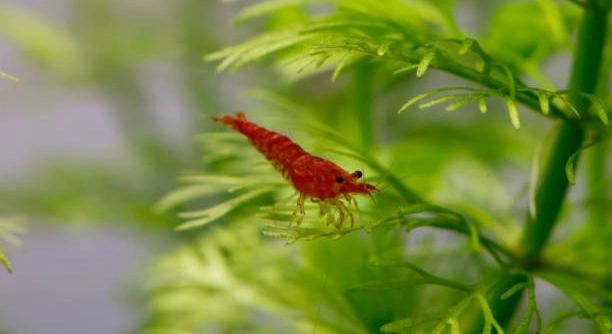
Cherry shrimp are vibrant, small freshwater creatures that add color and life to aquariums. Providing the right environment is essential for their well-being. One key factor in their habitat is the choice of substrate, which affects health and growth.
Several substrates are suitable for cherry shrimp, including fine gravel, sand, clay-based substrates, active soil, peat-infused soil, and aquarium-safe plant substrates. Each provides benefits such as water stability, pH balance, and surface area for biofilm growth.
Choosing the right substrate can improve shrimp health and tank aesthetics, making maintenance easier and enhancing your aquarium’s overall environment.
Fine Gravel
Fine gravel is a common substrate choice for cherry shrimp tanks. It allows water to flow freely between particles, preventing anaerobic spots that could harm shrimp. Its texture is gentle on delicate shrimp, allowing them to forage comfortably. Gravel also provides a stable base for plants, which shrimp use for grazing biofilm and hiding. Unlike larger gravel, fine gravel does not trap excessive debris, making tank maintenance easier. It is available in various colors, enabling aesthetic customization without affecting water parameters. While it does not significantly alter pH, pairing it with water conditioners ensures a balanced environment. Shrimp readily explore fine gravel, and it encourages natural behaviors such as digging and grazing. For planted tanks, roots penetrate easily, promoting healthy plant growth and additional surfaces for microorganisms that shrimp feed on. Fine gravel is widely available, affordable, and suits both beginners and experienced aquarists who want a simple yet effective substrate for cherry shrimp care.
Fine gravel supports shrimp activity, promotes plant growth, and keeps the aquarium clean with minimal maintenance required.
Its versatility makes it ideal for both decorative and functional purposes. Shrimp thrive on the surface for grazing, and plants root securely. The small gaps allow biofilm to develop naturally, feeding the shrimp and creating a balanced micro-ecosystem. Additionally, fine gravel reduces the risk of compacted areas that can trap waste, helping maintain water quality. It does not alter water chemistry significantly, but when paired with regular water checks, it creates a stable environment. Color options enhance tank design, and its availability in different particle sizes allows for tailored setups. Shrimp feel safe and explore freely, while plants establish roots and flourish. Overall, fine gravel balances aesthetics, functionality, and shrimp health effectively.
Sand
Sand provides a smooth, soft surface ideal for cherry shrimp to forage and rest. Its fine texture allows shrimp to sift easily without injury, creating a natural environment similar to their wild habitat.
Sand minimizes debris accumulation, reducing the need for frequent cleaning and maintaining clearer water.
It also enhances plant rooting and biofilm growth. Its compact surface supports mosses, small plants, and algae growth, which serve as additional food sources. Sand can affect water chemistry slightly, depending on the type, so monitoring pH is important. Rounded grains prevent shrimp injury while promoting natural behaviors. It offers a clean, minimalistic look that complements colorful shrimp. Some aquarists combine sand with other substrates for layered effects, improving aesthetics and function. Shrimp appear more active on sand, exploring and feeding naturally. Its fine composition ensures waste does not settle in gaps, making maintenance easier. Properly rinsed sand avoids cloudiness during initial setup, and it encourages a healthy ecosystem with thriving microfauna, supporting shrimp nutrition and overall tank balance.
Active Soil
Active soil helps maintain stable water parameters, particularly soft, slightly acidic conditions that cherry shrimp prefer. It releases beneficial nutrients for plants and promotes biofilm growth, which shrimp feed on regularly.
This substrate gradually lowers pH and softens water, creating a more natural environment for cherry shrimp. It also supports plant growth by supplying essential minerals and trace elements directly to the roots. Active soil retains moisture efficiently, preventing plants from drying out and sustaining microorganisms that thrive on its surface. The fine texture allows shrimp to forage safely, reducing the risk of injury. Its buffering capacity helps reduce sudden fluctuations in water chemistry, which can stress shrimp. Many aquarists notice improved shrimp activity and health when using active soil because it mimics their natural habitat, encouraging natural grazing and hiding behaviors. Regular maintenance ensures longevity while maintaining water clarity.
Shrimp adapt quickly to active soil, and it promotes plant health and a thriving micro-ecosystem. It also improves water stability, supporting overall tank balance.
Peat-Infused Substrate
Peat-infused substrate gently lowers water pH and adds natural tannins, creating conditions suitable for cherry shrimp. Its porous texture encourages biofilm growth, which shrimp graze on throughout the day.
This substrate also enhances water softness, reducing stress on shrimp and improving molting success. Peat provides organic compounds that support beneficial bacteria and microorganisms, forming a stable ecosystem. It works well with plants, helping roots establish while keeping nutrients available. Shrimp feel secure on its surface, and the gradual release of tannins can give water a warm, natural hue. Peat can be combined with other substrates to adjust its intensity, allowing customization for both plant growth and shrimp activity. Over time, it enriches the tank environment while supporting long-term health of both flora and fauna. Its lightweight structure makes it easy to clean without disturbing roots or shrimp habitats.
Clay-Based Substrate
Clay-based substrate provides minerals that support plant growth and buffer water conditions. Its porous structure promotes biofilm development, which cherry shrimp feed on continuously.
It helps maintain stable pH levels, reducing stress on shrimp. The texture is gentle, allowing shrimp to explore and forage safely without risk of injury.
Aquarium Plant Substrate
Aquarium plant substrates are nutrient-rich and designed to support root development. They supply essential minerals that benefit both plants and the microorganisms shrimp rely on for food. Properly layered, they improve water circulation while preventing compaction, creating an optimal environment for shrimp activity and plant growth.
Mixed Substrate
Combining different substrate types allows for customization of tank conditions. Cherry shrimp benefit from the stability and nutrients provided, while plants can thrive in layered environments designed for root support.
FAQ
What is the best substrate for cherry shrimp?
The best substrate for cherry shrimp depends on tank conditions and maintenance preferences. Fine gravel and sand are safe and simple, providing a smooth surface for shrimp to forage. Active soil and peat-infused substrates create slightly acidic, soft water, which suits their natural habitat and encourages healthy molting. Clay-based and plant-specific substrates supply nutrients for plants while supporting biofilm growth, giving shrimp natural food sources. Many aquarists combine substrates to balance aesthetics, plant growth, and water chemistry stability.
Can cherry shrimp live on sand alone?
Yes, cherry shrimp can live on sand alone, as it is gentle on their bodies and allows natural grazing behavior. Sand minimizes trapped debris, making maintenance easier. Rounded grains reduce injury risk, and biofilm can form naturally, supporting their diet. Some aquarists mix sand with soil or gravel to improve nutrient availability for plants while keeping shrimp safe. Proper rinsing before use prevents cloudiness, and monitoring water parameters ensures shrimp remain healthy over time.
Do substrates affect water parameters for cherry shrimp?
Substrates can significantly affect water parameters. Active soil and peat-based substrates gradually lower pH and soften water, creating a stable environment suitable for cherry shrimp. Gravel and sand generally have minimal chemical impact, but their particle size affects debris accumulation and circulation. Clay-based and plant substrates provide buffering capacity and minerals that stabilize water chemistry. Using a substrate compatible with your water source reduces stress on shrimp, promotes healthy growth, and supports plant development. Combining substrates can help tailor conditions to shrimp needs while maintaining a balanced ecosystem.
How often should substrates be cleaned or maintained?
Substrates should be gently cleaned when debris accumulates to prevent water quality issues. Gravel and sand benefit from light siphoning during water changes, while active soil or peat-infused substrates require minimal disturbance to preserve nutrients. Plant-specific and clay-based substrates rarely need direct cleaning, as biofilm and microorganisms contribute to a healthy environment. Over-cleaning can remove essential microorganisms and disrupt shrimp foraging areas. Routine maintenance includes monitoring water clarity, removing visible debris, and occasionally stirring or gently vacuuming the top layer without disturbing roots.
Can I mix different substrates in a single tank?
Yes, mixing substrates is a common practice to combine benefits. For example, using a layer of active soil beneath fine gravel or sand supports plant growth and provides biofilm for shrimp. Peat-infused substrates can be combined with clay or sand to slightly adjust water chemistry and improve aesthetics. Mixed substrates allow flexibility for shrimp activity, plant rooting, and water stability. It is important to layer carefully to prevent mixing that may cloud water or compact the lower layers. A well-planned combination can create a thriving, balanced environment for both shrimp and plants.
Are there substrates that should be avoided for cherry shrimp?
Avoid substrates with sharp edges, chemicals, or heavy metals, as these can harm shrimp. Large, coarse gravel can trap debris and injure delicate shrimp. Substrates that dramatically alter water chemistry without monitoring can stress shrimp and disrupt plant growth. Avoid untreated soils from outdoors, as they may contain pesticides or contaminants. Always rinse and prepare new substrates before adding them to the tank. Choosing safe, tested aquarium substrates ensures shrimp safety and encourages natural behaviors, growth, and overall health.
Does substrate choice impact shrimp breeding?
Yes, substrate can influence breeding success. Soft, slightly acidic substrates like active soil or peat-infused soils provide favorable water conditions for egg development and molting. Biofilm on substrates offers natural food sources for juveniles. Fine gravel or sand allows shrimp to forage and hide safely, reducing stress during breeding. Substrate that encourages plant growth also provides shelter and surfaces for shrimp to explore, improving reproductive activity. A carefully selected substrate contributes to a stable, nutrient-rich environment, supporting both adult shrimp and their offspring.
Can I change substrate after shrimp are established?
Changing substrate after shrimp are established requires caution. Sudden changes can stress shrimp and affect water parameters. If a change is necessary, consider adding the new substrate gradually or using a layered approach, leaving some old substrate temporarily. Monitor pH, hardness, and temperature closely during the transition. Gently move shrimp to avoid injury and allow time for microorganisms to establish on the new surface. Gradual adaptation ensures shrimp remain healthy, plants continue to thrive, and the tank ecosystem remains balanced during the change.
Is substrate important for planted shrimp tanks?
Substrate is crucial for planted shrimp tanks. Nutrient-rich soils and plant substrates support root development, enhancing plant health and providing natural grazing surfaces. Clay-based and mixed substrates promote biofilm growth and water stability. Well-chosen substrates improve aesthetics, encourage natural shrimp behavior, and support a sustainable ecosystem. Substrate also affects water clarity, nutrient availability, and long-term maintenance, making it a key factor in a thriving planted shrimp tank. Selecting the right substrate ensures plants flourish, shrimp remain active, and the tank maintains balance naturally.
How do I know if my substrate is suitable?
A suitable substrate maintains stable water parameters, supports plants, and encourages natural shrimp behavior. Observe shrimp activity: active foraging, grazing on biofilm, and frequent exploration indicate comfort. Plants should root well and grow steadily. Monitor water pH, hardness, and clarity to ensure the substrate does not cause fluctuations. Gentle cleaning should be sufficient to prevent debris accumulation without disturbing the ecosystem. If shrimp appear stressed, hide excessively, or fail to molt properly, the substrate may need adjustment. Choosing a tested, compatible substrate ensures long-term shrimp health and a balanced aquarium environment.
Final Thoughts
Selecting the right substrate for cherry shrimp is one of the most important decisions for maintaining a healthy aquarium. The substrate affects water chemistry, plant growth, and shrimp behavior, making it central to their overall well-being. Different types of substrates offer unique benefits. Fine gravel and sand provide a smooth surface for shrimp to explore safely while allowing waste to settle minimally. Active soils and peat-infused substrates create slightly acidic, soft water, closely resembling the shrimp’s natural habitat. Clay-based and plant-specific substrates supply essential minerals and nutrients for rooted plants, which indirectly benefit shrimp by supporting biofilm growth. Each substrate has advantages depending on whether the focus is on plant growth, shrimp activity, or water stability. Understanding these differences helps in making an informed choice that supports both the aquatic plants and the shrimp living in the tank.
Maintenance is also a key consideration when choosing a substrate. While some options like sand or fine gravel are easy to clean, nutrient-rich soils and clay-based substrates require gentler care to preserve beneficial microorganisms and prevent disrupting plant roots. Biofilm development is crucial for cherry shrimp, as it serves as a primary food source, so disturbing the substrate too frequently can reduce their nutrition and stress the shrimp. Many aquarists find that a layered approach, combining different substrates, creates a balanced environment. This allows plants to access nutrients while giving shrimp a soft surface to forage on. Regular monitoring of water parameters, including pH and hardness, is necessary regardless of substrate choice, as changes in water chemistry can affect shrimp health. Taking the time to observe shrimp behavior and plant growth helps determine whether the substrate is performing well and supports a thriving tank ecosystem.
The choice of substrate has a lasting impact on the long-term success of a cherry shrimp tank. Beyond aesthetics, the substrate shapes how shrimp interact with their environment and how plants grow, influencing overall tank stability. By selecting substrates that meet the specific needs of cherry shrimp, hobbyists can encourage natural behaviors like grazing, hiding, and breeding. Combining substrates or adjusting them based on tank conditions offers flexibility to improve shrimp activity and plant health. Ultimately, the goal is to create a stable, nutrient-rich environment where shrimp can thrive and the tank ecosystem remains balanced. Paying attention to these factors ensures that both the shrimp and plants remain healthy, creating a visually appealing and sustainable aquarium setup. Proper substrate selection simplifies maintenance, supports natural shrimp behavior, and promotes long-term health, making it a critical component of a successful cherry shrimp habitat.

Hello,
If you enjoy the content that we create, please consider saying a "Thank You!" by leaving a tip.
Every little bit helps us continue crafting quality advice that supports the health, happiness, and well-being of pets around the world, for pets of all shapes, sizes, and species.
We really appreciate the kindness and support that you show us!