
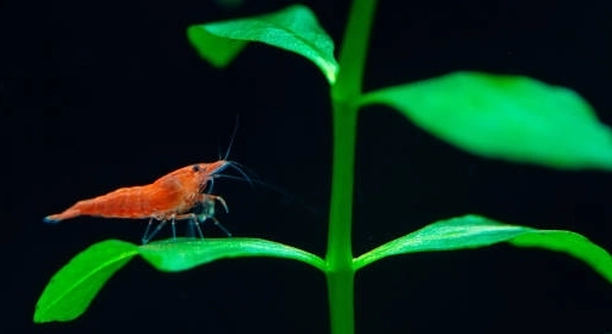
Do you ever notice your shrimp moving slowly or hiding for long periods? Observing their behavior can be surprisingly telling. Like many small pets, shrimp show subtle signs when their environment fails to keep them engaged.
Shrimp often display boredom through repetitive behaviors, reduced activity, and lack of interaction with their surroundings. Environmental monotony, insufficient stimulation, and limited space contribute to these signs, which can affect their overall health and well-being in captivity.
Recognizing these behaviors early allows you to improve their habitat and activities. Small changes can make a significant difference in your shrimp’s daily life.
Lack of Activity
Shrimp naturally explore their environment, searching for food and interacting with surfaces. When they become bored, their movement slows and they may stay in one spot for long periods. Tanks without hiding spots, plants, or decorations can make shrimp feel unstimulated. They need textures and spaces to climb, graze, and swim freely. A bare tank can quickly lead to repetitive, aimless movement or prolonged inactivity. Observing shrimp at different times of day can reveal patterns. Some may be more active in the evening, but persistent inactivity suggests they need enrichment. Introducing rocks, moss, or small plants provides surfaces to explore, which encourages natural behaviors. Even simple additions like a small leaf or driftwood can stimulate curiosity. Activity levels often increase when they have varied textures and areas to explore. Paying attention to these subtle changes ensures your shrimp stay mentally and physically healthy, while also keeping their tank lively and engaging.
Providing new spaces and textures encourages them to move more and interact with their environment. Small additions can make a noticeable difference.
By adding enrichment items gradually, you can observe which objects your shrimp prefer. Some may favor climbing moss, while others graze on surfaces more often. Tracking these behaviors helps you understand their interests. Rotating decorations occasionally keeps the environment fresh. Avoid overcrowding, which can stress shrimp and limit movement. Food distribution also impacts activity. Scattering small portions encourages exploration, whereas a single feeding spot can reduce movement. Regular observation allows you to note changes in patterns and preferences. Adjusting the tank layout based on their responses maintains stimulation. A well-planned environment supports physical health, as active shrimp are less prone to disease and lethargy. Even minor changes in tank structure can transform the overall energy of your shrimp, keeping them engaged and thriving.
Repetitive Motions
Shrimp may repeat the same movements if bored, such as pacing along the glass or flicking their legs continuously.
Repetitive motions often indicate a lack of mental stimulation. They may trace the same route repeatedly or climb the same surface without variation. This behavior is a sign the tank environment is not sufficiently engaging. Observing these patterns closely can help identify areas needing improvement. Changing tank layout or adding new textures can redirect this behavior.
Adding variety to the tank helps reduce repetitive motions. Introducing plants, rocks, or feeding in different locations encourages natural behaviors. Rotate decorations occasionally to maintain interest. Even small changes can spark curiosity and reduce monotonous movement. Tracking patterns over days allows for better adjustments. A stimulated shrimp is more likely to explore, interact with surfaces, and display natural behaviors. By monitoring and adjusting their environment, repetitive behaviors can be minimized, supporting mental and physical well-being. Active and varied movement also enhances their appearance, as shrimp with proper stimulation show brighter colors and healthier activity levels.
Loss of Appetite
Shrimp that are bored often eat less or ignore food entirely. Their interest in regular feeding routines may drop, signaling mental or environmental under-stimulation.
A consistent loss of appetite can affect their health over time. Bored shrimp may graze less on algae or avoid prepared foods, which can lead to nutrient deficiencies. Environmental enrichment can help stimulate feeding. Adding fresh plants, moss, or hiding spots encourages natural foraging behavior. Changing feeding methods, like scattering food or offering small portions in different areas, can reignite interest. Monitoring which foods they respond to most helps maintain proper nutrition. Ensuring varied textures and locations keeps them engaged and encourages consistent eating patterns.
Behavioral changes often accompany appetite loss. Bored shrimp may remain motionless for extended periods, moving only minimally to nibble on food. They may also avoid interacting with other shrimp or exploring surfaces. Adjusting the tank environment gradually allows observation of responses and preferences. By providing stimulation, appetite often improves naturally, restoring normal grazing and active behavior. Tracking these changes ensures their health is supported while also maintaining a more dynamic and lively tank atmosphere for all inhabitants.
Excessive Hiding
Shrimp that hide constantly often signal boredom or stress, spending most of their time under rocks or decorations.
Excessive hiding reduces interaction with the environment and limits natural behaviors like grazing and swimming. Without stimulation, shrimp may retreat to the same spots repeatedly. This behavior can make it harder to monitor health and feeding habits. Gradually introducing new elements such as moss, plants, or small hiding structures can encourage them to explore more. Observing preferred hiding spots helps understand their comfort zones. Varying the environment by rearranging decorations or adding new textures sparks curiosity and reduces prolonged hiding tendencies.
Encouraging exploration is key to reducing hiding. Place food in new areas to motivate movement, and rotate decorations to keep the habitat engaging. This approach supports mental stimulation and promotes active, natural behaviors. Over time, shrimp that previously hid excessively begin to spend more time exploring and interacting with surfaces. A stimulated tank encourages social behaviors and physical activity, which improves overall health and vibrancy. Tracking these patterns allows adjustments to enrichment strategies, ensuring shrimp remain active, visible, and engaged throughout the day.
Lethargy
Bored shrimp often appear sluggish, moving slowly or resting for long periods. Reduced activity is a clear indicator that their environment lacks stimulation.
Lethargy can affect feeding, social interactions, and overall health. Introducing new textures, plants, or decorations encourages movement and exploration, helping them regain normal energy levels.
Constant Climbing
Shrimp may climb tank walls or decorations repeatedly when unstimulated. This behavior reflects their need for engagement and mental stimulation, rather than physical necessity.
Providing varied surfaces and rotating decorations can redirect climbing behavior. Adding moss, rocks, or small plants creates exploration opportunities. Observing which areas attract attention allows adjustments that encourage natural grazing and active behavior, keeping shrimp engaged and healthier.
Color Fading
Shrimp that appear dull or faded often show signs of stress or boredom, which can affect overall vibrancy.
Maintaining a stimulating environment with varied textures, plants, and enriched spaces supports natural coloration. Active shrimp display brighter colors, while monotony can cause dullness over time.
How can I tell if my shrimp are bored?
Bored shrimp often show changes in behavior. They may become less active, hide for extended periods, or repeat the same motions without purpose. Loss of appetite and dull coloration are also common indicators. Observing your shrimp regularly can help identify these subtle changes early.
What types of tank decorations help prevent boredom?
Variety is key for stimulation. Plants, moss, rocks, and driftwood provide surfaces for grazing, climbing, and exploring. Small hiding spots encourage natural behavior, while textured surfaces keep them engaged. Rotating decorations occasionally can renew interest and prevent monotony in the tank environment.
How does food affect shrimp activity?
Food placement influences movement. Scattering small portions encourages exploration, while leaving all food in one spot can reduce activity. Varying the type of food, such as algae wafers, blanched vegetables, or specialized shrimp pellets, also provides mental and physical stimulation, keeping shrimp engaged.
Is tank size important for shrimp stimulation?
Yes, larger tanks generally offer more space for swimming, grazing, and exploration. Overcrowded or small tanks can increase stress and boredom. Ensuring proper water flow, hiding spots, and enrichment areas supports natural behavior, even in smaller setups.
Can social interaction prevent boredom?
Shrimp are social creatures. Keeping them in small groups encourages activity and interaction. Observing group dynamics helps identify individual behaviors. However, overcrowding can cause stress, so balancing social interaction with available space is essential for mental and physical health.
How often should I change the tank layout?
Changing the layout gradually every few weeks helps maintain curiosity and exploration. Rearranging plants, rocks, or decorations provides new paths and surfaces to investigate. Avoid drastic changes that can stress shrimp; small, incremental adjustments work best to keep them engaged.
Do lighting and water conditions affect boredom?
Consistent lighting cycles help shrimp establish natural routines. Too bright or inconsistent lighting may stress them, while proper conditions encourage normal activity. Stable water parameters, including temperature, pH, and cleanliness, are essential. Stress from poor water quality can mimic or worsen signs of boredom.
Can enrichment toys or items for shrimp make a difference?
Yes, adding new textures like small leaves, driftwood, or moss balls provides stimulation. Shrimp use these objects for grazing, climbing, and hiding. Even small, inexpensive additions can significantly improve engagement and reduce repetitive or lethargic behaviors.
How long does it take to see improvements after adding enrichment?
Changes are often noticeable within days to a week. Shrimp may start exploring new areas, grazing on different surfaces, or becoming more active. Tracking behavior helps determine which changes are effective and which areas need further enrichment.
Are there signs that boredom is affecting shrimp health?
Boredom can contribute to decreased appetite, dull coloration, lethargy, and excessive hiding. Monitoring these behaviors alongside general health, such as molting patterns and growth, ensures that interventions are timely. A well-stimulated tank supports both mental and physical well-being.
Can rearranging food help with boredom?
Yes, placing food in new spots encourages movement and exploration. Even simple changes, like scattering pellets across different surfaces or adding small portions near decorations, motivate shrimp to forage and interact with their environment more actively.
Is it necessary to have live plants in the tank?
Live plants provide both enrichment and natural grazing surfaces. They offer hiding spots, climbing opportunities, and areas to explore. While not strictly required, they significantly contribute to reducing boredom and promoting natural behaviors in shrimp.
How do I balance enrichment without overcrowding the tank?
Plan additions carefully. Provide hiding spots and textures while leaving open swimming space. Avoid placing too many objects in a small tank, as it can limit movement. Observing shrimp interactions helps determine if the balance is correct and ensures both stimulation and comfort.
Can changing water flow help with stimulation?
Yes, gentle currents encourage shrimp to explore and move more actively. Adding a filter with adjustable flow or positioning decorations to create different currents stimulates natural swimming behavior without causing stress. Monitoring responses ensures the flow remains suitable for all shrimp.
How often should I check for boredom signs?
Daily observation is ideal. Noticing small behavioral changes early allows prompt adjustments to the tank environment. Track movement, feeding, hiding, and social interaction to ensure shrimp remain active, healthy, and engaged.
Shrimp are small, delicate creatures, but their behavior can tell us a lot about their well-being. Observing them regularly is essential, as boredom may manifest in subtle ways, such as reduced activity, repetitive movements, or excessive hiding. Even small changes in behavior, like slower swimming or avoiding food, can indicate that their environment is not stimulating enough. Unlike larger pets, shrimp cannot communicate directly, so it is up to us to notice these cues and respond appropriately. Taking time to watch them throughout the day helps identify patterns and allows for timely adjustments to their habitat.
Providing a varied and engaging environment is the most effective way to prevent boredom in shrimp. Natural textures like moss, plants, and rocks offer surfaces for grazing, climbing, and exploring. Adding small decorations or rearranging existing ones can encourage curiosity and reduce repetitive behaviors. Food placement and type also play a role in maintaining mental and physical stimulation. Scattering small portions or offering a variety of foods encourages movement and natural foraging behavior. Social interaction is another factor to consider, as shrimp are naturally social. Keeping them in small groups allows for interaction and activity, but overcrowding must be avoided to prevent stress. Balancing these elements ensures shrimp remain engaged while maintaining their health.
Monitoring shrimp over time is crucial for their long-term well-being. Observing changes in activity, appetite, and coloration provides insight into how effective environmental adjustments are. Gradual modifications, such as introducing new textures, rotating decorations, or altering food distribution, can significantly improve their engagement. A well-stimulated tank supports both mental and physical health, preventing lethargy, dull coloration, and loss of appetite. Even simple additions, like a small piece of driftwood or a fresh plant, can create noticeable improvements in activity levels and exploration. By paying attention to these details, it is possible to maintain a healthy, dynamic environment that promotes natural behaviors and keeps shrimp active and vibrant.

Hello,
If you enjoy the content that we create, please consider saying a "Thank You!" by leaving a tip.
Every little bit helps us continue crafting quality advice that supports the health, happiness, and well-being of pets around the world, for pets of all shapes, sizes, and species.
We really appreciate the kindness and support that you show us!