
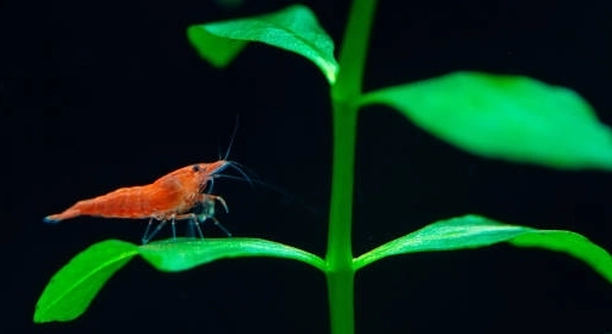
Shrimp are small but active creatures, and their tanks need more than just water. Many decorations serve no real purpose, but some are actually useful for shrimp. Choosing the right items can improve their environment naturally.
Shrimp actively use tank decorations that provide hiding spots, grazing surfaces, and climbing areas. Moss, rocks, driftwood, and small plants create functional habitats, helping shrimp feel secure, forage efficiently, and maintain natural behaviors in a controlled environment.
Knowing which decorations benefit shrimp can make their tank healthier and more enjoyable. The right setup can improve both their activity levels and overall well-being.
Moss Balls for Hiding and Grazing
Moss balls are more than decoration; shrimp love them. They provide tiny hiding spots for shy shrimp and surfaces to graze on biofilm. In my tanks, I noticed shrimp spending hours exploring and nibbling on these green spheres. They help reduce stress, especially for baby shrimp. Moss balls also float or stay on the substrate depending on how they are placed, making them versatile for different tank layouts. Their slow growth means minimal maintenance, and they naturally improve water quality by absorbing nitrates. I like arranging them in clusters, which creates a small, natural microhabitat. Shrimp interact with moss balls constantly, climbing over them, resting, and grazing. Their green color also adds a calming touch to the tank.
Shrimp use moss balls for both grazing and hiding, making them highly functional. Their presence improves shrimp activity and promotes healthier behavior overall.
Adding moss balls can transform an ordinary tank into a lively, interactive space. They are easy to care for, last long, and create a more natural feeling. Watching shrimp climb, hide, and feed on them shows how such simple items can greatly enrich their environment.
Driftwood for Climbing and Shelter
Driftwood gives shrimp surfaces to climb and spaces to hide. Its texture encourages natural behavior while creating a visually appealing tank.
Driftwood slowly releases tannins, slightly tinting the water, which can benefit shrimp health. It also provides surfaces for biofilm growth, giving shrimp constant access to food. I often choose pieces with branches or holes so shrimp can explore different angles. Shrimp tend to gather under driftwood during molting periods, finding safety in small crevices. Over time, driftwood also supports beneficial bacteria, contributing to a stable ecosystem. Some species of driftwood even lower water pH slightly, which mimics natural habitats. Positioning driftwood properly is important; it should be stable to prevent shifting that could injure shrimp. By combining driftwood with moss or small plants, you can create layered zones that feel secure. In my tanks, shrimp often use driftwood as a central hub, resting, climbing, and feeding on the microfilm that grows there. Its multifunctional role makes it a key feature in any shrimp-friendly setup.
Small Plants for Shelter and Grazing
Small plants give shrimp places to hide and surfaces to feed. They help reduce stress and add natural texture to the tank.
Plants like Java fern, Anubias, and dwarf water lettuce are easy to maintain and provide shrimp with secure hiding spots. Baby shrimp often cling to leaves for safety while molting or resting. Plants also support biofilm growth, which becomes a constant food source. I’ve seen shrimp spend hours grazing on plant surfaces, climbing stems, and exploring leaf edges. The plants create vertical space in the tank, letting shrimp move freely without feeling exposed. Regular trimming keeps plants healthy and prevents overcrowding, ensuring shrimp have consistent access to open areas and dense foliage. Small plants also improve water quality by absorbing nutrients and limiting algae growth, making them both practical and beneficial. In my tanks, they naturally encourage activity and reduce aggressive behavior.
Plants help shrimp feel secure while offering constant grazing opportunities. Their presence supports natural behavior and enhances tank balance.
Rocks and Pebbles for Climbing and Hiding
Rocks create small crevices for shrimp to explore and rest. They add stability to the tank’s layout and improve aesthetics.
Layering rocks of different sizes offers shrimp climbing surfaces and hiding areas. I arrange them to create small caves where shrimp can molt safely or escape from more active tank mates. Rocks also collect biofilm and algae, giving shrimp a reliable food source. Using smooth river stones or slate reduces the risk of injury while maintaining texture for climbing. Combining rocks with moss or small plants creates shaded areas that shrimp favor during the day. I often notice shrimp repeatedly returning to the same rock crevices, showing their preference for safe, structured spaces. Rocks also influence water flow, slowing currents in certain areas, which makes shrimp activity more predictable. Properly rinsed and positioned, rocks stay stable over time and enhance both function and natural appearance in the tank.
Pebbles and rocks offer safe climbing zones and food surfaces. They improve tank structure while providing shrimp with secure hiding spots and grazing areas.
Leaf Litter for Grazing and Shelter
Leaf litter provides shrimp with surfaces to graze and small spaces to hide. It slowly breaks down, creating natural food and nutrients in the tank.
Indian almond leaves and oak leaves are popular choices. Shrimp crawl over them, feeding on biofilm and decomposing material. Leaves also soften the water slightly, which some shrimp prefer. I like placing a few leaves in corners or under plants, giving shrimp quiet spots to rest. Over time, leaves become microhabitats for microorganisms, increasing food availability naturally. Shrimp often gather under leaves during molting periods, taking advantage of the cover they provide. Using leaf litter is simple and low-maintenance, and it encourages natural behavior.
Ceramic Caves for Privacy
Ceramic caves offer secure hiding places for shrimp. They come in different shapes and sizes, suitable for various tank layouts.
Shrimp use these caves to molt safely or escape bright light and active tank mates. I usually place them near plants or moss to create layered hiding zones. Ceramic is inert, so it does not affect water chemistry, making it safe for all shrimp species. These caves also encourage social interaction, as shrimp often gather near entrances. Over time, biofilm builds up on the surface, giving shrimp an additional grazing source. The caves are easy to clean and move if needed. By providing multiple caves, each shrimp can find a comfortable, private area, reducing stress and aggression in the tank.
Floating Plants for Shade
Floating plants give shrimp shaded areas and surfaces to explore. They help create a calm environment while reducing light exposure.
FAQ
What decorations are safest for shrimp?
Smooth rocks, ceramic caves, small plants, moss balls, and driftwood are all safe choices. Avoid sharp or chemically treated items that could injure shrimp or alter water chemistry. I always rinse new decorations thoroughly before adding them to my tanks to prevent contaminants or dust.
How many hiding spots do shrimp need?
Shrimp feel safer with multiple hiding options. I try to provide at least one hiding spot per shrimp, using a mix of moss, plants, and caves. More hiding areas reduce stress, especially during molting periods, and encourage natural behavior.
Do shrimp use decorations for feeding?
Yes, decorations like moss balls, rocks, and leaf litter collect biofilm, algae, and microorganisms. Shrimp graze on these surfaces constantly. I’ve noticed shrimp spending hours exploring each item, which keeps them active and supports healthy digestion.
Can decorations affect water quality?
Certain decorations, like driftwood or leaf litter, slowly release tannins that slightly tint the water and lower pH. This mimics natural habitats. Plants also absorb nutrients, reducing nitrate buildup. I monitor water parameters closely to ensure decorations provide benefits without causing stress.
Are floating plants useful for shrimp?
Floating plants create shaded areas, helping shy shrimp feel secure. They also reduce light intensity in the tank and support microorganisms on their roots that shrimp can feed on. I often place floating plants over feeding areas, giving shrimp easy access to both shade and food.
How often should decorations be cleaned?
Decorations should be gently rinsed or scrubbed monthly to remove excess algae or debris without removing biofilm completely. I avoid harsh cleaning, as biofilm is a primary food source. Moss balls may need occasional squeezing or rinsing to remove trapped detritus.
Do shrimp need climbing surfaces?
Yes, surfaces like rocks, driftwood, and plant stems allow shrimp to climb, explore, and find elevated grazing spots. I’ve observed shrimp prefer areas with vertical textures, giving them more room to move without feeling exposed. This also encourages exercise and natural behavior.
Can decorations prevent aggressive behavior?
Providing multiple hiding spots and layered zones reduces stress and competition. I’ve noticed tanks with caves, plants, and moss balls have calmer shrimp, especially when multiple species are kept together. Overcrowding or lack of cover often leads to more chasing and stress.
Are live plants better than artificial ones?
Live plants offer biofilm, hiding spots, and nutrient absorption, which benefit shrimp. Artificial plants only provide cover. I personally prefer live plants because they actively contribute to water quality and feeding opportunities, making the tank more functional.
Can shrimp use decorations during molting?
Yes, they seek secluded areas under moss, plants, leaf litter, or inside caves. I always make sure each shrimp has access to at least one safe spot during molting, which reduces stress and vulnerability to other tank inhabitants.
Do decorations need to match tank size?
Decorations should fit the scale of the tank and shrimp. Large pieces may overcrowd small tanks, while tiny items may get ignored in bigger setups. I balance the number of hiding spots and open space so shrimp can explore comfortably without feeling exposed.
Is variety important in tank decorations?
Yes, a mix of moss, plants, rocks, caves, and leaf litter creates a more stimulating and functional environment. Shrimp use different decorations for hiding, grazing, and climbing. I find that variety keeps them active and encourages natural behavior consistently.
How do I know if a decoration is being used?
Observe shrimp behavior over several days. Items they frequently explore, climb, or graze on are being used. I often see shrimp repeatedly returning to certain rocks or moss balls, indicating preference and functional benefit.
Can decorations help with breeding?
Yes, decorations provide safe spots for baby shrimp to hide from adults. Dense moss, plants, and small caves improve survival rates. I always include multiple microhabitats in breeding tanks, giving juveniles a better chance to thrive without interference.
Are any decorations bad for water chemistry?
Avoid untreated metals, painted items, or resin decorations that can leach harmful chemicals. Some driftwood and certain stones may alter pH slightly, but generally, natural items like moss, live plants, and smooth rocks are safe. I always research new additions before putting them in my tank.
How do I arrange decorations for maximum use?
Layer items for vertical and horizontal space. Place moss on rocks, caves near plants, and floating plants over feeding zones. I arrange decorations to create multiple hiding spots, grazing surfaces, and climbing areas so shrimp can interact with each piece naturally.
Can decorations reduce algae growth?
Indirectly, yes. Live plants absorb excess nutrients that algae use to grow. Decorations also create shaded areas, slowing light exposure and limiting algae buildup. I still clean surfaces when algae becomes noticeable but rely on plants and shrimp grazing to manage growth naturally.
Do shrimp prefer natural over artificial decorations?
Generally, shrimp favor natural textures like moss, plants, driftwood, and rocks. These surfaces collect biofilm and microorganisms, providing food. I’ve noticed shrimp spending little time on smooth plastic decorations unless biofilm forms, showing their preference for natural surfaces.
Can decorations improve shrimp activity?
Yes, functional decorations increase exploration, grazing, and climbing. I notice more movement in tanks with moss, plants, caves, and rocks compared to bare tanks. Active shrimp are usually healthier and less stressed, showing clear benefits from well-chosen items.
How often should I change decorations?
Frequent changes are not necessary unless adding new hiding spots or improving layout. I occasionally rearrange items to stimulate exploration, but stability is important to prevent stress. Shrimp get used to their environment and interact more confidently when decorations remain consistent.
Final Thoughts
Creating a tank environment that shrimp actually use takes some planning, but it does not have to be complicated. Shrimp are small and active, and they interact with decorations for many reasons. Hiding spots, grazing surfaces, and climbing areas are all essential for their comfort. Items like moss balls, small plants, driftwood, rocks, leaf litter, ceramic caves, and floating plants serve more than an aesthetic purpose. Each one gives shrimp a way to behave naturally. I have noticed that shrimp spend more time exploring and grazing when these items are placed thoughtfully. Even small tanks can support a variety of decorations, as long as space is balanced. It is important to keep open swimming areas while providing enough cover. When decorations are arranged in layers, shrimp can choose where to go depending on their activity level or mood. Layering also makes the tank feel more dynamic and natural without overcrowding it.
Decorations also contribute to overall tank health. Moss, plants, and leaf litter help collect biofilm and microorganisms, which are important food sources for shrimp. Some decorations like driftwood slowly release tannins or provide surfaces for beneficial bacteria, which can improve water quality. Live plants absorb nutrients, helping reduce algae growth, while leaf litter slowly decomposes to enrich the environment. Rocks and ceramic caves provide stable structures for shrimp to climb and hide, creating functional spaces that support natural behaviors. I have found that monitoring how shrimp interact with each item helps determine whether it is serving a useful purpose. If decorations go unused, they can be replaced or rearranged. Observing shrimp behavior closely ensures that every piece in the tank adds value. Functional decorations are not just for looks; they help shrimp stay healthy, active, and comfortable.
Maintaining a shrimp tank is an ongoing process, but the right decorations make it easier. When shrimp have access to multiple hiding spots, surfaces for grazing, and climbing areas, stress is reduced, and activity increases. Baby shrimp also benefit, as they can find safe spaces during molting or while exploring. Arranging decorations in a way that mimics natural habitats encourages shrimp to interact with their environment more confidently. Regular cleaning and monitoring of both decorations and water parameters keep the tank balanced. Over time, functional decorations like moss balls, plants, driftwood, rocks, and caves create a thriving ecosystem that supports shrimp growth and well-being. A well-thought-out tank can enhance the quality of life for shrimp, making them more active, healthier, and easier to care for. By focusing on items that shrimp actually use, a tank becomes more than just a display; it becomes a space where shrimp can live naturally and comfortably, showing behavior that is both fascinating and rewarding to observe.

Hello,
If you enjoy the content that we create, please consider saying a "Thank You!" by leaving a tip.
Every little bit helps us continue crafting quality advice that supports the health, happiness, and well-being of pets around the world, for pets of all shapes, sizes, and species.
We really appreciate the kindness and support that you show us!