
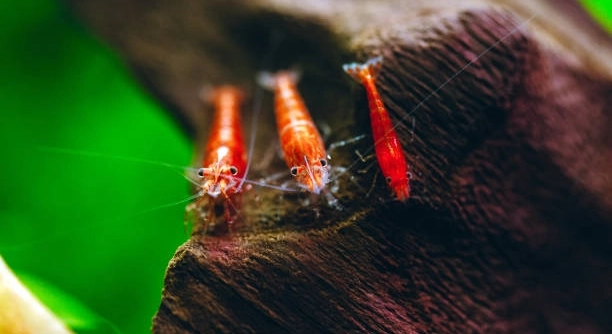
Cherry shrimp are small freshwater creatures often kept in aquariums for their bright colors and peaceful nature. Observing them can reveal surprising behaviors, especially during periods of rest or inactivity in their tanks. Their movements are gentle and precise.
Cherry shrimp are capable of resting while in various positions, including hanging upside down. During these periods, their activity slows significantly, and they enter a state similar to sleep, conserving energy while maintaining balance and grip on surfaces.
Learning more about their resting habits can improve care and tank setup. Observing these behaviors provides insight into their natural rhythms and comfort in captivity.
How Cherry Shrimp Rest
Cherry shrimp have a subtle way of showing when they are resting. Their movements slow, and they often cling to plants or tank surfaces with their tiny legs. Even when upside down, they can hold their position without straining. This behavior is natural and helps them conserve energy. Observing them closely, you may notice that their antennae barely move, and their bodies remain relatively still for several minutes. Unlike larger animals, their sleep is not deep, but it allows them to maintain alertness in case of sudden changes in the tank. The color of their shells may become slightly duller while resting, signaling a lower activity level. Their resting patterns vary depending on light, temperature, and feeding schedules. Providing a stable environment with plenty of plants and hiding spots encourages healthy rest. Over time, you will recognize specific spots they prefer, often near leaves or decorations, giving them both comfort and security.
Resting upside down is completely normal for cherry shrimp and indicates comfort and adaptation to their habitat.
Observing these resting habits can help you identify when something is off in their environment. Stress, poor water quality, or lack of hiding places can disrupt normal rest. Maintaining consistent tank conditions, like temperature and filtration, supports their natural behaviors. Feeding schedules also play a role; shrimp may rest more after eating or when food is scarce. Watching their behavior can guide adjustments in care, ensuring shrimp remain active and healthy. Even small changes, such as adding moss or smooth rocks, can improve their resting comfort. This knowledge helps create an environment where shrimp can thrive, stay alert, and display natural behaviors. Recognizing these patterns provides insight into their daily routines and enhances your ability to meet their needs effectively.
Signs Your Shrimp Are Sleeping
Cherry shrimp show sleep through stillness, reduced antennae movement, and clinging to surfaces quietly.
Shrimp exhibit clear patterns when resting. They often choose secluded spots or cling upside down on plant leaves and decorations. Their bodies remain still, and antennae movement slows. These behaviors are indicators of low activity and energy conservation. Tank lighting influences their rest; dim or gentle lighting encourages longer periods of inactivity, while sudden bright light can cause them to move. Feeding timing also impacts when they rest, as they may pause activity after meals. Observing these patterns helps ensure they are comfortable and safe. Adjustments in tank setup, such as adding hiding spots and stable surfaces, support natural behaviors. Paying attention to these signals allows for timely interventions if health or environment issues arise. Over time, noticing their preferences and resting routines improves care, promoting a healthier and more balanced aquarium ecosystem.
Why Shrimp Hang Upside Down
Cherry shrimp often cling upside down to plants or decorations while resting. This position allows them to feel secure and reduces the effort needed to stay balanced. It is a natural behavior and not a sign of illness or discomfort.
Upside-down resting helps cherry shrimp conserve energy and stay alert to changes in their environment. By gripping leaves or smooth surfaces with their tiny legs, they maintain stability without expending much effort. This position also provides them with a sense of safety, as they can quickly respond to nearby movement or potential threats. It is a common sight in well-planted tanks, especially when they feel comfortable and undisturbed. Observing this behavior indicates that the shrimp are relaxed and adapting well to their surroundings. Their ability to hang in various positions reflects their flexibility and natural instincts.
The physical structure of cherry shrimp supports this behavior. Their legs and claws are designed to grip surfaces efficiently, even in inverted positions. They use these adaptations to rest safely, feed, or explore without tiring quickly. The environment plays a crucial role; smooth leaves, moss, or decorations offer ideal gripping spots. Tanks with sufficient plants and stable surfaces encourage this behavior. Recognizing that hanging upside down is normal prevents unnecessary concern and promotes a better understanding of their habits. Ensuring the tank supports these positions helps maintain their health and comfort.
Factors Affecting Shrimp Sleep
Light, temperature, and tank conditions directly impact how cherry shrimp rest and sleep.
Proper lighting is essential; shrimp prefer dim conditions for extended rest. Sudden bright lights can startle them, causing interrupted sleep and stress. Temperature stability is equally important, as fluctuations may alter their metabolism and activity levels. Tank cleanliness and water quality influence rest patterns. High ammonia or nitrate levels can disturb normal behavior, reducing the time shrimp spend resting. Providing hiding spots and consistent feeding schedules also supports regular sleep. Observing shrimp under varying conditions helps identify what encourages peaceful rest and ensures they remain healthy, alert, and comfortable in their environment.
Common Resting Spots
Cherry shrimp often rest on plant leaves, moss, or decorations. These surfaces provide stability and a sense of security.
They may also cling to tank walls or smooth rocks. Choosing elevated or secluded spots helps them feel safe while minimizing disturbances from other tank inhabitants.
Signs of Deep Rest
During deep rest, cherry shrimp remain very still with minimal antennae movement. Their body posture becomes relaxed, and their grip on surfaces is firm yet effortless. Observing this indicates that the shrimp are in a natural, energy-conserving state, essential for their overall health and daily activity balance.
Tips for Encouraging Rest
Providing plenty of plants, moss, and hiding spots creates a comfortable environment for shrimp. Gentle lighting and stable water conditions further support peaceful rest periods, promoting natural behavior and overall well-being.
FAQ
How long do cherry shrimp sleep?
Cherry shrimp do not have long, continuous sleep like humans. They rest in short intervals throughout the day and night. These periods of reduced movement and slower antennae activity allow them to conserve energy while staying alert to changes in their environment. On average, a shrimp may enter these restful states multiple times a day, each lasting from a few minutes to half an hour. Their sleep cycles are influenced by tank lighting, feeding schedules, and water conditions. Observing them over several days helps identify patterns and preferred resting times.
Can cherry shrimp sleep while upside down?
Yes, cherry shrimp can rest while hanging upside down. Their small legs and claws allow them to grip plants, moss, or decorations securely. This position is natural and comfortable, letting them conserve energy while remaining alert. It is not a sign of illness, but rather an adaptation to their environment. In tanks with plenty of surfaces to cling to, upside-down resting is common. Watching shrimp in this position indicates they feel safe and secure in their habitat. Providing stable surfaces and hiding spots encourages this behavior.
Do cherry shrimp need complete darkness to sleep?
Complete darkness is not necessary, but dim lighting encourages longer rest periods. Sudden bright lights can startle shrimp and disrupt their sleep patterns. Soft lighting or shaded areas in the tank allows shrimp to rest comfortably without interruption. They adapt to regular aquarium lighting if it follows a consistent day-night cycle. Observing how shrimp behave under different lighting can help create an environment that supports their natural sleep habits.
How can you tell if a cherry shrimp is resting or sick?
Resting shrimp remain still but maintain a firm grip on surfaces, and their antennae move slowly or intermittently. Sick shrimp may appear lethargic, stay at the bottom, or show unusual swimming patterns. Discoloration or a lack of response to normal tank activity may also indicate illness. Monitoring their behavior over time helps distinguish normal rest from potential health issues. Proper tank maintenance, water quality, and nutrition support healthy rest patterns.
Does tank size affect cherry shrimp sleep?
Tank size influences resting behavior indirectly. Smaller tanks may have fewer hiding spots, making shrimp feel less secure and reducing rest periods. Larger tanks with plenty of plants, moss, and decorations allow shrimp to choose preferred resting spots, including elevated or secluded areas. Ensuring a comfortable environment supports regular sleep and natural behaviors. Observation of individual shrimp preferences is helpful for arranging the tank to meet their needs.
Do cherry shrimp sleep more at night?
Cherry shrimp do not follow a strict nocturnal schedule. Their rest periods are spread throughout the day and night. Light cycles, feeding times, and environmental stability influence when they rest. Observing patterns over several days helps identify typical active and rest phases. Providing consistent lighting and feeding routines encourages predictable behavior and healthy sleep cycles.
Can stress affect cherry shrimp sleep?
Yes, stress significantly impacts rest. Poor water quality, overcrowding, aggressive tank mates, or sudden changes in temperature or light can reduce rest periods. Stressed shrimp may remain active longer or hide excessively without resting. Maintaining a calm, stable environment with adequate hiding spaces and proper water parameters supports normal resting behavior.
Are all cherry shrimp the same in sleep behavior?
Individual shrimp may show slight differences in resting habits. Some prefer elevated surfaces, while others cling to the substrate or plants. Age, size, and social interactions can influence resting positions and duration. Observing each shrimp helps identify their unique preferences, improving overall care.
Does diet affect cherry shrimp sleep?
Yes, feeding patterns influence rest. Well-fed shrimp tend to rest after meals, conserving energy. Inconsistent feeding or low-quality food can cause stress and disrupt sleep patterns. Providing a balanced diet and regular feeding schedule encourages healthy, predictable rest periods.
Can you disturb a sleeping cherry shrimp?
Disturbing resting shrimp may cause temporary stress or disrupt their energy conservation. While they recover quickly, repeated disturbances can affect overall health. Avoid tapping the tank or sudden movements during rest periods. Gentle observation allows you to monitor their behavior without causing stress.
Is hanging upside down safe for baby shrimp?
Yes, juvenile shrimp also hang upside down safely. Their small size and lightweight bodies allow them to grip surfaces without risk. Providing moss, fine-leaved plants, or small decorations gives young shrimp opportunities to rest comfortably and develop normal behaviors.
How does water flow affect resting behavior?
Strong currents make it harder for shrimp to maintain grip while resting, especially in inverted positions. Gentle water flow or calm areas near plants and decorations support uninterrupted rest. Observing their preferred spots helps adjust filters or flow settings for optimal comfort.
Do cherry shrimp rest more during certain seasons?
In aquariums, seasonal changes are minimal, but natural lighting cycles may affect rest patterns. Slight variations in temperature or light intensity can influence activity. Maintaining consistent environmental conditions ensures shrimp rest regularly and remain healthy year-round.
Can other tank mates disrupt cherry shrimp sleep?
Yes, active or aggressive tank mates can disturb resting shrimp. Hiding spots and plants help shrimp avoid constant interference. Providing adequate space and carefully selecting compatible tank mates minimizes disturbances and supports normal resting behavior.
Does water temperature affect sleep?
Water temperature directly influences metabolism and activity levels. Colder water slows movement, increasing rest periods, while warmer water can raise activity and reduce rest. Maintaining a stable, suitable temperature range promotes healthy sleep and overall shrimp health.
Is it normal for shrimp to rest in groups?
Yes, cherry shrimp sometimes rest near each other on the same surfaces. This behavior does not indicate stress but rather comfort in familiar surroundings. Providing ample space prevents overcrowding while allowing natural social interactions.
How can you encourage upside-down resting?
Include moss, smooth plant leaves, and decorations with stable surfaces. Gentle lighting, consistent feeding, and calm tank conditions help shrimp feel safe enough to hang upside down during rest. Observing their preferred spots ensures they can rest naturally without interference.
Can shrimp rest in the substrate?
Yes, shrimp occasionally rest on the tank substrate, especially near plants or hiding spots. This position is normal, particularly if elevated surfaces are limited or they feel secure close to the bottom.
Do stressed shrimp avoid resting?
Yes, stressed shrimp often move constantly or hide excessively, reducing normal rest periods. Addressing water quality, overcrowding, and tank disturbances helps restore natural resting behaviors.
Are shrimp more active after rest?
Yes, after resting, shrimp display higher activity levels, feeding, exploring, or interacting with tank mates. Regular rest is essential for energy conservation and overall health.
Can shrimp die from lack of rest?
Chronic stress or poor tank conditions that prevent rest can weaken shrimp over time. Ensuring proper habitat, water quality, and diet supports regular rest and long-term survival.
Do shrimp dream?
There is no evidence that cherry shrimp dream. Their rest involves reduced activity and energy conservation, but brain activity is not complex enough to produce dreams.
How do you know if a resting shrimp is comfortable?
A comfortable shrimp remains still, clings securely, and resumes normal activity quickly after resting. Consistent color, smooth movement, and relaxed posture indicate comfort.
Does tank decoration placement matter?
Yes, arranging plants, moss, and decorations strategically provides safe resting spots and encourages natural behavior. Multiple levels and surfaces increase opportunities for comfortable positions.
Can juvenile and adult shrimp rest differently?
Juveniles may cling closer to moss or substrate, while adults often use elevated leaves or decorations. Both display similar patterns of stillness and slow antennae movement, adjusted for size and strength.
Is resting behavior influenced by breeding?
Yes, pregnant shrimp may rest more frequently and choose secluded spots for safety. Providing ample cover supports natural reproductive behavior while maintaining normal rest patterns.
How long can a shrimp stay upside down?
Shrimp can hang upside down for extended periods, often several minutes at a time. Their anatomy and grip strength allow them to maintain this position without strain, reflecting natural adaptability.
Can light timers help shrimp sleep?
Yes, consistent light cycles encourage predictable activity and rest. Timers reduce sudden changes that could disturb resting shrimp, promoting stable sleep patterns and healthier behavior.
Do shrimp show signs of sleep deprivation?
Shrimp deprived of rest may become less active, show erratic movements, or increase hiding behavior. Ensuring calm, safe conditions and adequate resting surfaces prevents these issues.
Are resting patterns the same for all shrimp species?
No, behaviors vary among species. Cherry shrimp rest frequently and in multiple positions, while other species may have different activity and resting cycles. Observation is key for understanding specific species.
Can feeding schedules be adjusted to support rest?
Yes, feeding at consistent times reduces stress and supports predictable rest periods. Overfeeding or erratic feeding can disrupt natural behavior, so regular, measured portions are ideal.
Do shrimp prefer soft or rough surfaces for resting?
Soft, smooth surfaces like moss or plant leaves are preferred for comfort and grip. Rough surfaces may be used but are less common unless they provide safety or shelter.
Can resting shrimp recover from minor injuries?
Yes, shrimp often rest more during recovery, conserving energy and maintaining grip. Proper tank conditions and gentle care support healing and normal behavior.
Is upside-down resting common in tanks without plants?
It is less common, as stable surfaces are limited. Adding moss, leaves, or decorations encourages upside-down resting even in sparse tanks.
Does water flow affect upside-down resting?
Yes, strong currents make it difficult to maintain grip. Calm areas near plants or decorations allow uninterrupted rest and safe inverted positions.
Can you train shrimp to rest in specific areas?
Not exactly, but providing ideal surfaces, hiding spots, and gentle lighting encourages shrimp to favor certain areas naturally. They adapt based on comfort and safety.
Do shrimp ever rest in mid-water?
Occasionally, shrimp may pause in mid-water, but it is rare. They typically choose surfaces that provide stability and security for effective rest.
Can tank mates disturb upside-down resting?
Yes, active fish or shrimp may bump or chase resting shrimp. Plenty of hiding spots and plants reduce disturbances and maintain peaceful rest.
Are there seasonal differences in resting behavior?
In indoor tanks, seasonal effects are minimal, but light cycles and slight temperature variations can influence activity and rest patterns slightly. Maintaining consistency helps.
How do you know if a shrimp is stressed while resting?
Erratic movement, constant hiding, or unusual posture during rest indicates stress. Checking water quality and tank conditions helps address these issues promptly.
Does tank size influence upside-down resting frequency?
Larger tanks with more surfaces allow shrimp to choose elevated spots and hang upside down comfortably, while smaller tanks may limit these opportunities.
Is upside-down resting safe for molting shrimp?
Yes, as long as surfaces are stable. Molting shrimp may prefer secluded spots to hang safely while soft shells harden.
Can multiple shrimp rest upside down together?
Yes, groups may rest near each other on the same surfaces. Space and stability prevent overcrowding while allowing natural social behavior.
Do shrimp show different resting postures by age?
Juveniles tend to cling closer to substrate or moss, while adults use elevated or more open surfaces. Both maintain stillness and minimal antennae movement.
Can resting behavior indicate tank health?
Yes, irregular rest patterns may signal poor water quality, overcrowding, or stress. Monitoring behavior helps maintain a healthy tank environment.
Does diet affect upside-down resting?
A balanced diet encourages normal rest, including upside-down positions. Malnutrition or irregular feeding may reduce resting comfort and activity levels.
Are hiding spots essential for restful sleep?
Yes, secure areas reduce stress and allow shrimp to rest naturally. Plants, moss, and decorations provide comfort and safety during sleep.
Can shrimp rest on filter intake or equipment?
They occasionally cling to equipment but prefer natural surfaces like plants or moss. Ensuring smooth surfaces prevents injury while resting.
Do cherry shrimp ever rest on water surface?
Rarely, unless feeding or interacting with floating plants. Most resting occurs on stable submerged surfaces.
Can frequent disturbances shorten rest periods?
Yes, repeated tapping or aggressive tank mates reduce rest frequency and quality. Minimizing disruptions supports healthy behavior.
Is upside-down resting influenced by water chemistry?
Yes, optimal pH, hardness, and cleanliness encourage normal resting positions. Poor water chemistry may reduce comfort and rest duration.
How long does it take for shrimp to adapt to new resting spots?
Shrimp typically explore for a few days before settling on preferred surfaces. Providing multiple options accelerates adaptation.
Do shrimp prefer natural or artificial plants for resting?
Both are used, but moss and soft-leaved plants, whether real or artificial, are ideal. Smooth surfaces provide comfort and grip for resting.
Can shrimp sleep in groups during molting?
Yes, but they often choose more secluded spots to avoid disturbance. Adequate hiding spaces ensure safe rest while vulnerable.
Are shrimp more likely to hang upside down in tall tanks?
Yes, taller tanks with vertical surfaces encourage vertical resting positions, including inverted clinging.
Do shrimp ever hang upside down while feeding?
Occasionally, they may feed while clinging upside down, combining energy conservation with food intake.
Can resting patterns change with age?
Yes, older shrimp may rest longer or prefer different surfaces. Observation helps provide appropriate support for each life stage.
Do shrimp require special surfaces for sleeping upside down?
Stable, non-slippery surfaces are sufficient. Moss, leaves, and smooth decorations offer comfort and grip for inverted resting positions.
Is it safe for shrimp to sleep near tank lights?
Direct bright lights can disturb rest. Shaded areas or gentle lighting help maintain peaceful sleep patterns.
Can frequent feeding reduce upside-down resting?
Excessive feeding may increase activity and reduce rest. Consistent, moderate feeding encourages natural behavior, including upside-down resting.
Do shrimp prefer resting near tank edges or center?
They often choose edges, plants, or decorations, which offer stability, cover, and a sense of security for resting comfortably.
Can water flow from filters disturb resting shrimp?
Strong flow can make it difficult to cling upside down. Calm areas near plants or decorations support uninterrupted rest and comfort.
Do shrimp ever rest in tight spaces?
Yes, small gaps, moss clusters, or dense plants provide safe, secure areas for rest, especially for shy or molting individuals.
Is upside-down resting a sign of health?
Generally, yes. It indicates that shrimp feel secure, are conserving energy, and can maintain balance and grip naturally.
Can shrimp adjust resting spots based on tank activity?
Yes, they often move to quieter, less trafficked areas when other inhabitants are active, ensuring uninterrupted rest and safety.
Are there risks to upside-down resting?
As long as surfaces are stable and water conditions are good, there are minimal risks. Providing safe surfaces prevents slips or stress.
Do shrimp rest more during feeding times?
They may rest before or after meals, conserving energy or processing food. Balanced feeding schedules maintain predictable rest patterns.
Can frequent tank cleaning disturb shrimp sleep?
Yes, moving decorations or plants disrupts resting spots. Cleaning gently and gradually minimizes interruptions to natural rest behavior.
Does tank height affect upside-down resting comfort?
Higher tanks with vertical surfaces encourage inverted positions. Shrimp adapt well if stable surfaces are available and water flow is moderate.
Are there signs that resting spots are unsafe?
Slippery, unstable, or sharp surfaces can lead to falls or injury. Observing shrimp behavior helps identify and correct risky areas.
Do shrimp prefer grouped or isolated resting?
Both occur naturally. Some rest near others for comfort, while shy or molting shrimp seek isolated spots for security.
Can water vibrations affect upside-down resting?
Yes, strong vibrations may disturb grip and rest. Minimizing external disturbances helps maintain peaceful sleep.
Does resting upside down help shrimp escape predators?
It allows them to remain alert and quickly respond while staying in a stable, elevated position, enhancing safety.
Can shrimp rest in artificial caves?
Yes, small caves or ornaments provide secure surfaces for resting, including upside-down positions if surfaces allow stable clinging.
Do shrimp prefer horizontal or vertical surfaces for resting?
Both are used. Horizontal surfaces provide comfort, while vertical surfaces support upside-down resting, depending on safety and availability.
Can water chemistry changes disrupt rest patterns?
Sudden changes in pH, hardness, or ammonia levels can disturb resting behavior. Maintaining stable water quality supports normal sleep.
Do shrimp ever switch resting spots frequently?
Yes, they may explore and rotate between multiple preferred surfaces, seeking comfort, safety, or better environmental conditions.
Is upside-down resting behavior observed in all shrimp species?
Not all. Cherry shrimp frequently use inverted positions, while other species may prefer horizontal or substrate resting, reflecting anatomical and behavioral differences.
Do shrimp sleep less in crowded tanks?
Crowding can increase stress, reduce hiding spaces, and limit comfortable resting surfaces, disrupting normal sleep behavior.
Can you provide extra moss to encourage upside-down resting?
Yes, moss offers soft, grippable surfaces that promote secure resting positions and overall comfort for shrimp.
Do shrimp need specific water hardness to rest upside down?
Normal water parameters suffice. Proper hardness supports general health, indirectly encouraging natural resting behavior, including upside-down positions.
Can shrimp rest near the filter without issues?
Yes, if the area is calm and surfaces are stable. Strong flow or suction should be avoided to prevent stress or injury.
Do shrimp ever rest near tank lights intentionally?
They typically avoid bright areas, preferring shaded spots. Gentle lighting supports natural resting behavior without disturbance.
Does molting affect upside-down resting frequency?
Molting shrimp may prefer secure, secluded spots for extended rest while shells harden. Providing safe surfaces supports recovery.
Can you observe shrimp sleep without disturbing them?
Yes, gentle observation from outside the tank allows monitoring of resting behavior, positions, and general health without causing stress.
Do shrimp change resting patterns with tank age?
As the tank matures, plants and decorations provide more surfaces and hiding spots, influencing resting positions and comfort.
Are upside-down resting shrimp more alert than those resting horizontally?
They remain alert in both positions, but elevated inverted spots allow quick response to disturbances while conserving energy.
Can sudden tank movements disrupt resting shrimp?
Yes, shaking or tapping the tank can disturb grip and cause temporary stress. Minimal disturbances ensure uninterrupted rest.
Do shrimp ever rest partially submerged in moss or decorations?
Yes, they may tuck part of their body into moss or dense plants while resting, increasing security and comfort.
Does temperature stability influence upside-down resting?
Stable temperatures support normal metabolism, comfort, and resting positions, including inverted clinging, promoting healthy behavior and energy conservation.
Can feeding live food disrupt resting patterns?
Live food may increase activity temporarily, but shrimp typically resume normal rest once feeding ends. Consistent schedules reduce disturbance.
**Do shrimp
Final Thoughts
Cherry shrimp are small, fascinating creatures that display unique behaviors in their tanks. Observing them rest, especially while hanging upside down, can be surprising at first, but it is entirely natural. Their tiny legs and claws are perfectly adapted to grip surfaces, allowing them to conserve energy while staying alert. This ability to rest in various positions shows their adaptability and comfort within their environment. Providing an aquarium that supports these behaviors is essential for their health and overall well-being. Plants, moss, and decorations offer secure resting spots that make it easier for shrimp to hang, cling, or tuck themselves in for short periods of inactivity. Even simple surfaces like smooth leaves or stones can serve as effective resting locations. The more options they have, the more likely they are to find a spot that meets their needs. Observing these resting habits over time helps you understand each shrimp’s personality and preferences, which can improve your care and interaction with them.
Resting behavior is closely linked to water conditions, lighting, and feeding schedules. Consistent, gentle lighting helps shrimp establish predictable rest periods, while sudden bright lights can interrupt their natural patterns. Temperature stability is also important, as fluctuations can increase activity or stress, reducing resting time. Clean, stable water encourages shrimp to rest comfortably, and the presence of hiding spots or dense vegetation makes them feel safe. Diet plays a role too; well-fed shrimp often rest after meals, conserving energy for exploration or social interactions later. Stressful conditions, such as aggressive tank mates or overcrowding, can interfere with rest and lead to noticeable behavioral changes. Watching for signs of comfort or distress, such as smooth movements, firm clinging, or irregular hiding, gives insight into their health. By maintaining a calm and supportive environment, you encourage natural behaviors, including upside-down resting, and promote the overall vitality of your shrimp.
Understanding cherry shrimp rest patterns can improve tank management and the quality of care you provide. Even though their sleep is not deep like in mammals, the periods of inactivity are crucial for energy conservation, growth, and maintaining alertness. They are creatures that thrive in stable, well-planned environments, and providing opportunities for rest reflects the attention you give to their needs. Observing upside-down resting or other resting postures is not only fascinating but also informative, signaling that your shrimp feel secure and comfortable. Over time, this observation allows you to adjust tank elements, lighting schedules, and feeding routines to suit their natural rhythms. Offering varied surfaces, hiding spots, and gentle lighting ensures that shrimp can rest in ways that feel natural and safe. Recognizing the importance of rest, including upside-down positions, is a key part of understanding shrimp behavior. It highlights the connection between a thoughtfully maintained aquarium and the health, comfort, and longevity of these small, captivating animals. Paying attention to these details helps create an environment where cherry shrimp can thrive, demonstrating that even simple actions, like observing how they rest, contribute to responsible and attentive care.

Hello,
If you enjoy the content that we create, please consider saying a "Thank You!" by leaving a tip.
Every little bit helps us continue crafting quality advice that supports the health, happiness, and well-being of pets around the world, for pets of all shapes, sizes, and species.
We really appreciate the kindness and support that you show us!