
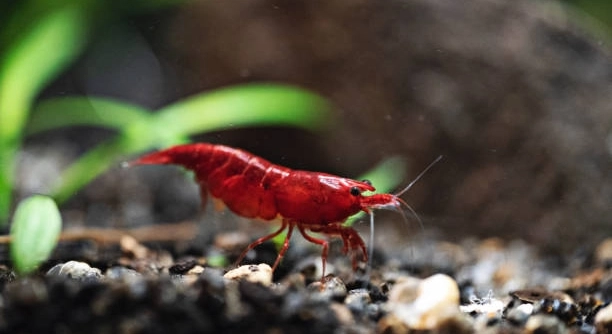
Cherry shrimp are fascinating little creatures that add life and color to freshwater aquariums. Many aquarists enjoy decorating tanks with driftwood, hoping shrimp will explore and graze on it naturally.
Cherry shrimp may ignore driftwood due to several environmental and biological factors. Water chemistry, insufficient biofilm growth, and existing food sources can reduce their interest. Additionally, driftwood type, placement, and age influence whether shrimp find it suitable for grazing.
Knowing why your shrimp may overlook driftwood can improve tank design and care practices. These insights will help create a more engaging and healthy environment for your shrimp.
Understanding Shrimp Behavior
Cherry shrimp are naturally cautious and selective about where they feed. They prefer surfaces with established biofilm, algae, or leftover food particles. Driftwood that is new or untreated may lack these appealing textures and scents. Shrimp may also avoid areas with strong currents, bright light, or sudden temperature changes. Their behavior is influenced by water parameters like pH, hardness, and temperature. If these factors are not ideal, shrimp may prefer hiding or staying near moss, plants, or the substrate. Observing shrimp over time helps identify which areas they favor and which remain untouched. Placement and preparation of driftwood matter too—soaking wood or lightly scrubbing off tannins can make it more attractive. Shrimp are also sensitive to other tank inhabitants; aggressive or fast-moving fish can discourage them from exploring certain sections of the tank. By considering these details, caretakers can better predict how shrimp interact with their environment and improve tank conditions.
Shrimp prefer stable environments with accessible food sources and minimal stress, which affects how they interact with driftwood and other decorations.
Proper tank setup involves more than just adding driftwood. Positioning pieces near hiding spots and feeding areas can encourage exploration. Over time, biofilm growth on wood surfaces attracts shrimp naturally, increasing activity and interaction. Driftwood should be introduced gradually, allowing shrimp to adapt. Observing their patterns helps adjust placement to optimize their comfort. Environmental stability, food availability, and gentle water flow work together to make driftwood a more appealing feature.
Preparing Driftwood for Shrimp
Driftwood must be treated before adding it to an aquarium. Soaking or boiling removes tannins and harmful organisms while softening the wood. This prevents water discoloration and makes surfaces more inviting for grazing. Properly prepared wood supports biofilm and algae growth, essential for shrimp feeding.
Introducing driftwood requires care. Gradually adding it allows shrimp to explore safely without stress. Cleaning and monitoring wood ensures it remains a healthy feeding and hiding spot. Positioning wood in shaded areas or near plants encourages natural grazing. Over time, driftwood becomes a stable part of the tank ecosystem. Some types of wood retain biofilm better than others, and rotating or rearranging pieces can maintain interest. Regular observation ensures shrimp are comfortable and actively using the wood. Adjustments in placement or water conditions can improve interaction. By preparing and managing driftwood effectively, caretakers can support shrimp health and enrich their environment with natural features they will actually use and enjoy.
Water Parameters and Their Impact
Stable water conditions are crucial for cherry shrimp activity. Sudden changes in pH, temperature, or hardness can make shrimp avoid driftwood or other decorations in the tank.
Shrimp are highly sensitive to their environment. Even small fluctuations in temperature can stress them, reducing their willingness to explore. Similarly, pH levels that are too high or too low interfere with feeding behavior. Hardness also affects molting cycles, which influences activity levels. Ensuring stable water parameters helps shrimp feel secure and more likely to interact with driftwood. Regular testing and slow adjustments keep conditions ideal.
Other factors like ammonia and nitrate levels directly influence shrimp behavior. High concentrations make shrimp hide or stick to plants instead of driftwood. Water flow is also important—too strong and shrimp cannot graze comfortably. By monitoring all these conditions carefully, you can create an environment where shrimp naturally explore, feed, and thrive, making driftwood a more useful and engaging element in the aquarium.
Driftwood Placement Strategies
Placement of driftwood can affect shrimp interaction. Positioning wood near moss or hiding spots increases the likelihood of shrimp exploring it.
Choosing the right locations helps shrimp feel safe. Driftwood placed under bright light or in open water is often ignored. Positioning near slow currents, plants, or shaded areas provides shelter and easy access to food. Multiple smaller pieces may work better than one large piece, offering more surfaces for grazing. Proper arrangement encourages shrimp to move across different tank zones while using the wood naturally.
Adjusting driftwood over time can maintain shrimp interest. Observing how shrimp interact allows small changes in orientation or location, promoting grazing and exploration. Combining plants, substrate, and driftwood placement can create microhabitats that appeal to shrimp. Additionally, driftwood surfaces can be enhanced by biofilm growth, which naturally attracts them. Strategic placement ensures driftwood serves both aesthetic and functional purposes, supporting shrimp activity, reducing stress, and improving overall tank health.
Biofilm and Algae Growth
Biofilm is a key food source that attracts cherry shrimp to driftwood. Without it, shrimp may ignore the wood entirely.
Algae growth also encourages exploration. Driftwood in shaded or low-flow areas develops a thin layer that shrimp can graze on, making the surface more appealing and useful in the tank.
Food Availability
Excess food in the tank can reduce interest in driftwood. Shrimp will often choose easily accessible pellets or flakes over grazing on wood surfaces. Ensuring controlled feeding encourages them to explore and utilize driftwood as a secondary food source.
Tank Companions
Fast or aggressive tank mates can intimidate shrimp. Even harmless fish may make driftwood less attractive if they dominate the area. Carefully choosing peaceful species allows shrimp to feed and explore comfortably.
Wood Type
Not all driftwood is equally suitable. Hard, dense woods take longer to develop biofilm, while softer varieties attract shrimp faster. Selecting the right type improves interaction and grazing behavior.
FAQ
Why do my cherry shrimp ignore driftwood even though the water is clean?
Even in clean water, shrimp may ignore driftwood if it lacks biofilm or algae. Newly added or untreated wood may not provide the textures and nutrients shrimp look for. Gradually introducing wood and allowing natural growth encourages them to explore it more.
Can driftwood type affect shrimp behavior?
Yes, some woods are more attractive than others. Softer woods like Malaysian driftwood develop biofilm faster, making them appealing for grazing. Hard, dense woods take longer to colonize and may be avoided initially. Choosing wood that supports biofilm growth improves interaction.
Does placement of driftwood really matter?
Placement is important. Driftwood positioned in shaded, low-flow areas or near plants and hiding spots is more likely to attract shrimp. Wood in bright, open areas or strong currents may be ignored, as shrimp prefer safe, calm surfaces.
How does food availability influence driftwood use?
Shrimp often prioritize readily available food. Overfeeding with pellets or flakes reduces interest in grazing on driftwood. Controlled feeding encourages shrimp to explore the wood as a secondary food source, promoting natural behaviors.
Can other tank inhabitants discourage shrimp from using driftwood?
Yes, active or aggressive fish can intimidate shrimp, making them avoid driftwood areas. Even peaceful fish may reduce driftwood use if they dominate the space. Ensuring a calm environment supports shrimp activity.
Does water chemistry play a role in shrimp ignoring driftwood?
Water parameters like pH, temperature, and hardness strongly affect shrimp behavior. Unstable or unsuitable conditions may stress shrimp, leading them to hide rather than explore driftwood. Keeping conditions consistent helps shrimp feel secure.
How long does it take for shrimp to start using new driftwood?
It can take days to weeks, depending on wood type, placement, and biofilm development. Patience is key; shrimp often explore gradually as surfaces become more inviting and familiar.
Should driftwood be cleaned or treated before adding to the tank?
Yes, soaking or boiling driftwood removes tannins and potential contaminants. Proper treatment prevents water discoloration and helps biofilm develop faster, making the wood more attractive to shrimp.
Is it normal for shrimp to ignore driftwood sometimes?
Yes, shrimp behavior varies individually. Some may prefer moss, plants, or substrate for grazing. Observing patterns over time helps determine their preferences and adjust tank design.
Can rotating or rearranging driftwood increase shrimp activity?
Yes, occasional adjustments can renew interest. Changing orientation or moving wood closer to feeding areas can encourage exploration, helping maintain natural grazing behavior and interaction in the aquarium.
Do shrimp interact differently with new versus aged driftwood?
Yes, aged driftwood typically has established biofilm and algae, attracting shrimp more quickly. Newly introduced wood may take time to develop these layers, which explains initial avoidance. Patience and observation are important.
Will lighting affect shrimp use of driftwood?
Indirectly, yes. Driftwood in shaded areas or gentle light encourages grazing, while harsh, bright light may deter shrimp. Balancing lighting ensures wood surfaces remain attractive without stressing the shrimp.
Can adding moss or plants near driftwood help?
Absolutely. Moss and plants provide cover and secondary grazing surfaces, increasing shrimp confidence. Placing driftwood near these areas makes it more accessible and encourages natural exploration behaviors.
How often should I check on shrimp and driftwood interaction?
Regular observation is helpful, but not overly frequent. Watching shrimp patterns a few times per week allows adjustments in placement, feeding, or water conditions to support driftwood use without stressing them.
Are there signs that shrimp are ready to use driftwood more?
Yes, if shrimp begin exploring near the wood, grazing on surfaces, or molting nearby, it indicates comfort. These behaviors suggest that driftwood is becoming a valued part of their environment.
Can adding biofilm supplements help attract shrimp?
Yes, adding supplements or natural sources of biofilm can make driftwood more appealing, especially when it’s new. This encourages grazing and helps shrimp adapt to newly introduced wood surfaces.
How long should I wait before expecting consistent driftwood use?
Consistency can take weeks. Time is needed for biofilm to grow, shrimp to explore safely, and environmental factors to stabilize. Observing and adjusting placement or feeding encourages gradual, steady interaction.
Is driftwood necessary for cherry shrimp tanks?
Not strictly, but it offers benefits like grazing surfaces, shelter, and aesthetic appeal. Even if shrimp ignore it at first, proper preparation and placement increase the likelihood it will become a functional part of the tank environment.
Can water flow adjustments increase driftwood use?
Yes, gentle, slow currents make driftwood more accessible. Strong flow may prevent shrimp from grazing comfortably, while stagnant areas allow biofilm to grow and attract them naturally.
Do seasonal or environmental changes affect shrimp behavior with driftwood?
Yes, temperature and light variations, even minor ones, can impact activity. Keeping conditions stable supports exploration and grazing, ensuring driftwood remains an attractive feature throughout the year.
What is the best way to encourage shy shrimp to use driftwood?
Provide cover, consistent food, and calm tank mates. Slowly introducing wood near hiding spots and letting biofilm develop encourages shrimp to gradually explore and utilize it without stress.
Can driftwood be harmful if ignored?
Generally, no. Untouched driftwood is safe but may release tannins initially. Proper preparation prevents issues. Ignored wood still contributes aesthetically and can become more useful over time as biofilm develops and shrimp grow accustomed.
Cherry shrimp are small but sensitive creatures, and understanding their behavior is key to creating a successful aquarium. They are naturally selective about where they feed and explore. Driftwood can be an attractive addition to their tank, providing surfaces for grazing, shelter, and a natural look. However, it is not guaranteed that shrimp will immediately use the wood. Several factors influence their interest, including water parameters, tank companions, and food availability. Shrimp rely on biofilm and algae as primary food sources, so driftwood without these layers is often ignored. Patience is essential, as it can take days or even weeks for shrimp to become comfortable with new wood. Observing shrimp behavior closely can help identify which areas they favor and what adjustments might encourage more interaction. Gradual introduction of driftwood, along with proper preparation and placement, increases the likelihood that the shrimp will explore and use it naturally over time.
Water parameters are a critical component of shrimp activity. Cherry shrimp are sensitive to sudden changes in pH, temperature, or water hardness, which can lead to stress and reduced movement. Even small fluctuations may cause shrimp to stay hidden rather than explore new surfaces. Keeping water conditions stable ensures that shrimp feel secure and are more likely to interact with all areas of the tank, including driftwood. Additionally, tank mates can influence behavior. Active or aggressive fish can intimidate shrimp, while peaceful species allow them to move freely and graze. Controlled feeding also encourages shrimp to explore surfaces like driftwood rather than relying solely on pellets or flakes. Paying attention to these details helps maintain a healthy environment where shrimp are active, comfortable, and more willing to use decorative elements.
Driftwood itself requires preparation to become an inviting space. Soaking or boiling wood removes tannins and harmful organisms while softening its surface, making it suitable for biofilm growth. Placement is equally important; wood positioned near hiding spots, plants, or shaded areas encourages shrimp to explore safely. Over time, natural growth of algae and biofilm on driftwood provides a reliable grazing surface. Some types of wood attract shrimp faster than others, so selecting appropriate varieties supports engagement. Observing shrimp behavior and adjusting placement as needed helps maintain interest and encourages natural feeding habits. While it may take time for shrimp to consistently use driftwood, thoughtful preparation, careful placement, and stable tank conditions create an environment where they can thrive, explore, and benefit from the addition of wood. This approach ensures both the shrimp’s well-being and the visual appeal of the aquarium.

Hello,
If you enjoy the content that we create, please consider saying a "Thank You!" by leaving a tip.
Every little bit helps us continue crafting quality advice that supports the health, happiness, and well-being of pets around the world, for pets of all shapes, sizes, and species.
We really appreciate the kindness and support that you show us!