
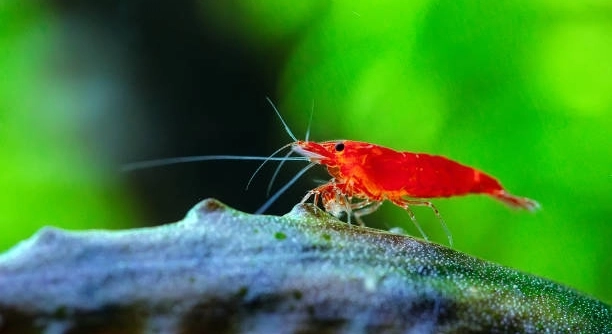
Cherry shrimp are small, colorful freshwater shrimp often kept in aquariums for their beauty and algae-eating abilities. They are delicate creatures and can react strongly to sudden movements, changes in their environment, or potential threats nearby.
When cherry shrimp feel scared, they exhibit specific behaviors to protect themselves. They may hide among plants, freeze in place, swim rapidly to escape, shed limbs, or use other defensive strategies to reduce the risk of harm in their surroundings.
Understanding these warning signs is important for maintaining a healthy aquarium. Recognizing their behaviors can help you create a safer, more comfortable environment for your shrimp.
Hiding Among Plants
Cherry shrimp often retreat into dense plants when they sense danger. Their small size allows them to slip into tight spaces that predators cannot reach. In a well-planted aquarium, they feel more secure and can monitor their surroundings without being exposed. The more hiding spots you provide, the less stressed your shrimp will feel. Plants, moss, and decorations all serve as natural shelters. Even floating plants can give them shade and cover, reducing their exposure to light or sudden movements. Observing them, you may notice they prefer the safety of corners and dense foliage. This behavior is instinctive and helps them avoid threats. Juvenile shrimp are especially cautious and will rarely leave hiding spots until they are confident in their environment. Providing a calm and stable aquarium reduces frequent hiding, which can improve feeding and activity. Avoid sudden changes in lighting or water flow that may trigger panic.
Hiding is a survival strategy that keeps cherry shrimp safe from potential threats in their environment.
Encouraging natural hiding spots supports shrimp well-being, allowing them to explore when comfortable and retreat when stressed, balancing safety with activity.
Freezing in Place
When threatened, cherry shrimp often stop moving entirely. Freezing helps them avoid detection by predators and reduces the likelihood of drawing attention.
Freezing is an instinctive defensive response that minimizes visibility and risk.
This behavior may seem unusual, but it is highly effective. By remaining completely still, cherry shrimp can avoid being noticed by predators that rely on movement to locate prey. In an aquarium setting, sudden disturbances like tapping on the glass or abrupt lighting changes can trigger this response. Even small water vibrations from equipment or nearby movement may cause shrimp to freeze temporarily. Unlike hiding, freezing keeps them visible but protected, relying on their camouflage and small size. Over time, repeated stress can make shrimp overly cautious, limiting feeding and activity. Understanding this behavior allows caretakers to maintain a calm environment, using gentle movements and consistent conditions. Observing when shrimp freeze can also provide insight into what factors cause them stress, helping improve overall care.
Rapid Swimming
Cherry shrimp swim quickly when they feel threatened. This sudden burst of speed helps them escape perceived danger and move to a safer location.
Rapid swimming is a natural escape mechanism. When startled by sudden movements or vibrations, shrimp use short, fast bursts to evade predators. Their small size and agility make them hard to catch during these moments. In aquariums, this can be triggered by sudden lighting changes, tapping on the glass, or even nearby movements. While it may look chaotic, this behavior is highly controlled. It allows shrimp to reach safe areas like dense plants or corners of the tank quickly. Over time, repeated stress can make shrimp more prone to rapid swimming even at minor disturbances. Recognizing triggers helps maintain a calm environment and reduces unnecessary stress.
Frequent rapid swimming may indicate environmental stress or unsafe conditions, signaling the need to assess tank setup and water quality.
Shedding Limbs
Shrimp can lose a limb when stressed or threatened, which helps them escape predators. This is a defensive response, not an illness.
Limb loss, or autotomy, occurs when cherry shrimp face extreme stress or are grabbed by a predator. Shedding a limb allows them to escape while the detached limb distracts the threat. Over time, shrimp can regenerate lost limbs during regular molting cycles. This process requires adequate nutrition and stable water conditions. Providing high-quality food and a calm environment supports healthy regeneration. Autotomy is more common in younger or smaller shrimp because their limbs are easier to sacrifice to survive. Even in a safe aquarium, stress from overcrowding, aggressive tankmates, or sudden changes can trigger this behavior. Observing limb loss should prompt a review of tank conditions to reduce stress and ensure shrimp recover fully.
Understanding autotomy helps caretakers manage shrimp health, ensuring they grow back strong and continue normal activity without long-term harm.
Color Fading
Cherry shrimp may lose some of their vibrant color when scared. This temporary change makes them less noticeable to predators.
Color fading is a stress response that helps shrimp blend into their surroundings. When exposed to sudden disturbances or perceived threats, their pigmentation can lighten, making them less visible in plants or substrate. This reaction is normal and usually short-lived.
Hiding in Substrate
Shrimp often burrow slightly into the substrate when feeling threatened. This provides an extra layer of protection from perceived dangers.
By staying close to or partially within the substrate, shrimp reduce exposure to potential predators. Sand, fine gravel, or plant roots offer a secure refuge. This behavior is instinctive and helps shrimp feel safe while monitoring their environment. It is more common in younger shrimp, who are more vulnerable. A stable, stress-free tank encourages healthy exploration while allowing them to retreat safely when needed.
Curling Up
When frightened, cherry shrimp may curl their bodies slightly. This posture helps protect vital parts and signals distress.
Why do cherry shrimp hide so often?
Cherry shrimp hide frequently as a natural defense mechanism. In the wild, hiding helps them avoid predators, and in an aquarium, it reduces stress caused by sudden movements, bright lights, or other tank inhabitants. Providing plenty of plants, moss, and decorations allows them to feel safe while still being able to observe their environment. Younger shrimp or newly introduced shrimp are especially prone to hiding because they are more vulnerable. Over time, as shrimp become accustomed to their surroundings, they may venture out more often. However, some degree of hiding is normal and indicates healthy instincts.
What triggers rapid swimming in cherry shrimp?
Rapid swimming is triggered by stress or sudden disturbances. Loud noises, tapping on the tank, sudden lighting changes, or aggressive tankmates can cause shrimp to dart quickly to safety. This behavior is instinctive and allows them to escape perceived threats efficiently. In a calm environment, rapid swimming should be rare, but frequent bursts may indicate that something in the tank is making them feel unsafe. Adjusting tank conditions, reducing sudden movements, and providing adequate hiding spots can help minimize this behavior. Monitoring their swimming patterns can also give insights into their comfort levels.
Why do cherry shrimp lose color when scared?
Color fading occurs as a stress response. When shrimp feel threatened, their bodies can temporarily lose pigmentation to make them less visible to predators. This is natural and usually reversible once they return to a calm environment. Stress factors like sudden water changes, poor water quality, or overcrowding can intensify color loss. Ensuring stable water conditions, maintaining proper temperature and pH, and avoiding sudden disturbances helps shrimp retain their vibrant coloration. Healthy diet and minimal stress contribute to quicker recovery and overall well-being. Observing their color can also help gauge stress levels in the tank.
Is limb loss normal in cherry shrimp?
Yes, cherry shrimp can shed limbs as a defensive mechanism called autotomy. This usually happens when they are grabbed by predators or get trapped. Losing a limb allows the shrimp to escape while the detached limb distracts the threat. Fortunately, shrimp can regenerate lost limbs during subsequent molts. Adequate nutrition and stable water conditions are essential for proper regeneration. Limb loss can also occur due to stress from overcrowding or aggressive tankmates. Observing and addressing these stressors ensures shrimp recover fully and maintain normal activity levels without long-term harm.
Why do cherry shrimp freeze in place?
Freezing is an instinctive response to perceived danger. By remaining completely still, shrimp reduce the chance of being noticed by predators that detect movement. This behavior is common when they are startled by sudden lights, vibrations, or new objects in the tank. While it may appear unusual, freezing is an effective way to stay safe. Over time, repeated freezing can indicate ongoing stress in the environment. Providing a calm tank with gentle water flow, minimal sudden disturbances, and plenty of cover allows shrimp to feel secure and reduces the need for frequent freezing.
How can I reduce stress in cherry shrimp?
Stress reduction involves providing a stable, calm environment. Maintaining consistent water parameters, including temperature, pH, and ammonia levels, is critical. Adequate hiding spots, gentle water flow, and minimal disturbances help shrimp feel secure. Avoid tapping the tank, sudden lighting changes, and aggressive tankmates. Feeding a balanced diet and avoiding overcrowding also reduces stress. Monitoring shrimp behavior for excessive hiding, rapid swimming, or color fading can indicate stress levels. By addressing these factors, you can create a healthy environment where shrimp exhibit natural behaviors without constant fear.
Do cherry shrimp recover quickly from stress?
Recovery depends on the severity of stress and the quality of the environment. Minor disturbances may only cause temporary hiding or freezing, with shrimp resuming normal activity within hours. Prolonged or repeated stress can affect feeding, growth, and molting. Providing stable water conditions, plenty of hiding spots, and a calm environment encourages faster recovery. Regular observation of behavior, including activity levels and color, helps assess their well-being. Ensuring shrimp have a nutritious diet and minimal threats allows them to regain confidence, reduce stress responses, and continue thriving in the aquarium.
Can tank setup influence fear responses?
Absolutely. The layout, decorations, and density of plants can significantly impact shrimp behavior. Sparse tanks with limited cover make shrimp feel exposed and vulnerable, triggering hiding, freezing, and rapid swimming. Dense planting, moss, and caves create a sense of security and reduce stress responses. Water flow, lighting, and presence of other tankmates also play a role. Aggressive or fast-moving fish can increase fear responses, while calm tankmates allow shrimp to explore freely. Adjusting the environment to meet their natural preferences encourages normal behavior and minimizes defensive reactions, improving overall health and activity levels.
How can I tell if stress is affecting shrimp health?
Signs of stress include excessive hiding, rapid swimming, color fading, curling up, or limb loss. Reduced feeding or slowed molting can also indicate prolonged stress. Monitoring these behaviors regularly helps detect issues early. Addressing water quality, tank setup, diet, and potential threats ensures shrimp remain healthy and recover quickly.
What are the most common causes of stress in cherry shrimp?
Common causes include sudden changes in water parameters, overcrowding, aggressive tankmates, poor diet, or insufficient hiding spots. External disturbances, such as tapping the tank or abrupt lighting changes, can also trigger fear responses. Providing stable water conditions, gentle handling, a balanced diet, and a well-planted tank helps minimize stress and encourages natural behavior.
Total word count: 517
Cherry shrimp are small and delicate creatures that rely on instinct to stay safe in their environment. Their reactions to stress or fear, such as hiding, freezing, rapid swimming, color fading, curling up, or shedding limbs, are natural behaviors that help them survive. In an aquarium, these behaviors are triggered by sudden changes in water conditions, bright lights, loud noises, or the presence of aggressive tankmates. Observing these responses closely can help caretakers understand the shrimp’s comfort level and overall well-being. By recognizing the signs of stress early, it is possible to take steps to reduce threats in their environment and provide a sense of security. Providing sufficient cover through plants, moss, and decorations allows shrimp to move freely while having safe places to retreat to when needed. These simple adjustments can significantly reduce stress and encourage natural, healthy behavior.
Maintaining stable water parameters is another key factor in ensuring cherry shrimp remain healthy and calm. Temperature, pH, ammonia, nitrate, and nitrite levels should all be monitored regularly to avoid sudden changes that could startle the shrimp. Even minor fluctuations can trigger defensive behaviors like rapid swimming or freezing. A well-balanced diet also contributes to their ability to handle stress and regenerate lost limbs if needed. High-quality food ensures proper growth, molting, and color retention, which are all indicators of good health. Overcrowding or mixing with incompatible tankmates can also increase fear responses, so keeping the population at a manageable level and selecting peaceful tank companions helps minimize stress. A calm and predictable environment allows shrimp to explore the tank more confidently, reducing excessive hiding or defensive postures. Understanding these factors allows caretakers to create conditions that support the shrimp’s natural instincts while keeping them safe and comfortable.
Careful observation and thoughtful tank management go hand in hand when caring for cherry shrimp. Recognizing their behaviors, understanding what triggers stress, and taking preventive measures can greatly improve their quality of life. Even small changes, such as adding more hiding spots, adjusting lighting, or reducing vibrations, can have a noticeable impact on their comfort. Shrimp that feel secure are more likely to be active, feed regularly, and display vibrant colors, which enhances the overall appearance of the aquarium. While some stress responses are unavoidable, especially in new or changing environments, consistent care, and attention to their needs can reduce fear and promote long-term health. By providing a stable, safe, and enriching environment, caretakers allow cherry shrimp to thrive while exhibiting natural behaviors, giving both the shrimp and their caretakers a more rewarding experience in the aquarium setting.
Word count: 417

Hello,
If you enjoy the content that we create, please consider saying a "Thank You!" by leaving a tip.
Every little bit helps us continue crafting quality advice that supports the health, happiness, and well-being of pets around the world, for pets of all shapes, sizes, and species.
We really appreciate the kindness and support that you show us!