
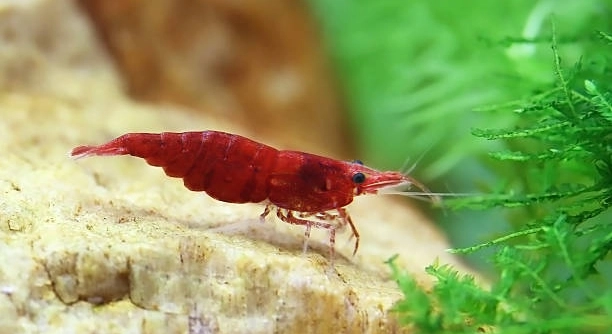
Have you ever noticed your cherry shrimp avoiding areas you just cleaned in your aquarium? Even though the water looks fresh and inviting, these tiny creatures often steer clear of spotless spaces for a while.
Cherry shrimp avoid freshly cleaned areas because cleaning removes the biofilm and natural scent cues they rely on. These surfaces feel unfamiliar and potentially unsafe, prompting shrimp to explore older, established areas where they feel more secure and protected.
Observing their cautious behavior can help you understand their needs and maintain a comfortable environment for them.
Why Cherry Shrimp Avoid Spotless Surfaces
When I first noticed my cherry shrimp avoiding freshly cleaned areas, it seemed strange. The water looked perfect, and the tank was sparkling, but the shrimp kept to the older parts. Shrimp rely on tiny microorganisms and biofilm on surfaces for food and comfort. Freshly cleaned areas remove these cues, making them feel exposed. Even minor changes in scent or texture can make shrimp hesitant. Their behavior is not stubbornness; it is a survival instinct. They prefer areas that smell familiar and have a soft layer of algae or bacteria to graze on. Watching them move slowly and carefully around new areas shows how much they rely on sensory cues. By understanding this, I started spacing out cleaning tasks, allowing some areas to remain undisturbed. Gradually, the shrimp began exploring again without stress, proving that small adjustments can make a big difference in their comfort.
Shrimp avoid freshly cleaned areas because these zones lack biofilm and familiar scent markers.
Keeping some surfaces untouched helps shrimp feel secure and continue their natural behaviors without stress.
Adjusting Your Cleaning Routine
A full tank scrub can unsettle shrimp for days, even when water quality is perfect.
By dividing cleaning into sections, you keep some areas intact. This allows shrimp to explore and feed without fear. Over time, they regain confidence and resume normal activity. Consistency and patience are key.
Frequent cleaning in one go removes more than just dirt. It strips surfaces of algae, biofilm, and microorganisms that shrimp graze on. They rely on these layers for nutrition and for signals that a surface is safe. Sudden changes make the tank feel unfamiliar and stressful, causing shrimp to hide. Instead of cleaning everything at once, I clean a section at a time, leaving other areas untouched. This gradual approach maintains hygiene without overwhelming the shrimp. Shrimp slowly acclimate to cleaned surfaces and begin to explore as biofilm regrows. Over several days, previously avoided zones become part of their active environment. By observing their movement patterns, you can see which areas they trust. This method ensures their comfort while keeping the tank healthy and visually clean.
The Role of Biofilm in Shrimp Behavior
Biofilm is more than just a slimy layer on surfaces. It provides food, safety signals, and familiar textures for shrimp. When removed during cleaning, shrimp sense an unfamiliar environment and naturally avoid it.
Biofilm is composed of bacteria, algae, and microorganisms that shrimp graze on daily. These layers release chemical cues that signal safety and familiarity. Without biofilm, freshly cleaned surfaces feel exposed and threatening. Shrimp are small and vulnerable, so they rely heavily on these cues to decide where to move, feed, or hide. Even minor disturbances can make a surface seem unsafe, which is why shrimp often linger in older areas with established biofilm while avoiding cleaned zones.
Rebuilding biofilm naturally takes time. After cleaning, shrimp may temporarily reduce movement in certain tank sections. Patience is essential, as repeated exposure to cleaned areas without biofilm can stress them. Introducing natural decorations or leaving small untouched areas allows biofilm to develop more quickly. This creates a gradual return of normal activity and feeding patterns. Over time, shrimp gain confidence in exploring the entire tank. Consistent observation helps adjust cleaning habits to suit their comfort, balancing hygiene and shrimp well-being.
Scent and Familiarity in the Aquarium
Shrimp use scent cues to navigate and feel secure. Freshly cleaned areas lack these signals, making them less appealing for exploration.
Shrimp detect chemical signals in water and on surfaces that tell them which areas are safe. Cleaning removes these familiar scents, which can confuse or stress shrimp. They may linger near decorations, plants, or substrate that still retain recognizable odors. This behavior is instinctive, helping them avoid potential threats in new or altered environments. Scent guides feeding, movement, and social interaction. Maintaining partially untouched areas or reintroducing natural scents helps shrimp regain confidence and resume normal behavior efficiently.
Stress Responses to Clean Surfaces
Shrimp can become stressed when placed on freshly cleaned surfaces. Sudden changes in texture and scent trigger caution and hiding behavior.
Stress may cause shrimp to stop feeding or move less. They seek familiar areas where they feel safer until the environment stabilizes.
Gradual Introduction Helps Shrimp Adjust
Introducing shrimp to cleaned areas slowly reduces stress. I started by cleaning small sections at a time, leaving other parts untouched. This method lets shrimp explore gradually while still having secure zones. Over a few days, they began venturing into cleaned areas without hesitation, showing confidence returning naturally. Gradual exposure maintains their comfort while ensuring the tank stays hygienic. Observing their cautious movements helped me understand their pace and adjust cleaning routines accordingly, balancing cleanliness and shrimp well-being.
Using Decorations to Encourage Exploration
Decorations like plants or rocks provide visual and tactile cues for shrimp. Placing them strategically encourages shrimp to explore cleaned areas.
Consistency in Tank Maintenance
Shrimp respond best to regular, gentle cleaning schedules. Consistent care helps them adapt and reduces sudden stress reactions.
FAQ
Why do my cherry shrimp hide after cleaning the tank?
Shrimp hide after cleaning because their familiar biofilm and scent markers are temporarily gone. These layers tell shrimp which areas are safe to explore. Without them, surfaces feel exposed, making shrimp cautious. Over time, as biofilm rebuilds and scents return, shrimp gradually come out of hiding.
How long does it take for shrimp to explore cleaned areas again?
The time varies depending on how thoroughly the area was cleaned and how established the tank was. Typically, shrimp start exploring within a few hours to a couple of days. Providing partially untouched zones speeds up the process and reduces stress.
Can frequent cleaning harm my shrimp?
Frequent, complete cleaning can stress shrimp by removing biofilm and familiar scents repeatedly. This can lead to reduced feeding and cautious behavior. Breaking cleaning into sections and leaving small areas untouched helps maintain shrimp comfort while keeping the tank healthy.
Is it safe to use chemical cleaners in the shrimp tank?
No. Chemical cleaners can leave residues harmful to shrimp. Even small amounts can disrupt water parameters and remove important microorganisms. Stick to gentle, aquarium-safe tools and products to clean surfaces without harming the shrimp.
Why do shrimp avoid certain decorations after cleaning?
Decorations lose biofilm and scent markers when cleaned. Shrimp may avoid them until the surfaces regain natural microorganisms. They rely on these cues to feel safe, so untouched or partially cleaned decorations help them feel secure and encourage exploration.
Does water temperature affect shrimp exploration?
Yes. Shrimp are sensitive to temperature changes. After cleaning, if water temperature fluctuates, shrimp may hide until conditions stabilize. Maintaining consistent water temperature and quality helps them feel secure and encourages them to resume normal activity.
How can I encourage shrimp to explore cleaned areas?
You can encourage exploration by cleaning in sections and leaving some areas untouched. Adding decorations or plants also provides tactile and visual cues. Gradual exposure and observation help shrimp build confidence while maintaining tank hygiene.
Do all shrimp react the same way to cleaning?
Not always. Some shrimp are bolder and explore sooner, while others are more cautious. Factors like age, size, and previous experiences influence their reactions. Understanding individual shrimp behavior helps tailor cleaning routines for less stress.
Should I worry if shrimp don’t eat right after cleaning?
Temporary reduced feeding is normal when shrimp are stressed by cleaning. It usually resolves once they regain confidence in their environment. Ensuring there are safe zones with biofilm or food encourages them to start eating again.
Can adding natural scents help shrimp adjust?
Yes. Using plants, moss, or leftover substrate from untouched areas can reintroduce familiar scents. This helps shrimp recognize cleaned surfaces as safe more quickly, reducing stress and promoting natural behavior.
Is partial tank cleaning better than full cleaning for shrimp?
Partial cleaning is often better. It preserves familiar biofilm, scent cues, and micro-organisms. Shrimp feel secure and continue normal behavior, while the tank remains healthy. Full cleaning should be done sparingly and gradually to avoid unnecessary stress.
How do I know if my shrimp are stressed after cleaning?
Signs include hiding, slow movement, reduced feeding, or staying in corners. Occasional caution is normal, but prolonged stress may require adjusting cleaning routines, leaving safe areas, or adding decorations to restore comfort.
Can shrimp adapt to frequent cleaning over time?
They can, but adaptation takes patience. Gradually exposing them to cleaned surfaces and maintaining some untouched areas helps shrimp become more confident without risking stress or reduced health.
What is the best way to maintain hygiene without upsetting shrimp?
Divide cleaning into sections, avoid harsh chemicals, maintain stable water conditions, and leave some areas untouched. This balances tank cleanliness with shrimp comfort, encouraging natural behavior and feeding while keeping the aquarium safe.
Do shrimp prefer natural substrate over artificial surfaces after cleaning?
Yes. Natural substrates often retain biofilm and scent markers better than smooth artificial surfaces. Shrimp feel more secure and are more likely to explore these areas first after cleaning, gradually moving to other sections as they regain confidence.
Final Thoughts
Cherry shrimp are small and delicate creatures, yet they show a lot of intelligence when it comes to feeling safe in their environment. One of the most noticeable behaviors is their avoidance of freshly cleaned areas. While it may seem like they are being picky, it is actually a natural response to changes in their surroundings. When surfaces are cleaned, the biofilm and tiny microorganisms that shrimp rely on for food and safety are removed. These microorganisms are not just food sources; they also release chemical signals that help shrimp recognize safe areas. Without these familiar cues, shrimp feel exposed and uncertain, which explains why they stick to older, untouched areas for a while. Observing this behavior is a reminder that even small changes in an aquarium can have a significant impact on its inhabitants, and that patience and attention are key to maintaining a comfortable habitat.
Adjusting your cleaning routine can make a noticeable difference in shrimp behavior. Instead of cleaning the entire tank at once, try dividing it into sections. This way, some areas remain untouched, giving shrimp secure spaces while other sections are cleaned. Over time, cleaned areas will regain biofilm and familiar scents, allowing shrimp to explore them again without stress. Decorations, plants, and natural substrates also help create a sense of security, providing both visual and tactile cues that encourage shrimp to move around more freely. Gradual cleaning, combined with consistent water quality and stable temperature, helps shrimp adapt more quickly. By observing their movement patterns and feeding habits, you can learn which areas they trust and which may need more time before being fully cleaned. This approach ensures the tank remains healthy while supporting the shrimp’s natural behaviors.
Understanding shrimp behavior also strengthens the connection between aquarist and pet. Even small details, like leaving a portion of substrate untouched or strategically placing decorations, can make shrimp feel more comfortable and reduce stress. Shrimp are sensitive to their environment, and simple adjustments can improve their overall well-being. Watching them slowly explore and regain confidence after cleaning can be satisfying and informative. By respecting their natural instincts and providing a consistent, stable environment, you can create a thriving aquarium where shrimp are more active, healthy, and confident. Caring for shrimp is not just about maintaining water quality or cleanliness—it is about balancing hygiene with an environment that supports their natural instincts and encourages them to feel safe and secure. This understanding makes aquarium maintenance a thoughtful process rather than just a routine task.

Hello,
If you enjoy the content that we create, please consider saying a "Thank You!" by leaving a tip.
Every little bit helps us continue crafting quality advice that supports the health, happiness, and well-being of pets around the world, for pets of all shapes, sizes, and species.
We really appreciate the kindness and support that you show us!