
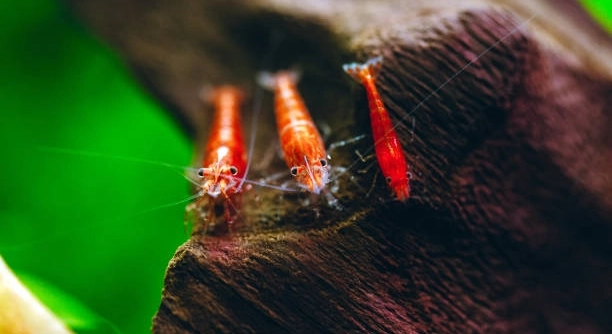
Have you ever noticed your cherry shrimp moving around the tank and wondered if they follow the same routes every day? Watching their tiny movements can be surprisingly calming and sometimes even a little fascinating. Their patterns seem deliberate yet subtle.
Cherry shrimp do not strictly use the same paths daily. Their movement is influenced by food availability, tank layout, water conditions, and interactions with other shrimp. While some areas may be frequented more, overall routes vary depending on daily needs and stimuli.
Observing these little swimmers more closely can reveal hidden behaviors and habits you might not expect. Their daily routines are full of small surprises worth paying attention to.
How Cherry Shrimp Move Around the Tank
Cherry shrimp move with a gentle, purposeful rhythm. They explore surfaces, hiding spots, and plants while looking for food or resting places. Watching them, I often notice how each shrimp seems to have its favorite area but doesn’t stick strictly to one route. Water flow, tank decorations, and nearby companions influence their paths. I’ve seen shrimp linger near moss or drift over smooth stones, sometimes repeating these actions in short bursts. Their small size makes every movement noticeable, and slight changes in tank conditions can alter where they go. Even when feeding, they don’t all head to the same spot at the same time. This flexible behavior helps them adapt and stay comfortable.
Their paths are not rigid. Each day can look slightly different depending on conditions in the tank.
Movement is affected by temperature, light, and even small changes in water chemistry. Some shrimp become more active during certain times of the day, while others stay hidden longer. Over time, patterns form but remain flexible, allowing them to adjust to tank conditions and interact safely with other shrimp. Observing these behaviors makes it easier to understand their needs and create an environment that encourages natural activity. Small details, like the placement of plants or hiding spaces, can change how often they pass through certain areas. Feeding times also influence movement, as shrimp often gather near food sources, then disperse afterward. Their adaptability is impressive, and noticing these patterns can help maintain a healthy tank and happier shrimp.
Factors Influencing Daily Paths
Shrimp paths are shaped by environment and routine.
Water flow, tank decor, and feeding schedules all influence where cherry shrimp move. Each shrimp may prefer slightly different spots but adapts if conditions change.
Several factors play a role in why shrimp do not follow the exact same routes each day. Tank layout is the most obvious. Rocks, plants, and moss create small obstacles and resting points that shrimp explore differently based on their mood and needs. Water current can guide their movements, sometimes directing them along new paths or encouraging longer stays in calmer areas. Even light levels affect their activity. Shrimp may avoid bright areas or become more active near shaded regions. Feeding also impacts movement patterns. They often converge around food but then scatter afterward, creating constantly shifting routes. Social behavior matters too. Shrimp respond to each other, sometimes following or avoiding specific individuals. Overall, daily paths are flexible and adapt to multiple variables, showing that while habits exist, they are not fixed.
Observing Patterns Over Time
Even though paths change daily, shrimp often return to favorite spots. I notice some linger near moss or under hiding places, creating small repeating patterns in their activity.
Over days and weeks, these subtle habits become more visible. Each shrimp seems to have preferred resting points and feeding areas, though their routes are flexible. Movement depends on food placement, tank layout, and social interactions. Some shrimp explore more actively, while others stay hidden until it’s safe or quiet. By watching regularly, I can predict where a shrimp might appear next, but never with complete certainty. Environmental changes, like adding plants or adjusting light, slightly shift these patterns. It’s fascinating how adaptable they are while still showing individual preferences.
Patterns also vary by time of day. Morning activity differs from evening movement, and shrimp may revisit spots multiple times in a cycle. Temperature and water flow influence speed and direction, making observation both relaxing and educational. Even small changes, like a new hiding spot, create noticeable adjustments in daily paths. Over time, I’ve learned to anticipate behaviors without expecting exact repetition, which helps maintain a calm and balanced tank. Watching them adapt is quietly rewarding and keeps me engaged with their tiny, changing routines.
Influence of Tank Layout
Shrimp paths change based on how the tank is arranged. Rocks, plants, and decorations guide their movement.
Tank layout is one of the main reasons shrimp do not always follow the same paths. Objects like rocks, moss, and plants act as markers or resting spots. Food placement encourages movement along certain routes, while hiding areas give them a sense of security. Water current interacts with layout to guide swimming, making some areas more frequently traveled than others. I’ve noticed that adding a single branch or stone can slightly change where a shrimp spends its time.
Small adjustments in layout can dramatically alter daily movement. Shrimp often avoid areas with strong currents or bright light and prefer calm corners. Rearranging plants can lead to new exploration and occasionally create new favorite spots. Hiding places, whether caves or dense moss, reduce stress and encourage activity. Over time, these environmental cues shape where shrimp spend most of their time, showing flexibility in movement. Even feeding locations impact patterns, as shrimp often adjust routes to reach food efficiently. Careful observation helps me understand how layout affects behavior, allowing me to improve the tank environment for more natural and comfortable activity.
Feeding and Movement
Shrimp paths often shift around feeding times. They gather where food is placed but quickly disperse once it’s eaten.
Different types of food can influence movement patterns. Floating pellets, sinking wafers, and fresh veggies each draw shrimp to slightly different areas, encouraging exploration across the tank.
Social Behavior
Shrimp interact with each other, affecting daily paths. Some follow companions, while others avoid crowded areas, creating constantly changing movement.
Social dynamics influence where shrimp swim and rest. Dominant or more active shrimp may take preferred spots, while others adjust their routes. Group behavior creates a balance, keeping movement varied yet predictable over time.
Environmental Changes
Temperature, light, and water flow directly alter shrimp paths. Even small changes can shift their favorite spots.
Do cherry shrimp always follow the same paths?
No, cherry shrimp do not always follow the same paths. While they may have favorite areas in the tank, their daily routes change depending on food, water flow, tank layout, and interactions with other shrimp. Observing them over time shows that their movement is flexible, not fixed. I often notice that a shrimp might linger in one spot one day and explore a completely different section the next. This adaptability helps them respond to changes in their environment and maintain comfort throughout the tank.
How does tank layout influence their movement?
Tank layout plays a big role in shrimp paths. Rocks, plants, moss, and decorations create natural barriers and resting spots that guide movement. I’ve seen how adding a single stone can shift where shrimp spend their time. Plants and moss not only provide hiding spaces but also encourage exploration as shrimp move around them. Even small changes in placement can create new pathways or make certain areas less visited. Feeding locations also interact with the layout, directing shrimp along certain routes while still leaving room for variety.
Do cherry shrimp have favorite areas in the tank?
Yes, shrimp often develop favorite spots. Some prefer moss, others cling to rocks, and some linger under decorations. These areas usually offer food, shelter, or calm water. I notice my shrimp repeatedly returning to specific corners or plant clusters, but they do not remain there all day. Their visits depend on activity levels, social interactions, and feeding times, so even favorite spots are not used rigidly. Over time, these preferences become easier to identify, but flexibility always remains.
How does feeding affect their daily paths?
Feeding has a strong impact on shrimp movement. When food is added, they gather around the feeding spot and explore nearby areas more actively. Different food types create different patterns. Floating pellets encourage more swimming near the surface, while sinking wafers lead to crawling along the substrate. I often watch them disperse after finishing food, exploring new routes before settling again. Feeding schedules also influence activity, with shrimp often anticipating food at specific times, adjusting their movement accordingly.
Do social interactions change their paths?
Yes, social behavior affects movement. Some shrimp follow more active individuals, while others avoid crowded areas. Dominant or territorial shrimp can influence who visits certain spots. In my tank, I notice that some shrimp adjust their routes to avoid frequent encounters, while others actively explore where companions are gathering. Group behavior keeps their daily paths varied and prevents the tank from becoming predictable, even if they have preferred areas. Social interactions combine with environmental factors to create constantly shifting routes.
Can environmental changes make shrimp alter their movement?
Absolutely. Temperature, light, and water flow can all change daily paths. I’ve seen shrimp move to calmer areas when currents increase or hide under plants when lights are brighter than usual. Small shifts in water chemistry or minor rearrangements of decorations also influence where they go. These changes ensure shrimp are always adapting to stay comfortable. Observing these adjustments gives insight into their behavior and helps me maintain a balanced environment.
Do cherry shrimp explore less over time?
Exploration can decrease but usually varies with tank conditions. As shrimp become familiar with their surroundings, they may spend more time in favorite areas. I notice that adding new plants or decorations reignites exploration, showing that environmental novelty stimulates movement. Even older shrimp continue to explore periodically, ensuring they remain active and engaged in the tank.
How can I encourage more consistent paths?
Paths can be influenced but not strictly controlled. Consistent feeding locations, stable water conditions, and a predictable environment encourage shrimp to use certain areas more often. I’ve found that keeping decorations mostly in the same spots helps establish gentle patterns while still allowing them to explore freely. Changes should be gradual to maintain comfort.
Do stress or illness affect their movement?
Yes, stress or illness significantly changes movement. Shrimp may hide more, move less, or avoid areas they usually frequent. I notice that stressed shrimp often cling to the substrate or remain under plants for longer periods. Monitoring daily paths can help detect early signs of problems, allowing adjustments in care before issues worsen.
Are there differences between individual shrimp?
Every shrimp has unique habits. Some are more active or bold, while others are shy and cautious. I observe that even in the same tank, routes vary per individual, influenced by personality, size, and social rank. Recognizing these differences helps me understand behavior patterns and anticipate their needs better.
Do cherry shrimp paths change with age?
Yes, younger shrimp tend to explore more and move frequently, while older shrimp often develop preferred resting areas. I’ve noticed that even adult shrimp maintain some flexibility in their paths, especially when food is added or the environment changes. Age influences overall activity levels, but adaptability remains a constant.
Can multiple shrimp species in one tank affect paths?
Yes, mixing species can alter movement. Interactions, competition for food, and differing activity levels create shifts in daily paths. I’ve seen cherry shrimp adjust their routes to avoid more active or territorial species, demonstrating flexibility in adapting to cohabitants. Observing these changes can help maintain a balanced tank ecosystem.
Does the time of day influence movement?
Time of day has a noticeable effect. Cherry shrimp often move more during low-light periods, like early morning or evening. I notice that they tend to explore quieter areas when the tank is calm, and some remain hidden during bright light. Their activity cycles influence which paths are used most frequently at different times.
Are there ways to predict where a shrimp will go?
Predicting exact paths is difficult, but trends can be observed. By noting favorite spots, feeding habits, and social interactions, I can anticipate likely areas a shrimp may visit. Observation over time is the most reliable method for understanding patterns, even if daily routes vary slightly.
Does tank size change shrimp movement patterns?
Yes, larger tanks encourage more exploration, while smaller tanks result in repeated routes. I notice that in bigger tanks, shrimp spread out, using multiple hiding spots and surfaces, whereas in smaller setups, they develop familiar paths and revisit the same areas more frequently.
Can rearranging decorations reset movement patterns?
Yes, moving plants, rocks, or hiding spots encourages exploration and temporarily alters daily paths. I’ve seen shrimp quickly adjust to new layouts, discovering new favorite spots while still returning to familiar areas when comfortable. Gradual changes keep stress low and maintain natural behavior.
Do cherry shrimp remember paths from day to day?
Shrimp seem to remember general areas but not exact paths. I observe that they return to favorite feeding spots or resting areas, but the routes they take can vary each day. Memory appears flexible, helping them adapt to changing conditions.
Are paths influenced by water flow?
Yes, currents guide movement. Shrimp often swim along or avoid strong flows, preferring calmer areas. I’ve seen that adjusting flow slightly shifts where they spend most of their time, showing how water movement interacts with other factors to shape daily behavior.
Can observing paths improve tank care?
Yes, tracking movement provides insight into shrimp health, preferences, and social dynamics. I use observation to adjust feeding, decorations, and water conditions, ensuring shrimp remain active and comfortable while reducing stress in the tank environment.
Cherry shrimp are small but surprisingly interesting creatures. Watching them move around the tank shows a balance between habit and flexibility. They do not follow the exact same paths every day, but patterns can appear over time. Some areas of the tank are favored, like moss, rocks, or sheltered corners, while other spaces are explored more randomly. Observing them closely reveals how their environment, feeding routines, social interactions, and even subtle changes in water flow or light affect their movement. For someone who keeps cherry shrimp, paying attention to these details helps understand their behavior and ensures a healthier, more comfortable habitat. I often find that simply noticing where shrimp spend most of their time can inform small adjustments in the tank that improve their activity and reduce stress. Over weeks, these observations make it easier to predict behaviors while still appreciating how flexible they are.
Tank layout plays a central role in shrimp movement. Decorations, plants, moss, and hiding spots guide their paths naturally, creating areas they return to regularly. Even small changes, like moving a rock or adjusting plant placement, can shift their favorite spots or encourage exploration in less visited corners. Feeding locations also impact where they swim. Floating food draws shrimp to the surface, while sinking wafers lead them across the substrate. Social behavior combines with these environmental cues to make each shrimp’s daily routine unique. Some shrimp are bold and explore widely, while others prefer hiding and moving cautiously. Dominant individuals may influence routes as others adjust to avoid crowded areas. Watching these dynamics over time provides insight into both individual personalities and group behavior. This combination of environmental factors and social interaction keeps the tank lively, with paths that are familiar but never completely predictable.
Understanding cherry shrimp movement is not just about curiosity—it helps in providing proper care. Monitoring how they explore, rest, and interact allows adjustments in feeding, decoration, and water conditions to keep them comfortable and healthy. Observing their activity also helps detect early signs of stress or illness, as changes in paths often indicate something is off. Shrimp maintain a balance between routine and adaptability, showing repeated patterns while responding to changes in the tank. Recognizing these patterns makes it easier to maintain a stable, supportive environment. Over time, this careful observation builds a connection to the tank’s small inhabitants, allowing one to provide better care while appreciating the subtleties of their movement. Even without constant interaction, paying attention to how cherry shrimp use their space can enhance both their well-being and the enjoyment of keeping them.

Hello,
If you enjoy the content that we create, please consider saying a "Thank You!" by leaving a tip.
Every little bit helps us continue crafting quality advice that supports the health, happiness, and well-being of pets around the world, for pets of all shapes, sizes, and species.
We really appreciate the kindness and support that you show us!