
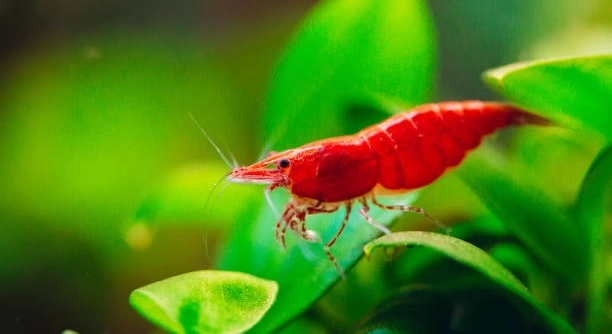
Cherry shrimp are lively little creatures, but sometimes they act oddly around their tank’s filter. Observing their behavior can be surprising for anyone who enjoys keeping a healthy, peaceful aquarium environment for these tiny pets.
Cherry shrimp often avoid the filter due to strong water currents, vibrations, or bright light. These factors can create stress, leading shrimp to seek calmer areas of the tank where they feel safe and undisturbed.
Learning why these shrimp behave this way can improve tank setup and care, making their environment more comfortable and encouraging natural behavior.
Common Reasons Cherry Shrimp Avoid the Filter
Cherry shrimp are sensitive to their environment, and the filter can feel intimidating. Strong water currents can make it hard for them to move freely, so they naturally stay away to conserve energy. Vibrations from the filter motor can also disturb them, causing stress over time. Bright light reflecting off the filter or its surrounding areas can make them feel exposed, so they prefer shaded corners or areas behind plants. Sometimes, debris buildup near the filter creates small currents or sudden changes in water flow, which shrimp notice immediately. Even slight differences in temperature near the filter can make them uncomfortable. They are also cautious by nature and tend to explore areas where they feel safe first. Understanding these behaviors helps adjust the tank layout, reduce stress, and promote healthier activity patterns. Observing their movements gives insight into how to make the tank more comfortable for them.
Shrimp avoid filters mainly because of strong currents, vibrations, and bright light, all of which create stress and discomfort.
Making small changes to the tank, such as adding plants or adjusting filter flow, can encourage shrimp to explore more. Providing hiding spots near the filter can reduce stress and promote natural behavior.
Adjusting the Filter for Comfort
Slowing down the filter flow can make a big difference for cherry shrimp. Too strong a current can tire them out and prevent feeding. Positioning the filter to reduce direct water jets helps create calmer zones in the tank where shrimp can move freely. Adding sponge covers or pre-filters softens the suction and reduces vibration, making the area around the filter safer. Observing where shrimp gather most often can guide where to place decorations or plants to buffer the flow. Ensuring the filter light is not too harsh or directing it away from the main swimming areas also helps them feel secure. Even small adjustments, like lowering the filter slightly or angling it differently, can encourage more exploration. Over time, shrimp may become more comfortable near the filter, improving overall tank activity.
Proper filter placement and flow adjustments not only keep shrimp safe but also maintain water quality. A slower flow prevents young or weak shrimp from being swept into strong currents, while sponge covers prevent accidental suction injuries. Light management, hiding areas, and observing shrimp behavior together create a more stable environment. Calmer zones encourage feeding and molting without stress. Consistent monitoring and gradual changes ensure shrimp adapt without sudden shocks. Balancing flow, light, and space around the filter promotes healthier, more active shrimp. Simple adjustments can prevent stress-related illnesses and support natural behaviors like grazing and exploring. Following these steps can make the tank more harmonious, allowing both shrimp and plants to thrive.
Creating Safe Zones Near the Filter
Adding plants and decorations near the filter gives shrimp places to hide. Dense foliage or moss provides calm areas where they can rest without feeling exposed to strong currents or vibrations.
Positioning hiding spots strategically reduces stress and encourages shrimp to explore the tank more confidently. Plants like Java moss, Anubias, or floating plants break up the flow of water, creating pockets of stillness around the filter. Small caves or driftwood can also act as buffers, giving shrimp places to graze and rest. When they feel secure, shrimp spend more time feeding and moving naturally instead of staying in corners. Observing where they prefer to settle helps guide further placement of safe zones, ensuring the tank feels balanced and comfortable for all shrimp. Over time, these calm areas near the filter support healthier behavior, reduce molting stress, and improve overall activity levels in the tank.
Careful placement of decorations and plants creates micro-environments that make shrimp feel secure, even near strong filtration areas.
Monitoring Water Conditions
Maintaining stable water parameters is essential for shrimp comfort. Fluctuations in temperature, pH, or ammonia can make areas near the filter less appealing and stressful.
Regular testing helps identify changes that may drive shrimp away from certain spots. Sudden temperature shifts near the filter output or pH swings caused by water changes can make shrimp seek safer corners. Ensuring ammonia, nitrite, and nitrate levels are within safe ranges keeps shrimp active and healthy. Water flow adjustments and proper filtration can reduce sudden disturbances, while gradual changes prevent stress. Monitoring closely allows small corrections before problems affect shrimp behavior or health, keeping them more confident around the filter.
Maintaining stable water conditions combined with safe zones encourages shrimp to explore and remain active. Consistency in temperature, pH, and cleanliness reduces stress, prevents hiding behavior, and promotes natural feeding. Observing shrimp responses to water changes can guide adjustments. Even minor improvements, like buffering pH or gently adjusting flow, can increase comfort. Healthy water conditions support molting, breeding, and long-term vitality, ensuring shrimp feel secure throughout the tank. By combining proper water care with strategic hiding spots, the environment remains balanced, making both shrimp and tank maintenance easier.
Adjusting Flow and Filtration
Slowing the filter’s flow reduces stress for cherry shrimp. Gentle currents allow them to move freely without fighting strong water pressure, making the area near the filter more comfortable.
Using sponge pre-filters or covers softens suction and vibrations. These adjustments protect shrimp from being drawn in and make the surrounding environment calmer.
Feeding Near the Filter
Placing food near calmer spots around the filter encourages shrimp to explore those areas. They can feed safely without being swept away, which also reduces competition and stress.
Observing Shrimp Behavior
Watching shrimp regularly helps identify which areas feel safe and which cause stress. Noticing patterns informs small adjustments to tank setup.
Maintaining Hiding Spaces
Consistent hiding areas near the filter keep shrimp confident. Shrimp are more likely to remain active and healthy when they know safe spots are always available.
FAQ
Why are my cherry shrimp hiding near the filter?
Cherry shrimp hide near or away from the filter because they are sensitive to water flow, vibrations, and bright light. They look for calm areas to feel safe. Dense plants, moss, or driftwood near the filter create quiet zones where they can rest without stress.
How can I reduce the flow from my filter?
Slowing the filter is simple. Many filters have adjustable flow knobs. If not, adding sponge pre-filters or redirecting the output can soften currents. Even small changes in flow make a noticeable difference in shrimp comfort and encourage them to explore the tank.
Can vibrations from the filter stress shrimp?
Yes, vibrations from the motor or moving parts can disturb shrimp. Placing a sponge mat under the filter or securing it to reduce shaking can lower stress. Observing their behavior after adjustments shows if the change helps.
Should I adjust lighting near the filter?
Bright lights can make shrimp avoid the area. Using floating plants, repositioning the tank light, or adding shaded spots softens brightness. Shrimp feel more comfortable when they can move between light and shadow freely.
Is water quality near the filter different?
Sometimes, yes. Water near the filter outlet may be slightly warmer or have stronger currents that mix debris differently. Regular testing of temperature, pH, and ammonia ensures the water stays safe. Consistent quality helps shrimp remain active and healthy.
Do shrimp need hiding spots near the filter?
Absolutely. Plants, moss, and decorations provide safe zones where shrimp can rest or graze without stress. Strategically placing hiding spots helps them feel secure, especially near areas with stronger flow or vibrations.
Can changing filter position help?
Yes. Slightly adjusting height, angle, or orientation can redirect strong currents and reduce stress zones. Even minor changes often encourage shrimp to explore previously avoided areas. Combining this with hiding spaces makes the tank more comfortable.
How often should I observe shrimp behavior?
Regular observation is helpful. Watching shrimp daily shows which areas they prefer and highlights stress behaviors like hiding or staying at the bottom. Tracking changes after adjustments allows better decisions about tank setup.
Does feeding near the filter help shrimp explore?
Yes, placing food in calmer spots encourages shrimp to visit areas near the filter safely. They can graze without fighting strong currents, reducing stress and competition. Over time, this helps them feel more comfortable around the filter.
Will adjusting all these factors make shrimp less afraid?
Combining flow reduction, hiding spaces, gentle lighting, stable water, and strategic feeding creates a safe environment. Shrimp gradually become more confident and active, showing natural behaviors even near previously avoided areas. Monitoring and adjusting slowly ensures long-term comfort and health.
Are there filter types better for cherry shrimp?
Sponge filters are ideal because they produce gentle flow, minimal vibrations, and safe suction. They also provide surfaces for biofilm growth, which shrimp can graze on. Hang-on-back or canister filters can work if flow is adjustable and buffers are added.
How long does it take for shrimp to adapt?
It depends on shrimp personality and tank setup. Some adjust within days, while others take weeks. Observing behavior regularly and making gradual changes ensures they gain confidence without stress.
Do shrimp ever completely avoid the filter?
Some may always prefer shaded corners or low-flow areas, even after adjustments. That’s normal. As long as water quality is stable, hiding behavior doesn’t indicate illness—it’s a natural preference for safety and comfort.
Can stress near the filter affect molting or breeding?
Yes. High stress slows molting and may reduce breeding activity. Providing calm areas, stable water, and gentle flow near the filter supports healthier molting cycles and encourages natural reproductive behavior.
Is it okay to have multiple hiding spots near the filter?
Yes, having several options allows shrimp to choose where they feel safest. Mixing moss, plants, and small caves creates a comfortable environment that reduces competition and stress while promoting exploration and grazing.
Will all adjustments guarantee shrimp will stay near the filter?
Not always. Some shrimp are naturally cautious and may still avoid strong currents or bright areas. The goal is to make the filter area less stressful so shrimp can feel safe if they choose to explore it.
How do I know if my adjustments are working?
Shrimp will begin exploring calmer zones, feeding more freely, and showing normal activity. Reduced hiding and increased grazing near the filter are signs that changes are effective. Regular observation ensures continued success and helps guide further tweaks.
Can I combine multiple strategies at once?
Yes, combining flow reduction, hiding spots, gentle lighting, stable water, and strategic feeding is most effective. Gradual changes prevent stress, and shrimp often respond faster when multiple comfort measures are implemented together.
What plants work best near the filter for safety?
Java moss, Anubias, Marimo moss balls, and floating plants create shaded zones and buffer water flow. Dense plants break currents, reduce light intensity, and provide grazing surfaces, all of which encourage shrimp to feel secure near the filter.
How important is patience when making changes?
Patience is key. Sudden adjustments can stress shrimp. Gradual changes, careful observation, and consistent care allow shrimp to adapt naturally, improving overall activity and comfort in the tank.
Do filter adjustments impact other tank inhabitants?
Yes. Changes in flow or light may affect fish or snails. Adjustments should consider all tank residents, aiming for balance where shrimp are comfortable without negatively impacting other creatures.
Can hiding spots near the filter prevent injuries?
Yes, safe zones reduce risk of shrimp being sucked into filter intakes or knocked by strong currents. Sponge covers, moss, and decorations act as buffers, keeping shrimp safe while maintaining activity near the filter.
Are there seasonal or temperature effects on shrimp behavior near the filter?
Yes, slight seasonal temperature shifts or heater placement can change water flow or warmth near the filter. Maintaining stable temperatures and monitoring tank conditions ensures shrimp remain confident and active year-round.
Is it normal for new shrimp to avoid the filter?
Yes. New arrivals are often cautious, exploring calm areas first. Gradually, they will become more comfortable around the filter once they feel safe and water conditions are stable.
Should I combine observation with testing?
Yes. Observing behavior and testing water parameters together ensures the tank is both physically safe and environmentally stable. Consistent monitoring helps identify stress causes and guides proper adjustments for healthier shrimp.
How often should filter maintenance occur without stressing shrimp?
Perform gentle maintenance every few weeks, cleaning sponges or adjusting flow slowly. Avoid sudden changes or removing all hiding areas at once. This keeps shrimp stress low while maintaining water quality.
Do shrimp communicate discomfort near the filter?
Shrimp do not vocalize, but behaviors like hiding, clinging to plants, or reduced movement signal discomfort. Observing these cues guides adjustments to make the environment calmer and safer.
Can adding more plants reduce fear near the filter?
Yes. Extra plants break water flow, reduce light, and provide grazing surfaces. This creates multiple safe zones, allowing shrimp to feel confident near previously stressful areas.
Are shrimp ever fully comfortable with strong filters?
Some shrimp may tolerate moderate flow if hiding spots and safe zones exist, but most prefer gentle currents. Matching filter strength with tank layout ensures shrimp feel secure and active.
How do I balance filtration and shrimp comfort?
Use gentle flow, strategic placement, sponge covers, and hiding spots. Monitor behavior and water quality to maintain both clean water and shrimp comfort. Gradual adjustments help achieve balance without stress.
What signs show shrimp are finally comfortable near the filter?
Shrimp will graze, explore, and interact with decorations near the filter. Increased activity, normal molting, and occasional presence in previously avoided zones indicate they are relaxed and confident.
Is filter avoidance a permanent behavior?
Not necessarily. While some shrimp remain cautious, proper adjustments can significantly reduce avoidance. Even if they don’t spend all their time near the filter, they can remain active, healthy, and stress-free in the tank environment.
Can I encourage timid shrimp gradually?
Yes. Slowly reducing flow, providing hiding spots, and feeding in calm areas encourages timid shrimp to explore without pressure. Patience ensures they gain confidence naturally and safely.
How important is regular observation for long-term comfort?
Observation is crucial. Daily or frequent checks identify stress, preferences, and environmental issues. Noticing small changes helps maintain a balanced, comfortable tank, ensuring shrimp remain active and healthy near the filter.
Will these adjustments help with shrimp breeding?
Yes, creating calm areas, stable water, and safe zones reduces stress and supports molting and reproductive behavior. Comfortable shrimp are more likely to breed and thrive in the tank environment.
Are there risks to making too many changes at once?
Yes, sudden changes can increase stress. Gradual, careful adjustments allow shrimp to adapt safely while maintaining overall tank stability and comfort.
Does shrimp size affect filter avoidance?
Smaller or younger shrimp are more sensitive to strong currents and vibrations. Extra care with flow and hiding spots ensures they stay safe while exploring near the filter.
Can I combine feeding strategies with hiding areas?
Yes. Placing food in safe zones encourages shrimp to feed near the filter without risk, gradually increasing their comfort level in previously stressful areas.
Do shrimp show preferences for certain areas consistently?
Yes, they often favor specific calm zones with stable conditions. Observing these patterns helps optimize hiding spots, flow, and lighting to match shrimp behavior.
How long should I monitor after adjustments?
Observe daily for at least one to two weeks to ensure shrimp are comfortable. Gradual improvements show whether changes are effective and guide further refinements.
Are sponge filters the easiest for beginners?
Yes, they provide gentle flow, minimal suction, and surfaces for grazing. For beginners, sponge filters simplify creating safe zones and maintaining water quality without stressing shrimp.
Can filter avoidance indicate illness?
Not always. Avoidance is usually behavioral, not health-related. Monitor for additional signs like lethargy, color changes, or molting issues to rule out illness. Most avoidance is stress-related.
Do shrimp interact with each other near the filter?
Yes, social behaviors like grazing or exploring can occur if conditions are calm. Stressful conditions reduce interaction, so improving safety near the filter encourages natural behavior.
Is it worth experimenting with different filter setups?
Yes. Trying sponge, hang-on-back, or gentle canister filters helps identify what works best for shrimp comfort, flow management, and water quality. Testing setups gradually reduces stress and increases activity.
How often should I rotate hiding spots?
Occasionally moving decorations or moss keeps shrimp exploring without overwhelming them. Frequent changes may stress them, so small, gradual rotations work best.
Can multiple shrimp species coexist near the filter?
Yes, if flow, hiding spots, and feeding zones are balanced. Shrimp feel safe alongside compatible species, but adjustments may be needed to reduce stress and competition near the filter.
Do hiding spots improve shrimp longevity?
Yes. Safe zones reduce stress, support healthy molting, and encourage feeding. Less stress directly contributes to longer, healthier lives in a well-maintained tank.
Is continuous observation necessary for new tanks?
Yes. New setups can stress shrimp more, so daily checks and adjustments during the first weeks help them adapt and prevent avoidance of the filter area.
How do I maintain balance for all shrimp in the tank?
Provide multiple hiding spots, gentle flow, stable water, and calm feeding areas. Observing preferences ensures all shrimp have access to safe zones, promoting balanced behavior near the filter.
Will shrimp ever explore the filter fully?
Some may, but many will still prefer shaded corners or calm zones. Full exploration is not necessary for health as long as water quality and safe areas are maintained.
Can gradual feeding changes influence filter avoidance?
Yes. Introducing food slowly near calmer areas encourages shrimp to explore without stress. Over time, they learn safe paths near the filter, increasing activity and comfort.
Do shrimp recognize safe zones?
Yes, they remember calm areas near plants or moss and return to them for rest or grazing. Creating consistent zones reinforces confidence and reduces stress.
Are there signs that adjustments are too strong?
Yes, sudden changes can cause hiding, erratic swimming, or avoidance. Gradual flow, lighting, and placement adjustments prevent over-stressing shrimp while encouraging exploration.
Does molting occur more safely near calm filter zones?
Yes, calm areas near the filter reduce risk during molting. Stressful conditions can delay or complicate molting, so safe zones are critical for healthy growth.
Can I use multiple filter types for safety?
Yes, combining sponge filters with gentle hang-on-back systems can balance flow, reduce stress, and maintain water quality, offering shrimp both safety and efficient filtration.
Is patience the most important factor for shy shrimp?
Yes, gradual changes, observation, and consistency allow shy shrimp to adapt naturally. Patience ensures confidence, healthy behavior, and long-term comfort near the filter without forcing interaction.
How do I know when shrimp are fully adapted?
Shrimp will graze, explore, and occasionally rest near previously avoided areas. Consistent activity, normal molting, and balanced feeding indicate they are comfortable and confident.
Are there long-term benefits to reducing filter stress?
Yes, reduced stress promotes better health, molting, reproduction, and longevity. A calm environment encourages natural behavior, making shrimp more active and resilient over time.
Can all these strategies be applied to other small shrimp species?
Yes, gentle flow, hiding spots, safe feeding, and stable water conditions benefit many small shrimp types, helping them feel secure and promoting healthy activity in the tank.
Is regular maintenance still required after adjustments?
Yes, water testing, filter cleaning, and observation remain necessary. Gradual maintenance prevents stress while ensuring long-term shrimp health and comfort near the filter.
Will shrimp always return to preferred zones after disturbances?
Usually, yes. If safe areas remain intact, shrimp return quickly once stressors like strong currents, bright light, or disturbances are reduced. Consistency reinforces confidence and comfort.
Are there quick fixes for shy shrimp?
Small, gentle adjustments like adding moss, redirecting flow, or placing food in calm areas can encourage timid shrimp to explore without sudden stress. Gradual improvements work best.
How can I tell if hiding behavior is normal?
Normal hiding involves temporary retreats, grazing near shelter, or cautious exploration. Persistent inactivity, color changes, or molting issues may indicate stress or water problems, requiring further attention.
Do shrimp have favorite spots near the filter?
Yes, they often choose specific calm corners or shaded areas. Observing these preferences helps optimize plant and decoration placement for comfort.
Are shrimp more active at certain times near the filter?
Yes, many are more active during feeding or dim light periods. Providing calm areas during these times encourages exploration without stress.
Do tank size and layout affect filter avoidance?
Yes, larger tanks may create stronger currents near the filter, while compact layouts allow calmer zones. Adjusting flow and hiding spots based on tank size improves comfort.
Can I combine all strategies in a single tank?
Yes, using gentle flow, safe zones, stable water, and strategic feeding together produces the best results, helping shrimp feel secure and active near the filter consistently.
Is there a difference between adult and juvenile shrimp near the filter?
Yes, juveniles are more sensitive to currents and vibrations. Extra hiding spots and slower flow ensure young shrimp remain safe while exploring the tank.
Does feeding frequency matter near the filter?
Yes, consistent, small feedings encourage shrimp to visit safe zones more often. Overfeeding or sudden large amounts may cause stress and competition, reducing comfort near the filter.
Are filter adjustments permanent once shrimp adapt?
Not always. Seasonal changes, tank growth, or new shrimp may require additional adjustments. Monitoring behavior ensures comfort is maintained over time.
Can I encourage breeding near the filter?
Yes, calm zones with hiding spots, gentle flow, and stable water promote molting and reproduction. Shrimp feel secure enough to breed without stress from strong currents or vibrations.
Is there a risk of overcomplicating the tank setup?
Yes, excessive decorations or overly complex setups can create dead zones or interfere with water flow. Balance simplicity with safe zones for optimal shrimp comfort.
Do shrimp ever ignore hiding spots?
Some may choose open areas if currents are gentle and water is stable. Preference varies, but hiding spots always provide options for safety and stress reduction.
Can multiple shrimp avoid the filter for different reasons?
Yes, one may hide from flow while another avoids bright light. Observing individual behaviors helps create a setup that addresses multiple stress factors simultaneously.
Is filter maintenance different for shrimp tanks than fish tanks?
Yes, slower, gentler cleaning and using sponge covers are safer. Harsh or sudden cleaning can stress shrimp, even if water quality is maintained.
Will shrimp become more confident over time near the filter?
Yes, with gradual adjustments, hiding spots, and calm conditions, shrimp typically explore more, graze near the filter, and display normal, healthy activity patterns.
Are there warning signs of continued stress near the filter?
Persistent hiding, lethargy, failed molts, or reduced feeding indicate stress. Further adjustments or water testing may be required to improve shrimp comfort and safety.
Does tank temperature consistency impact filter avoidance?
Yes, stable temperatures reduce stress near the filter. Sudden changes or uneven heating can make shrimp avoid certain zones even if flow is gentle.
Can I track shrimp comfort without disturbing them?
Yes, observing from a distance or through indirect reflection allows monitoring behavior without adding stress. Gradual changes based on observations encourage adaptation.
Do shrimp prefer vertical or horizontal safe zones near the filter?
Both matter. Vertical plants or moss give climbing surfaces, while horizontal hiding spots allow grazing. Combining options caters to natural behaviors.
Is it necessary to educate myself about shrimp behavior?
Yes, understanding natural tendencies, stress signals, and environmental preferences helps make informed adjustments and maintain a safe, active tank near the filter.
Will improving filter zones improve overall tank harmony?
Yes, calmer zones reduce stress, encourage natural behavior, and support healthy interactions among shrimp and other tank inhabitants. Proper flow, hiding spots, and stable water benefit the entire ecosystem.
Can small adjustments accumulate significant results?
Absolutely. Gradual improvements in flow, lighting, hiding areas, and feeding strategies collectively create a comfortable environment, reducing avoidance and promoting confident, active shrimp.
Are shrimp avoidance behaviors permanent if ignored?
Yes, persistent stress can lead to chronic hiding, reduced feeding, or health issues. Addressing flow, light, and safe zones prevents long-term negative effects and encourages normal activity.
Is it better to focus on one change at a time?
Yes, incremental adjustments help identify effective strategies and prevent overwhelming shrimp. Small, deliberate changes allow observation of responses and fine-tuning for comfort near the filter.
**Do shrimp
Final Thoughts
Cherry shrimp are small but sensitive creatures that rely on their environment to feel safe and comfortable. The filter, while essential for water quality, can sometimes create conditions that make shrimp avoid certain areas. Strong currents, vibrations, and bright light can all contribute to stress, and shrimp respond naturally by seeking calmer zones. Understanding these behaviors helps tank owners make thoughtful adjustments to improve shrimp well-being. By observing where shrimp hide or gather, it becomes clear which parts of the tank are most comfortable for them and which areas may need modification. Safe zones near the filter, such as plants, moss, or small decorations, allow shrimp to rest, feed, and explore without unnecessary stress. Gradual changes in water flow, filter placement, and lighting create an environment where shrimp feel secure and can display natural behaviors without fear. Consistent attention to these details fosters a healthier, more active, and balanced tank for all inhabitants.
Maintaining stable water conditions is another important factor for cherry shrimp comfort. Temperature, pH, ammonia, nitrite, and nitrate levels all affect how shrimp perceive their environment. Sudden fluctuations or extremes can make even previously safe areas near the filter feel threatening, causing shrimp to retreat and reduce their activity. Regular testing and careful adjustments help prevent stress and support healthy behavior patterns. When shrimp are comfortable, they feed more reliably, molt successfully, and interact naturally with their surroundings. Adding hiding spaces, softening filter flow, and strategically placing decorations all contribute to a tank setup that minimizes stress. These changes not only help shrimp feel more secure but also improve overall tank harmony, supporting the growth of plants and other aquatic life. The result is a more peaceful, functional aquarium where the shrimp can thrive.
Patience and observation are key when working to make shrimp more comfortable near the filter. Immediate results are rare, and gradual, small adjustments tend to be the most effective. Paying attention to shrimp behavior allows tank owners to understand preferences and avoid potential problems before they escalate. By combining gentle flow, shaded areas, stable water conditions, and consistent feeding in calm spots, shrimp slowly gain confidence and begin exploring areas they once avoided. Even if some shrimp remain cautious, creating safe zones ensures they always have options to rest and graze without stress. Ultimately, supporting shrimp comfort near the filter is not only about preventing avoidance but also about promoting natural, healthy behavior that contributes to long-term well-being. A balanced approach that respects shrimp instincts while maintaining proper filtration ensures a thriving tank, where shrimp, plants, and other inhabitants coexist in a stable and stress-free environment.

Hello,
If you enjoy the content that we create, please consider saying a "Thank You!" by leaving a tip.
Every little bit helps us continue crafting quality advice that supports the health, happiness, and well-being of pets around the world, for pets of all shapes, sizes, and species.
We really appreciate the kindness and support that you show us!