
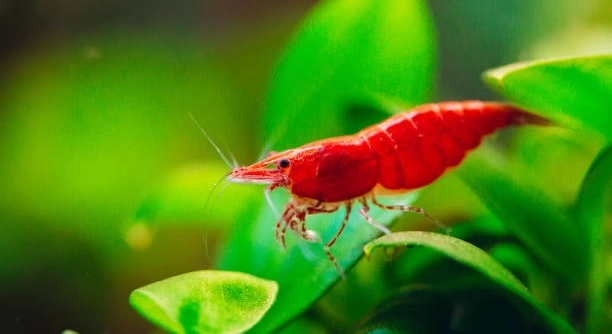
Feeding cherry shrimp may seem simple, yet timing plays an important role in their health and activity. Many shrimp keepers overlook this factor, which can affect growth, behavior, and overall well-being in subtle but significant ways.
The best times of day to feed cherry shrimp are typically morning, midday, and evening. Feeding during these periods aligns with their natural activity cycles, encourages consistent foraging behavior, and helps maintain optimal water quality in a home aquarium environment.
Knowing when to feed your shrimp can improve their health, activity, and tank balance, ensuring a thriving aquatic community for the long term.
Early Morning Feeding
Feeding cherry shrimp in the early morning is ideal because they are generally more active after the lights turn on. At this time, they begin exploring the tank, searching for food, and cleaning algae. Providing a small portion of food during this period ensures they receive nutrition without overfeeding. I usually sprinkle a tiny amount of algae wafers or specialized shrimp pellets directly onto the substrate. Observing them during this feeding helps gauge how much they eat and whether adjustments are needed. Morning feeding also reduces leftover food that can decompose and affect water quality. Over time, this routine can stabilize their behavior, making them more predictable and less stressed. Consistency matters, so I try to feed at roughly the same time each morning. By understanding their natural activity patterns, feeding becomes more efficient and supports both growth and reproduction. The shrimp are more likely to forage actively, preventing excess food from accumulating.
Early morning meals support energy levels and promote healthy tank activity, ensuring shrimp start the day actively exploring and feeding.
Regular early feeding also improves overall tank hygiene. By timing the feeding to coincide with peak activity, I notice less leftover food and cleaner substrate. Active foraging in the morning sets a positive tone for the rest of the day. Shrimp are more likely to interact naturally with their environment, grazing on biofilm and algae. Consistent morning feeding can improve molting success and reduce aggression, as they have predictable access to nutrients. Observing their habits during these hours allows adjustments in portions or food type, optimizing growth. Small, frequent feedings early in the day mimic natural conditions, supporting healthier shrimp and a more stable aquarium ecosystem. I find that over time, the tank becomes calmer, cleaner, and more visually appealing when morning feedings are maintained.
Midday Feeding
Feeding cherry shrimp around midday helps sustain energy after morning activity and prevents sluggish behavior later in the day.
Midday meals should be smaller portions to avoid water contamination. I usually use powdered or soft food for easy consumption.
Timing the midday feeding can make a noticeable difference in their activity levels. While early morning provides energy for initial exploration, midday feeding replenishes nutrients and encourages consistent movement across the tank. At this time, shrimp tend to gather in areas where food is available, which allows for better observation and monitoring of health. I often place food near plants or hiding spots, encouraging natural grazing patterns. Midday feeding also spreads out nutrient intake, reducing the risk of overeating in a single meal. This practice supports proper growth, molting, and overall vitality. Over time, I notice that shrimp appear more active, with improved color and behavior consistency. Using smaller portions reduces waste and keeps water parameters stable, which is essential for their long-term health. Regular midday feedings create a predictable routine, helping shrimp maintain balanced activity and nutrition throughout the day.
Evening Feeding
Evening feeding is important because cherry shrimp tend to be more active in low light. I usually provide a small portion near the hiding spots so they can forage comfortably without stress.
Feeding in the evening supports shrimp that may have missed earlier meals and encourages nighttime activity. I place soft pellets or algae wafers near plants or decorations, letting them graze naturally. This helps prevent leftover food from settling in the tank and affecting water quality. I notice my shrimp often become more colorful and active after evening feedings, exploring areas they ignored during the day. Regular evening feeding balances their nutrient intake and supports growth.
Evening meals also reduce competition among shrimp. Those that are shy or less dominant can access food without interference. I spread the food across different tank areas, allowing each shrimp to feed at its own pace. Evening feeding complements morning and midday meals, ensuring a consistent nutrient supply. Observing shrimp behavior during this time helps identify any changes in appetite or health. Maintaining this routine keeps the tank balanced and shrimp active.
Late Night Feeding
Late-night feeding can benefit shrimp that are naturally more nocturnal, providing extra nutrition without disturbing the tank environment. I use very small portions to avoid excess waste.
Feeding late at night ensures shrimp have access to food throughout the day, especially those that hide during light hours. I usually provide powdered or gel-based food that is easy to consume. Late-night meals can reduce stress for shy shrimp, giving them time to feed without competing with more active individuals. This feeding also helps prevent water quality issues, as small portions are consumed quickly. Over time, I see a more even growth and healthier activity patterns.
I often notice shrimp gathering around the food source after lights are dimmed. This provides an opportunity to observe less active individuals and monitor their health. Late-night feeding also supports molting cycles, as shrimp often consume extra nutrients before resting. I spread the food in different tank sections, ensuring all shrimp can feed comfortably. By maintaining small, regular late-night feedings, the aquarium ecosystem stays cleaner, and shrimp remain active and vibrant. Balancing feeding times this way promotes both growth and long-term health.
Mid-Afternoon Feeding
Mid-afternoon feeding helps maintain steady energy levels between midday and evening. I usually give a very small portion to prevent overfeeding and avoid leftover food in the tank.
This feeding encourages continued activity and grazing. I sprinkle food near plants and decorations so shrimp can forage naturally, supporting their health and preventing stagnation in tank areas.
Post-Molting Feeding
After molting, cherry shrimp need gentle, easy-to-digest food to regain strength. I usually provide soft pellets or powdered food, avoiding hard or large pieces that may stress them.
Careful post-molting feeding supports proper exoskeleton recovery. I watch for individuals that may be weaker or slower to ensure they get adequate nutrition. Feeding small amounts frequently helps prevent uneaten food from fouling the water. I notice that shrimp that receive proper post-molt meals recover faster and appear more active, with better color development. This feeding stage is critical, as shrimp are more vulnerable after shedding, and a balanced approach promotes long-term health.
Spot Feeding
Spot feeding allows targeted nutrition for specific areas or shy shrimp. I usually place tiny portions directly near their hiding spots to ensure access.
FAQ
How often should I feed cherry shrimp?
Cherry shrimp do best with small, frequent meals rather than one large feeding. I usually feed them two to three times a day, adjusting portions based on how quickly they consume the food. This helps prevent leftover food from polluting the tank and supports steady growth and activity.
Can cherry shrimp overeat?
Yes, overfeeding is a common issue. Uneaten food decomposes and affects water quality, which can harm shrimp. I measure small portions and observe their consumption. Feeding only what they can finish in a few hours keeps the tank clean and maintains healthy shrimp behavior.
What types of food are best for cherry shrimp?
A varied diet works best. I use algae wafers, shrimp pellets, blanched vegetables, and occasional powdered supplements. Offering different textures and nutrients supports molting, color development, and overall health. Rotating food types prevents deficiencies and keeps them active.
Is it necessary to feed at the same time every day?
Consistency helps shrimp develop predictable feeding patterns. I feed at roughly the same times each day, which reduces stress and ensures all shrimp have access to food. Regular timing also helps monitor appetite and detect early signs of illness.
How much should I feed at each session?
Portion control is essential. I provide only what the shrimp can consume in two to three hours. Observing their behavior helps me adjust amounts. Small, frequent feedings are more effective than a single large feeding, keeping water parameters stable.
Do cherry shrimp need food if they have algae in the tank?
Algae provides supplemental nutrition, but it is not enough alone. I still feed small portions to ensure they receive essential nutrients for growth, molting, and reproduction. Feeding controlled amounts keeps them healthy without encouraging overgrowth in the tank.
What should I do if my shrimp ignore the food?
If shrimp ignore a new food, I offer smaller portions or try different textures. I sometimes place the food closer to hiding spots or near areas they already graze. Observing their preferences helps me provide food they will reliably consume.
Can feeding times affect shrimp behavior?
Yes, feeding at consistent times encourages predictable activity patterns. I notice my shrimp become more active during scheduled feeding times and less stressed overall. Proper timing also helps shy or less dominant shrimp get food without competition.
Is it safe to feed at night?
Feeding at night can be beneficial, especially for shy or nocturnal shrimp. I provide very small portions to avoid excess waste. This helps ensure all shrimp have access to food without disrupting tank conditions.
How do I know if I am feeding correctly?
Correct feeding is measured by shrimp consumption and water quality. I check that all food is eaten within a few hours and monitor for leftover debris. Healthy, active shrimp with consistent coloration indicate proper feeding routines.
Should I adjust feeding for breeding shrimp?
Breeding shrimp need slightly more nutrition. I increase portions slightly and focus on nutrient-rich foods like algae wafers and powdered supplements. Observing their activity and health ensures that eggs and juvenile shrimp receive adequate support.
Can I feed vegetables directly from my kitchen?
Yes, but vegetables must be blanched or boiled to soften them and remove chemicals. I often use spinach, zucchini, or cucumber in small portions. This provides fiber and essential vitamins without harming water quality.
What is the best way to introduce new food?
Introduce new food gradually. I start with a tiny portion and monitor whether shrimp accept it. Gradual introduction reduces stress and allows shrimp to adapt while maintaining water quality.
Does feeding affect water quality?
Yes, uneaten food decomposes and can increase ammonia and nitrites. I feed measured portions, remove leftovers, and monitor water parameters. Maintaining balance prevents stress and promotes shrimp health.
How do I feed baby shrimp?
Baby shrimp need finely powdered or liquid foods. I sprinkle tiny amounts in areas they frequent and watch that they can access it. Feeding them small, frequent portions encourages growth and reduces competition with adults.
Can I use commercial shrimp supplements?
Commercial supplements are safe and beneficial if used in moderation. I use them occasionally to provide extra nutrients, especially for molting or breeding shrimp. Overuse can affect water quality, so careful dosing is important.
Is it better to feed in the morning or evening?
Both times are effective. Morning feeding energizes shrimp for daytime activity, while evening feeding supports nighttime or shy individuals. Splitting meals between these periods ensures consistent nutrient intake and overall activity.
How do I prevent food from fouling the tank?
Feed only what shrimp can consume quickly. I remove uneaten food after a few hours and distribute food in multiple areas. This minimizes waste accumulation, protects water quality, and keeps shrimp healthy.
What signs indicate my shrimp are well-fed?
Active foraging, bright coloration, regular molting, and visible interaction with the environment indicate proper feeding. Shrimp that appear sluggish, pale, or are constantly searching for food may need portion or diet adjustments.
Can feeding times be adjusted seasonally?
Yes, shrimp activity may vary slightly with temperature and light. I monitor behavior and adjust feeding times and portions accordingly. Maintaining consistent nutrition while observing natural activity ensures healthy shrimp year-round.
How do I handle multiple shrimp tanks?
Each tank may have slightly different feeding needs. I observe shrimp behavior in each tank and adjust portions, food type, and timing individually. This prevents overfeeding or underfeeding and ensures all shrimp thrive regardless of tank size or population.
Can I feed frozen or dried foods?
Yes, frozen or dried foods are convenient and nutritious. I thaw frozen foods before feeding and soak dried options briefly to soften them. This ensures shrimp can eat easily and reduces leftover waste in the tank.
How important is variety in shrimp diet?
Variety is crucial for balanced nutrition. I rotate between pellets, wafers, vegetables, and supplements. A diverse diet promotes molting, reproduction, and coloration, while preventing nutrient deficiencies and keeping shrimp active throughout the day.
Do shrimp require fasting days?
Occasional fasting can help maintain water quality and prevent overfeeding. I skip one feeding occasionally, ensuring the shrimp still have natural biofilm and algae to graze on. This supports their digestive system and keeps the tank stable.
What adjustments are needed for older shrimp?
Older shrimp may be slower and require softer foods or smaller portions. I observe feeding habits carefully and place food near their preferred areas. This ensures they receive adequate nutrition without competing with younger, more active shrimp.
How do I introduce shrimp to a new feeding routine?
Introduce changes gradually. I adjust feeding times in small increments and offer familiar foods alongside new options. This reduces stress and allows shrimp to adapt while maintaining consistent nutrient intake.
How can I monitor the effectiveness of my feeding routine?
Effectiveness is seen in shrimp activity, growth, and water quality. I track how quickly food is eaten, observe coloration, and check for leftover debris. Adjustments are made based on these observations to optimize health and tank balance.
What is the role of algae in a shrimp diet?
Algae is a natural food source and supplement. I allow moderate growth in the tank to provide grazing opportunities. It supports digestion, provides essential nutrients, and encourages natural foraging behavior without replacing controlled feedings.
Can overfeeding cause molting problems?
Yes, excess food can affect water quality and stress shrimp, leading to molting issues. I keep portions small, distribute food evenly, and remove leftovers to support safe and regular molting cycles.
Are there signs of malnutrition in shrimp?
Shrimp may appear pale, inactive, or have irregular molting if underfed or lacking nutrients. I monitor growth and color to ensure they receive balanced food and adjust feeding as needed.
How do I feed shrimp in heavily planted tanks?
I place small portions near plants and decorations where shrimp gather. This ensures they access food without disturbing plant life and reduces uneaten debris. Multiple feeding spots help prevent competition among shrimp.
Can I feed shrimp during cleaning or water changes?
It’s better to avoid feeding immediately before water changes. I feed after the tank has settled to prevent stress and avoid uneaten food being removed accidentally. Proper timing maintains nutrient intake and water quality.
What foods are unsafe for shrimp?
Avoid processed human foods, salted items, or anything chemically treated. I stick to vegetables, algae wafers, shrimp-specific pellets, and approved supplements. Unsafe foods can harm shrimp health and water quality.
How do I prevent aggressive feeding behavior?
Distributing food in multiple areas and providing small portions reduces competition. I observe dominant shrimp and adjust placement to allow shy individuals to eat. Balanced feeding keeps all shrimp active and minimizes stress.
Can feeding affect breeding success?
Yes, a nutrient-rich, consistent feeding schedule supports egg production and healthy juvenile growth. I increase high-quality foods slightly for breeding shrimp while monitoring water quality to prevent stress.
How long can shrimp go without food?
Shrimp can survive short periods without food, especially if algae is present. I avoid prolonged fasting, as consistent nutrition is important for molting, growth, and reproduction. Regular feeding maintains activity and overall health.
Are there natural foods I can add to the tank?
Yes, blanched vegetables, biofilm, and small amounts of detritus provide natural nutrition. I ensure any additions are safe and do not affect water quality. This complements controlled feeding for balanced nutrition.
How do I transition shrimp to new foods?
Gradually mix new foods with familiar options in small amounts. I observe acceptance and adjust portions. Slow introduction reduces stress and ensures shrimp continue eating while adapting to new nutrition sources.
Is it necessary to feed shrimp differently in winter?
Activity may slow in cooler temperatures, requiring slightly smaller portions. I adjust feeding frequency and monitor behavior to prevent overfeeding while maintaining adequate nutrition. Seasonal adjustments support steady growth and health year-round.
Can feeding patterns affect color development?
Yes, nutrient-rich foods and consistent feeding enhance vibrant coloration. I include a mix of algae, vegetables, and shrimp-specific pellets to support bright, healthy colors in my shrimp.
How important is observation during feeding?
Observation is key. I watch how shrimp interact with food, ensuring all individuals get nutrition and noting any signs of stress, illness, or molting issues. Monitoring allows adjustments to feeding schedules and portions for optimal health.
Can shrimp eat leftover fish food?
Occasionally, yes, but only small portions. I avoid overfeeding and monitor water quality, as fish food can decompose quickly and affect shrimp health. It should complement, not replace, their main diet.
What feeding techniques work best for large colonies?
Distributing food in multiple spots and providing small portions prevents competition and ensures all shrimp eat. I rotate locations each session to encourage grazing and reduce stress among dominant shrimp.
How do I adjust feeding for different shrimp species?
Observe each species’ behavior and dietary needs. I modify portion size, type, and frequency according to activity levels and preferences to maintain health and growth in mixed-species tanks.
How do I handle leftover food after feeding?
I remove uneaten food within a few hours to protect water quality. Using a siphon or tweezers works well. Prompt removal prevents decomposition and maintains a clean, balanced tank environment.
Can feeding influence shrimp lifespan?
Proper feeding supports growth, molting, and reproduction, indirectly affecting lifespan. I provide balanced, regular nutrition to maintain long-term health and vitality for my shrimp.
How do I know when to adjust portions?
Shrimp consumption and leftover food guide adjustments. I increase portions slightly if they finish quickly or reduce them if food remains. Observing behavior and growth ensures optimal feeding.
What role does protein play in shrimp diets?
Protein supports molting and growth. I provide pellets or algae wafers containing adequate protein, balanced with plant-based foods. Proper protein intake improves strength, coloration, and overall health.
Can I use live foods for cherry shrimp?
Yes, small live foods like micro-worms or brine shrimp are beneficial. I use them sparingly, ensuring they are safe and do not overwhelm the tank, adding variety without compromising water quality.
How do I feed shrimp in tanks with snails?
Distribute food carefully to ensure shrimp access it before snails consume it. I monitor feeding areas and adjust portions, as snails can eat quickly and reduce food available to shrimp.
Is fasting helpful before introducing new foods?
Yes, skipping a meal can encourage shrimp to accept new food. I provide small amounts gradually after a short fasting period, ensuring the shrimp adapt without stress.
How do I prevent algae wafers from disintegrating too quickly?
I place wafers in shaded or low-current areas. This slows disintegration, allowing shrimp to consume them fully without leaving debris that affects water quality.
Are there signs of overfeeding I should watch for?
Cloudy water, excess debris, or sluggish shrimp indicate overfeeding. I adjust portions immediately and remove leftovers to restore water quality and shrimp health.
Can I feed shrimp commercial fish flakes?
Occasionally, but only in very small amounts. I prioritize shrimp-specific foods to meet nutritional needs and reduce water contamination from uneaten flakes.
How do I feed shrimp in tanks with strong currents?
I place food in protected areas or use feeding rings to prevent it from being washed away. This ensures shrimp can access it without competition or stress.
What is the best way to store shrimp food?
Keep food in a cool, dry place and seal containers tightly. I avoid moisture and sunlight, which can reduce nutrient quality and cause spoilage, keeping food fresh for longer.
Can feeding schedules be flexible?
Schedules can be adjusted slightly but maintaining consistency is important. I ensure shrimp receive regular meals while allowing minor changes to accommodate lifestyle or tank conditions.
How do I feed shrimp in heavily stocked tanks?
I increase feeding spots and slightly adjust portion sizes to ensure all shrimp get food. Monitoring consumption prevents waste and supports balanced nutrition across the population.
Can shrimp recognize feeding times?
Yes, they learn routines. I notice they gather near food areas at scheduled times, showing that consistent timing encourages natural activity and predictable behavior patterns.
Is it necessary to feed algae supplements if there is natural algae?
Supplemental algae ensures balanced nutrition, even with natural growth. I provide small amounts to support growth, coloration, and reproduction without relying solely on tank algae.
How do I feed shrimp during vacations?
Automatic feeders or pre-portioned slow-release foods work well. I avoid overloading to prevent water quality issues and ensure shrimp have access to nutrition without daily attention.
Can shrimp go too long without feeding?
Extended periods without food can stress shrimp and affect molting or reproduction. I maintain a consistent routine to ensure steady nutrition for healthy, active shrimp.
Do feeding habits change as shrimp grow?
Yes, juveniles need finer food and smaller portions, while adults handle larger pellets. I adjust type and size accordingly to support growth stages and nutritional requirements.
Can feeding frequency affect shrimp aggression?
Yes, frequent, evenly distributed meals reduce competition. I spread small portions across the tank, minimizing conflict and ensuring shy shrimp get adequate access to food.
How do I feed shrimp in tanks with heavy algae growth?
I still provide controlled portions of pellets or vegetables to ensure balanced nutrition. Algae alone cannot meet all dietary needs, so supplemental feeding supports growth and color.
Are there seasonal foods I should consider?
Seasonal vegetables or live foods can add variety. I select options that are safe, nutrient-rich, and compatible with tank conditions to maintain a healthy diet throughout the year.
How do I feed shrimp in tanks with aggressive fish?
Place food in hiding spots or use feeding tubes. This allows shrimp to eat without interference while protecting water quality and minimizing stress from tankmates.
Can feeding methods influence shrimp lifespan?
Yes, consistent, balanced nutrition supports growth, reproduction, and molting cycles, all of which contribute to longevity. I maintain regular, measured feeding to promote healthy shrimp over time.
What is the role of fiber in shrimp diets?
Fiber supports digestion and prevents constipation. I include vegetables, algae, and plant-based wafers in small portions to maintain digestive health and proper nutrient absorption.
Can shrimp eat commercial shrimp flakes daily?
Yes, but variety is better. I rotate flakes with pellets, algae, and vegetables to provide a balanced diet and prevent nutrient deficiencies or boredom in feeding behavior.
How do I introduce powdered supplements?
I sprinkle a tiny amount over the substrate or near hiding spots. Gradual introduction ensures shrimp consume it without overloading the tank or affecting water quality.
Is it necessary to adjust feeding in new tanks?
Yes, new tanks may have less established biofilm. I provide small portions initially and monitor water quality to prevent spikes in ammonia or nitrites. Gradual feeding ensures shrimp adapt safely.
Can feeding patterns affect molting frequency?
Yes, regular, nutrient-rich meals support timely molting. I provide consistent portions and observe growth patterns to help shrimp shed safely and maintain proper development.
How do I feed shrimp in nano tanks?
Portion control is crucial. I provide tiny amounts using tweezers or a syringe to prevent overfeeding and water quality issues. Multiple small spots ensure even access.
Can feeding affect shrimp color intensity?
Yes, nutrient-rich foods enhance coloration. I rotate algae, vegetables, and specialized pellets to maintain bright, healthy colors in all shrimp.
How do I prevent uneaten food from harming shrimp?
I feed small portions, remove leftovers promptly, and monitor behavior. Observing consumption ensures food is eaten and water quality remains stable.
Can feeding frequency change with water temperature?
Yes, warmer temperatures increase activity and appetite, requiring slightly more frequent feedings. Cooler conditions slow metabolism, so I reduce portion size or frequency accordingly.
How do I feed shrimp in mixed-species tanks?
I distribute food in multiple locations and select items suitable for all species. Observation ensures each type has access without competition, supporting growth and minimizing stress.
Are there feeding techniques that improve shrimp breeding?
High-quality, nutrient-rich foods given consistently support egg production and juvenile health. I increase portions slightly for breeding shrimp while monitoring water quality.
Can feeding affect shrimp social behavior?
Yes, consistent, evenly distributed feeding reduces competition and aggression. I observe how shrimp interact during meals to ensure all individuals get adequate nutrition.
How do I manage feeding in planted tanks?
I place food near plants without disturbing them and use small portions. This allows shrimp to graze naturally while maintaining plant health and water balance.
What are signs of proper feeding in shrimp?
Active foraging, bright color, and regular molting indicate balanced feeding. Shrimp that finish food quickly and remain active show they are receiving adequate nutrition.
How do I prevent food from floating away?
I place food in sheltered areas or use feeding rings. This keeps it accessible and reduces waste, ensuring shrimp can feed efficiently.
Can feeding frequency influence tank cleanliness?
Yes, small, controlled feedings
Feeding cherry shrimp at the right times of day plays a significant role in maintaining a healthy and active tank. Observing their natural activity patterns helps determine the most effective feeding schedule. Morning feedings support initial energy levels and encourage active foraging, while midday feedings sustain energy and prevent sluggish behavior. Evening and late-night feedings allow shy or nocturnal shrimp to access food without competition, ensuring balanced nutrition for all individuals. Small, consistent portions reduce leftover food in the tank, which helps maintain water quality and overall shrimp health. Over time, following a structured feeding routine can make shrimp behavior more predictable, with increased activity and improved coloration, which are both indicators of proper nutrition and environmental stability. By paying attention to these details, it becomes easier to provide care that meets their biological needs.
Feeding variety is just as important as timing. A balanced diet consisting of algae wafers, shrimp-specific pellets, blanched vegetables, and occasional supplements supports molting, growth, and reproduction. Juvenile shrimp benefit from finely powdered foods, while adult shrimp can handle larger pellets and wafers. Observing their consumption helps determine the right portion size and food type, ensuring all shrimp, including shy or weaker individuals, receive adequate nutrition. Introducing new foods gradually prevents stress and allows shrimp to adapt without affecting water quality. Rotating different food types also prevents nutrient deficiencies and encourages natural grazing behavior. Even in tanks with abundant natural algae, supplemental feeding ensures a complete diet. Careful monitoring of leftovers and portion control is essential to avoid overfeeding, which can compromise water parameters and shrimp health.
Consistency and observation are key to successful shrimp care. Maintaining a regular feeding schedule across multiple tanks, adjusting portions according to activity levels, and monitoring water quality all contribute to a stable and thriving environment. Paying attention to shrimp behavior during feedings can reveal early signs of health issues or stress, allowing for timely intervention. Seasonal adjustments in feeding frequency and portion size may be necessary as temperature and light conditions change. For breeding shrimp, nutrient-rich foods and slightly increased portions can support egg production and juvenile growth. By combining proper timing, portion control, dietary variety, and attentive observation, shrimp remain active, healthy, and vibrant. Implementing these practices ensures a balanced, sustainable tank environment, which supports long-term growth, molting success, and the overall well-being of cherry shrimp.

Hello,
If you enjoy the content that we create, please consider saying a "Thank You!" by leaving a tip.
Every little bit helps us continue crafting quality advice that supports the health, happiness, and well-being of pets around the world, for pets of all shapes, sizes, and species.
We really appreciate the kindness and support that you show us!