
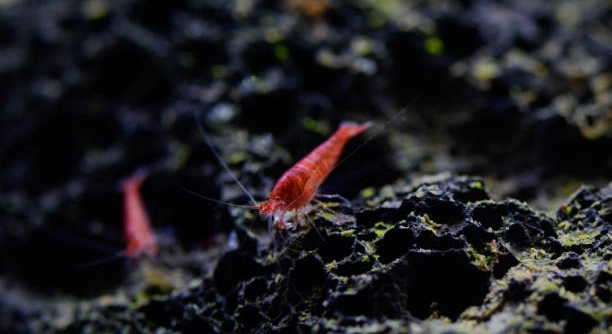
Cherry shrimp are small, vibrant creatures that often capture attention with their lively movements. Observing them scuttling across the substrate can be both charming and puzzling for aquarium enthusiasts. Their behavior adds an engaging dynamic to any tank environment.
Cherry shrimp dance on the substrate primarily as a form of foraging and communication. This movement allows them to locate food particles, interact with other shrimp, and establish territory. Such behavior is instinctual, promoting survival and social structure within their habitat.
Watching these tiny dancers can reveal much about their habits and health. Understanding their movements enhances both care and appreciation for these fascinating shrimp.
Reasons Behind Cherry Shrimp Dancing
Watching cherry shrimp move across the substrate can be mesmerizing. Their movements are not random but purposeful. Most of the time, this behavior is linked to feeding. They sift through tiny particles on the substrate, picking out algae, biofilm, or leftover food. It may look like a dance, but each motion serves a function. Besides feeding, shrimp also use these movements to explore their territory. They feel their environment with their antennae, detecting both obstacles and potential threats. Sometimes, dancing occurs when they are molting or preparing to molt. This activity can help them loosen their old exoskeletons. Environmental factors also influence their activity. Changes in water temperature, pH, or lighting can increase movement. Observing these patterns over time helps identify normal behavior versus stress responses. It is fascinating to see how even small shrimp display such complex, instinctive actions in their daily lives.
Their substrate dance is mostly natural behavior, reflecting feeding, exploration, or molting patterns in their habitat.
Studying this behavior provides insight into their health and comfort. Healthy shrimp move with purpose and rhythm. If they suddenly reduce activity or move erratically, it may indicate stress, illness, or water issues. Ensuring clean water and balanced nutrition supports normal dancing behavior. Social dynamics also play a role. A well-populated tank allows shrimp to interact and display natural behaviors without overcrowding. Observing their movements can reveal patterns, like territorial disputes or mating readiness. By paying attention to these subtle cues, you can maintain a thriving tank. Regular monitoring, combined with a stable environment, ensures shrimp continue their lively substrate dances. These movements are more than aesthetic—they are key indicators of overall well-being.
Environmental Influences on Substrate Dancing
Water conditions greatly affect cherry shrimp activity. Stable temperature, pH, and cleanliness encourage natural movement.
Shrimp are sensitive to changes in their surroundings. Sudden shifts in water temperature or pH can make them more lethargic or cause erratic movements. Light cycles also influence activity; too bright lighting may reduce substrate exploration, while moderate lighting encourages movement. The type of substrate impacts their dancing as well. Fine gravel or sand provides a comfortable surface for sifting and feeding, whereas rough or sharp substrates can hinder natural behaviors. Adding plants or hiding spots encourages exploration, giving shrimp confidence to move freely. Observing these environmental factors closely helps in creating conditions where shrimp feel safe and healthy. Proper feeding, clean water, and stable conditions collectively support their instinctive movements, ensuring they perform their substrate dances regularly and naturally, revealing much about their state of well-being.
Feeding Behavior and Substrate Interaction
Cherry shrimp constantly search for food on the substrate. They use their tiny legs and antennae to pick up small particles like algae, biofilm, or leftover fish food. This movement appears as a dance but serves the practical purpose of finding nourishment and maintaining energy levels.
Their feeding behavior is closely tied to their substrate interactions. By moving across the tank floor, shrimp can locate hidden food particles and clean surfaces simultaneously. This constant sifting prevents the accumulation of debris and supports a balanced micro-ecosystem in the tank. Each motion is precise and purposeful, reflecting both instinct and environmental adaptation. Observing this behavior can indicate whether shrimp are healthy and active or if adjustments in feeding and water conditions are needed. Maintaining a steady supply of food while avoiding overfeeding encourages consistent substrate activity, allowing shrimp to display their natural, rhythmic movements.
Besides foraging, substrate interaction helps shrimp with molting and territorial awareness. The physical contact with the substrate strengthens their muscles and assists in loosening old exoskeletons. It also allows them to sense subtle changes in their environment, like the presence of other shrimp or objects. Dancing on the substrate supports both survival and social interactions, creating a balance between nourishment, safety, and environmental awareness. Each movement provides valuable insight into their health and overall activity.
Social Interaction and Territory
Cherry shrimp movements on the substrate often reflect social behavior and territoriality. They interact with others while maintaining personal space and establishing dominance in certain areas.
Social interaction influences substrate dancing in many ways. Shrimp communicate through touch and subtle gestures, signaling readiness to mate or asserting dominance. Overlapping territories can lead to increased movement as individuals navigate around each other. Juvenile shrimp may mimic adult movements, learning patterns of feeding and exploration. Crowding reduces natural substrate activity, highlighting the importance of proper population management. Environmental enrichment, such as plants and hiding spots, supports social behaviors while allowing each shrimp adequate space. Observing these interactions reveals their social hierarchy and overall well-being. Regularly monitoring movement patterns helps ensure that shrimp remain healthy, stress-free, and able to perform natural substrate dances consistently, reflecting balanced social dynamics within the tank.
Molting and Substrate Movement
Molting is a natural process for cherry shrimp, and substrate movement plays a key role. They often move slowly and carefully while shedding their exoskeleton, using the substrate to support themselves and loosen the old shell.
During this period, they are more vulnerable to predators and stress. Substrate provides stability and a safe surface, allowing shrimp to complete the molting process efficiently. Observing their movements during molting helps monitor their health and detect any issues with water quality or nutrition.
Mating Signals and Dance Patterns
Cherry shrimp use substrate movement to communicate mating readiness. Males often follow females, displaying a rhythmic dance that signals reproductive interest. This behavior ensures successful encounters and helps maintain the population within the tank.
Stress Indicators on Substrate
Erratic or unusual substrate movements can indicate stress. Changes in water conditions, overcrowding, or poor nutrition may disrupt their normal patterns, signaling the need for adjustments in tank care.
Environmental Adjustments
Proper substrate type, lighting, and water stability directly influence shrimp behavior. Fine gravel or sand supports natural movement, while stable conditions promote regular dancing and healthy interactions.
FAQ
Why do cherry shrimp dance more at certain times of the day?
Cherry shrimp are influenced by light cycles and feeding schedules. They are naturally more active when lighting is moderate and food is available. Mornings or early evenings often trigger more substrate movement, as they search for food and explore their environment. Consistent lighting and feeding routines help maintain predictable activity patterns.
Can substrate type affect their dancing behavior?
Yes, substrate texture plays a significant role. Fine gravel or sand allows shrimp to sift through particles comfortably, supporting natural movements. Rough or sharp substrates may inhibit activity, causing them to move less or avoid certain areas. Plants and hiding spots further encourage confident movement.
Do all shrimp in the tank dance the same way?
No, movement can vary by age, size, and gender. Juveniles tend to move more erratically while learning to forage, while adults display smoother, more deliberate movements. Males may show more pronounced substrate dances when following females, particularly during mating periods.
Is increased dancing a sign of health?
Generally, yes. Active substrate movement indicates healthy shrimp that are feeding, exploring, and interacting normally. Reduced activity or erratic behavior may signal stress, illness, or suboptimal water conditions. Monitoring patterns over time helps detect potential issues early.
How does molting affect substrate dancing?
Molting shrimp move slowly and cautiously, relying on the substrate for support. Proper substrate allows them to complete molting safely. Lack of suitable surfaces can lead to incomplete molts or injuries, so observing their behavior during this period is crucial for overall tank health.
Do cherry shrimp dance when stressed?
Stress can alter their normal movements. Erratic, frantic, or reduced substrate activity often points to water quality issues, overcrowding, or sudden environmental changes. Providing hiding spots, stable water parameters, and adequate space helps minimize stress-related behaviors.
Does diet influence dancing patterns?
Absolutely. A balanced diet with algae, biofilm, and occasional protein treats supports healthy movement. Shrimp that are underfed or overfed may show less consistent activity. Feeding small amounts regularly encourages them to forage naturally across the substrate.
Can other tank inhabitants affect substrate dancing?
Yes, interactions with other shrimp or tank mates influence movement. Territorial disputes or the presence of more active species can lead to increased or restricted substrate activity. Ensuring sufficient space and hiding areas helps shrimp maintain normal dancing behavior without conflict.
How can I encourage more natural substrate movement?
Maintaining clean water, stable parameters, and proper feeding schedules encourages consistent activity. Soft substrate, plants, and gentle lighting provide a safe environment for foraging and exploration. Observing patterns allows adjustments to support their natural instincts and overall well-being.
Is substrate dancing linked to reproduction?
Yes, dancing often signals reproductive behavior. Males track females across the substrate, performing specific movements to indicate readiness. This behavior supports mating success and contributes to maintaining a healthy, balanced population in the tank.
Can I tell the difference between normal and abnormal dancing?
Normal substrate movement is rhythmic and purposeful, tied to feeding, exploration, or social interaction. Abnormal movement is erratic, frantic, or absent, often indicating stress, illness, or environmental issues. Close observation helps distinguish healthy activity from warning signs.
Does water temperature influence their dancing?
Water temperature affects metabolism and activity levels. Warmer temperatures within the appropriate range increase substrate movement, while temperatures that are too low or fluctuate widely can slow activity or cause stress. Maintaining a consistent, suitable temperature supports normal behavior.
How often should I monitor their substrate movement?
Regular observation is key. Daily or frequent monitoring allows you to notice changes in activity patterns, feeding habits, or social interactions. Early detection of unusual behavior helps prevent health issues and maintains a stable, thriving tank environment.
Can substrate dancing indicate age or growth?
Yes, younger shrimp often move more frequently as they explore and learn to forage, while adults move more deliberately. Observing these patterns can help track development, molting cycles, and overall health within the tank.
Do lighting conditions impact their dancing?
Moderate, consistent lighting encourages natural movement. Too bright or inconsistent lighting can stress shrimp, reducing substrate activity. Gradual transitions and shaded areas allow them to move confidently while maintaining normal foraging and social behaviors.
Are there signs that dancing is harmful?
Excessive, frantic, or repetitive substrate movement may signal stress, overcrowding, or poor water quality. Shrimp should display purposeful, rhythmic movements. Observing their overall condition, coloration, and feeding habits alongside movement helps determine if interventions are needed.
Can seasonal changes affect their activity?
Seasonal fluctuations can indirectly affect substrate dancing through temperature and light changes. Maintaining stable indoor conditions minimizes the impact, keeping shrimp behavior consistent and predictable regardless of external seasons.
How long should a typical substrate dance last?
Movements vary based on activity and purpose. Feeding sifts may last several minutes, while mating or exploratory dances can continue longer. Patterns are cyclical, with periods of rest between active sessions, reflecting normal shrimp behavior.
Is substrate dancing a sign of happiness?
While we cannot measure emotions directly, regular, purposeful movement indicates that shrimp are healthy, well-fed, and comfortable in their environment. Consistent substrate activity is a positive indicator of overall tank conditions and shrimp welfare.
What should I do if dancing decreases suddenly?
Check water parameters, feeding schedules, and tank population. Sudden reductions in movement may indicate stress, illness, or environmental changes. Correcting these issues quickly ensures shrimp regain normal activity and continue displaying their natural substrate behaviors.
Observing cherry shrimp dance on the substrate can be both calming and informative. These tiny movements are not just random activity—they reflect important aspects of shrimp behavior and health. Every step across the substrate helps shrimp find food, explore their environment, and interact with other tank inhabitants. The patterns they create, whether slow and deliberate or quick and lively, indicate their comfort level and overall well-being. Healthy shrimp maintain a consistent rhythm and appear engaged in their surroundings. Paying attention to these patterns can reveal changes in their health or in the tank environment, giving you valuable insight without intrusive checks or handling. The simple act of watching them can teach a lot about their needs and habits over time, creating a deeper understanding of their natural instincts.
Substrate dancing is influenced by several factors, including feeding, social interactions, and molting. When shrimp are feeding, they move methodically across the substrate, picking up small particles and biofilm. This behavior ensures they get the nutrition they need while also helping keep the tank clean. Social interactions, such as males following females or juvenile shrimp observing adults, create additional movement and dynamic patterns. Even molting affects their behavior, as shrimp rely on the substrate for support and stability while shedding their old exoskeletons. Environmental factors like water temperature, light cycles, and substrate type further impact the frequency and intensity of their movements. Stable water conditions, proper feeding schedules, and safe substrate surfaces allow shrimp to display their natural behaviors regularly. Observing these factors over time helps in recognizing normal activity versus signs of stress, illness, or environmental imbalance.
Maintaining a healthy tank environment supports consistent substrate dancing and overall shrimp wellness. Clean water, balanced nutrition, proper lighting, and sufficient space are all essential for encouraging natural movements. Plants and hiding spots contribute to a sense of security, allowing shrimp to move freely and interact without stress. Watching their substrate activity provides insight into their comfort, social hierarchy, and reproductive behavior. While these movements may seem small or repetitive, they are vital indicators of health and environmental suitability. By observing and responding to these cues, you can ensure that your cherry shrimp thrive, continue their rhythmic substrate dances, and exhibit behaviors that reflect both vitality and stability within their aquatic home.

Hello,
If you enjoy the content that we create, please consider saying a "Thank You!" by leaving a tip.
Every little bit helps us continue crafting quality advice that supports the health, happiness, and well-being of pets around the world, for pets of all shapes, sizes, and species.
We really appreciate the kindness and support that you show us!