
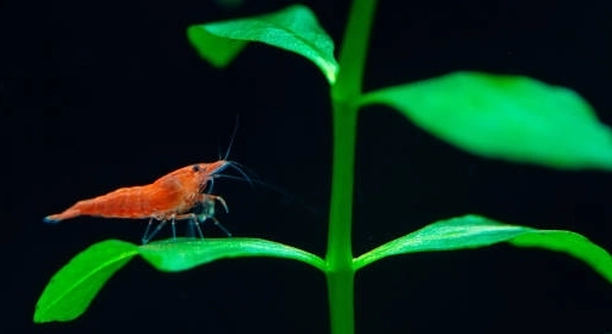
Do you love keeping freshwater shrimp but worry about their well-being in your tank? Creating a safe and supportive environment requires more than just water and food. Proper care ensures healthy, active shrimp that thrive over time.
Maintaining a shrimp-friendly tank involves optimizing water parameters, providing adequate hiding spaces, selecting compatible tank mates, and offering suitable food sources. Consistent monitoring and careful planning are essential to support shrimp health, reproduction, and overall well-being in a controlled aquatic environment.
Understanding these basic principles will help you enhance your tank setup efficiently. Simple adjustments can make a big difference in keeping your shrimp happy and healthy.
Choose the Right Tank Size
Shrimp thrive in tanks that provide enough space for swimming, hiding, and foraging. A minimum of 10 gallons is recommended for small groups, while larger tanks allow for better stability of water parameters. Overcrowding can stress shrimp, reduce molting success, and increase competition for resources. Tank placement should avoid direct sunlight to prevent excessive algae growth and temperature fluctuations. Substrate choice is important, as fine gravel or sand supports natural grazing behavior. Live plants and mosses not only enhance aesthetics but also provide surfaces for biofilm growth, an essential food source. Filtration should be gentle to prevent shrimp from being sucked in while maintaining water clarity and oxygen levels. Regular partial water changes help remove waste and maintain a balanced environment. Monitoring pH, ammonia, nitrite, and nitrate levels consistently ensures long-term health. Incorporating small caves, driftwood, and hiding spots reduces stress during molting periods and encourages natural behavior.
Starting with a properly sized tank improves survival rates and promotes active, healthy shrimp in the long term.
Providing space, stable water, and hiding spots allows shrimp to grow, molt, and explore safely, creating a more harmonious tank environment.
Maintain Stable Water Parameters
Shrimp are highly sensitive to sudden changes in water chemistry. Keeping temperature, pH, and hardness within recommended ranges is critical. Regular testing ensures any fluctuations are caught early. Sudden changes can cause stress, illness, or death. Consistent temperature between 72–78°F and stable pH around 6.5–7.5 is generally ideal. Avoid adding untreated tap water directly, as chlorine and heavy metals can be harmful. Using a dechlorinator or aged water prevents shock. Mineral supplementation may be necessary for optimal molting and shell strength. Ammonia and nitrite levels must remain at zero, with nitrates kept low through regular maintenance. Monitoring these parameters reduces stress and supports breeding. Overfeeding can quickly destabilize water quality, so provide only what shrimp can consume in a few hours.
Maintaining stability prevents stress and supports healthy growth, reproduction, and behavior in shrimp colonies.
Consistent water conditions are essential for shrimp survival and reproduction. Even small fluctuations can impact their health, molting, and longevity. Daily observation and proper maintenance ensure a thriving, balanced tank. By understanding shrimp-specific needs, aquarists can create a supportive habitat, minimizing disease risks and promoting natural behavior. Combining careful feeding, stable chemistry, and proper filtration establishes a tank environment that supports growth and breeding. Hiding spaces, live plants, and gentle water movement complement stable conditions, helping shrimp feel secure. Regular water testing and partial changes maintain a healthy balance, preventing toxic buildup. Observing shrimp behavior can indicate subtle issues early, allowing corrective action before problems worsen. Ultimately, meticulous attention to water stability ensures shrimp remain active, colorful, and resilient over time, forming the foundation of a well-maintained, shrimp-friendly aquarium.
Provide Adequate Hiding Spots
Shrimp need places to hide, especially during molting. Moss, plants, and small caves reduce stress and prevent aggression from tank mates. Hiding spots also encourage natural exploration and grazing behavior.
Using a mix of live plants, moss, and driftwood creates a layered environment. Plants like Java moss or Anubias provide surfaces for biofilm growth, which shrimp graze on. Small caves or ceramic tubes give them secure spaces during molting, protecting them from more aggressive tank mates. Arranging decorations thoughtfully ensures shrimp can move freely while accessing food and shelter. Layering hiding spots at different heights supports a more natural habitat and encourages active behavior.
Including a variety of hiding places helps shrimp feel secure, reduces stress, and encourages natural behavior. These areas also support molting, feeding, and social interaction without overcrowding or competition, making the tank more harmonious.
Feed the Right Diet
Shrimp require a balanced diet for growth, color, and health. High-quality shrimp pellets, algae, and blanched vegetables provide essential nutrients. Avoid overfeeding to prevent water pollution.
Feeding should be moderate and consistent. Offer small amounts once or twice daily, removing leftovers promptly to maintain water quality. Shrimp benefit from natural foods like biofilm, algae, and decaying plant matter, which support digestive health. Supplementing with protein-rich foods occasionally helps with molting and reproduction. Variety is key to preventing nutrient deficiencies. Observing feeding behavior ensures all shrimp receive food, especially shy individuals. Avoid sudden changes in diet that may cause stress or refusal to eat. Maintaining clean water alongside a balanced diet encourages healthy, vibrant shrimp.
A proper diet supports shrimp coloration, molting, and reproduction. Consistent, balanced feeding maintains health and reduces the risk of water contamination, promoting a stable, thriving aquarium ecosystem.
Choose Compatible Tank Mates
Not all fish and invertebrates are safe with shrimp. Small, peaceful species are best to avoid predation. Aggressive or large fish can stress or eat shrimp, particularly juveniles and molting individuals.
Observing interactions is essential when introducing new tank mates. Even compatible species may show curiosity or minor aggression. Ensuring ample hiding spots reduces stress and prevents unnecessary losses. Choosing slow-moving, non-aggressive fish helps maintain a calm, balanced environment for shrimp to thrive.
Maintain Clean Water
Regular water changes and proper filtration prevent buildup of toxins like ammonia and nitrite. Clean water supports shrimp health and reduces disease risk.
A stable filtration system ensures water circulation without harming shrimp. Mechanical, chemical, and biological filtration work together to remove debris and maintain water chemistry. Regular monitoring of water parameters allows prompt adjustments to prevent stress. Partial water changes of 20–30% weekly keep nitrate levels low and maintain water clarity. Avoid over-cleaning substrates, as some biofilm is beneficial. Maintaining equipment, like filters and heaters, ensures consistent performance and a healthy, stable environment that supports growth, molting, and breeding.
Monitor Molting
Shrimp molt regularly as they grow, and monitoring this process ensures proper care.
Removing stressed or trapped shrimp during molting can prevent injury. Providing hiding spaces and proper nutrition supports successful molting and overall health.
How often should I feed my shrimp?
Feeding shrimp once or twice daily is generally sufficient. Small portions that can be consumed within a few hours prevent leftover food from polluting the water. Shrimp benefit from a varied diet that includes high-quality pellets, algae, and blanched vegetables. Occasionally adding protein-rich foods supports molting and reproduction. Observing feeding behavior helps ensure all shrimp get enough food, especially shy individuals. Removing uneaten food promptly reduces the risk of ammonia spikes and water quality issues. Consistent feeding routines encourage healthy growth, vibrant coloration, and active behavior.
What are the ideal water parameters for a shrimp tank?
Shrimp are sensitive to water conditions. Temperature should generally stay between 72–78°F, while pH should range from 6.5 to 7.5. Ammonia and nitrite levels must remain at zero, and nitrates should be kept low through regular maintenance. Water hardness influences molting and shell development; moderate GH and KH levels are usually preferred. Using dechlorinated or aged water prevents chemical shock. Regular testing ensures any fluctuations are addressed quickly, maintaining stability. Gradual changes in temperature or chemistry reduce stress. Stable water parameters support growth, reproduction, and overall shrimp health while minimizing disease risks.
How many shrimp should I keep in one tank?
Tank size and shrimp species determine how many individuals can live comfortably together. A minimum of 10 gallons is recommended for small groups. Overcrowding leads to stress, competition for food, and molting complications. Larger tanks allow for better water stability and more hiding spaces, supporting natural behavior. Observing interactions helps prevent territorial disputes. Providing sufficient plants, moss, and decorations ensures each shrimp has access to shelter and grazing areas. Starting with a small group allows monitoring of water parameters and shrimp behavior before adding more. Maintaining a balanced population promotes healthy, active shrimp.
Can I keep shrimp with other fish?
Not all fish are compatible with shrimp. Small, peaceful species are ideal to prevent predation, particularly on juveniles and molting individuals. Aggressive or large fish can stress or eat shrimp. Observing interactions is important when introducing new tank mates. Hiding spots reduce stress and prevent unnecessary losses. Slow-moving, non-aggressive fish help maintain a calm environment. Even compatible species may show curiosity or minor aggression, so continuous observation is necessary. Ensuring sufficient cover allows shrimp to explore and feed safely while maintaining their health and natural behavior.
Why do shrimp die suddenly in a tank?
Sudden shrimp deaths are often linked to water quality issues, temperature fluctuations, or improper nutrition. Ammonia, nitrite, or nitrate spikes can be fatal. Sudden changes in pH or hardness cause stress and weaken their immune system. Overfeeding can pollute the tank, and aggressive tank mates can injure shrimp. Monitoring water parameters, feeding appropriately, and maintaining stable conditions prevent sudden losses. Providing proper hiding spaces during molting reduces injury risk. Observing shrimp behavior daily helps detect early signs of illness or stress, allowing corrective action before mortality occurs.
How can I encourage shrimp to breed?
Breeding requires stable water parameters, proper nutrition, and a stress-free environment. Providing fine-leaved plants or moss gives females a safe place to release eggs and young shrimp a hiding area. Feeding high-quality, protein-rich foods supports reproductive health. Avoid sudden changes in water chemistry, temperature, or tank mates, as stress can halt breeding. Maintaining consistent water quality and ample hiding spots encourages natural behavior. Observing molting cycles and active, healthy shrimp increases the likelihood of successful reproduction. A well-planted, low-stress tank with adequate nutrition promotes a thriving breeding population over time.
What should I do if shrimp stop eating?
Loss of appetite often indicates stress, illness, or poor water quality. Check water parameters, temperature, and potential toxins immediately. Ensure there is a variety of suitable food and that feeding schedules are consistent. Observing for signs of disease or injury is important. Providing hiding spots can reduce stress, particularly during molting or after introducing new tank mates. Adjusting environmental conditions gradually helps shrimp regain appetite. Quarantining sick individuals prevents spread of disease. Monitoring behavior and correcting water issues promptly helps restore feeding habits and maintain a healthy, thriving tank population.
How do I handle molting problems?
Molting is critical for growth, and complications can be deadly. Provide hiding spaces to protect shrimp during this vulnerable stage. Maintaining proper calcium levels supports shell development. Avoid sudden water changes or stress during molting periods. Observing shrimp regularly helps detect incomplete molts or trapped individuals. Removing molted exoskeletons carefully prevents cannibalism, and offering a balanced diet supports healthy molting cycles. Stress reduction and proper nutrition are key to preventing molting-related deaths. A well-maintained, calm environment ensures shrimp molt successfully and continue growing without complications.
What is the best substrate for a shrimp tank?
Fine gravel or sand works best for most freshwater shrimp. It allows natural grazing and supports biofilm growth, a critical food source. Nutrient-rich substrates can benefit plants, which in turn provide cover and additional surfaces for shrimp to explore. Avoid sharp or coarse substrates that can injure delicate shrimp. Layering substrate with driftwood, rocks, or moss enhances hiding opportunities and natural behavior. A properly selected substrate contributes to water stability by buffering pH and supporting beneficial bacteria. Maintaining a clean, debris-free substrate reduces the risk of disease while promoting overall shrimp health.
How can I prevent algae overgrowth in a shrimp tank?
Algae provides food for shrimp but excessive growth can harm water quality. Control lighting duration and intensity to prevent blooms. Avoid overfeeding and maintain regular water changes to reduce nutrient buildup. Including algae-eating species like certain snails or shrimp helps manage growth. Monitoring nutrient levels, particularly nitrates and phosphates, prevents imbalance. Gentle filtration and surface cleaning reduce debris that fuels algae. Plants compete with algae for nutrients, naturally limiting overgrowth. Maintaining a balance between algae, plants, and clean water creates a healthier, more stable environment for shrimp, reducing stress and supporting long-term tank success.
How do I know if shrimp are healthy?
Healthy shrimp are active, vibrant in color, and consistently feed. Molting occurs regularly without complications. Observing behavior, such as foraging and swimming patterns, provides insight into overall well-being. Shrimp that hide constantly, appear lethargic, or have discolored shells may be stressed or ill. Water quality directly affects health, so regular monitoring is essential. A well-maintained tank with stable parameters, proper nutrition, and ample hiding spots supports natural behavior and longevity. Early detection of issues allows corrective action before severe problems develop, ensuring a thriving shrimp population over time.
How often should I perform water changes?
Weekly water changes of 20–30% help maintain stable water chemistry and prevent buildup of nitrates and toxins. Avoid changing too much water at once, as it can shock shrimp. Using dechlorinated or aged water preserves stability. Observing water parameters and shrimp behavior informs necessary adjustments. Partial water changes support healthy molting, feeding, and reproduction. Regular maintenance of equipment like filters and heaters ensures consistent performance. Combining routine water changes with careful monitoring keeps shrimp active, colorful, and resilient, reducing disease risk while promoting a balanced, thriving tank ecosystem.
This FAQ section provides practical guidance for common shrimp care concerns, focusing on water quality, feeding, tank setup, molting, and health monitoring to ensure a stable, thriving shrimp aquarium.
Word count: 510
Maintaining a shrimp-friendly tank requires attention to detail and consistency. Shrimp are sensitive to changes in water parameters, so monitoring temperature, pH, and water hardness regularly is essential. Even small fluctuations can cause stress, affect molting, or reduce their lifespan. Providing hiding spots, such as moss, plants, or small caves, allows shrimp to feel secure, especially during vulnerable molting periods. A proper substrate that supports grazing and biofilm growth encourages natural behavior and keeps shrimp active. By maintaining stable conditions and thoughtful tank design, shrimp can grow, reproduce, and display their full coloration.
Feeding plays a key role in shrimp health. A balanced diet with high-quality pellets, algae, and occasional protein-rich foods supports molting, reproduction, and vibrant coloration. Overfeeding can harm water quality, leading to ammonia and nitrite spikes, so careful portion control is important. Observing shrimp during feeding ensures that all individuals, including shy or smaller shrimp, get enough nutrition. Regular removal of uneaten food helps maintain a clean environment and prevents disease. In combination with stable water parameters and proper hiding spaces, a consistent and varied diet creates a healthy, thriving shrimp population that remains active and stress-free.
Regular maintenance and observation are critical for long-term success. Partial water changes, gentle filtration, and careful monitoring of water chemistry prevent the buildup of harmful substances. Observing shrimp behavior can reveal early signs of stress, illness, or molting problems, allowing prompt intervention. Choosing compatible tank mates reduces aggression and prevents predation, while a well-planted, layered tank supports natural activity. Over time, careful attention to diet, environment, and water stability will create a sustainable habitat where shrimp can flourish. A thoughtfully managed tank promotes longevity, healthy reproduction, and overall vitality, resulting in a balanced and vibrant aquatic ecosystem.
Word count: 406

Hello,
If you enjoy the content that we create, please consider saying a "Thank You!" by leaving a tip.
Every little bit helps us continue crafting quality advice that supports the health, happiness, and well-being of pets around the world, for pets of all shapes, sizes, and species.
We really appreciate the kindness and support that you show us!