
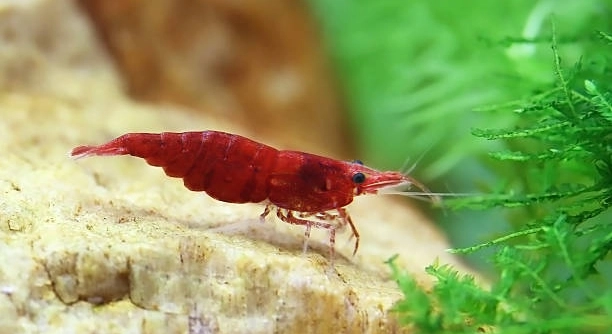
Do you ever find yourself setting up a new aquarium and wondering how to keep your shrimp safe while maintaining clean water? Cherry shrimp are delicate creatures, and their environment plays a big role in their health.
Cherry shrimp can live on sponge filters without harm. Sponge filters provide gentle water flow, effective biological filtration, and prevent shrimp from being sucked into the filtration system, making them a suitable and safe option for maintaining a healthy tank environment.
Knowing the right setup can make caring for your shrimp easier and more enjoyable. Proper filtration ensures their habitat stays stable and thriving.
Benefits of Using Sponge Filters for Cherry Shrimp
Sponge filters are excellent for cherry shrimp tanks because they provide gentle filtration that won’t harm small shrimp. Unlike strong filters, they create minimal water current, allowing shrimp to move freely and forage without stress. The sponge surface also acts as a breeding ground for beneficial bacteria. These bacteria break down harmful ammonia and nitrites, keeping the water clean and safe. Another advantage is that sponge filters prevent shrimp from being sucked into the filter system, which can happen with stronger, conventional filters. They are easy to maintain, requiring only occasional rinsing in tank water to remove debris. Sponge filters also promote a healthy micro-ecosystem inside the tank. Tiny organisms that grow on the sponge provide natural food for shrimp, supporting their growth and color. Over time, the filter contributes to a balanced aquarium environment, reducing sudden water quality changes that could harm sensitive shrimp species.
Sponge filters are simple to clean and maintain, making them low-stress solutions for shrimp care.
Using a sponge filter ensures that the tank remains biologically stable. The gentle filtration allows shrimp to graze on biofilm naturally growing on the sponge. This constant presence of micro-food encourages active feeding and vibrant coloration. In addition, the sponge reduces sudden water flow changes that can stress shrimp during molting. When setting up, place the sponge filter in a corner or near decorations to further soften the water current. You can adjust the air pump to control the water flow, ensuring it suits the shrimp’s comfort. Regularly checking the sponge for accumulated debris and rinsing it in tank water will maintain its efficiency without disturbing the tank’s bacteria. Over time, shrimp often gather around the sponge, feeding and exploring, making it both a functional and interactive part of the aquarium. This setup balances safety, filtration, and natural grazing opportunities, providing a healthier, more comfortable home for cherry shrimp.
Choosing the Right Sponge Filter
Not all sponge filters are suitable for shrimp tanks. Choose one with fine pores and gentle airflow.
A proper sponge filter should provide enough surface area for bacterial growth while keeping water movement soft. Large sponges may create strong currents if paired with a powerful air pump, so match the filter size to the tank volume. Some designs include protective casings to prevent shrimp from entering the intake tube, adding extra safety. When selecting a filter, consider its maintenance ease and compatibility with the tank’s size and décor. The right sponge filter balances filtration efficiency, ease of use, and shrimp comfort, ensuring a stable environment. Regular monitoring ensures the water stays clear and safe for shrimp without excessive cleaning that could disrupt beneficial bacteria. By taking these factors into account, you provide a consistent, safe habitat that supports shrimp health, molting, and breeding, while reducing stress and potential injuries. A carefully chosen sponge filter becomes a reliable foundation for a thriving shrimp tank.
Installing a Sponge Filter
Installing a sponge filter is straightforward and requires minimal equipment. Position the filter in a corner of the tank and connect it to an air pump. Make sure the sponge is fully submerged and the airflow is gentle. Check for bubbles and water movement to ensure proper function.
Start by rinsing the sponge in tank water to remove dust or debris from packaging. Place it near decorations or plants so shrimp can explore and feed on the biofilm forming on the sponge. Connect the airline tubing to an air pump outside the tank, and adjust the airflow to create gentle bubbles. Observe the filter for a few hours to confirm the water flow is soft enough not to disturb the shrimp. Fine-tune the air pump if the current seems too strong. The setup should provide continuous biological filtration while allowing the shrimp to move freely. Regularly inspect the sponge for clogs or excess debris.
Once installed, the filter requires minimal attention. Rinse the sponge occasionally in tank water, and ensure the air pump runs smoothly. Avoid using tap water with chemicals, as it can kill beneficial bacteria. Monitor the tank’s water parameters regularly to confirm ammonia, nitrite, and nitrate levels remain safe. The placement of the filter should not block swimming space or disrupt decorations. Over time, the sponge will accumulate biofilm, providing natural grazing opportunities for shrimp. This setup keeps the tank stable, supports shrimp health, and reduces stress associated with strong water currents. With proper installation, a sponge filter becomes an integral and reliable part of the tank environment.
Maintenance Tips for Sponge Filters
Regular maintenance keeps the filter functioning efficiently and ensures shrimp safety. Rinse the sponge in tank water every few weeks. Avoid using tap water.
Inspect the sponge for buildup or debris that can reduce water flow. Gently squeeze it in a bucket of tank water to remove trapped particles while preserving beneficial bacteria. Monitor water quality during cleaning to ensure ammonia and nitrite levels remain low. Over-cleaning can harm bacterial colonies, so maintain a balance between cleanliness and biological filtration. Check the air pump and tubing for clogs or leaks. Adjust the airflow to maintain gentle water movement that is safe for shrimp, avoiding strong currents. Keeping the sponge filter in good condition supports a stable, healthy habitat.
Cleaning frequency depends on tank size, shrimp population, and feeding habits. Smaller tanks or heavily stocked tanks may require more frequent rinsing. Observe the sponge for signs of clogging, such as slow water flow or excessive debris accumulation. Avoid harsh scrubbing, which can destroy the beneficial bacteria colonies critical for ammonia and nitrite conversion. While cleaning, maintain tank water parameters by testing regularly and performing partial water changes if needed. Replace airline tubing or pump components if they show wear, ensuring consistent operation. Proper maintenance promotes a healthy environment where shrimp can thrive, molt safely, and feed naturally. Consistent care reduces stress and supports long-term shrimp growth and coloration.
Common Issues with Sponge Filters
Sponge filters are generally safe, but some issues can arise if not maintained properly. Debris buildup can reduce water flow, and a clogged sponge may cause water quality problems. Regular checks prevent these problems and keep shrimp safe.
Air pumps may fail or tubing can leak, reducing efficiency. Observing the filter daily ensures it functions correctly. Adjust the airflow as needed to maintain gentle movement suitable for shrimp. Small problems can be fixed quickly, avoiding stress or harm to the shrimp.
Choosing the Right Air Pump
The air pump should match the tank size and sponge filter capacity. A pump that is too strong can create currents harmful to shrimp, while a weak pump may not provide sufficient filtration. Adjustable pumps offer better control over water movement, making maintenance easier.
Placement of Sponge Filters
Place the sponge filter in a low-traffic area of the tank. This ensures shrimp can move freely and reduces stress from constant water movement.
FAQ
Can cherry shrimp survive solely on a sponge filter?
Yes, cherry shrimp can survive with only a sponge filter as their main filtration system. The sponge provides gentle water flow, biological filtration, and a surface for biofilm growth, which shrimp feed on. However, it’s important to maintain water quality through regular water changes and monitor ammonia, nitrite, and nitrate levels to ensure a stable environment.
How often should I clean a sponge filter in a shrimp tank?
Cleaning depends on tank size and shrimp population. Generally, rinsing the sponge in tank water every two to four weeks is sufficient. Avoid using tap water, as chlorine and other chemicals can kill beneficial bacteria. Gently squeeze the sponge to remove debris while preserving bacterial colonies essential for ammonia and nitrite conversion.
Can sponge filters harm baby shrimp?
Sponge filters are among the safest options for baby shrimp. The sponge prevents them from being sucked into the filter intake. Fine pores allow water flow without creating strong currents that could stress or injure small shrimp. Observing shrimp behavior around the filter ensures it remains safe for all life stages.
Is a sponge filter enough for large tanks?
For larger tanks, a single sponge filter may not provide sufficient water movement or biological filtration. Multiple filters or a combination of sponge and other gentle filtration methods can help maintain stable water parameters. Placement and pump strength are key factors in ensuring the filter works efficiently in larger setups.
Can I use a sponge filter with other filter types?
Yes, sponge filters can complement other filtration systems. They provide a safe area for shrimp and boost biological filtration. Combining them with canister or hang-on-back filters allows for more thorough water cleaning while keeping shrimp protected from strong currents. Adjust the other filters to avoid high water flow in shrimp areas.
Do sponge filters make a lot of noise?
Sponge filters are generally quiet, but some noise can occur from the air pump. Using a high-quality, adjustable air pump and positioning it on a soft surface or outside the tank cabinet can reduce vibrations and bubbling sounds. Proper setup minimizes disturbance to both shrimp and the surrounding room.
How do I know if the sponge filter is working properly?
Signs of proper function include steady gentle water flow, visible bubbles, and healthy biofilm growth on the sponge. Check for clogs or excessive debris buildup. Water parameters should remain stable, with ammonia and nitrite at zero and nitrates within safe limits. Adjust airflow if water movement appears too strong or too weak.
Can cherry shrimp climb on sponge filters?
Yes, shrimp often climb and graze on sponge filters. This behavior is natural and provides supplemental feeding from biofilm and micro-organisms on the sponge surface. Climbing also gives shrimp exercise and reduces boredom, contributing to their overall health and vibrant coloration.
Should I turn off the sponge filter at night?
No, keep the sponge filter running continuously. Constant filtration maintains water quality and ensures bacteria populations remain stable. Turning it off may allow ammonia or nitrite levels to rise, which can stress or harm shrimp. Continuous gentle water movement also prevents stagnant areas in the tank.
Can sponge filters be used in planted tanks with shrimp?
Yes, sponge filters are ideal for planted shrimp tanks. They provide gentle water flow that won’t disturb plants or substrate. The sponge also encourages biofilm growth, offering shrimp a natural food source. Placement near plants can create a balanced environment where both plants and shrimp thrive.
What size sponge filter should I choose?
Select a sponge filter appropriate for your tank size. Small tanks benefit from compact sponges with low air flow, while larger tanks require bigger sponges or multiple units. Ensure the filter provides sufficient surface area for bacterial growth and biofilm while maintaining gentle water currents suitable for shrimp.
Can I over-clean a sponge filter?
Yes, over-cleaning can harm the beneficial bacteria essential for ammonia and nitrite breakdown. Rinse gently in tank water, avoiding harsh scrubbing. Maintain a balance between removing debris and preserving bacteria to keep water conditions safe for shrimp. Regular monitoring of water parameters helps prevent accidental over-cleaning.
Do sponge filters help with algae control?
Indirectly, yes. Sponge filters promote biofilm and beneficial bacterial growth, which compete with algae for nutrients. While they won’t remove algae completely, consistent filtration and water flow reduce nutrient buildup that algae thrive on. Regular tank maintenance is still necessary for algae management.
How long do sponge filters last?
With proper care, sponge filters can last many years. The sponge itself may eventually wear down or lose porosity and need replacement. Air pumps and tubing also require periodic checks to ensure efficiency. Maintaining the filter regularly extends its lifespan while keeping shrimp safe and water quality stable.
Can I move a sponge filter to a new tank with shrimp?
Yes, but rinse the sponge gently in tank water before moving. Preserving bacteria colonies is crucial for maintaining biological filtration in the new tank. Avoid tap water and ensure the filter is fully submerged and functioning properly after relocation to prevent stress or water quality issues for shrimp.
Do sponge filters affect water temperature?
Sponge filters have minimal impact on water temperature. However, the air pump may slightly increase evaporation, potentially lowering water level over time. Monitor the tank temperature and water level, topping up with dechlorinated water as needed to maintain stable conditions for shrimp.
Can I use multiple sponge filters in one tank?
Yes, using multiple sponge filters is effective in larger or heavily stocked tanks. Multiple units increase biological filtration and distribute gentle water flow evenly, ensuring all shrimp have safe areas for grazing and movement. Proper spacing prevents strong currents and maximizes filter efficiency.
Are sponge filters safe for other small aquatic creatures?
Yes, sponge filters are generally safe for snails, small fish, and other invertebrates. They prevent small animals from being sucked into the filter while providing similar benefits—gentle water flow and biological filtration. Observing tank inhabitants ensures the filter remains suitable for all species present.
Do I need a special sponge filter for breeding shrimp?
While not strictly necessary, using a fine-pored sponge filter helps protect baby shrimp from being drawn into the intake. It also encourages biofilm growth, providing natural food. Placement and gentle water flow are key factors to ensure safe and effective breeding conditions.
Can a sponge filter get clogged?
Yes, debris can accumulate over time, reducing water flow. Regular rinsing in tank water keeps the sponge clean without harming beneficial bacteria. Monitoring flow and water quality helps prevent clogging and ensures consistent filtration for healthy shrimp.
Is there a difference between vertical and horizontal sponge filters?
Vertical sponge filters create upward water movement and are common in small to medium tanks. Horizontal filters can provide broader surface coverage in wider tanks. Both types are effective for shrimp, but placement and water flow should suit the tank layout to prevent stress or strong currents.
Can sponge filters be used in cold-water shrimp tanks?
Yes, sponge filters work well in cold-water tanks. The gentle water flow and safe filtration make them compatible with species like cherry shrimp and other cold-water invertebrates. Ensure the air pump can handle the temperature and adjust airflow to maintain optimal water movement.
Do sponge filters remove waste effectively?
Sponge filters primarily provide biological filtration, breaking down ammonia and nitrites. They also trap some particulate waste, but mechanical filtration is limited. Regular water changes complement the sponge filter to maintain clear water and a healthy environment for shrimp.
How do I introduce a sponge filter to an established shrimp tank?
Rinse the sponge in tank water, connect it to an air pump, and place it gently in a low-traffic area. Monitor water flow and shrimp behavior to ensure the filter does not create strong currents. The established bacteria in the sponge quickly integrate with the tank ecosystem.
Can sponge filters help with molting shrimp?
Yes, the gentle flow and biofilm growth provide a safe environment for molting shrimp. Soft water currents reduce stress during the vulnerable molting process, while the sponge offers surfaces to graze and maintain energy. Proper maintenance ensures optimal conditions for healthy molts.
Are sponge filters suitable for nano tanks with shrimp?
Yes, sponge filters are ideal for nano tanks. They provide gentle water movement, effective filtration, and a safe environment for small shrimp species. Compact designs fit easily, and adjustable air pumps allow fine control over water flow. Monitoring water parameters ensures stability in smaller volumes.
Do sponge filters consume a lot of electricity?
No, sponge filters are energy-efficient. Air pumps used with sponge filters typically consume minimal electricity, making them cost-effective for continuous operation. They provide consistent filtration without significantly increasing energy bills. Choosing a low-wattage or adjustable pump enhances efficiency further.
Can I decorate around a sponge filter?
Yes, decorations can be arranged to soften water flow and provide shrimp hiding spots. Plants, rocks, and driftwood around the sponge create a more natural habitat while maintaining access for cleaning and monitoring. Proper placement balances aesthetics with functionality.
How do I prevent debris from clogging the sponge?
Feed shrimp sparingly and remove uneaten food promptly. Rinse the sponge in tank water periodically to remove trapped particles. Proper tank maintenance, including substrate cleaning and water changes, helps prevent excessive debris buildup while keeping the sponge effective.
Can sponge filters support algae-eating shrimp?
Yes, sponge filters encourage biofilm and micro-organism growth, which algae-eating shrimp can graze on. While not a complete algae solution, the sponge provides supplementary feeding and encourages natural foraging behaviors, supporting shrimp health and tank balance.
Are there any risks with using a sponge filter in planted shrimp tanks?
Risks are minimal if properly set up. Avoid strong water currents that could uproot plants. Fine-tune airflow and place the sponge filter in a way that promotes gentle water circulation while allowing shrimp and plants to coexist safely. Regular maintenance keeps the tank healthy.
Can a sponge filter replace a canister filter?
In small to medium shrimp tanks, yes. Sponge filters provide sufficient biological filtration and gentle flow for delicate shrimp. In larger or heavily stocked tanks, they may need to be supplemented with additional filtration for water clarity and nutrient control. Proper setup ensures effective replacement.
Do sponge filters improve shrimp coloration?
Indirectly, yes. By maintaining stable water conditions and promoting biofilm growth, sponge filters support shrimp health and natural coloration. Consistent feeding on biofilm and low-stress environments contribute to brighter, more vibrant colors over time.
Can sponge filters handle heavy feeding schedules?
They can handle moderate feeding but may struggle with excessive uneaten food. Removing leftovers and performing partial water changes prevents clogging and maintains water quality. Adjust feeding amounts to match the sponge filter’s capacity for optimal results.
How long does it take for a new sponge filter to mature?
A new sponge filter may take two to four weeks to establish sufficient beneficial bacteria. During this period, monitor ammonia and nitrite levels closely. Introducing a small number of shrimp initially reduces risk while the filter matures.
Are sponge filters safe with shrimp that like hiding?
Yes, sponge filters create gentle water currents that don’t disturb hiding places. Shrimp can explore the sponge or remain among plants and decorations, maintaining comfort. Proper placement ensures both safety and accessibility for feeding and grazing.
Can sponge filters cause bubbles on the water surface?
Yes, bubbles are normal due to the air pump. They rarely disturb shrimp, but excessive bubbling can be reduced by adjusting airflow. Proper pump placement and gentle water movement minimize surface agitation while maintaining effective filtration.
Is it necessary to remove the sponge when doing water changes?
No, removing the sponge is not required. Rinse gently in tank water if needed, but leaving it in place maintains bacterial colonies. This helps preserve biological filtration while performing water changes.
Do sponge filters work with saltwater shrimp?
Sponge filters can be used for some low-salinity or marine invertebrates, but proper research on species tolerance is necessary. They provide gentle flow and biological filtration, which can be adapted for specific saltwater setups. Monitoring water parameters is crucial.
Can I automate sponge filter maintenance?
While rinsing must be done manually, air pumps can be paired with timers or adjustable valves for consistent flow. Automation of maintenance is limited, but managing water movement and flow rates can be simplified with adjustable equipment.
Will a sponge filter prevent shrimp from escaping?
Indirectly, yes. The sponge prevents shrimp from being drawn into strong intakes, but the tank itself must be secure to prevent escape. Proper lid or cover installation ensures shrimp remain safely inside.
How do I monitor a sponge filter’s efficiency?
Observe water flow, bubble output, and biofilm growth. Check for clogs, excessive debris, or stagnant water. Test water parameters regularly to ensure ammonia and nitrite remain at safe levels. Efficiency is maintained through proper placement, airflow adjustment, and occasional rinsing.
Can sponge filters be used with shrimp and small fish together?
Yes, they are safe for small fish and shrimp. Gentle water flow prevents stress and suction injuries, while the sponge provides areas for both species to explore and feed. Monitor fish behavior to ensure compatibility.
Do sponge filters need special maintenance in winter?
Minimal adjustments are needed. Ensure the air pump does not freeze in colder environments. Monitor water temperature and top off evaporated water to maintain stable conditions. The sponge filter continues normal operation without significant seasonal changes.
Are sponge filters compatible with low-tech tanks?
Yes, they are ideal for low-tech tanks. They require minimal equipment, maintain biological filtration, and provide safe water flow. Occasional rinsing and monitoring are sufficient, making them convenient for simple setups with cherry shrimp.
Can a sponge filter handle cloudy water?
Sponge filters primarily handle biological filtration, so they help stabilize water quality over time. For heavy cloudiness caused by overfeeding or substrate disturbance, additional water changes may be necessary. Regular cleaning prevents long-term water clarity issues.
Do sponge filters require any additives?
No additives are necessary for sponge filters. Beneficial bacteria naturally colonize the sponge. Maintaining proper water parameters and occasional cleaning ensures efficiency. Additives like bacteria starters can be used in new tanks but are optional for established setups.
Are sponge filters suitable for shrimp molting tanks?
Yes, the gentle flow supports safe molting, and biofilm growth provides supplemental food. Placement away from strong currents ensures shrimp have safe hiding spaces while completing the molting process without stress or injury.
Can I use sponge filters with shrimp and snails together?
Yes, sponge filters are safe for snails. Snails and shrimp can graze on biofilm growing on the sponge. The gentle flow prevents suction injuries, creating a compatible environment for both species.
Do sponge filters reduce water odor?
They help indirectly by maintaining water quality and supporting bacteria that break down waste. Consistent filtration, combined with water changes, prevents buildup of organic material that causes odor.
Can sponge filters be used in quarantine tanks for shrimp?
Yes, they are ideal for quarantine setups. Gentle flow, safe filtration, and easy maintenance allow shrimp to recover in a controlled environment. Rinsing the sponge and monitoring water parameters ensures stable conditions during quarantine.
Are there alternatives to sponge filters for shrimp?
Yes, alternatives include hang-on-back filters with pre-filters or low-flow canister filters. Sponge filters remain preferred for safety, gentle flow, and biofilm support, but careful selection and setup of alternatives can also provide safe conditions.
Can sponge filters support a large shrimp breeding colony?
Yes, multiple sponge filters can maintain water quality and provide surfaces for biofilm, supporting a breeding colony. Adjust air pumps to keep currents gentle and ensure all areas of the tank have adequate filtration.
How do I know when to replace a sponge?
Replace the sponge when it shows wear, loss of porosity, or persistent clogging. Maintaining the structure ensures continued biological filtration and safe water flow. Regular inspection helps determine the best time for replacement.
Do sponge filters work with shrimp that prefer calm water?
Yes, they create gentle currents suitable for calm-water shrimp. Adjustable airflow allows control over water movement, making the tank comfortable for species sensitive to strong flow. Proper placement ensures shrimp can retreat to calmer areas if needed.
Can sponge filters cause bubbles that harm shrimp?
No, bubbles from gentle sponge filters are harmless. Only excessive bubbling from strong air pumps might stress shrimp. Adjusting the airflow maintains gentle water movement and protects shrimp from agitation.
Are sponge filters safe for shrimp and plants with fine leaves?
Yes, gentle water flow prevents damage to delicate plant leaves. Placement of the sponge filter ensures water moves without tearing or uprooting plants, maintaining a healthy environment for both shrimp and vegetation.
Do sponge filters work in tall tanks?
Yes, but taller tanks may require a stronger pump or multiple sponges to maintain proper water circulation. Ensure the flow remains gentle for shrimp and does not create strong currents near the surface or bottom.
Can sponge filters be used in tanks with delicate shrimp species?
Yes, they are ideal for delicate species. The soft flow and biofilm support feeding, molting, and overall health. Proper setup and maintenance provide a stable environment suitable for sensitive shrimp.
Do sponge filters require priming?
No, sponge filters do not need priming. Simply submerge the sponge, connect it to the air pump, and adjust airflow. Bubbles indicate proper operation, and beneficial bacteria will establish naturally over time.
Can sponge filters cause uneven water temperature?
No, the sponge filter does not affect temperature significantly. However, air pumps may slightly increase evaporation. Monitor water level and temperature to maintain stability for shrimp.
Are sponge filters suitable for nano shrimp tanks?
Yes, they are perfect for small setups. Compact sponges provide gentle flow, biological filtration, and safe grazing surfaces for tiny shrimp. Adjust the air pump to suit the small volume and avoid strong currents.
Do sponge filters reduce the risk of shrimp injuries?
Yes, they prevent shrimp from being sucked into intakes and provide soft water flow. Gentle filtration reduces stress and physical damage, especially for small or molting shrimp.
Can sponge filters help prevent sudden water parameter swings?
Yes, consistent filtration supports stable ammonia, nitrite, and nitrate levels. Regular cleaning and monitoring prevent sudden spikes, creating a safe environment for sensitive shrimp species.
Do sponge filters support natural shrimp behavior?
Yes, biofilm growth encourages grazing, climbing, and exploring, which are natural shrimp behaviors. Gentle flow and safe surfaces create an environment where shrimp can express these behaviors comfortably.
Are sponge filters effective for multi-species tanks?
Yes, they provide safe water flow for shrimp, small fish, and invertebrates. Proper placement ensures compatibility, while gentle filtration supports the needs of all tank inhabitants.
Can sponge filters be used in shrimp tanks with floating plants?
Yes, floating plants do not interfere with sponge filters. Adjust placement to prevent obstruction and maintain even water flow for filtration and shrimp grazing.
Do sponge filters help maintain oxygen levels?
Yes, the air pump connected to the sponge filter aerates the water, increasing oxygen levels. Gentle bubbles provide sufficient oxygen without disturbing shrimp or plants.
Can sponge filters be used in tanks without an air pump?
No, sponge filters require an air pump to operate. The pump creates water
Cherry shrimp are small and delicate, and providing a stable and safe environment is essential for their health. Sponge filters are one of the simplest and most effective tools for maintaining a shrimp tank. They provide gentle water movement, biological filtration, and a surface for biofilm growth, which shrimp can graze on. Unlike strong filters, sponge filters reduce the risk of shrimp being sucked into the intake, making them a safe option for tanks with small or baby shrimp. They are also easy to install and maintain, requiring only occasional rinsing in tank water to remove trapped debris while preserving beneficial bacteria. Over time, the sponge becomes a natural part of the aquarium, supporting a healthy ecosystem that benefits both the shrimp and the overall water quality.
Using a sponge filter properly involves paying attention to placement, air pump strength, and regular monitoring of water parameters. Placing the sponge in a low-traffic area ensures that shrimp can move freely and explore without stress. Adjusting the airflow from the air pump allows the water movement to remain gentle, avoiding strong currents that could disturb shrimp or plants. Regular maintenance, including rinsing the sponge and checking for clogs, helps the filter operate efficiently. While sponge filters are low-maintenance compared to other filtration systems, staying consistent with care ensures the tank remains biologically stable. This stability reduces the likelihood of sudden spikes in ammonia or nitrites, which can be harmful to sensitive shrimp species. Proper upkeep also supports natural behaviors, including grazing on biofilm, climbing on surfaces, and safely molting.
Sponge filters are versatile and compatible with a variety of tank setups, including planted tanks, nano tanks, and multi-species aquariums. They support shrimp health, natural feeding patterns, and even breeding by providing safe areas and encouraging biofilm growth. While they are not a substitute for good tank management practices, they simplify many aspects of care and provide peace of mind. Whether the goal is to maintain a small cherry shrimp tank or a larger colony, sponge filters offer a reliable solution for safe and consistent filtration. By combining gentle water flow, effective biological filtration, and minimal maintenance, they create an environment where shrimp can thrive, color naturally, and exhibit healthy behavior, ultimately making the aquarium both functional and enjoyable.

Hello,
If you enjoy the content that we create, please consider saying a "Thank You!" by leaving a tip.
Every little bit helps us continue crafting quality advice that supports the health, happiness, and well-being of pets around the world, for pets of all shapes, sizes, and species.
We really appreciate the kindness and support that you show us!