
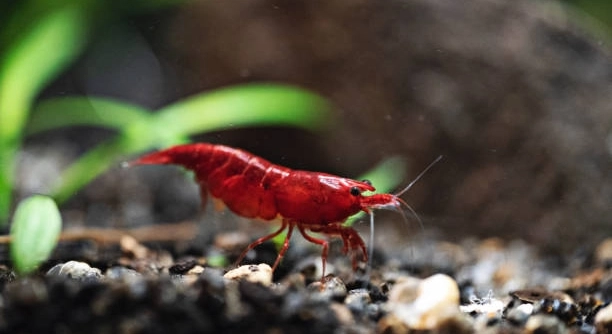
Do your cherry shrimp often appear to rub against the leaves in your aquarium, leaving you slightly puzzled? Many shrimp owners notice this curious behavior and wonder what it means for their pets’ health and environment.
Cherry shrimp rubbing against leaves is primarily a natural grooming and molting behavior. This action helps remove algae, debris, and parasites from their bodies, while also aiding in the shedding of their exoskeleton, promoting proper growth and overall health.
Observing this behavior closely can provide insights into your shrimp’s well-being and the condition of your aquarium’s ecosystem. Understanding these details ensures healthier and happier shrimp for your tank.
Reasons Cherry Shrimp Rub Against Leaves
Cherry shrimp often rub against leaves for multiple reasons. One key reason is grooming. They naturally clean their bodies by scraping off algae, bacteria, and other particles that may settle on their shells. This behavior also helps them maintain a healthy exoskeleton, which is essential for growth and molting. When shrimp are preparing to molt, they may increase this rubbing behavior to loosen their old shell. Another factor is irritation. If water quality is poor or there are excess chemicals, shrimp may feel uncomfortable and attempt to relieve it by rubbing against surfaces. Additionally, shrimp can be searching for food, as biofilm and microorganisms often accumulate on plant leaves. Rubbing helps them access these nutrients. Observing this behavior in your aquarium can reveal the shrimp’s health status, the cleanliness of the tank, and the condition of the plants, allowing for timely care and maintenance adjustments.
Maintaining clean water reduces stress and encourages natural grooming, minimizing excessive rubbing behavior.
Regular monitoring of leaves and shrimp can prevent health issues. By keeping plants and water clean, shrimp will stay active, healthy, and less prone to shell damage or disease. Ensuring optimal water conditions, such as stable temperature and low ammonia, supports their natural behaviors while promoting proper growth and vibrant coloration.
How to Support Healthy Leaf-Rubbing Behavior
Encouraging proper leaf-rubbing behavior starts with providing live plants. Plants with soft leaves, like Java fern and Anubias, give shrimp surfaces to groom safely without risking injury. Leaf surfaces also develop biofilm, which serves as a natural food source. Providing a variety of plants ensures shrimp have enough space to explore and maintain their grooming habits. Additionally, maintaining stable water conditions, including pH, temperature, and filtration, helps shrimp feel secure and less stressed. Stress-free shrimp are more likely to engage in natural behaviors, including gentle leaf rubbing, which contributes to overall health. Observing shrimp daily allows for early detection of unusual behaviors, which can indicate water quality issues, illness, or dietary deficiencies. A well-planted and carefully maintained tank encourages these positive behaviors while supporting growth, molting, and coloration. By focusing on environment and plant selection, shrimp behavior can be monitored and nurtured effectively.
Clean leaves and stable water conditions prevent disease and improve overall shrimp well-being. Providing plants and proper care creates an environment where shrimp can thrive, groom effectively, and display natural behavior consistently. Regular observation ensures timely interventions if problems arise, keeping the tank balanced and shrimp healthy.
Signs of Excessive Rubbing
Excessive rubbing against leaves can indicate stress or health issues. Shrimp rubbing constantly, leaving scratch marks, or appearing lethargic may be experiencing poor water quality, parasites, or nutritional deficiencies. Observing frequency helps identify problems early.
Frequent or aggressive rubbing often points to irritation caused by ammonia, nitrites, or fluctuating pH levels. Parasites and bacterial infections can also cause shrimp to scratch themselves against leaves. A lack of proper diet, especially insufficient calcium and protein, may weaken their exoskeleton, prompting more rubbing. Tracking these behaviors alongside water testing can help pinpoint the cause, ensuring interventions happen before serious health problems develop.
Leaf damage and visible scratches on shrimp indicate ongoing stress. Identifying the exact cause—whether environmental or dietary—requires careful observation and consistent tank maintenance. Correcting water conditions, adjusting feeding, and providing hiding spots can reduce excessive rubbing and restore healthy shrimp behavior naturally.
Preventing Leaf Damage
Soft or delicate leaves are easily damaged by frequent rubbing. Choosing sturdy plants reduces the risk of tearing or decay.
Introducing durable plants like Anubias, Java fern, or Amazon sword ensures that shrimp can groom without causing plant damage. Plants with thicker leaves withstand repeated contact, allowing shrimp to perform natural behaviors safely. Combining these plants with consistent water quality maintenance, stable temperature, and balanced nutrition minimizes stress-related rubbing. Monitoring tank conditions and removing decaying leaves promptly also prevents shrimp from targeting weakened foliage, protecting both plant and shrimp health.
Preventing damage requires a balance of plant selection, tank care, and observation. Sturdy leaves, regular water checks, and proper feeding ensure shrimp can rub safely without harming plants. Healthy plants support shrimp activity, and attentive care reduces the risk of stress-induced behaviors.
Grooming and Molting
Rubbing against leaves is a natural way for cherry shrimp to groom themselves. This behavior removes algae, debris, and small parasites from their bodies, keeping their exoskeleton clean and healthy.
Molting shrimp often increase rubbing to help loosen their old shells. This prepares them for a smooth molt and supports proper growth and development.
Benefits of Leaf-Rubbing Behavior
Leaf-rubbing provides several benefits for shrimp and the aquarium ecosystem. It helps maintain a clean exoskeleton, reduces parasite buildup, and stimulates natural foraging instincts. Shrimp also ingest biofilm from the leaves while rubbing, gaining supplemental nutrition. This behavior promotes overall health, molting efficiency, and stronger coloration. Additionally, it encourages shrimp activity, which keeps them engaged and prevents lethargy. By rubbing, shrimp naturally manage their hygiene and contribute to the balance of microorganisms in the tank. Observing this behavior helps owners gauge shrimp well-being and the effectiveness of plant and tank maintenance, supporting a thriving aquarium environment.
Monitoring Behavior
Keeping an eye on rubbing patterns can indicate shrimp health. Changes in frequency may signal stress or illness.
FAQ
Why do cherry shrimp rub against leaves so often?
Cherry shrimp rub against leaves primarily to groom themselves. This behavior helps remove algae, bacteria, and small debris from their exoskeleton. Molting shrimp may increase rubbing to loosen their old shell. It is a normal, healthy behavior and usually indicates active shrimp.
Is leaf rubbing a sign of illness?
Not always. Occasional rubbing is natural, but excessive or frantic rubbing may indicate stress, poor water quality, parasites, or dietary deficiencies. Observing the frequency and intensity can help determine if intervention is needed. Monitoring water parameters and shrimp activity is essential.
Can rubbing damage plants?
Yes, delicate leaves can tear if shrimp rub too much. Using sturdier plants like Anubias, Java fern, or Amazon sword can reduce damage. Healthy, durable leaves allow shrimp to groom safely while maintaining natural behaviors.
Does leaf rubbing help shrimp eat?
Yes. While rubbing, shrimp scrape off biofilm and microorganisms from leaves. This provides supplemental nutrition and supports overall health. It encourages natural foraging behaviors and helps maintain activity levels in the tank.
Should I worry if my shrimp rub constantly?
Constant rubbing may be a warning sign. Check water quality, temperature, pH, and ammonia levels. Ensure shrimp are receiving a balanced diet and provide hiding spaces. Addressing these factors can reduce stress and prevent potential health problems.
Do all cherry shrimp rub on leaves the same way?
Behavior can vary by individual shrimp. Some are more active groomers, while others only rub occasionally. Age, molting stage, and tank conditions can influence frequency and intensity. Observing trends over time is more important than isolated incidents.
Can rubbing prevent parasites or infections?
To an extent, yes. Grooming helps remove small external parasites and reduces bacterial buildup. However, it is not a substitute for proper tank maintenance. Maintaining clean water, a balanced diet, and a healthy environment is necessary to prevent disease.
Is rubbing linked to molting?
Yes, molting shrimp often rub more. This helps loosen the old exoskeleton, making shedding easier. Increased rubbing before a molt is normal, but excessive rubbing outside of molting periods may indicate other issues.
Do shrimp prefer certain types of leaves for rubbing?
Shrimp often choose leaves with biofilm or rough textures. Broad-leaf plants like Anubias or Java fern provide ideal surfaces. These leaves are easier to grip and support natural grooming behaviors while supplying food in the form of microorganisms.
How can I encourage healthy rubbing behavior?
Provide live plants, maintain stable water conditions, and offer a balanced diet. Sturdy leaves and clean water encourage natural grooming, reduce stress, and support molting and growth. Observing shrimp regularly ensures they display normal behavior and remain healthy.
What should I do if rubbing seems harmful?
If leaf damage or abnormal behavior appears, assess water quality, diet, and tank setup. Remove decaying leaves and replace with durable plants. Correcting environmental factors can reduce harmful rubbing and support shrimp well-being.
Does rubbing affect coloration?
Proper grooming and access to biofilm can enhance shrimp coloration. Healthy shrimp with minimal stress often display brighter colors. Excessive rubbing due to poor conditions, however, may indicate health issues and affect their appearance.
How often should I monitor rubbing behavior?
Daily observation is recommended. This allows you to notice changes in activity, molting patterns, and stress indicators. Tracking behavior alongside water parameters ensures shrimp remain healthy and their environment is balanced.
Can other tank inhabitants influence rubbing?
Yes. Aggressive tank mates or overcrowding may stress shrimp, causing increased rubbing. Providing sufficient space and hiding spots reduces stress and encourages natural grooming without injury.
Are there signs of normal versus abnormal rubbing?
Normal rubbing is gentle and periodic. Abnormal rubbing is frantic, constant, or accompanied by lethargy, discoloration, or visible injuries. Observing patterns helps distinguish between natural behavior and potential problems requiring intervention.
Does temperature or water quality affect rubbing?
Absolutely. Unstable temperature, high ammonia, nitrites, or pH fluctuations can stress shrimp, causing increased rubbing. Maintaining stable, optimal water conditions supports natural behavior and reduces health risks.
Can dietary supplements reduce excessive rubbing?
A balanced diet rich in calcium, protein, and minerals strengthens the exoskeleton and reduces stress-related rubbing. Providing high-quality shrimp food and occasional biofilm supplements ensures proper growth and health.
Is rubbing more common in certain shrimp ages?
Younger shrimp may rub less frequently, while molting juveniles or adults may rub more. Age, health, and molting stage all influence behavior. Observing patterns across ages helps distinguish normal activity from signs of stress or illness.
Does leaf rubbing have any environmental benefits?
Yes. Rubbing helps remove algae and biofilm from leaves, supporting the aquarium ecosystem. It contributes to a balanced microflora on plants, benefiting both shrimp and tank health. Regular observation ensures these benefits are maintained without harming plants.
How do I know if rubbing indicates a water issue?
Look for constant or aggressive rubbing, discoloration, lethargy, or plant damage. Testing water for ammonia, nitrites, nitrates, pH, and temperature fluctuations can reveal environmental stressors requiring correction.
Observing cherry shrimp rub against leaves is a common experience for anyone keeping these small freshwater shrimp. This behavior is mostly natural and healthy, reflecting their instincts to groom and maintain their exoskeleton. Grooming helps remove algae, debris, and small parasites that may accumulate on their bodies. It also plays a significant role in the molting process, allowing shrimp to shed their old shells smoothly and grow properly. Many shrimp owners notice an increase in rubbing just before a shrimp molts, which is a normal part of their life cycle. Paying attention to these behaviors allows for better understanding of shrimp activity and helps identify any potential issues before they become serious. Watching shrimp engage in leaf rubbing can be satisfying because it shows they are active and behaving as they naturally would in a well-maintained environment.
Maintaining clean water and stable conditions is crucial to ensuring that leaf rubbing remains a healthy behavior. Poor water quality, fluctuating temperature, or imbalanced pH can cause stress, leading to excessive or frantic rubbing. Observing the frequency and intensity of this behavior helps monitor the shrimp’s overall health. Providing a balanced diet that includes essential nutrients such as calcium, protein, and minerals supports exoskeleton development and reduces stress-induced behaviors. Live plants with broad, sturdy leaves not only offer surfaces for rubbing but also contribute to a balanced tank ecosystem. Biofilm naturally develops on these leaves, offering shrimp an additional food source while encouraging natural grooming and foraging behavior. Regular water testing, plant maintenance, and appropriate feeding routines all work together to maintain a healthy environment where shrimp can thrive.
Consistent observation and attention to detail are key to supporting your shrimp’s well-being. Minor changes in behavior, like increased rubbing or lethargy, often indicate environmental or dietary issues that require adjustment. Encouraging natural behaviors, such as rubbing on plants, while addressing stressors helps maintain vibrant, healthy shrimp over time. Sturdy, well-planted aquariums, stable water conditions, and proper nutrition work together to reduce unnecessary stress, protect delicate leaves, and promote healthy growth. By understanding why cherry shrimp engage in leaf rubbing and how to support this behavior, you create a tank environment that benefits both the shrimp and the plants. Regular monitoring ensures that any potential problems are caught early, and proactive care helps maintain a thriving, balanced aquarium where shrimp can continue to display their natural and beneficial behaviors. Observing them actively and providing the right conditions ensures your shrimp remain healthy, energetic, and colorful, reflecting the care and attention put into maintaining their home.

Hello,
If you enjoy the content that we create, please consider saying a "Thank You!" by leaving a tip.
Every little bit helps us continue crafting quality advice that supports the health, happiness, and well-being of pets around the world, for pets of all shapes, sizes, and species.
We really appreciate the kindness and support that you show us!