
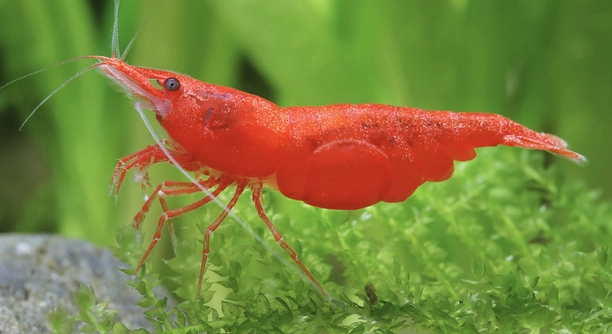
Keeping your shrimp healthy requires more than just regular feeding. Skipping a meal at the right time can prevent stress and water quality issues. Knowing when to hold back is important for thriving shrimp in any tank.
Shrimp should occasionally skip feedings to maintain optimal health. Overfeeding, molting, water contamination, stress, illness, and seasonal changes can necessitate skipped meals. Properly timed fasting prevents disease, supports natural behaviors, and sustains water quality, ensuring shrimp vitality.
Understanding the best times to skip feeding will help maintain balance in your tank. This knowledge supports shrimp health and overall aquarium success.
When Shrimp Are Molting
During molting, shrimp shed their old exoskeleton and form a new, soft shell underneath. Feeding during this time can be risky because shrimp are vulnerable to injury and stress. Overfeeding may also pollute the water, slowing recovery. Observing shrimp behavior is key to determining when to skip meals. Avoid adding food if they hide or remain inactive. Natural fasting during molting helps conserve energy and supports healthy growth. Maintaining clean water and stable temperature reduces molting stress. Lightly aerated water prevents oxygen depletion when shrimp are weak. Providing calcium sources in the tank ensures proper exoskeleton development. Molting is a critical period for shrimp, and their dietary needs temporarily change. Skipping feedings at these times minimizes risk and supports their natural development. Patience is important, as shrimp will resume normal eating once their shells harden.
Molting shrimp often refuse food naturally, so skipping feedings during this period aligns with their instincts.
Observing tank conditions and shrimp activity is crucial. Avoid overfeeding, which can degrade water quality and increase ammonia levels. Provide hiding spaces to reduce stress and monitor for uneaten food to prevent contamination. Molting cycles vary by species and age, so tailor your feeding schedule accordingly. Supporting shrimp during molting includes maintaining stable water parameters, offering minimal disturbance, and ensuring a balanced diet before and after molting. Skipping feedings during this stage reduces health risks and encourages proper exoskeleton growth. Over time, shrimp adapt to fasting during molting, which strengthens their resilience and promotes longevity.
When Water Quality Drops
Poor water conditions can quickly affect shrimp health. Skipping feedings during water issues prevents excess waste and reduces stress. Feeding less often helps control ammonia, nitrite, and nitrate levels, protecting delicate shrimp.
Monitoring water parameters regularly is essential for shrimp survival. Temporary fasting during water fluctuations helps maintain a stable environment.
When water quality declines due to temperature changes, overstocking, or equipment issues, shrimp are more vulnerable. Uneaten food can worsen water contamination, increasing the risk of disease and stressing shrimp. Skipping feedings temporarily allows the filtration system to recover and reduces toxic buildup. Carefully observing ammonia, nitrite, and nitrate levels helps guide feeding decisions. Providing a clean environment with aeration and hiding spots supports shrimp health while water conditions stabilize. Adjusting feeding schedules and portion sizes prevents overfeeding and maintains water balance. This approach ensures shrimp continue to thrive even during temporary water challenges, minimizing stress and maintaining overall vitality.
When Shrimp Show Signs of Illness
Skipping feedings can help sick shrimp recover without added stress. Overfeeding can worsen water quality, making recovery slower and more difficult.
Ill shrimp often stop eating naturally, signaling that their bodies need rest. Feeding during this time may lead to uneaten food decomposing in the tank, which increases toxins and ammonia levels. Maintaining clean water and stable temperature is critical while they recover. Observing symptoms like lethargy, unusual swimming, or discoloration helps determine the severity of illness. Temporary fasting gives their immune system a chance to fight off infection. Avoid introducing new foods or supplements until shrimp start eating normally again. This careful approach reduces stress and supports natural recovery.
Even minor illnesses benefit from skipped feedings. Adjusting the feeding schedule during early symptoms can prevent worsening conditions. Reducing stress and maintaining water quality are key for recovery. Supporting immune function with stable conditions ensures shrimp have the best chance to heal.
During Seasonal Temperature Changes
Temperature swings can stress shrimp, impacting their appetite and digestion. Skipping feedings during these periods helps reduce digestive strain and maintains water quality. Maintaining a stable tank environment is essential.
Shrimp metabolism slows when temperatures fluctuate, and they may naturally refuse food. Feeding during this time can lead to uneaten food decomposing in the water, increasing ammonia and nitrate levels. Carefully monitoring tank temperature, aeration, and filtration helps prevent additional stress. Adjusting feeding schedules to match shrimp activity supports overall health and minimizes risk. Seasonal changes can also affect molting cycles, so providing stable conditions and patience is important. Temporary fasting allows shrimp to adapt naturally while keeping the tank safe. Observing behavior, rather than sticking to rigid feeding routines, ensures shrimp remain healthy during temperature changes.
After Overfeeding
Skipping a feeding after overfeeding helps restore balance in the tank. Excess food can pollute the water and stress shrimp, so giving them time to digest and the tank time to recover is important.
Allowing a fasting period reduces leftover food and keeps ammonia levels in check. It prevents bacterial overgrowth and supports water quality, which directly impacts shrimp health.
When Introducing New Tankmates
New tankmates can stress shrimp and disrupt feeding behavior. Skipping feedings during introductions prevents competition and allows shrimp to adjust at their own pace. Maintaining clean water and observing interactions helps reduce stress and ensures shrimp remain healthy during the transition.
During Fasting Experiments
Fasting experiments can improve shrimp health when done carefully. Shrimp adapt to short-term skipped feedings, which can prevent overfeeding and promote natural foraging behavior. Monitoring health and water quality is crucial throughout the process.
When Water Treatments Are Applied
Water treatments can temporarily change water chemistry. Skipping feedings during treatments prevents uneaten food from reacting with chemicals, protecting shrimp and maintaining water quality.
How often should I skip a feeding for my shrimp?
Skipping feedings depends on your tank’s conditions and shrimp behavior. Generally, fasting once every few weeks can prevent overfeeding and maintain water quality. Observe shrimp activity, molting cycles, and water parameters. If uneaten food remains or shrimp appear less active, it’s a sign to skip a feeding. Short fasting periods support natural foraging habits, reduce stress, and allow shrimp to digest fully. Avoid strict schedules, and adjust based on tank conditions and shrimp health. Over time, you will notice patterns that indicate when skipping a feeding is most beneficial.
Will skipping feedings harm my shrimp?
Short-term fasting is generally safe and often beneficial. Shrimp can survive several days without food while their bodies focus on molting, adjusting to temperature changes, or recovering from stress. Harm usually occurs only if fasting is prolonged or repeated excessively without monitoring water quality and shrimp condition. Skipping meals allows the tank to stay clean, reduces ammonia spikes, and prevents overeating-related health issues. Watching shrimp behavior is key; if they show extreme lethargy or stop eating for longer than expected, water parameters and overall tank health should be checked to ensure fasting isn’t causing harm.
Can skipping feedings improve water quality?
Yes, skipping feedings directly impacts water quality. Excess food can decay and increase ammonia, nitrites, and nitrates, stressing shrimp. Fasting periods reduce waste accumulation, allowing filtration systems to stabilize and water chemistry to balance. Regular monitoring during fasting helps maintain optimal conditions, minimizing risk of contamination. Consistent but moderate fasting helps the ecosystem remain healthy, keeping shrimp more active and reducing disease risk. By strategically skipping feedings, you create a cleaner, more stable environment for shrimp to thrive, which also reduces maintenance and the chance of sudden water parameter spikes.
How do I know when shrimp are ready to eat again?
Shrimp usually resume normal activity after molting or a stressful event. Look for movement, antennae activity, and interest in natural biofilm or offered food. If shrimp start grazing or exploring the tank actively, it’s a good indicator to resume feeding. Gradually reintroduce small amounts of food to avoid sudden water contamination. Observe how much they consume within a few hours to determine proper portion sizes. Reestablishing a regular feeding schedule after a fasting period ensures shrimp receive nutrition without overwhelming the tank’s filtration system or causing water quality issues.
Is fasting different for baby shrimp compared to adults?
Yes, baby shrimp (shrimplets) are more sensitive. They have smaller energy reserves and require more frequent nutrition. Skip feedings cautiously and for shorter periods than adults. Monitor growth, activity, and water quality closely. Providing natural biofilm or microfood ensures they continue to receive necessary nutrients. Adults can handle longer fasting periods, but shrimplets need gentle management to avoid stunting or increased mortality. Observing both stages separately and tailoring feeding routines to their specific needs ensures healthy growth and long-term survival in the tank.
Can seasonal changes affect when I should skip feedings?
Seasonal temperature fluctuations affect shrimp metabolism. Cooler water slows digestion and activity, while warmer water increases appetite. Skipping feedings during temperature transitions helps prevent uneaten food from polluting the tank and reduces stress on shrimp adjusting to new conditions. Monitor water parameters closely and adjust feeding schedules accordingly. Seasonal fasting supports natural behaviors and prevents overfeeding when shrimp are less active. By aligning feeding with shrimp activity and water conditions, you maintain a balanced environment throughout the year, ensuring both water quality and shrimp health remain stable despite seasonal changes.
What signs indicate I should skip a feeding immediately?
Immediate fasting is necessary if water quality spikes, shrimp show illness, or there is overfeeding. Visible ammonia, nitrite, or nitrate increases, cloudy water, or uneaten food are clear indicators. Stress behaviors like hiding, lethargy, or abnormal swimming also signal the need to skip meals. Acting promptly protects shrimp from disease, supports natural recovery, and prevents further water contamination. Temporary fasting creates a buffer for the tank’s ecosystem, allowing filtration to stabilize and shrimp to regain normal behavior without additional stress. Consistent observation is key to timely intervention.
How long can shrimp safely go without food?
Shrimp can survive several days without feeding, especially adults, depending on tank conditions. Short fasting of 1–3 days is safe and often beneficial. Extended fasting beyond a week should be monitored closely, with water quality and shrimp behavior assessed daily. Shrimplets require shorter fasting periods due to limited energy reserves. Natural biofilm in the tank can provide minimal nutrition during fasting, but avoid introducing large amounts of food until shrimp actively resume eating. Controlled fasting improves digestion, reduces overfeeding, and supports molting cycles while maintaining a safe environment.
Does skipping feedings affect shrimp growth or molting?
Controlled fasting does not negatively impact growth or molting. In fact, it can promote healthier molting by reducing stress and preventing water pollution from excess food. Shrimp draw on stored energy during fasting, which supports exoskeleton development and natural growth. Ensure fasting periods are short enough to avoid nutrient deficiencies. Observing molting behavior and water quality ensures shrimp continue growing at a normal rate. Strategic skipping of feedings allows shrimp to allocate energy efficiently, promoting stronger exoskeletons and reducing the risk of molting-related complications.
Can I combine fasting with other shrimp care practices?
Yes, skipping feedings works well alongside water monitoring, stable temperature control, and proper tank maintenance. Fasting complements these practices by reducing waste, preventing overfeeding, and minimizing stress. Pairing fasting with careful observation of shrimp behavior and water parameters ensures the best results. Consistency, along with attention to molting cycles and seasonal changes, strengthens shrimp resilience. By integrating fasting into a comprehensive care routine, you support shrimp health, water quality, and overall tank stability without introducing unnecessary risks or complications.
Skipping feedings for shrimp is an important practice that helps maintain their overall health and the balance of the tank environment. Shrimp are sensitive creatures, and overfeeding can quickly lead to water quality issues such as increased ammonia, nitrites, and nitrates. These conditions can stress shrimp, slow their growth, and even contribute to disease outbreaks. By occasionally skipping a feeding, you allow the tank to naturally process existing waste and prevent toxic buildup. It also gives shrimp time to digest properly and conserve energy, especially during vulnerable periods like molting, illness, or seasonal temperature changes. Observing shrimp behavior is key, as they often indicate when a fast is necessary. If shrimp hide, remain inactive, or show reduced appetite, skipping a feeding is usually beneficial and aligns with their natural instincts.
Fasting is not harmful when done correctly, and in fact, it can have positive effects on shrimp health. Temporary skipped feedings support natural behaviors, such as foraging and grazing on biofilm, which is an essential part of their diet. Shrimp do not require constant feeding, and their metabolism can handle short periods without additional food. Careful observation of water parameters and shrimp activity ensures that fasting does not become prolonged or stressful. For adults, fasting periods of one to three days are generally safe, while baby shrimp require shorter fasting periods due to their smaller energy reserves. During these times, maintaining clean water, stable temperature, and good filtration is essential. Skipping feedings at the right moments minimizes the risk of leftover food decomposing, which can otherwise compromise water quality and shrimp well-being. By combining fasting with routine tank maintenance, shrimp are less prone to illness and stress, and their growth and molting cycles remain healthy.
Incorporating skipped feedings into your shrimp care routine is straightforward but requires attention and patience. It is not about restricting nutrition but about timing feedings to match shrimp needs and tank conditions. Regular monitoring of water quality, observation of shrimp behavior, and adjustments during molting, illness, temperature shifts, or overfeeding situations ensure that fasting is both safe and effective. This approach helps create a stable, balanced environment where shrimp can thrive naturally. Over time, you will learn to recognize the cues that indicate when a feeding should be skipped, making care simpler and more effective. The practice of skipping feedings, when done thoughtfully, contributes to healthier shrimp, cleaner water, and a more manageable tank ecosystem overall. By paying attention to these details, shrimp owners can support long-term health and vitality for their shrimp population.

Hello,
If you enjoy the content that we create, please consider saying a "Thank You!" by leaving a tip.
Every little bit helps us continue crafting quality advice that supports the health, happiness, and well-being of pets around the world, for pets of all shapes, sizes, and species.
We really appreciate the kindness and support that you show us!