
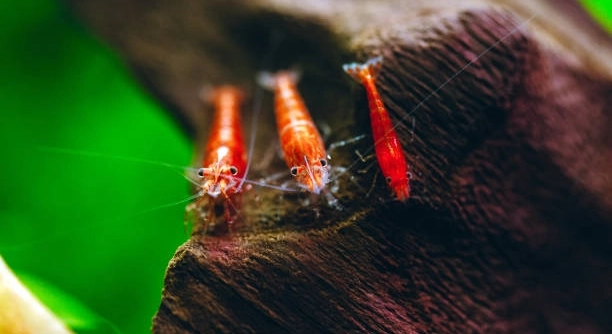
Shrimp are small, delicate creatures that live in oceans, rivers, and ponds. They often move in groups and are seen near rocks or structures in their habitat, which seems to provide them with protection and food sources.
Shrimp gather around certain rocks primarily for shelter and feeding opportunities. Rocks provide hiding spots from predators and surfaces for algae or microorganisms to grow, creating a reliable food source. This behavior enhances shrimp survival and promotes social clustering in their natural environment.
Observing shrimp near rocks reveals more about their habits and environment than just simple gathering patterns. These behaviors offer insight into their daily survival strategies and interactions.
Why Rocks Attract Shrimp
Rocks in aquatic environments serve as more than just obstacles or decoration. They offer shrimp a safe place to hide from predators and strong currents. Small crevices between rocks allow them to stay concealed, reducing the risk of being eaten. Rocks also host algae, microorganisms, and tiny invertebrates that shrimp feed on. Over time, shrimp learn to recognize which rocks provide the most reliable food sources. Their movement toward these areas is instinctual and supports their daily needs. In addition, rocks influence water flow, creating calm spots that are easier for shrimp to navigate. These calmer areas help shrimp conserve energy while foraging. Shallow rock formations can warm slightly in sunlight, attracting shrimp to specific spots during cooler periods. The combination of safety, food, and suitable conditions explains why shrimp often gather densely around certain rocks, making these areas key locations for observing shrimp behavior in nature.
Rocks with algae or small hiding spaces naturally attract more shrimp than bare, smooth surfaces lacking cover.
Many researchers have observed shrimp clustering near rocks in both freshwater and marine environments. Shrimp often patrol the same rocks repeatedly, indicating they understand where resources are reliable. Their preference is influenced by food availability, predator presence, and current strength. Even small changes in rock arrangement can alter shrimp distribution, showing how sensitive they are to their surroundings. Some rocks become temporary hubs for social interaction, while others may be abandoned if conditions worsen. Shrimp also communicate through subtle movements and chemical cues, often signaling safe areas to others nearby. This behavior shows a balance between survival instincts and environmental awareness. Over time, these clusters can form microhabitats, supporting not just shrimp but other small aquatic species. Studying shrimp around rocks provides insight into ecological dynamics and demonstrates how even tiny creatures respond to habitat features consistently and strategically.
Feeding and Shelter Benefits
Shrimp rely on rocks for both food and protection. Their clustering is practical and increases survival chances.
Rocks are hotspots for algae and tiny organisms that serve as food. By staying near these surfaces, shrimp minimize energy spent searching for nourishment. At the same time, hiding in crevices reduces exposure to predators like fish and crabs. This dual benefit—safety and sustenance—shapes their daily activity patterns. Some shrimp remain almost entirely around preferred rocks, venturing out only when food runs low or environmental conditions change. Rocks also act as landmarks within their environment, helping shrimp navigate familiar areas efficiently. Additionally, water movement around rocks often brings plankton and detritus closer, providing extra feeding opportunities. Observing how shrimp interact with these surfaces reveals their instinctual behaviors, showing that clustering is not random but a carefully adapted strategy for life in complex aquatic habitats. This interaction between physical structures and shrimp behavior highlights the importance of habitat features for small aquatic creatures.
How Rocks Influence Shrimp Behavior
Rocks create microenvironments that affect shrimp movement and activity. Calm currents and hiding spaces make shrimp more comfortable, while exposed areas discourage them. The physical structure of rocks directs their foraging paths and social interactions, concentrating shrimp around certain formations consistently.
Shrimp respond strongly to the texture and shape of rocks. Rough surfaces allow better grip and shelter, while smooth surfaces are less appealing. Cracks and crevices provide safe spots for resting and avoiding predators. These spaces also host food sources like algae and microorganisms. Shrimp tend to remember these preferred locations, returning regularly. Their repeated presence around specific rocks shows that their behavior is guided by environmental cues rather than random wandering.
The position of rocks in relation to currents and light also matters. Rocks that slow water flow create calmer areas, making it easier for shrimp to forage efficiently. Sunlight can encourage algae growth on rock surfaces, increasing food availability. Shrimp appear to balance safety, food, and ease of movement when choosing where to gather. The clustering around favorable rocks highlights how environmental features shape shrimp behavior over time, reinforcing the importance of habitat structure in aquatic ecosystems.
Seasonal and Environmental Effects
Shrimp behavior changes with seasons and water conditions. Temperature, light, and food availability influence how densely they gather around rocks.
During warmer months, algae and microorganisms proliferate on rocks, attracting more shrimp. Cooler seasons or strong currents reduce activity, making shrimp less visible. Changes in water clarity or chemistry also affect where they congregate. Shrimp may shift to different rocks depending on which areas offer the safest shelter or richest feeding opportunities. Their movement is closely linked to survival and adapting to environmental variations.
Environmental shifts like storms or human activity can alter rock positions or cover. Shrimp respond quickly, redistributing to safer or more resource-rich areas. Some rocks may become temporary shelters, while others are abandoned entirely. Seasonal growth of algae and microorganisms further influences shrimp decisions, as food availability fluctuates throughout the year. Understanding these patterns is important for studying shrimp ecology, as it shows how environmental conditions and rock structures jointly determine shrimp distribution. Careful observation over time reveals consistent behaviors tied to both natural and changing environmental factors.
Social Interaction Among Shrimp
Shrimp often gather near rocks to interact with one another. These clusters allow them to communicate, share food sources, and signal danger. Being close to others enhances safety and helps maintain social structure within their group.
Proximity near rocks also supports mating behaviors. Shrimp can find partners more easily in dense clusters, which increases reproductive success. The presence of multiple shrimp around favorable rocks ensures that mating and social interaction occur in safe, resource-rich locations, reinforcing the importance of these structures in their daily life.
Rock Size and Shape
Shrimp show clear preferences for certain rock sizes and shapes. Medium-sized rocks with crevices tend to attract more shrimp than large flat stones or tiny pebbles. These preferred rocks provide both shelter and food access, creating ideal conditions for survival and feeding efficiency.
Predation and Risk
Rocks reduce predation risk for shrimp. By hiding in crevices or staying close to textured surfaces, shrimp can avoid fish and other predators, improving survival rates and encouraging repeated use of the same safe areas.
FAQ
Why do shrimp prefer certain rocks over others?
Shrimp prefer rocks that provide both shelter and food. Rocks with crevices or cracks give them safe places to hide from predators. Rough surfaces often grow algae and tiny organisms, which serve as a steady food source. Smooth or bare rocks are less attractive because they offer less protection and fewer feeding opportunities.
Do all types of shrimp gather around rocks?
Most shrimp species exhibit this behavior, though it varies depending on habitat and species. Freshwater shrimp often cluster around rocks in streams or ponds, while marine shrimp may do so on reefs or coastal rocks. The behavior is guided by instinct, survival needs, and the availability of food and shelter.
How many shrimp usually gather around a single rock?
The number depends on the size of the rock and environmental conditions. Small rocks may host just a few individuals, while larger rocks or clusters of rocks can support dozens of shrimp. Food availability, water flow, and predator presence also influence the density of shrimp gatherings.
Do shrimp move between rocks often?
Shrimp do move between rocks, but they usually return to preferred spots. They balance foraging needs with safety. Rocks that provide consistent food and shelter become regular stations. Temporary environmental changes, like strong currents or predators, can cause shrimp to relocate temporarily.
Can rocks influence shrimp breeding?
Yes, rocks play a role in mating behavior. Being near other shrimp increases the chance of finding a partner. Crevices offer protected spaces for laying eggs or for juveniles to hide. Safe and resource-rich rocks can act as microhabitats that support both feeding and reproduction.
Do rocks affect shrimp feeding patterns?
Absolutely. Shrimp feed on algae, microorganisms, and small invertebrates growing on rock surfaces. Rocks in areas with slower currents allow shrimp to feed more efficiently. Rocks that collect detritus or have more algae tend to attract larger numbers of shrimp, influencing where they spend most of their time.
How do environmental changes impact shrimp clustering?
Seasonal shifts, storms, and human activity can alter rock positions, water clarity, or algae growth. Shrimp respond quickly, moving to rocks that provide better protection or food. This behavior shows their adaptability, as they can shift clusters while maintaining safety and access to resources.
Are certain rock arrangements better for shrimp survival?
Yes, rocks arranged to create crevices, calm spots, and surfaces with algae are most favorable. Natural rock formations or carefully placed rocks in artificial habitats can provide ideal conditions. These arrangements help shrimp conserve energy, find food efficiently, and reduce predation risks.
Do rocks play a role in shrimp social behavior?
Rocks do more than provide shelter; they influence social interaction. Shrimp use clusters to communicate, share information about food sources, and signal danger. Being near others on safe rocks promotes cooperation and social structure within shrimp groups, supporting both survival and reproductive success.
Can shrimp survive without rocks?
Shrimp can survive without rocks but face higher risks. Open areas expose them to predators and make finding food more difficult. Rocks act as natural shelters and feeding grounds, so their presence significantly improves shrimp survival rates and overall well-being.
How do researchers study shrimp around rocks?
Scientists observe shrimp in natural habitats or controlled aquariums, noting where they gather and how they interact with rocks. Experiments may involve varying rock size, shape, or arrangement to study feeding, social behavior, and predator avoidance. Data from these studies help understand shrimp ecology and habitat needs.
Do shrimp have favorite types of algae on rocks?
Shrimp do show preferences for certain algae types based on taste and nutritional value. Algae that grow densely on rough surfaces tend to attract more shrimp. This selective feeding helps shrimp maintain a balanced diet while also determining which rocks become popular gathering spots.
Are larger rocks better than smaller ones for shrimp?
Not always. Medium-sized rocks with multiple hiding spots often attract more shrimp than large, flat rocks. The key is a combination of shelter, food availability, and ease of access. Too large or isolated rocks may not provide the same advantages, reducing shrimp clustering.
Do shrimp ever fight over rocks?
Shrimp generally avoid direct conflict, but competition can occur when resources are limited. They may jostle for prime feeding spots or safe crevices. Typically, larger or more dominant shrimp claim the best positions, while others move to nearby rocks, creating a dynamic balance in the cluster.
How long do shrimp stay around the same rocks?
Shrimp may spend days or even weeks around preferred rocks if conditions remain favorable. They return repeatedly to safe and resource-rich locations, showing memory and environmental awareness. Temporary changes like predators or food depletion can cause short-term relocation, but preferred rocks often remain their main habitat.
Final Thoughts
Shrimp gathering around certain rocks is a clear example of how small creatures interact with their environment. Rocks provide a combination of safety, food, and calm areas that shrimp need to survive. When observing shrimp in their natural habitats, it becomes evident that their clustering is not random. They are drawn to specific features, such as crevices, rough surfaces, and algae-covered areas, which offer both protection from predators and reliable sources of nourishment. Even minor changes in rock structure or placement can affect where shrimp gather, showing how closely their behavior is tied to environmental conditions. Over time, these preferred rocks become hubs of activity, supporting not just individual shrimp but small groups that benefit from social interaction and shared awareness of potential dangers.
The presence of rocks also plays a significant role in feeding and reproductive patterns. Shrimp use the surfaces of rocks to find algae and tiny organisms to eat, and the sheltered spaces allow them to rest safely. By clustering in these areas, they conserve energy while foraging and reduce the risk of being caught by predators. Rocks can also influence mating behavior by providing safe locations where shrimp can interact with potential partners. These areas are often revisited repeatedly, demonstrating a combination of instinct and environmental learning. Shrimp adjust their movements according to the availability of food and the safety offered by these rocks, showing a practical approach to survival. Seasonal changes or shifts in environmental conditions, such as currents or temperature, may temporarily alter their preferred spots, but shrimp usually return to reliable rocks when conditions stabilize.
Understanding why shrimp gather around rocks highlights the importance of habitat structure for small aquatic creatures. Rocks are not just inert objects in water; they create microhabitats that directly impact survival, feeding, and social behavior. Observing these patterns helps us better appreciate how even tiny creatures respond to their surroundings and adapt to changes. Maintaining healthy aquatic environments, whether in natural ecosystems or aquariums, means providing features that support these behaviors. Rocks, along with other structures, ensure shrimp have places to hide, find food, and interact safely. Recognizing these interactions encourages a deeper awareness of how delicate and connected aquatic life can be, emphasizing that even the smallest environmental features can play a crucial role in shaping behavior and supporting the well-being of shrimp populations.

Hello,
If you enjoy the content that we create, please consider saying a "Thank You!" by leaving a tip.
Every little bit helps us continue crafting quality advice that supports the health, happiness, and well-being of pets around the world, for pets of all shapes, sizes, and species.
We really appreciate the kindness and support that you show us!